
When selecting sports speakers, their credibility is paramount for ensuring they are received positively and regarded as authoritative figures by the audience. In sports, credibility is often a blend of trustworthiness, expertise, and demonstrated athletic experience.
Credibility is the audience's perception of how trustworthy and knowledgeable a speaker is on a given subject. Authority in the context of sports is grounded in a speaker's formal standing or recognition within the sports community. This could include coaching certifications, formal education, or positions held within sports organizations. Our goal is to align these concepts to affirm the speaker's ability to engage and inspire.
To measure trustworthiness, we assess aspects such as the speaker's honesty, integrity, and character. Expertise refers to the speaker's skills and knowledge level, which includes:
These elements combine to shape a speaker's professional profile and influence audience trust.
An athlete's experience and knowledge are indispensable to their credibility. A speaker with a history of participation or achievements in sports possesses an intrinsic authenticity that resonates with an audience. We examine:
We emphasize these attributes to bolster the speaker's standing as an expert, ensuring their message carries weight.
In sports speaker selection, our credibility hinges on the strength of the content we present. We achieve this by grounding our talks in substantial insights, rigorous data, and compelling narratives.
Our content is enriched by valuable insights and real-world case studies. We dissect pivotal moments in sports history, detailing:
Each case study is a testament to our deep understanding of the sporting industry. By sharing these nuanced accounts, we not only demonstrate our expertise, but also equip our audience with practical knowledge.
Research and data form the backbone of our credibility. We incorporate findings from:
Our goal is to provide an empirical foundation that reinforces the relevance of our insights. By doing so, we present ourselves as well-informed and trustworthy experts who value accuracy and detail.
Statistics are a powerful tool in our storytelling arsenal. We use them to:
| Enhance | Example |
|---|---|
| Clarity | "Player X’s batting average improved by Y%" |
| Impact | "Team A’s strategy reduced errors by Z%" |
However, we're careful to ensure that these numbers are woven seamlessly into our narrative, adding weight to our words while keeping the audience engaged and informed.
We understand that the essence of a successful sports speaker selection lies in the ability to captivate and maintain the audience's attention. Our focus is on tailoring communication strategies to resonate with the audience’s demographics and emotions, sharing core values to establish common ground, and fostering interaction to build a strong rapport.
In engaging an audience, we prioritize the comprehension of their demographic makeup – age, gender, cultural background, and interests. This understanding allows us to tailor our language, references, and examples in a manner that resonates deeply. Additionally, by acknowledging and addressing their emotions – whether it’s excitement, curiosity, or passion for sports – we can make our communication more impactful and memorable.
To establish a strong connection with the audience, it is vital we display a set of shared values. Sports often revolve around themes like teamwork, perseverance, and fair play – principles that transcend the sports arena and appeal to a wider audience. By highlighting these common values, we bridge gaps and foster a sense of unity and understanding.
The cultivation of rapport goes beyond merely speaking to an audience; it involves two-way communication. We engage in interactive dialogue, invite questions, and encourage participation to make the experience more immersive. By doing so, we enhance our connection with the audience, making the event more dynamic and the message more resonant.
In sports speaker selection, the successful delivery of a speech is pivotal to the credibility and influence of the message. We focus on thoroughly preparing and incorporating structured feedback to build speaker confidence and enhance their impact.
We grasp the necessity of meticulous preparation. To start, we outline our speeches clearly, ensuring that each point logically flows into the next. This offers clarity to our audience and prevents us from veering off-topic. Additionally, we research thoroughly, which involves not only understanding the subject matter but also the audience's interests and background to personalize our message.
Moreover, we practice transparency in our speech. Every statistic, anecdote, or piece of information must be verifiable. This builds trust and establishes our credibility, which is crucial in the sports sector.
Eye contact is another powerful technique that we employ. By maintaining eye contact, we create connections with our audience, which is essential for keeping them engaged and for us to appear credible and confident.
We commit to rigorous rehearsal, understanding that familiarity with our speech material boosts our confidence. By practicing out loud and on our feet, we get a feel for the speech's rhythm and pacing. We often record ourselves to identify areas where our delivery could improve.
Feedback is an integral part of our preparation process. We seek constructive criticism from a variety of sources: peers, mentors, or a knowledgeable audience. The goal is to learn where our delivery can be more impactful and how we can better connect with our audience.
Through preparation and feedback, we shape our delivery into a powerful tool for inspiring and informing, ensuring the message not only resonates but also solidifies our position as credible figures in the sports industry.
In selecting sports speakers, we understand the importance of a strong personal brand, which includes leveraging social media, cultivating an authentic voice, and gathering robust testimonials and qualifications.
Leveraging Social Media: We utilize our social media platforms to enhance visibility and showcase our expertise in sports. Our timely and relevant content positions us as thought leaders, and our proactive engagement with followers builds a supportive community.
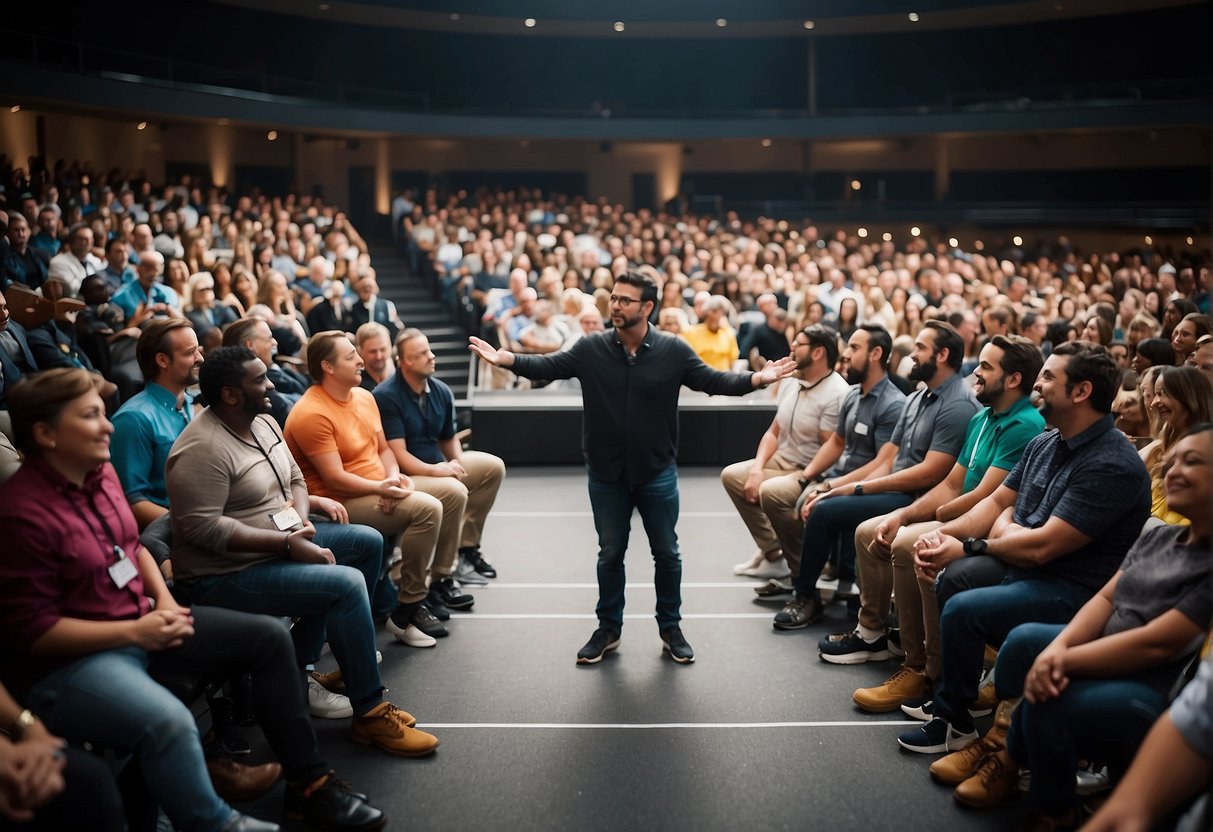
Before planning any presentation in the sports industry, we need to meticulously examine who will be receiving the message. Pinpointing the demographic and psychographic details of the audience sets the stage for an impactful engagement.
To effectively address the audience, we first gather demographic information such as age, gender, ethnicity, income, marital status, race, and education level. This quantitative data collection forms the base of our demographic audience analysis. We can represent this data visually in a table for clarity:
| Demographic | Description |
|---|---|
| Age | Variety in age range dictates content relevancy. |
| Gender | Determines if the message should be tailored. |
| Income | Suggests the economic diversity present. |
| Ethnicity & Culture | Influences cultural references and examples used. |
| Education Level | Helps gauge the complexity of information presented. |
Alongside these demographic characteristics, we consider psychographic information—beliefs, interests, opinions, and lifestyles. A questionnaire or attitudinal survey can help gather this qualitative data. Understanding the audience’s frame of reference—what is their relationship to the topic? Are they industry veterans or new enthusiasts?—allows us to align our message to their psychographic profile.
Audience expectations often hinge on their prior experience with the sports industry; their level of expertise can significantly influence their needs and how they receive the speaker's message. We compile and analyze the audience's beliefs and interests to ensure these expectations are met. For instance, we look at their volunteerism within industry-related activities or if their occupation aligns with the content being discussed.
To assess the audience size and voluntariness, we may use:
By integrating both qualitative and quantitative techniques in our approach, we encompass the full spectrum of audience analysis, setting the foundation for a speaker's success in the sports industry.
When we craft a speech within the sports industry, we focus on leveraging personal experiences to enhance our credibility and carefully adjusting the content to align with the audience's knowledge level.
We must acknowledge the power of personal experience when speaking on topics related to the sports industry. By sharing our authentic experiences, we provide a foundation for inductive reasoning, allowing the audience to draw inferences from the specific to the general. Our experience is a testament to our credibility. It's essential to strike a balance between conveying our background knowledge and using jargon that might be complex for the audience. We selectively incorporate anecdotal evidence and humor to make our points more relatable and memorable. However, we maintain clarity to ensure that even the most controversial topics are addressed with tact and insight.
We meticulously tailor our speech's content to the audience's level of knowledge about the sports industry. It's vital to simplify complex ideas without oversimplifying the worthwhile topic at hand. We achieve this by varying our language and explanations based on the audience's background knowledge. Visual aids are often implemented to bridge gaps in understanding and enhance the overall presentation. When dealing with technical aspects or statistics, we provide context and comparisons that allow for easier comprehension. Our aim is to make the presentation both accessible and informative, avoiding patronization while ensuring every member of the audience finds value in our speech.
By adhering to these principles in crafting our speech, we present with credibility and ensure that our message is impactful and clearly understood.

In the sports industry, our ability to convey information effectively hinges on our mastery of certain delivery techniques. These techniques enhance the speaker’s influence and ensure the message resonates with the audience.
We ensure our communication style is tailored to suit the target audience, focusing on clarity and engagement. This involves incorporating credible research and ethical responsibility into our narratives. We prefer a conversational tone which facilitates direct observation and encourages audience interaction.
We harness the power of visual aids to support and clarify our message, thereby enhancing comprehension and retention. With judicious use of slide presentations or videos related to sports statistics or strategies, we keep our presentation visually stimulating.
By focusing on these elements, we set the stage for a powerful presentation that is both informative and inspiring.
When we evaluate a sports speaker, we look closely at their history of engagements to gauge their expertise. Our focus lies on documented success stories and the feedback they’ve received.
Successes:
Skills and Expertise:
Feedback Quality:
Reputation:

When assessing a sports speaker for an event, we must consider their specializations and the breadth of their past engagements to gauge their relevance and potential impact.
We often encounter sports speakers with niche expertise. For instance:
An Athlete Speaker's personal journey, especially those of top athletes like Olympians, can resonate with audiences across various sectors.
The range of a speaker's past engagements can tell us much about their versatility and audience reach. Analyzing these engagements is essential:
For a comprehensive understanding, we should look for patterns and types of engagements that align with the goals of our event.

When we assess a sports speaker's previous engagements, we focus on the fine details of event logistics and planning to ensure a seamless experience for both the speaker and the audience.
We consider the event's specific requirements and determine how well a speaker's experience aligns with the event's theme. It's essential to match speakers to the audience's interests and the event's objectives. For conferences, this might involve an analysis of the speaker's previous talks to ascertain relevance and impact.
Scheduling is paramount. We lock in dates that work for both the sports speaker and the event organizers. This involves:
| Event Date | Speaker Availability | Rehearsal Date | Preparation Steps |
|---|---|---|---|
| June 10, 2024 | Confirmed | June 8, 2024 | Presentation review |
| Technical run-through |
When evaluating a sports speaker's previous engagements, we place significant emphasis on how they inspire and motivate the audience, along with the quality and relevance of their content.
To gauge how speakers craft memorable experiences, we assess their ability to weave engaging stories throughout their presentation. Our speakers are expected to integrate personal anecdotes rich in insights that connect with the audience on an emotional level. Communication skills are critical here, as the ability to articulate lessons from these stories often inspires and motivates attendees. We look at past events to see how stories are used to transform a presentation into an immersive experience.
Interactive opportunities such as hands-on workshops and panel discussions contribute significantly to a speaker's impact. We review the speaker's roster of previous engagements for instances where they facilitated learning through engagement. A standout speaker offers sessions designed to be both educational and engaging, allowing participants to be part of an engaging and impactful experience. The presence of Q&A sessions, group activities, and opportunities for the audience to share their perspectives is indicative of a well-rounded engagement approach.
In promoting a sports speaker, we recognize the imperative role that tailored marketing and promotion strategies play in defining the success of their engagements.
Our social media strategy facilitates direct communication with our target audience. We create posts that resonate with followers' interests and motivate them to engage in conversation. Important pillars of our strategy include:
Video content serves as a powerful tool in highlighting a speaker's previous successes and capabilities. Our approach includes:
By focusing on these strategies, we enhance visibility and maintain a robust communication strategy, leading to successful event outcomes.

When we select a sports speaker, their reputation becomes a spotlight on their past achievements and an assurance of the value they are likely to offer.
We recognize that a history of success is a powerful draw for previous clients and can significantly elevate a speaker's credibility. Successful sports speakers often have an extensive portfolio of previous successes, which may include:
Their successes contribute to the reputation of being impactful and convey a narrative of triumph that audiences find compelling.
We consider trust and reliability as the cornerstones of a speaker's reputation. This trust is often reflected through testimonials and feedback from individuals and organizations. Some key indicators of trustworthiness include:
We understand that authority and expertise are integral to the effectiveness of a sports speaker. This authority is usually derived from:
A speaker's expertise, as shown by their social media content and industry engagements, fosters confidence in their ability to deliver insightful and meaningful discourse.

We all understand that the success of an event pivots on how engaged and reactive the audience is. That's why selecting a sports speaker whose reputation aligns with audience preferences is pivotal. Their established credibility can significantly contribute to the level of audience engagement. We aim to unpack the nuances of audience interaction that will enhance their experience and make the event memorable.
We know the importance of matching a speaker's style to the specific demographics of an audience. It's not just about age or occupation; we look at a mix of factors such as interests, cultural backgrounds, and experience levels with the sport. This ensures that the speaker can communicate effectively and inspire the audience with relevant insights.
Maximizing audience retention is critical. It involves using energetic delivery, interactive elements like Q&A sessions, and real-life experiences that resonate. These techniques are not only engaging but also make the speaker's message more memorable:
Our goal is to continually refine how we engage with our audience. Collecting audience feedback post-event provides valuable insights into their preferences and experiences. Here's how we use this information:
Consistent use of these strategies allows us to customize content for future engagements to keep up with our audience's evolving expectations.
In planning for event success, we must meticulously manage our resources and logistics while fostering strong collaboration with event planners to meet our event goals.
We understand the importance of adhering to a budget to avoid constraints and ensure a successful event. The allocation of funds is prioritized as follows:
The management of these resources requires strategic planning to optimize expenditures without compromising the quality of the event:
Managing logistics encompasses scheduling, availability, and accommodation, with a keen focus on the speaker's specific needs.
Each aspect is considered and addressed with precision to ensure seamless integration into our event planning.
Collaboration between us and event planners is vital. This involves regular communication and updates to ensure a cohesive understanding of the event goals and expectations. Teamwork is employed through:
Our approach to strategic planning is founded on a bedrock of responsibility, adaptability, and cooperative effort, ensuring the speaker's reputation aligns with the event's intended impact.
In planning our conference, we prioritize reputation when selecting sports speakers to ensure that the overall experience is both enriching and memorable for attendees. Renowned speakers bring not only a wealth of personal experiences but also the capacity to inspire through relatable stories and offer actionable advice.
We recognize the profound impact that personal stories can have on our conference attendees. When a motivational speaker shares personal experiences that underscore resilience and determination, it can deeply motivate everyone present. These narratives give substance to the challenges and triumphs in the world of sports, allowing attendees to draw parallels to their own professional and personal journeys.
Key Benefits of Personal Stories:
We ensure that our guest speakers deliver actionable takeaways for our conference attendees. The insights provided are designed to be implemented practically, enhancing attendees' skill sets and strategies in their respective fields. By presenting these suggestions and lessons in an actionable format, the valuable insights gained can propel attendees toward meaningful growth and development.
Strategies for Actionable Advice:
By incorporating these elements into our conference, we enrich the experience, ensuring each participant leaves with renewed motivation and practical, valuable insights to apply in their endeavors.
In our pursuit to choose the ideal sports speaker for an event, we focus on thorough research and matching expertise with event themes for a successful engagement.
When assessing potential sports speakers, we consider several critical factors to ensure their suitability for our event. Firstly, we examine the speaker's qualifications and industry standards. This involves reviewing their CVs and credentials to confirm their expertise in relevant sports fields.
It's also essential to evaluate references from past speaking engagements. We conduct comprehensive research and get feedback from previous clients to ascertain the speaker's reputation and performance. We reach out to agencies with a track record in the sports speaking industry, as they often provide vetted speakers with proven abilities to engage and inspire audiences.
Our evaluation criteria in a nutshell:
Aligning the expertise of a sports speaker with our event themes is crucial for event relevance and achieving our event goals. The subject matter of the speaker must resonate with the event's theme to captivate and add value to the attendees' experience.
For instance, if our event is themed around “Resilience in Sports,” we will prioritize speakers who have personal stories of overcoming challenges or who have coached teams through adversity. This tailored approach ensures that the speaker's narrative is interwoven with the event's objectives, maximizing impact on the audience.
Steps for thematic alignment:
By meticulously adhering to these strategies, we set the stage for selecting a sports speaker who not only speaks but resonates with the essence of our event.

In recent years, we have observed a significant transformation in the sports speaking landscape, presenting new opportunities for engagement and innovation within the industry.
We recognize sports speakers as key drivers in fostering engagement with audiences. Their background as celebrities or professional athletes lends authenticity and excitement to events. We often see these speakers sharing inspirational stories, imparting strategic insights, or promoting wellness and teamwork, which can be especially resonant at corporate events or educational seminars.
The sports industry is witnessing unparalleled growth, and with it, the role of sports speakers is expanding. Innovation and the introduction of new technologies have opened up fresh avenues for these speakers to connect and add value.
By understanding the evolving nature of sports speakers' roles and the growth trajectory of the sports industry, we can better leverage industry connections to discover top sports speaker options that align with our engagement and innovation goals.

We recognize the integral role that adept industry networking and the presence of adept representation agencies play in connecting with leading figures in sports. Our focus lies on fostering relationships and leveraging established connections to identify and engage top sports talent, including athletes and coaches, for speaking opportunities.
In our quest to identify top sports talent, we rely heavily on leveraging our professional networks. These include connections within the NFL, NBA, and international soccer organizations. We tap into these ecosystems to find keynote speakers who can share unique insights and experiences. For instance, we maintain a roster that includes:
We believe that a multifaceted approach is critical. Thus, we engage with multiple touchpoints within the sports industry:
Representation agencies play a pivotal role in identifying and connecting with sports talent. We collaborate with organizations like AAE and other talent agencies to secure distinguished sports speakers for various events.
Understanding the significance of these agencies, our strategy involves:
Our expertise in the sports speaking domain, complemented by robust networks and partnerships with representation agencies, equips us with the necessary tools to deliver exceptional talent for speaking events.

Utilizing advanced technologies and data analytics, we're at the forefront of transforming the landscape of sports speaking. Our approach leads to more informed and engaging presentations.
Artificial Intelligence (AI) and data analytics are pivotal in enhancing sports speaking. AI systems can process vast amounts of sports data to uncover trends and stories that captivate audiences. For example, analytics from player performance and sports betting markets can feed into dynamic presentations, offering fresh, data-driven insights that engage sports fans and stakeholders alike.
Augmented Reality (AR) also elevates speeches by providing immersive visualizations. When speakers harness AR, they can display complex statistics and analyses through interactive models, making abstract data tangible and far more intriguing for audiences.
In selecting top sports speakers, we integrate biometrics to determine audience engagement and match the speaker to the target demographic more accurately. Key biometric indicators, such as heart rate and facial expressions, are analyzed in real-time to monitor the response of audiences to different speakers. This allows us to tailor the speaking experience to the audience's preferences, ensuring maximum impact.
Furthermore, biometrics can help speakers adjust their delivery in real-time, emphasizing points that resonate or adapting to the audience's reaction, creating a more personalized and impactful experience. Through the strategic use of technology, we empower sports speakers to deliver presentations that are not only informative but also highly engaging and tailored to the audience's interests.
We understand that the synergy between sports speakers and fan engagement strategies is pivotal in creating a dynamic sports environment. Our focus is to elevate the interaction between fans and the sports they love, harnessing the latest in technology and social media platforms.
We recognize the immense value of social media as a tool for fan engagement. Fans are no longer passive spectators; they actively engage with speakers from the sports industry, seeking a personal connection.
Our approach to enhancing the live sports experience includes leveraging smart stadium technology for immersive fan engagement.
By adopting these strategies, we ensure fans enjoy a multifaceted experience that extends beyond the traditional boundaries of sports spectatorship.
In sports narratives, the focus often lies in ethically sound practices, the necessity of strong leadership, and the undying motivation that drives athletes and teams to succeed. We'll explore how these principles are not just lofty ideals but actionable strategies within the sports industry, particularly through the lens of sports speakers who inspire and transform their audiences.
Fairness in sports is foundational to competition integrity. We place considerable emphasis on sports speakers who encourage ethical behavior and dedication to playing within the rules. It's crucial that:
Fairness and safety are often addressed by speakers from non-profit organizations that focus on these issues, underscoring the importance of ethical guidelines in all levels of sports.
Sports narratives are rife with accounts of perseverance and overcoming obstacles. Athletes and teams who face adversity head-on can serve as powerful examples of the motivation required to achieve greatness. Here are some pathways through which these narratives unfold:
Such stories not only motivate but also teach valuable lessons about the tenacity needed to achieve goals, regardless of the individuals' background or circumstances.

When we approach sports research, especially when seeking to understand past engagements of sports speakers, a multifaceted approach is necessary. Analytics play a crucial role in parsing through previous speaking engagements. These engagements often provide a wealth of information that can be used to gauge a speaker's relevance and appeal in the sports industry.
Methodologies such as machine learning and big data analysis allow us to sift through extensive datasets swiftly. For example, we may use:
A robust research framework grounded in current AI technology enhances the accuracy of our findings. This technology helps us detect patterns that we might miss through manual research alone.
We also rely on statistics to quantify the impact of a sports speaker on their audience, considering factors like:
In sport management education, these techniques are increasingly vital; they inform our practice and contribute to the education of future professionals in sports business.
Above all, our aim is to develop a comprehensive knowledge base that supports informed decision-making. We draw upon our expertise in sports management and liaise with industry experts to ensure our insights are grounded in the realities of sports business.
By employing these methods, we maintain a confident grasp on the rapidly evolving dynamics of sports research, ensuring that the insights we provide are both comprehensive and actionable.
In researching sports speakers, we understand the importance of recognizing all stakeholders involved in the sporting ecosystem, including their relationship with the sport, interest levels, and demographics like age.
Sports fans are the lifeblood of any sports venture; they create the market demand and drive public opinion. We categorize them based on their level of team identification, which ranges from casual spectators to die-hard fans. Fans engage with sports differently:
A table illustrating this categorization might look like this:
| League | Typical Fan Age Group | Engagement Method |
|---|---|---|
| NFL | 18-49 | Live Games, Social Media |
| NBA | 18-34 | Social Media, Fantasy Sports |
| MLB | 40+ | TV Viewership, Ballpark Visits |
| NHL | 18-49 | Merchandise, Ticket Sales |
Coaches and teams contribute significantly to how the sport is played and perceived. Their strategies, performance, and off-field activities influence the sports community deeply:
We use a list to illuminate their impact factors:

In selecting sports speakers, we place significant emphasis on both their professional track records and their ability to engage and influence audiences. We meticulously scrutinize past performances and communication skills, ensuring that the speakers align with the values and interests of the audience.
In reviewing a sports speaker's background, it is imperative to consider the breadth and depth of their experience in professional sports. We analyze their career statistics, notable achievements, and longevity in the sport. Such data often reflect the speaker's level of expertise and the respect they command within the sporting community.
Our evaluation of a speaker's communication skills involves an extensive review of previous speeches, social media content, and audience feedback. The objective is to determine the speaker's effectiveness in conveying their message and their ability to inspire and connect with the audience.
By considering both professional achievements and communication prowess, we are confident we can identify speakers who will deliver impactful and resonant messages to our selected audiences.
In examining social factors in sports engagement, we consider the diverse cultural landscape of athletics and the dynamic interplay between social media and fan communities.
Our exploration reveals that diversity in sports encompasses culture, gender, race, and religion, influencing which sports are followed in various regions. We find that inclusivity in sports can increase public attention. Teams and leagues that promote diversity not only reflect the wide spectrum of society but also build stronger fan bases. For example:
We observe that social media has become tantamount to digital media as a space where fans engage with sports content. Social networks shape opinions and the public's relationship with sports figures and teams. Here's how:
The intersection of social engagement and sports is an ever-evolving narrative shaped by society's heartbeat and technology's pulse.
We recognize that sports are more than just games; they're a powerful platform for societal transformation. Our analysis sheds light on how sports can effectively contribute to social change by engaging with key societal issues and influencing public narratives.
We've observed that sports are inextricably linked with social and cultural dynamics. Athletes often become spokespersons for beliefs and attitudes that demand societal attention. When examining past engagements of sports speakers, we identify instances of protest and controversy.
Controversial Topics Evaluated:
Ethnographic methods allow us to dissect these complex interactions. Athletes and teams navigate their roles within the broader social context, often acting as catalysts for change. They meet and sometimes redefine public expectations through their actions and words.
To understand sports narratives and their impact comprehensively, we employ a range of analytical methods.
Synthesis through Data Visualization:
These tools help us grasp how sports narratives shape and reflect societal attitudes and expectations. By acknowledging the complex interplay between sports and social issues, we can better predict and understand the potential for sports figures to drive change.

When reaching out to potential sports speakers, it is crucial that we thoroughly understand their expertise and align our event's objectives with their professional goals.
We begin by conducting comprehensive research on the speaker's background in the sports industry. This involves examining their career, the topics they are most knowledgeable about, and the audiences they typically engage. For instance:
We then align our event's objectives with the prospective speaker's goals to create a mutually beneficial experience. Our event’s success hinges on setting clear, achievable goals that resonate with the speaker's message. Considerations include:
By meticulously understanding our speaker's expertise and aligning it with our event goals, we position ourselves to host an engaging and impactful sports event.

When reaching out to potential sports speakers, it's crucial we communicate in a way that's direct and respectful. Our messages need to be purposeful and clear to create a dialogue that's both efficient and effective.
In crafting our message, we ensure that every word serves a purpose and that our intent is unmistakable. Here are some strategies we employ:
Key points to consider for impactful messaging:
The language we use reflects our professionalism and the seriousness of our proposal. We focus on these aspects of language and clarity:
We are always mindful to:

When we prepare our presentation, it's essential we focus on content organization, effective rehearsal methods, and incorporating visual and interactive elements to support our speech.
In structuring the content of our presentation, we prioritize a clear and logical flow. Our speech should open with an engaging introduction, followed by a detailed outline where the main points are boldly highlighted. We ensure our points support the central message and each other. Here is an example of how to structure content:
For rehearsal, we allocate time to practice both the speech and the use of visual aids. We adopt the following rehearsal techniques to ensure delivery is smooth and confident:
To enhance our presentation, we integrate various visual and interactive elements, such as slides and visual aids, allowing us to weave storytelling with data effectively. Our visuals abide by these principles:
By incorporating these strategies into our presentation preparation, we ensure that our content is well-structured, rehearsals are thorough, and visual elements are engaging, enhancing the overall delivery of our speech.
As we oversee the event, our focus remains sharply on managing the flow and maintaining active participation from our audience. This involves strict time oversight and fostering an environment that encourages audience interaction.
Our primary objective is to ensure that the event adheres to the planned schedule. We continuously monitor time allocation for each segment, making fine adjustments to maintain the prescribed pacing. Should a speaker deviate from the allocated time, we discreetly signal them to wrap up or move on, preserving the overall event timeline.
Ensuring a smooth flow hinges on these time checks and our ability to communicate pacing effectively without disrupting the presentation.
We strive for an immersive experience by promoting audience participation. Our speakers are coached to read the room, using facial expressions and hand gestures to forge a connection with attendees. We prioritize:
We incorporate interactive elements such as Q&A sessions, live polls, or real-time feedback to keep the audience invested.
Through attention to these elements, we ensure that the event remains interactive and that audience engagement is prioritized from start to finish.
After a successful sports speaker event, we must engage in effective post-presentation strategies to maintain the momentum and build upon the connections made. Our focus should be on networking with the audience and speakers while analyzing the feedback to measure our event's success.
By adhering to these practices, we build trust and respect within our network, ensuring a consistent and positive presence in our community.
When sourcing sports speakers for an event, we have a wealth of online tools at our disposal. We must focus on pinpointing the most reliable and trustworthy resources to ensure we connect with top-notch professionals. The key is knowing where to look.
LinkedIn Learning and Coursera offer a broad range of courses taught by industry experts, including sports speakers who share their insights and experiences. We can:
Visiting authoritative websites like ESPN and Sports Illustrated gives us access to articles and profiles of notable sports industry figures. To optimize our search, we should:
Platforms such as YouTube and Vimeo are invaluable for watching past speaking events and getting a sense of a speaker's style and delivery. We must:

When we seek out online resources to research sports speakers, assessing the quality of the content is crucial. We must look for authoritative sources, ensure the information is current and relevant, and verify that the content is accurate and objective.
To establish the authority of online content, we examine the author's credentials and experience in the sports speaking realm. A credible author typically has a demonstrable background in sports, such as having professional experience in the industry or holding a recognized position in a sports organization. Here's what we look for:
We check the date of publication to ensure the content is current, which is vital for a rapidly evolving field like sports. Relevant content must align with present-day sports narratives and market trends. We confirm this relevance by judging:
Lastly, we scrutinize online content for factual accuracy and objectivity. Verified facts and unbiased presentation are indicators of quality content. We review:
Through our robust evaluation protocol, we aim to sift through the vast online landscape and identify premium content to support our research in selecting sports speakers.

In our search for sports speakers with exceptional public speaking skills, we turn to expert interviews and platforms like TED to gather valuable insights. These resources provide us with direct access to the experiences and advice of professionals in the field.
When examining TED Talks, we focus on presentations related to sports and public speaking. By studying the styles and subtleties of expert speakers, we pick up on effective techniques that are visibly impactful.
We also sift through interviews with sports professionals. These intimate conversations reveal personal anecdotes and strategies that have led to their success, both on and off the playing field.
Our exploration of NFL professional experiences provides a practical viewpoint. We seek interviews with NFL veterans and current players who often share their journey through:
| Aspect of NFL Experience | Insight Gained |
|---|---|
| Teamwork | Their collaborative skills and how it translates to speaking dynamically |
| Handling Pressure | Techniques for staying composed during public speaking |
| Communication | Their methods for clear and effective communication |
We consider the unique pressures and challenges NFL players face and how these relate to engaging an audience during speaking engagements. By applying these lessons, we refine our criteria for selecting a proficient sports speaker.
When we approach the task of selecting a sports speaker for an event, we often leverage an array of online support resources. These digital tools are the foundation of informed decision-making in today’s sports industry.
Online Directories and Databases
Analysis and Comparison Tools
We find these integral for contrasting speaker metrics like audience engagement levels and speaking styles. Tools like these often present data in easy-to-understand formats such as charts or ranked lists.
Event Planning Platforms
Integrate with platforms designed to assist in event coordination, which often include features for speaker management. This simplifies keeping track of communication and scheduling.
Social Media and Forums
Professional Networks for Referrals
Building connections within our business network can lead to personal referrals, offering a unique and valuable perspective on potential speakers.
| Resource Type | Purpose | Benefit to Speaker Selection |
|---|---|---|
| Online Directories | Search for speakers by categories and reviews. | Streamlines discovery process. |
| Comparison Tool | Compare different attributes of speakers. | Aids in precise decision-making. |
| Event Planning Software | Manage speaker-related logistics. | Centralizes organization efforts. |
| Social Media & Forums | Gather public opinion and first-hand accounts. | Provides real-world speaker insights. |
| Professional Networking | Secure reliable recommendations from peers. | Enhances trust in speaker quality. |
By tapping into these valuable support tools, we empower our business to make knowledgeable choices, ensuring that the sports speakers we choose are well-suited to our specific event needs.
The landscape of marketing and promotion for sports speakers hinges on establishing online authority and deploying effective strategies to engage and expand their audience.
In today's digital era, we recognize the imperative to build online authority for sports speakers. This encompasses the consistent creation of engaging content related to sports and speaking engagements. We advise sports speakers to:
We understand the importance of these steps in bolstering a speaker's reputation and credibility, which are crucial in the business of sports entertainment.
Our approach to marketing strategies is anchored in precision and adaptability. Here's how we ensure that sports speakers capture the right audience:
By employing these strategies, we facilitate sports speakers in effectively marketing themselves, ensuring their speeches resonate with businesses and fans alike.

We recognize that conducting thorough background checks on sports speakers and coaches is a pivotal step in reinforcing athlete protection and adhering to legal standards. These measures are essential for fostering a safe environment in youth sports programs.
In youth sports, the paramount concern is preserving the safety and well-being of young athletes. Background checks serve as a proactive measure. They help identify individuals with a history of behavior that could potentially harm children. Through comprehensive screening practices, we can significantly reduce the risk of misconduct or abuse within sports settings. Effective safety initiatives include:
Such screenings should be routine to ensure consistent protection across all levels of youth sports engagement.
Implementing rigorous background checks is not only about protection but also about compliance with legal requirements. Various laws mandate the use of background checks for anyone who works or volunteers in youth sports. For instance, the Protecting Young Victims from Sexual Abuse and Safe Sport Authorization Act of 2017 in the United States requires regular and thorough background checks for sports organizations under the United States Olympic Committee’s purview. Here are our responsibilities to maintain legal and regulatory compliance:
By meeting these obligations, we fortify our commitment to athlete safety and show our dedication to upholding the highest standards of conduct in youth sports.

When considering sports speakers and personnel, it is crucial to implement thorough background screenings to ensure safety and integrity. The following outlines the components and tools used in these screenings.
A comprehensive background check includes several types of background screenings to provide a full picture of an individual's history.
Through this multi-faceted approach, we cover a wide scope to assess suitability for roles within sports programs and events.
To effectively evaluate sports personnel, we employ a variety of screening tools geared towards different aspects of an individual's personal and legal history.
By using these specific tools, we ensure a thorough and accurate assessment of all sports speakers and personnel.

We understand that implementing background checks can be a complex process. It requires diligent administration and robust policies to be effective. This ensures that sports speakers who engage with our organizations, especially within youth sports, are thoroughly vetted.
Our administrators play a crucial role in the background screening process. They are responsible for ensuring all aspects of the background check are carried out correctly and respectfully. We ensure that:
For non-profit organizations, this could involve leveraging limited resources to ensure compliance without imposing undue financial strain.
We must develop screening policies that are clear, transparent, and adhere to legal standards. Effective policies include:
Our policies are designed to protect both the individuals and the organizations involved. We work to generate trust with all stakeholders — parents, volunteers, staff, and board members — by ensuring our policies are well-communicated and understood.
When engaging sports speakers, understanding the balance between maintaining safety and respecting privacy is crucial. We must also ensure strict adherence to the legal framework surrounding background checks.
Our primary concern is ensuring the safety of our audience and maintaining the integrity of our event. Conducting background checks on sports speakers helps mitigate the risk of inviting an individual with a problematic criminal history. At the same time, we must respect the privacy of speakers. Any background check requires a waiver form to be signed by the speaker, acknowledging our need to verify their criminal history through reliable sources, such as a courthouse or the Department of Justice.
Our legal team guides us in complying with applicable laws to navigate the complex landscape of national criminal background checks. We consult with them to acquire legal advice on liability issues and ensure we fulfill all legal requirements.
Our approach includes drafting clear job descriptions to justify the relevance of the background check to the speaker's role. We stay updated on national and local regulations to guarantee our practices are within legal bounds.
Background checks are crucial for fostering a secure atmosphere in the youth sports context. We aim to provide a safe environment and maintain the safety of children while promoting trust and positive relationships within the sports community.
Parents entrust their children to youth sports coaches and volunteers, expecting a safe and nurturing environment. By conducting thorough background checks, we reinforce this trust. Here are the specifics:
Background checks help confirm that referees and volunteers have a history of upholding conduct that aligns with the welfare of the team and its individuals, strengthening the fabric of trust within the sports circle.
Background checks play a pivotal role in cultivating teamwork and positive relationships. The impact on community relations includes:
Ensuring that all individuals involved have been given a vote of confidence through background checks lays the foundation for a collaborative and receptive sports environment. It is part of our ultimate guide to nurturing a safe and supportive sports community.
When selecting a sports speaker, it is crucial to align the speaker's attributes with our event's objectives and audience expectations. Understanding the compatibility between the speaker, event goals, and the audience will determine the success of our event.
We must identify the demographics and interests of our audience to ensure the sports speaker resonates with them. Additionally, we should outline our event's objectives—whether to educate, motivate, or entertain. For example:
It is essential to evaluate a potential speaker's area of expertise to match our event's theme. We look for speakers who have not only achieved greatness in their sports but also those who can articulate their experiences effectively. We also consider the speaker's reputation, which includes peer recognition, media appearances, and past speaking engagements. We do so by:
Our budget dictates the speaker we can realistically invite. Sports speakers' fees can vary widely, so we match our financial resources with the fee while also considering the value the speaker brings. We prepare a table that juxtaposes speakers against their fees to make an informed choice:
| Speaker | Expertise | Reputation | Fee |
|---|---|---|---|
| Speaker A | Team dynamics in sports | High-profile | $20,000 |
| Speaker B | Overcoming adversity | Emerging talent | $10,000 |
| Speaker C | Peak performance techniques | Well-established | $15,000 |
Our selection process incorporates due diligence on the speaker's expertise, compatibility with our event's goals, and synchronization with our audience's expectations, all while adhering to our financial limits.

When it comes to contacting and securing sports speakers for an event, we must be strategic and informed. Our approach involves interacting with a speakers bureau, initiating communication, and negotiating terms clearly.
A speakers bureau serves as a valuable intermediary between us and the sports speakers we wish to engage. We generally find a reputable bureau with a wide range of speakers, ensuring its roster aligns with our event's theme and goals. After selecting an appropriate bureau, we reach out via email or phone to discuss our needs. It's crucial to provide them with specific details such as the event date, the profile of the audience, and the nature of the engagement to assist them in recommending suitable speakers.
| Information to Provide | Details |
|---|---|
| Event Date | Exact date of the event |
| Audience Profile | Age range, interests |
| Nature of Engagement | Keynote, panel, etc. |
Once a speakers bureau has provided us with options, we initiate direct contact. This involves crafting a professional email that includes our event details, the relevance of the speaker to the event, and our enthusiasm for their potential participation. Prompt and courteous follow-up emails are essential to maintain momentum in the conversation. We keep records of all communications to ensure clarity and accountability on both sides.
Negotiating the fee and conditions is a delicate process that requires transparency and respect for the speaker's standard rates. We discuss the speaker’s fee upfront to set clear expectations. It's important to inquire about additional expenses such as travel, accommodations, and any special requirements the speaker might have. This conversation also includes the speaker's schedule to ensure they are available on our preferred dates. Our objective is to reach a mutually beneficial agreement that considers the speaker's value and our budgetary constraints.
By proceeding methodically in securing sports speakers, we uphold professional standards and ensure a successful event.

When planning a speaker experience for a sports event, it's imperative that we align the content delivered by the speaker with our event theme, manage all logistical aspects, and create an environment onstage that positions both speaker and event for success.
We carefully match our speaker's presentation to our event's theme, ensuring that the message resonates with our attendees and supports the overall event objectives. Theme is the cornerstone of content, so we examine the speaker's past talks, expertise, and audience rapport to confirm they can deliver a compelling narrative that aligns with our event. This may involve:
Effective coordination is pivotal. For logistics, we take an encompassing approach that covers the speaker's schedule, travel, and accommodation. Here's how we break it down:
| Aspect | Detail |
|---|---|
| Travel | Confirming travel dates and booking flights. |
| Hotel | Reserving accommodation close to the venue. |
| On-site Needs | Ensuring proper facilities are available, including a green room for prep. |
We engage with the speakers well in advance to ensure their schedule is synced with the event timeline and all accommodations meet their needs.
Our final step is to ready the stage and venue to highlight the speaker's presence and ensure a seamless experience. This involves:
We embrace these detailed pre-event arrangements to foster a successful speaker experience that complements the overall tone and atmosphere of our event.
On event day, we focus on time management and interaction quality to ensure everything runs smoothly.
Managing the Speaker's Time:
We monitor the schedule meticulously to avoid any delays or overlaps. Below is a typical speaker schedule outline we adhere to:
| Time | Activity |
|---|---|
| 8:00 AM | Speaker Arrival and Briefing |
| 9:00 AM | Technical Rehearsal and Soundcheck |
| 10:00 AM | Event Start / Opening Remarks |
| 11:00 AM - 1 PM | Keynote Presentations |
| 1 PM - 2 PM | Lunch Break / Networking Session |
| 2 PM - 5 PM | Afternoon Workshops |
| 5 PM | Closing Remarks from Speaker |
Time-Specific Directions:
We provide speakers with a printed schedule upon arrival to ensure they are clear on the timing of their presentations and any other activities they are involved in.
Maximizing Interaction:
We create an atmosphere conducive to engagement by strategically planning Q&A segments and networking sessions. Suggested format for Q&A after presentations:
Ensuring Effective Delivery:
Our team provides support for the speaker's delivery with:
Engagement through Technology:
We use event apps to facilitate audience interaction with real-time polls and feedback, ensuring active participation and connection with the speaker.
Following the conclusion of an event with sports speakers, it's crucial for us to engage in certain post-event activities that not only measure the event's success but also lay the groundwork for future collaborations.
Why It’s Important: After the successful completion of our event, timely gathering and analyzing feedback from attendees is imperative. This will give us direct insights into the impact of the speaker's presentation and overall event experience.
Implementation: We ensure to draft clear and concise questions that can pinpoint what attendees liked and potential areas for improvement. We leverage this feedback to inform future event planning and speaker selection.
Building Connections: To foster long-term relationships with sports speakers, we engage in meaningful follow-up actions post-event. Our aim is to create a professional network that benefits both our speakers and us.
Strategy: We prioritize open communication and transparency with speakers, treating them as valued partners. This approach not only ensures their potential participation in future events but also strengthens our network within the sports speaking community.