

When we approach negotiations, especially with professional sports speakers, we must recognize it as both a science and an art. Preparation is pivotal; we delve deep into backgrounds, understand the market and determine our leverage. This insight provides the logical framework for our discussions.
During the negotiation process, we focus on active listening and precise communication. By paying attention to body language and picking up on subtle cues, we align our tactics with the situation at hand. Emotions can both aid and hinder negotiations. We keep ours in check while acknowledging the emotional undercurrents that may influence the other party.
While we strive to present arguments based on logic, we also engage in collaborative problem-solving. Our aim is to create a win-win scenario by building trust, which is a cornerstone of any successful negotiation. We use a mixture of speaking and questioning to steer the conversation towards a mutually beneficial outcome.
In essence, negotiation skills are essential tools in our repertoire. An expert negotiator embodies these principles:
Negotiators are most effective when they listen more than they talk, display confidence without arrogance, and demonstrate respect for the opposing party. Succinct communication, paired with an understanding of the negotiation's finer points, leads us to results that satisfy both our clients and the sports speakers we engage with.
When we approach the task of engaging with sports speakers, we prioritize identifying the ideal match for our event, understanding the role of their agents, and utilizing effective negotiation strategies tailored to the unique realm of sports.
Our first aim is to secure a sports speaker who aligns with the theme and goals of our event. Key considerations include the speaker's relevance to the topic, their celebrity status, and the expected performance to keep the audience captivated. We gather information about potential speakers by liaising with a speakers bureau or contacting the sports agent directly, ensuring that the keynote speaker we choose is a credible figure who can add substantial value to our event.
Building a sustained relationship with the speaker’s agent is crucial for us. We understand that an agent acts as the gateway to high-profile sports speakers. Our approach involves treating the agent as a partner, working towards a mutually beneficial arrangement. By projecting confidence and establishing credibility, we foster a rapport that could facilitate smoother negotiations and pave the way for future engagements with desired sports figures.
Adopting nuanced negotiation strategies for engaging a sports speaker is necessary for us to secure agreeable terms. We incorporate insights from the Program on Negotiation and ADR (Alternative Dispute Resolution) techniques to address conflict resolution efficiently. Our strategies include:
By being well-prepared and strategic in our interactions, we aim to secure top sports speakers that resonate with our audience and enhance the overall experience of our event.

As expert meeting planners, we know that a well-executed event rests on clear objectives, a strategic location, and meticulous management of logistics. Our approach ensures that time and resources are respected, sustainability is considered, and a lasting impact is made.
We always begin by identifying the precise goals of our event, with attention to the specific outcomes desired by all parties. Whether fostering team building, enhancing humanitarian efforts, or focusing on content delivery, we draft our objectives to provide a roadmap for the event that keeps us within time and budget constraints.
Choosing the right location is pivotal for the event's success, impacting fan experience and logistical ease. We concentrate on locations that balance accessibility for attendees with the need for a venue that commands respect and aligns with our event's theme and values.
Our teams are under considerable pressure to execute flawlessly, which means managing logistics with military precision. From catering to A/V needs, every detail is considered for its impact on the experience and content delivery, ensuring all elements contribute to a meaningful and cohesive event.
In the arena of professional sports, the media acts as a critical channel through which we can influence opinions and engage in public debate. We listen attentively to feedback and criticism from various media outlets to refine our approaches in negotiation.
| Media Aspect | Role in Negotiation | Purpose |
|---|---|---|
| TV Interviews | Public engagement | To clarify points and assert positions |
| Press Releases | Transparent communication | To announce negotiation outcomes |
| Social Media Interactions | Immediate feedback | To gauge public sentiment |
With programs like the Harvard Negotiation Institute and the Negotiation Institute emphasizing executive education in conflict management and dispute resolution, we underscore the importance of preparedness. We always aim to secure a good deal, and appropriate media content can serve as a compelling tool in doing so.
Educational content from established negotiation authorities informs our strategies, ensuring we’re recognized not just for our athletic prowess, but also for our astute negotiation skills. We weave in their expert perspectives to buttress our positions, demonstrating our dedication to continual learning and improvement.
In conclusion, mastering the art of media communication is as significant as the negotiations we conduct behind closed doors. Our ability to influence through media and content is an essential facet of achieving success in the complex web of professional sports negotiations.
When we negotiate with professional sports speakers, the outcomes resonate not just within the realm of our clients' interests but also profoundly influence the fanbase and corporate sponsors. Fans demand our respect and attention throughout these discussions; they are the lifeblood of the sports industry. It is they who interact with the team's brand, attend matches, and support through merchandise purchases. Therefore, trades and contractual agreements shape the fan experience—altering team dynamics and igniting debates in fan communities.
From the perspective of sponsors, negotiations are a direct reflection of the value associated with a team or athlete. These parties seek to capitalize on the association with sports figures who mirror their corporate values and offer innovation, which can garner positive attention. A well-negotiated contract signals stability and attracts sponsors looking for a worthwhile investment.
Our discussions with professional sports speakers often become a strategic battle where every decision holds weight. It's our task to harmonize the interests of all parties involved—ensuring that contractual agreements satisfy our clients, respect the fervor of fans, and align with the expectations of sponsors. The sports industry thrives on these negotiations, for they bring about change, adaptation, and, invariably, the anticipation of what's to come in the sports narrative.

When we begin planning an event, it's critical to clarify our objectives. The goals we set inform every decision, from the theme to the choice of speakers. The first step is to understand our audience: who they are, their interests, and what they hope to gain from attending our event. By aligning our event goals with the needs and expectations of our audience, we ensure a more engaging and memorable experience.
To accurately gauge our objectives, we can chart them as follows:
| Objective Type | Description |
|---|---|
| Educational | Impart skills or knowledge |
| Inspirational | Motivate and energize |
| Networking | Facilitate connections |
| Fundraising | Generate financial support |
Once we've defined the type of objective, we need to establish specific, measurable goals. For instance, if our aim is to educate, how will we evaluate the increase in knowledge? If we want to inspire, what indicators will reveal a boost in morale?
Our event's theme is integral in this process—it must resonate with our objectives. A sports speaker can add tremendous value, but their message must be in harmony with our theme to have the desired impact. We must ask ourselves: Does the speaker's experience relate to our theme and will their story align with our event's goals?
Consistently keeping our objectives in sharp focus ensures we select the right sports speaker, leading to an event that is both meaningful and successful for our audience and us. It is our roadmap to creating an impactful and memorable event.

When selecting a sports speaker for your event, understanding their profiles in terms of expertise, social media presence, and audience feedback is crucial. We'll look at these aspects to ensure a perfect match.
It's vital to assess a speaker's expertise and knowledge in their field. This includes examining their credentials, like educational background and professional achievements. Look for involvement in TED Talks or published works which signify a well-respected opinion leader. We must also ensure that their expertise aligns with our event's theme.
A speaker's influence can often be gauged by their social media profiles. Platforms like LinkedIn offer insights into their professional network and are a testament to their real-world impact. Frequent updates and follower engagement on these platforms indicate an active and respected voice in the sports community.
Finally, we consider previous speaking experiences and client testimonials. Past engagements like panels or keynote speeches provide a glimpse into their speaking style and ability to captivate an audience. Testimonials act as direct feedback on their performance and the value they bring to events.

When planning an event, it's crucial to allocate your budget effectively and manage logistical details with precision. Our focus is ensuring that every dollar spent contributes to the success of the event and that our chosen speakers are supported by seamless logistics.
Allocating funds for speaker fees requires a clear understanding of our overall budget. We must prioritize our expenses and consider the following:
Choosing the right location is a complex task that directly impacts logistics. We must contemplate various elements:
By managing these details, we create an event that runs smoothly and leaves a lasting impression.
When planning an event, selecting the right sports speaker to engage with our audience is a critical decision that can significantly impact the success of the event. We must consider both the nature of our event and the unique preferences of our audience.
Understanding Our Audience:
Assessing Speaker Qualities:
We should align the speaker's strengths with the audience's needs to maximize engagement.
Identifying potential speakers begins with their speaking style. We search for those who match the tone we envision:
After shortlisting candidates, we evaluate their presentation style. This includes their ability to connect with audiences of various sizes, their comfort with interactive elements like Q&A, and their proficiency with visual or multimedia aids.
Finally, we consider feedback and reviews from previous talks to gauge how well our selected speaker can engage and leave a lasting impact on our audience. Past success is often a reliable indicator of future performance. Through this detailed process, we ensure that the speaker we choose will deliver value and align with the specific needs and expectations of our audience.
When seeking the ideal sports speaker, we employ a strategic outreach process, ensuring every step, from initial contact to final confirmation, is handled with professionalism and clarity.
Our first step is often turning to our network for referrals. This can yield valuable introductions to potential speakers whose reputation precedes them. We maintain a curated list of past speakers and their endorsements, which serves as a rich resource for recommendations.
We also partner with reputable speaker agencies. These agencies provide us with extensive catalogs of speakers, including detailed profiles and previous engagement feedback. To streamline our search, we utilize the following criteria chart, allowing us to match the event's objectives with the speaker's strengths:
| Speaker's Expertise | Audience Appeal | Previous Engagements | Fee Range |
|---|---|---|---|
| Leadership | High | Multiple Positive | $5,000+ |
| Teamwork | Moderate | Some Neutral | $2,500+ |
| Resilience | High | Many Positive | $4,000+ |
We engage in preliminary dialogues with potential speakers through these channels, ensuring both parties have aligned expectations.
Once we identify a suitable speaker, we proceed to finalize the agreement. This includes negotiating the fee, defining the scope of the engagement, and discussing logistics. Our engagements are enshrined in a clear and comprehensive contract, detailing the expectations and responsibilities of both parties.
Preparation is crucial, so we ensure our speakers receive a briefing pack well in advance, which contains all necessary event details. By managing these elements effectively, we position ourselves and our speaker for a successful event.
When vetting potential sports speakers, it's vital for us to tap into diverse resources and evaluate the speakers' credentials thoroughly to ensure they are a perfect fit for our event.
We start by utilizing both online and local resources to create a list of potential speakers. Search engines like Google lead us to professional databases and industry-specific directories where we find a variety of sports speakers. This initial search provides us with access to a range of potential candidates, each associated with different sports and speaking experiences.
Once we have a list, it's time for us to assess the expertise and credentials of each potential speaker. This ensures that the speaker not only knows their sport but can also provide valuable insights to our audience.

Selecting the right sports speaker involves thorough research and vetting to ensure their engagement aligns with our event's goals. We focus on their past experiences and the trust they've garnered in their field.
It's crucial to review video footage and materials from past presentations to assess if their speaking style is engaging and appropriate for our audience. We look for clear articulation of ideas and an energetic presence that captivates attendees. We also examine feedback from previous events to gauge audience reception. A list of attributes we consider includes:
We diligently check references and seek referrals from our professional network to validate the speaker's reliability and reputation. Detailed inquiries regarding the speaker's previous engagements give us insights into their expertise and authenticity. This step is vital in our research process and includes:
When we select a sports speaker for an event, it is crucial to align their style with audience expectations and to ensure their profile fits the event theme. Misalignment can lead to reduced engagement and participation.
We must thoroughly understand our audience demographics, such as age, interests, and knowledge level. For example, younger audiences might engage more with a dynamic speaker who can intertwine motivational content with humorous anecdotes. In comparison, a more experienced audience may prefer speakers with a wealth of industry insights and a storied professional background.
Key Considerations:
The theme of the event acts as a compass for selecting an appropriate speaker. If we're hosting an event themed around 'resilience in sports,’ we seek out a speaker whose experiences embody this quality. It's essential that their stories and messages resonate with the thematic content of the event to maximize relevance and impact.
Important Alignments:
When planning for a sports speaker, we must examine the financial constraints and logistical details. These are key to ensuring that we secure a speaker who aligns with our objectives and is logistically possible.
To effectively manage our finances, we must first establish a clear budget. Our budget should detail the funds available for speaker fees, travel, accommodation, and other related expenses.
After setting our budget, our next step is to confirm the speaker's availability and secure their contact information. We must be proactive in obtaining this information.
In choosing a speaker, we must balance their expertise and appeal against our financial capacity and logistical needs.
When we organize an event, choosing the right professional sports speaker is crucial to inspire and energize our audience. First, it’s essential to define the goals of our event. Ask ourselves—what outcomes are we aiming for? Whether it's boosting motivation, fostering team spirit, or sharing insights on resilience, our objective will determine the type of speaker best suited for the occasion.
Here's a structured approach to guide us:
Speaker Qualities to Consider:
| Quality | Why It's Important |
|---|---|
| Experience | Seasoned speakers can captivate and engage. |
| Credibility | A respected athlete or coach can lend authority. |
| Adaptability | Customizable talks can align with our goals. |
We should also utilize a speakers bureau to tap into vast networks of talent. A bureau offers a portfolio of sports speakers, usually categorized by their experience, accolades, and speaking niches. Partnering with a bureau can streamline the selection process, ensuring we match with a speaker who embodies our ethos and drives the message home.
When we have shortlisted potential speakers, we mustn’t overlook the logistics. Availability, travel arrangements, and equipment needs are practical aspects that facilitate a smooth event.
In summary, by being thorough in our selection process and considering these factors, we set ourselves up for an event that's both memorable and impactful.
As we consider the range of compelling narratives and educational insights that professional sports speakers offer, it's clear that certain themes strike a chord with audiences across various events. These speakers not only share experiences from their careers but also distill the essence of their journeys into actionable lessons.
We find that narratives showcasing the journey to success deeply resonate with audiences. Sports figures articulate their career highlights and milestones, offering an intimate glimpse into the mindset of a winner. Their stories are not just about triumphs but also the dedication and determination that propelled them to the pinnacle of their sport.
Efficient leadership and effective teamwork are the backbones of any successful sports team. Our speakers dissect the dynamics of leading a team to victory and the nuances of fostering unity on and off the field. These insights translate seamlessly into corporate environments, where collaborative efforts and strategic leadership are highly valued.
Perseverance in the face of challenges is a universal theme. Our speakers share powerful accounts of overcoming adversity to instill resilience. These stories inspire as they illuminate the path of returning stronger from a setback, embodying a relentless spirit that refuses to yield.
A topic that universally appeals, health, and fitness are integral to a sportsperson's life. Drawing on their own regimes and routines, our speakers motivate audiences to embrace a healthier lifestyle. They talk about the importance of physical well-being and its impact on mental sharpness and overall life satisfaction.
In this section, we showcase a curated selection of top professional sports speakers who have achieved remarkable successes in their respective fields. From decorated Olympians to legendary coaches, these individuals bring a wealth of experience and insights to any event they are part of.
Our lineup includes iconic athletes and coaches who have reached the pinnacle of their sports and know what it takes to win. A prime example is Earvin “Magic” Johnson, one of basketball’s greatest players and an accomplished coach. His ability to captivate an audience with stories of his athletic prowess and coaching strategies is unmatched.
The speakers under this subsection have stood on the highest podiums and understand the dedication required to be best in the world. Jackie Joyner-Kersee, an Olympic gold medalist and world champion, inspires with her journey to becoming one of the greatest athletic competitors of all time.
In this category, we highlight speakers renowned not only for their achievements but also for their ability to motivate others. They are world record holders and champions whose life stories encourage people to overcome challenges and strive for excellence.
When we plan a corporate event, choosing from the top 10 professional sports speakers can elevate the experience for our attendees. These keynote speakers, often celebrity figures with a wealth of experience in sports, bring the discipline and excitements of athletics into the corporate sphere. We know that sports motivational speakers can create a lasting impact, so it is crucial to select someone who aligns with the theme of our event.
For event professionals, it is important to have a clear process. Here's a concise checklist:
Remember, the host plays a vital role in integrating the speaker into the event. Our speaker should feel like a seamless part of the program rather than a standalone feature. It’s our responsibility to make sure their message resonates with everyone involved. By carefully considering these steps and selecting a powerful sports motivational speaker, we can significantly enhance the impact of our corporate event.
When organizing an event, it is crucial to consider the logistics surrounding your choice of a professional sports speaker. Travel arrangements are a primary concern. We ensure that the speaker's transit from their location to your event is booked and managed efficiently.
Here are key details to consider:
Speaking Topics and Keynote Speaking: Each speaker has unique areas of expertise and preferred topics. We collaborate closely with the American Association of Expert Speakers (AAE) to match your event's theme with the speaker's specialty, ensuring that the message is relevant and impactful.
Outlined below are typical areas of focus:
| Speaker | Travels From | Speaking Topics |
|---|---|---|
| Speaker A | New York, NY | Teamwork, Leadership |
| Speaker B | Los Angeles, CA | Perseverance, Overcoming Adversity |
| Speaker C | Chicago, IL | Peak Performance, Motivation |
Remember to discuss the length of the presentation and whether there will be time for questions and answers. Some speakers offer workshops or breakout sessions, which could add value to your event.
Additionally, we advise securing all agreements in writing. Contracts should detail the obligations of both parties including the speaking topics, date, time, duration of the speech, and compensation terms. This will safeguard your event against any misunderstandings and ensure a professional experience for all involved.

We must recognize the significance of tailoring our communication to align with the unique attributes and preferences of our audience. This understanding plays a pivotal role in forging connections and delivering messages that resonate.
Demographics are statistical components of a population, such as age, gender, income, and education level. Psychographics delve into the psychological aspects, such as values, beliefs, and lifestyles. We use these metrics to segment our audience, creating detailed profiles that inform our communication strategy.
To collect data, we conduct market research using surveys, interviews, and focus groups which yields quantifiable insights. Analytics tools enable us to gather digital engagement patterns, helping us understand the online behavior of our audience.
Analyzing behavior and preferences allows us to discern how our audience consumes information. For instance, we might find that certain segments prefer visual communication, while others respond better to written content.

To resonate with our audience effectively, we focus on personalization and selecting optimal communication channels, while remaining adaptable and open to experimentation.
We understand that personalized marketing strategies are more likely to engage our audience. Spearheading our approach is the fine-tuning of our brand voice to reflect our audience's values and language. We meticulously customize content strategies to deliver personalized experiences—this means analyzing our audience's motivations and constructing messages that align with their expectations.
Our marketing strategy emphasizes the importance of using the right channels to communicate with our audience. By identifying the most effective marketing channels, digital or traditional, we enhance brand awareness and compete more effectively. We ensure our messages are clear and coherent across all platforms to maintain consistency in our brand identity.
We prioritize adaptability in our marketing strategies to stay ahead of the competition. Regular experimentation with content strategies allows us to discover what truly resonates with our audience. Continual refinement of our approach based on feedback ensures that we maintain a dynamic and responsive marketing strategy.

In today's digital landscape, we have an array of technological tools at our fingertips that provide valuable insights into our audience's preferences and behavior. By analyzing the data these tools offer, we can make informed decisions to tailor our communications effectively.
Google Analytics: We use this robust tool to track website analytics such as user interactions and customer behavior. It offers a comprehensive set of metrics that allow us to see how users are engaging with our content. By setting specific objectives within Google Analytics, we can better understand which aspects of our website are most appealing to our audience.
Customer Relationship Management (CRM) systems are pivotal in collating customer data and managing interactions. We leverage CRM to segment our audience based on their behavior, preferences, and past interactions. This enables us to deliver more personalized and targeted messages.
With these criteria, we can create distinct audience segments, tailoring our communication to resonate with each group's unique needs and preferences.
We keep a keen eye on emerging technologies and market trends to stay ahead in understanding and predicting customer behavior. AI and audience analysis tools are increasingly important in sifting through social media and other digital touchpoints to gather actionable insights.
By adapting quickly to these technologies, we gain a competitive edge in both understanding our audience and responding to market changes.
As we navigate the complex landscape of marketing and customer service, our core strategies must center around understanding customer preferences and designing experiences that forge lasting brand loyalty.
We recognize the importance of tailoring our marketing campaigns to match the specific needs and desires of our target audience. We use sophisticated data analysis tools to segment our customer base and craft messages that resonate on a personal level. Personalized marketing not only increases customer engagement, but also enhances the customer experience by making individuals feel understood and valued. For instance:
We employ performance metrics to assess the effectiveness of each marketing initiative, ensuring we allocate our budget where it impacts the most. The return on investment (ROI) is a crucial indicator of a campaign's success. To calculate ROI, we consider the following formula:
ROI = (Net Profit / Marketing Investment) x 100
We track metrics like sales, conversion rates, and customer acquisition costs, adjusting our strategies to maximize ROI. We also solicit customer feedback to evaluate the subjective success of our marketing efforts and integrate these insights into future campaigns.
Our commitment to building brand loyalty and trust with our customers is unwavering. We prioritize:
Creating a customer-centric culture involves:
By implementing these focused practices, we are not only optimizing our marketing efforts but also enhancing customer service, leading to a strong, loyal customer base that is integral to our long-term success.
In our quest to communicate effectively, it's crucial we grasp who our audience is. By analyzing demographic data and psychographic tendencies, coupled with interpreting behavioral patterns, we can tailor our strategies to resonate with the desired audience.
When we examine the demographic data of our target audience, we focus on concrete attributes such as age, gender, income, location, occupation, and marital status. This segmentation provides us with a structured overview:
By organizing this information clearly, we can visualize segments that are more likely to engage with our products or services.
Moving beyond the basic demographics, we delve into psychographic profiling to gain insights into the values, lifestyle choices, interests, hobbies, and beliefs. Such nuanced information includes:
Psychographic data gives depth to our audience's image, allowing for more personalized and effective communication strategies.
Finally, understanding behavioral insights—such as purchase behavior and overall customer activities—sheds light on how our audience interacts with products or services.
We often look for patterns in:
Interpreting these behaviors helps us predict future actions and adapt our outreach accordingly.

Understanding your target audience's behaviors is crucial when developing marketing strategies. We'll explore how segmentation and targeting, channel optimization, and personalized communication can be leveraged to create effective marketing campaigns.
We begin by conducting market research to identify distinct market segments based on demographic segmentation and psychographic segmentation. After defining the segments, we apply our insights to target the types of audiences that align with our brand values.
By integrating this data-driven approach, we ensure our marketing strategies resonate with the intended audience, fostering brand loyalty and a competitive advantage.
We then focus on channel optimization, selecting the ideal platforms for advertising and customer engagement. Strategies and content must adapt to suit the chosen channels, whether it’s social media, email, or other digital venues.
This targeted approach improves the efficacy of our marketing campaigns, increases brand awareness, and encourages meaningful interactions.
Lastly, we employ a personalized approach in our communication to heighten customer experience and intimacy. Creating personalized campaigns helps us address the unique preferences and needs of our audience.
Utilizing these tactics, our marketing strategy transcends traditional one-size-fits-all advertising, allowing us to nurture relationships and enhance brand loyalty.

To effectively track the performance of our marketing strategies and understand the behaviors of our target audience, we must pay close attention to key performance indicators that measure success and the return on investment (ROI).
We begin by examining sales metrics since they paint a clear picture of our market performance. These metrics include:
For instance, if our conversion rates increase following a targeted campaign, this suggests a positive reception from the audience.
Understanding customer engagement involves analyzing data that reflects how customers interact with our brand. This data may include:
Higher engagement levels generally correlate with increased customer satisfaction and can lead to better customer retention.
By performing this calculation, we determine how effectively our resources are being used to generate profits. Each change in customer behavior linked to an improvement in ROI can validate the strategies we've implemented.
In engaging with our audience, we focus on fostering trust and understanding their needs through attentive customer service and strategic social listening, ensuring a higher level of engagement.
We establish trust with our audience by providing exceptional customer service. Responding promptly to inquiries and resolving issues quickly demonstrates our commitment to their satisfaction. Let's consider the following strategies:
Our dedication to excellent customer service builds stronger customer relationships and often encourages repeated interactions, boosting purchasing intentions.
We employ social listening tools to stay on top of what our audience is saying about us and our competitors. This involves:
| Activity | Benefits for Engagement | How It Informs Our Strategy |
|---|---|---|
| Tracking mentions | Keeps us informed of real-world examples | Aligns products with customer aspirations |
| Analyzing sentiments | Reveals audience motivations and challenges | Helps tailor marketing messages |
| Identifying trends | Uncovers common problems or desires within our community | Informs product development |
We use insights from social listening to engage proactively, addressing not just the vocalized concerns but also anticipating future needs and expectations.
In aligning our marketing strategies to the behaviors of our target audience, we face the pivotal task of not only understanding the competitive landscape but also refining our focus and tactics accordingly. Below, we dissect the complex nature of these challenges and equip ourselves with methods to address them effectively.
Market Analysis:
Customer Base Insights:
Focus Refinement:
Tactics Adjustment:
By embracing these steadfast approaches, we enhance our connection with our customer base and firmly establish our competitive edge.

Psychographics enable us to comprehend the values, interests, and lifestyles that shape consumer behavior. Through this lens, we gain insight into our audience's personality traits and behaviors, and how these psychological factors influence their decisions and actions.
Psychographics refer to the study of consumers based on their psychological attributes. This includes an analysis of values, beliefs, lifestyle choices, interests, personality traits, habits, and behaviors. Unlike basic demographic data, which includes age, income, and education, psychographics delve deeper to provide a more nuanced understanding of an individual's inner motivations.
Psychographics and demographics are both crucial in understanding an audience, but they serve different purposes. Demographic data is statistical and factual, often answering the "who" of a population—age, gender, income, and marital status. In contrast, psychographic data explicates the "why" behind consumer actions, which encompasses psychological factors and the more qualitative aspects of human behavior.
| Demographics | Psychographics |
|---|---|
| Age | Values |
| Gender | Interests |
| Income | Beliefs |
| Education | Lifestyle |
| Marital Status | Personality Traits |
| Occupation | Habits |
| Ethnicity | Behaviors |
There are various methodologies to gather psychographic information. Surveys and questionnaires can be specifically designed to extract people's opinions and preferences. Focus groups provide a deeper dive through group discussions, where thoughts and feelings on certain topics are openly shared and analyzed. Observational techniques, on the other hand, involve studying behaviors directly. Social media analytics can reveal patterns of interaction, likes, and follows, which disclose interests and engagement levels that reflect underlying psychographics.
In this section, we'll explore how a deep understanding of an audience's psychographics can inform and refine marketing strategies. By examining psychological characteristics, behaviors, and lifestyles, we can create detailed buyer personas that guide impactful marketing decisions.
The first step is to gather data on our target audience's psychological characteristics, such as values, interests, opinions, and attitudes. This involves quantitative and qualitative market research methods such as surveys, focus groups, and interviews. By asking the right questions, we can categorize the audience based on their:
From the data we collect, we identify patterns and clusters of behavior that represent different segments of the market. A buyer persona is a semi-fictional representation of our ideal customer, distilled from these patterns. For each persona, we provide:
By synthesizing this information, each buyer persona guides tailored marketing efforts, ensuring we speak directly to the needs and wants of each segment.
Our final step is to incorporate lifestyle and behavioral insights into the buyer personas. This ensures that our marketing strategies resonate on a personal level. We look at:
By understanding our target audience’s daily life and consumption habits, we optimize our marketing to be highly relevant and irresistible to each persona.
In this section, we explore the vital processes of segmentation and targeting, which involve understanding and categorizing our audience based on psychographic factors such as personality, beliefs, attitudes, and traits. This allows us to more effectively hone in on our target market.
Segmentation is the process by which we divide the potential market into distinct groups based on various criteria including, but not limited to, psychographic factors. We employ a range of segmentation strategies to ensure our audience is categorized accurately:
Through these strategies, we're able to form a precise picture of our audience segments.
Once we've segmented our audience, the next step is to identify our target market. The target market is the specific group of consumers we deem most likely to buy our product. To home in on our target market, we look at the following aspects:
By analyzing these areas, we zero in on our target audiences and customize our marketing efforts accordingly. This targeted approach is grounded in a deep understanding of consumer psychographics, ensuring we speak directly to the segments most aligned with our offering.
Understanding and leveraging psychographics allows us to craft highly targeted marketing strategies that resonate with our audience on a deeper, more personal level.
By analyzing psychographic data, we can tailor our marketing messages to match the values, attitudes, and lifestyles of our targeted consumers. This ensures that:
Example:
For a health-conscious audience, our message might emphasize product benefits like organic ingredients and fitness enhancement.
Selecting the proper channels for our marketing campaigns is crucial. We consider where our audience spends their time and how they consume information. This can include:
Channel Choice:
Understanding psychographics helps us foster better engagement by predicting and answering the audience's needs and preferences. We implement these insights:
Engagement Metrics:
We track likes, shares, comments, and conversion rates to refine our approach continually.
When we aim to measure the impact of psychographics on our audience, we delve into two pivotal areas: consumer feedback and website analytics. By interpreting data in these domains, we gain valuable insights into consumer behavior, buying decisions, and the long-term ROI of our marketing efforts.
Consumer feedback is a direct line into the emotional connection customers have with our brand. We closely monitor and evaluate:
Inherent in this data is the potential for increased customer retention, as understanding and responding to feedback encourages brand loyalty.
Our exploration of website analytics allows us to quantitatively assess psychographics, relying primarily on tools like Google Analytics. Key metrics include:
By correlating this data with marketing outcomes, we optimize strategies to improve ROI and foster a deeper connection with our audience.

When developing content or products, understanding the intricacies of your target audience is paramount. We consider factors such as demographics, behaviors, and psychographics to design messages that resonate deeply with them.
Audience analysis is crucial as it helps us tailor our communication and offerings. By recognizing the specific characteristics of our audience, we can create more effective and targeted strategies. For instance, knowing the income levels and educational backgrounds could significantly impact our approach to messaging and product design.
Demographics include age, gender, education level, marital status, occupation, and income. These elements are crucial in understanding the needs and capabilities of our audience.
Behavioral and psychographic profiling goes beyond demographics by examining the lifestyle, interests, and socioeconomic status of our target audience.
By integrating these components, we craft our message to be as compelling and pertinent as possible to our intended audience.
We will explore various research methods that enable us to gain insights into our audience's characteristics. By using a mixture of quantitative and qualitative tactics, integrating surveys and interviews, as well as leveraging social media and analytics tools, we can gather comprehensive audience data.
Quantitative research involves collecting numerical data that can be statistically analyzed. This data primarily includes demographic and behavioral statistics, which can be sourced through tools like Facebook Insights and Google Analytics.
On the other hand, Qualitative research provides deeper insights into our audience's psychographic data such as values, attitudes, and lifestyle. Methods to collect this data include:
This data helps us understand the 'why' behind audience behaviors.
Surveys are invaluable for gathering large amounts of customer data quickly. A well-structured survey can reveal preferences, buying habits, and satisfaction levels. However, interviews offer a more in-depth look into customer opinions and decision-making processes. Steps to conduct these methods effectively include:
Social media platforms like Facebook provide built-in analytics tools that help us understand audience interactions with our content. By examining likes, shares, and comments, we can ascertain what resonates with our followers. Social media analytics also offer insights into the audience's peak activity times, hence aiding in content scheduling.
Google Analytics is instrumental in assessing our website's performance, tracking metrics such as:
By interpreting this data, we tailor our website and content strategies to better align with our audience's preferences and behaviors.

In this section, we will examine how to identify specific groups within a broader market and tailor our marketing strategies to better meet their preferences. Creating detailed personas and applying market segmentation techniques enable us to target with specificity, leading to more effective and efficient marketing endeavors.
The first step in our strategy is to create buyer personas, which are detailed representations of our ideal customers. These personas help us understand our target market's needs and behaviors. To achieve this, we consider various demographic and psychographic factors. Here's a simple persona template:
| Demographics | Psychographics | Behaviors | Preferences |
|---|---|---|---|
| Age, Occupation | Values, Interests | Online Activities | Product Features |
| Income, Education | Personality Traits | Purchase Patterns | Communication Channels |
For instance, if we're targeting young professionals interested in technology, our persona might be characterised by a desire for cutting-edge devices, responsiveness to digital marketing techniques, and a preference for shopping online.
Market segmentation involves dividing a broad target market into subsets of consumers who have common needs, interests, and priorities. We leverage multiple segmentation techniques to achieve this:
By employing these segmentation techniques, we can target specific groups within the broader market more effectively.
Once we've identified segments, we apply specificity in our targeting by focusing our marketing efforts on the personas that align best with our product's value proposition. We match our communication strategies to each persona's preferences, ensuring that the messaging resonates with their particular needs and desires. For instance, if our target segment values sustainability, we'll highlight our product's eco-friendly attributes in our campaigns. Our objective is to connect meaningfully with our selected segments to optimize engagement and conversion rates.
Understanding the nuances of our target audience allows us to align our marketing strategies with their expectations and preferences. This alignment is critical in increasing engagement, conversion rates, and ultimately driving sales.
When we craft our marketing campaigns, the focus is on creating a personalized experience that resonates with the audience. Key Components of a Tailored Marketing Campaign include:
With these insights, we tailor our messaging and select the most effective marketing channels to reach our target audience. By doing so, our campaigns become more relevant and powerful, directly contributing to a higher ROI.
Our content strategy is fundamentally influenced by the knowledge of our audience. We prioritize content topics and formats that we know our target audience prefers.
| Audience Segment | Preferred Content Type | Why? |
|---|---|---|
| Young Adults | Video, Interactive | Higher engagement rates |
| Professionals | Articles, E-books | Looking for depth of information |
By aligning our content with these insights, we increase the likelihood of our content being consumed and shared, amplifying our marketing efforts.
Assessing the impact of our campaigns is essential to our marketing strategy. We measure effectiveness by analyzing:
This data informs us if our content and campaigns are resonating with our audience, allowing us to continuously optimize our marketing efforts for better results.
In our approach to create lasting engagement, we focus on intimately understanding and addressing our customer's needs while fostering genuine relationships. These key strategies ensure our audience remains connected to our brand for the long term.
Pain Points:
Values:
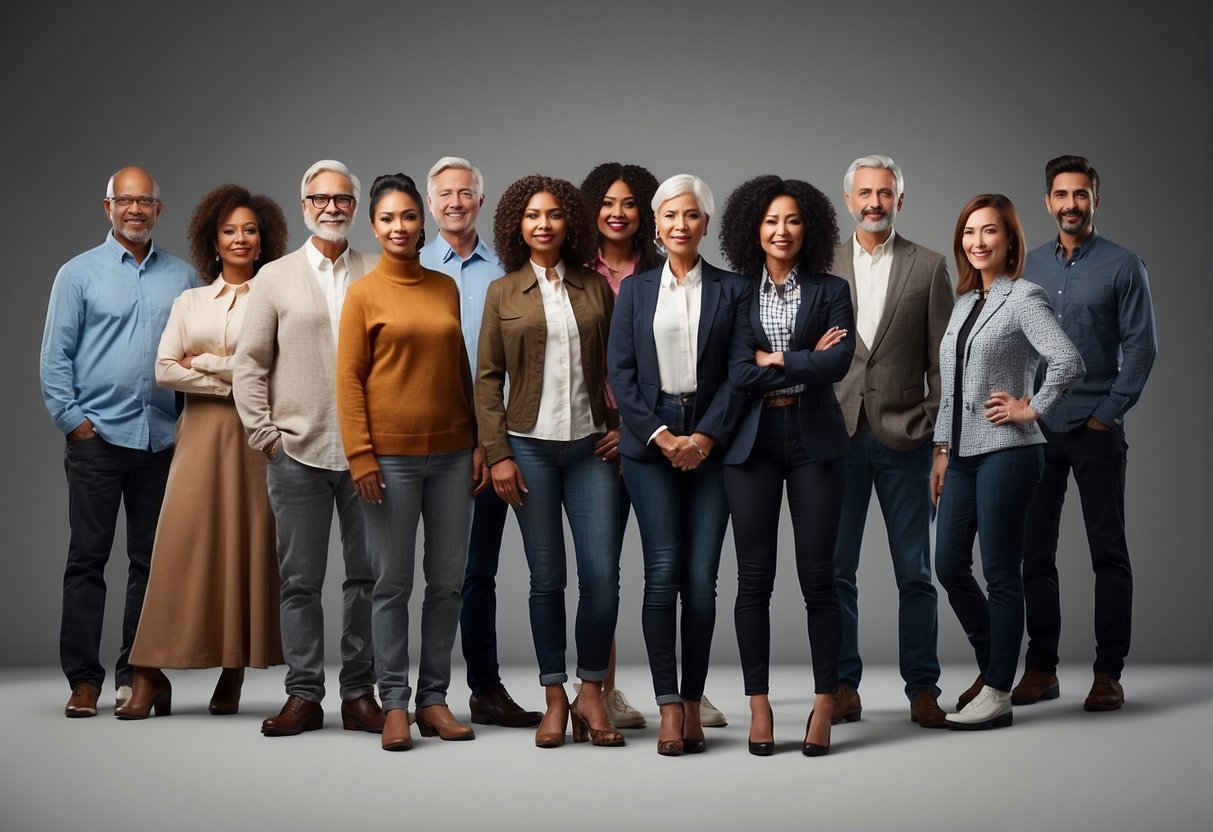
In marketing, we recognize the diverse needs and preferences across our target audience. Segmenting by age and gender allows us to tailor our strategies with precision.
Demographic segmentation is critical for understanding and addressing the distinct needs of various consumer groups within the market. We use demographic data to categorize our audience, which in turn improves the relevance and effectiveness of our marketing campaigns. This segmentation is foundational in creating a strong customer experience because it informs us of the overarching characteristics prevalent in our target audience.
Two of the most pivotal variables in demographic segmentation are age and gender. Age segmentation allows us to target distinct life stages which often correlate with certain needs and preferences. Gender, while not an absolute determinant of consumer behavior, provides an additional layer for refining our marketing efforts. This is especially true for products or services that are traditionally gender-specific or where consumption patterns differ markedly between men and women.
We collect and analyze data to gain insights that guide our segmentation strategy. Market research informs us of trends and behavioral patterns, helping us to define our segments more accurately. By leveraging data, we ensure that our marketing efforts reach the correct demographic, leading to more efficient resource use and better ROI. Through these insights, we also continually refine our approach, enhancing the overall effectiveness of our marketing and enriching the customer experience for each segment we target.
In tailoring our marketing strategies, we recognize the importance of age and gender as keystones in segmenting audiences. We understand that each demographic group responds differently to our marketing efforts, and it's our role to align our approach with their specific needs and preferences.
Our Approach: We harness demographic data to craft personalized marketing campaigns. By categorizing our audience based on age and gender, we can tailor our messages and optimize engagement. This customization goes beyond mere aesthetics; it's about resonating with the core values and expectations of our customers.
Execution in Practice:
By analyzing how different segments interact with our products and services, we gain valuable behavioral insights. This information informs us about purchasing habits, brand loyalty, and the triggers for repeated engagement.
| Age Group | Gender | Purchasing Behavior | Preferred Engagement |
|---|---|---|---|
| 18-25 | Female | Frequent online shopping | Social media interaction |
| 18-25 | Male | High-end gadgets | Tech review platforms |
| 26-35 | Female | Subscription services | Email promotions |
| 26-35 | Male | Fitness products | Mobile health apps |
| 36+ | All | Healthcare products | Personalized emails |
With psychographic segmentation, we go deeper into the psychological attributes of our customers—like lifestyle and values—to refine our marketing strategy. By understanding the driving forces behind customer choices, we can create more nuanced, effectively personalized marketing initiatives.
Overall, our marketing strategies seek to create a symbiotic relationship between the customer's needs and our products and services. By leveraging age and gender segmentation, along with behavioral and psychographic insights, our personalized marketing efforts aim for precision and resonance with each segment of our audience.
We understand the importance of tailoring our advertising efforts according to diverse audience segments. By focusing on the distinctions of age and gender, we optimize our approach for maximum relevance and impact.
When we craft messages, our priority is to ensure they resonate deeply with the target market. For younger audiences, we employ trends and language that appeal to their sense of identity and community. For instance:
Conversely, for older segments, our messages emphasize reliability, value, and trust. It's crucial that the communication is aligned with their life stage and priorities.
Our approach towards social media is methodical. We identify platforms that best align with specific age and gender demographics to optimize our ads.
| Platform | Preferred Age | Gender Focus | Content Type |
|---|---|---|---|
| TikTok | 13-24 | All | Short-form, viral |
| 18-34 | Slightly Female | Visual, Stories | |
| 35+ | All | Diverse, Community-driven |
We craft platform-specific content to ensure higher engagement rates and relate directly to our desired target market.
Our analysis methods include real-time tracking and evaluation of key metrics:
This data is fundamental for us to understand which strategies drive conversions and where we need to adapt our approach for greater efficacy.
Segmenting your audience based on age and gender allows us to craft targeted strategies that enhance customer relationships and ultimately, customer experience. By embracing the nuances of our diverse customer base and tailoring our interactions, we pave the way for deeper loyalty and satisfaction.
We understand that gathering customer feedback is crucial for personalization efforts. We employ surveys and analyze purchase data to anticipate the needs of different demographic segments. For example, our CRM system categorizes customer preferences, enabling us to send personalized messaging that resonates with each group's unique interests.
By integrating feedback into our CRM, personalization becomes a staple in our communication. Personalization isn't just using a customer's name in an email; it involves curating experiences and offers that align with their past behavior and predicted preferences.
Segmented communication forms the backbone of sustaining loyalty. Our email campaigns, for instance, are segmented by age and gender to ensure content relevance. We're not just sending out blanket promotions—we're carefully designing messages that speak directly to the lives of our recipients.
Our commitment to personalization significantly boosts customer satisfaction. It tells our customers that we listen, value their individuality, and go the extra mile to cater to their preferences. This approach solidifies customer relationships, turning one-time purchasers into brand advocates.
To ensure our market segmentation strategies are effective over time, we focus on thorough analysis and the exploration of new market opportunities. We take a data-driven approach to understand how age and gender segmentation contribute to product development and targeted marketing efforts.
Key Performance Indicators (KPIs):
Technology Utilization:
Efficiency Exploration:
New Market Segments:
By maintaining diligence in tracking outcomes and being agile in adapting to new insights, we ensure that our segmentation efforts support robust growth and lasting success.
As experts in the marketing field, we understand that a deeper awareness of cultural context is crucial for the success of our campaigns. It allows us to engage our audience with respect and relevance, fostering brand loyalty and enhancing reputation.
We harness market research to dissect cultural trends and consumer behaviors. Our approach includes:
These research strategies provide us with the necessary cultural context to tailor our marketing efforts effectively.
We integrate cultural sensitivity and competence into our marketing strategies by:
Marketing with cultural competence leads to more inclusive campaigns that resonate with our audience on a deeper level.
Creating authentic content involves:
By prioritizing authenticity in our content, we establish a genuine connection with our audience, which is essential for long-term engagement and loyalty.

Engaging a diverse target audience demands an understanding of their cultural background. We'll discuss concrete strategies on culturally informed marketing, optimizing social media and digital platforms, and tailoring communication through segmentation and personalization.
To resonate with a diverse customer base, it's essential to integrate cultural adaptation into our marketing strategy. We consider language nuances, cultural norms, and values to craft messages that are not only appealing but also relevant to our audience's cultural context. This approach includes the following key parts:
Digital and social media are powerful tools for cross-cultural marketing. They allow us to engage with audiences where they are most active. Our strategy here includes:
Segmentation and personalization are critical to our business strategy. By understanding the different segments within our target audience, we can create personalized messaging that yields a higher engagement rate. Here’s our approach:
Through these strategic approaches, we enhance our communication with our target audience and optimize our engagement with them across various cultural dimensions.
When we address cultural factors in marketing, we navigate complex layers of cultural contexts and variations. Our goal is to adapt to these differences, measure campaign effectiveness, and avoid harmful miscommunication and stereotypes.
Adapting our marketing strategies to cultural differences is essential for maximizing market reach and engagement. We embrace localization and inclusive marketing to resonate with global audiences across various cultural contexts. For example, we might:
These adaptations not only enhance brand perception but also show our commitment to cultural diversity in marketing.
One of the key metrics in evaluating our marketing success is the return on investment (ROI) from culturally tailored campaigns. We use specific indicators to measure effectiveness:
By analyzing these metrics, we can refine our strategies to better align with the cultural nuances that influence customer behavior.
In our campaigns, we take great care to avoid stereotypes and miscommunication that can harm brand perception and customer relationships. We emphasize:
Through these practices, we not only uphold the integrity of our brand but also forge stronger, more authentic connections with our audience.