
The San Francisco 49ers turned the page when Lenoir Deommodore became their star corner. Since then, they have leaned on it when the matchups have tightened. That particular faith is not based on outward noise or hype. Instead, it happened because of his use, reliability, and discipline. This season, the 49ers kept him on the field in messy moments. He did not rotate out. Nah, he doesn't even hide. Instead, he stayed in the fire.

November 9, 2025; Santa Clara, California, USA; San Francisco 49ers cornerback Deommodore Lenoir (2) before the game against the Los Angeles Rams at Levi's Stadium. Mandatory Credit: Kyle Terada-Imagn Images
The first clear hint came on Nov. 13, 2024, when the 49ers locked Lenoir into a five-year extension through 2029. That deal did not come after any game. It came after years of steady growth and reliability. San Francisco locked him in because they see him as a core piece, not a role player.
When Charvarius Ward left in the 2025 offseason, Lenoir moved into the main corner role. He often matched up against top WRs and played both inside and outside. That flexibility matters late in games when offenses try to isolate matchups. The 49ers trust him to handle those switches without help.
His credentials backed his impact. This season, Lenoir logged over 1,000 defensive snaps, ranking among the most-used CBs in the NFL. Coaches do not keep a defender on the field that long unless they trust his discipline and stamina. When games stayed close, he stayed in.
That trust showed up on the field. On Oct. 27, 2025, against the Houston Texans, Lenoir intercepted C.J. Stroud. The play turned in 49ers favour and gave the D-line life in a tough situation. Even in a loss, the moment showed his ability to judge the QB and finish.
On Nov. 16, 2025, he delivered again. Lenoir picked off Jacoby Brissett and returned the ball 64 yards against the Arizona Cardinals. The return flipped the field position and set up points. It was the kind of swing play that changed the game.
Lenoir’s edge also shows how much he cares. After missing the 2025 Pro Bowl, he reacted publicly on Jan. 2, 2025, writing, “Are we Watching Film or going off names shit not close 💯” and “Don’t ever let them tell you Draft status don’t matter.” The words were raw. The message was clear. He wants to be judged on tape.
That hunger, paired with his workload and impact plays, explains the trust. When the game gets aggressive, San Francisco does not substitute him out. They put him in the matchup that matters most. And again and again, Deommodore Lenoir answers the call.
To invite athletes to a speaking engagement, Mayfield Marketing is the ideal choice. Mayfield Marketing helps connect athletes with brands and organisations seeking to create meaningful, memorable events. You can also get a fresh update about him from Deommodore Lenoir's athletic page. You can also visit his 'booking page at Deommodore Lenoir’s booking request page.
Green Bay got good news on Dec. 5, 2024. DL Kenny Clark was chosen as a nominee for the Walter Payton NFL Man of the Year Award. It is the league’s highest honour for community work. The choice comes with years of effort Clark has put in for kids and families in Wisconsin and Southern California. His influence goes far beyond football.
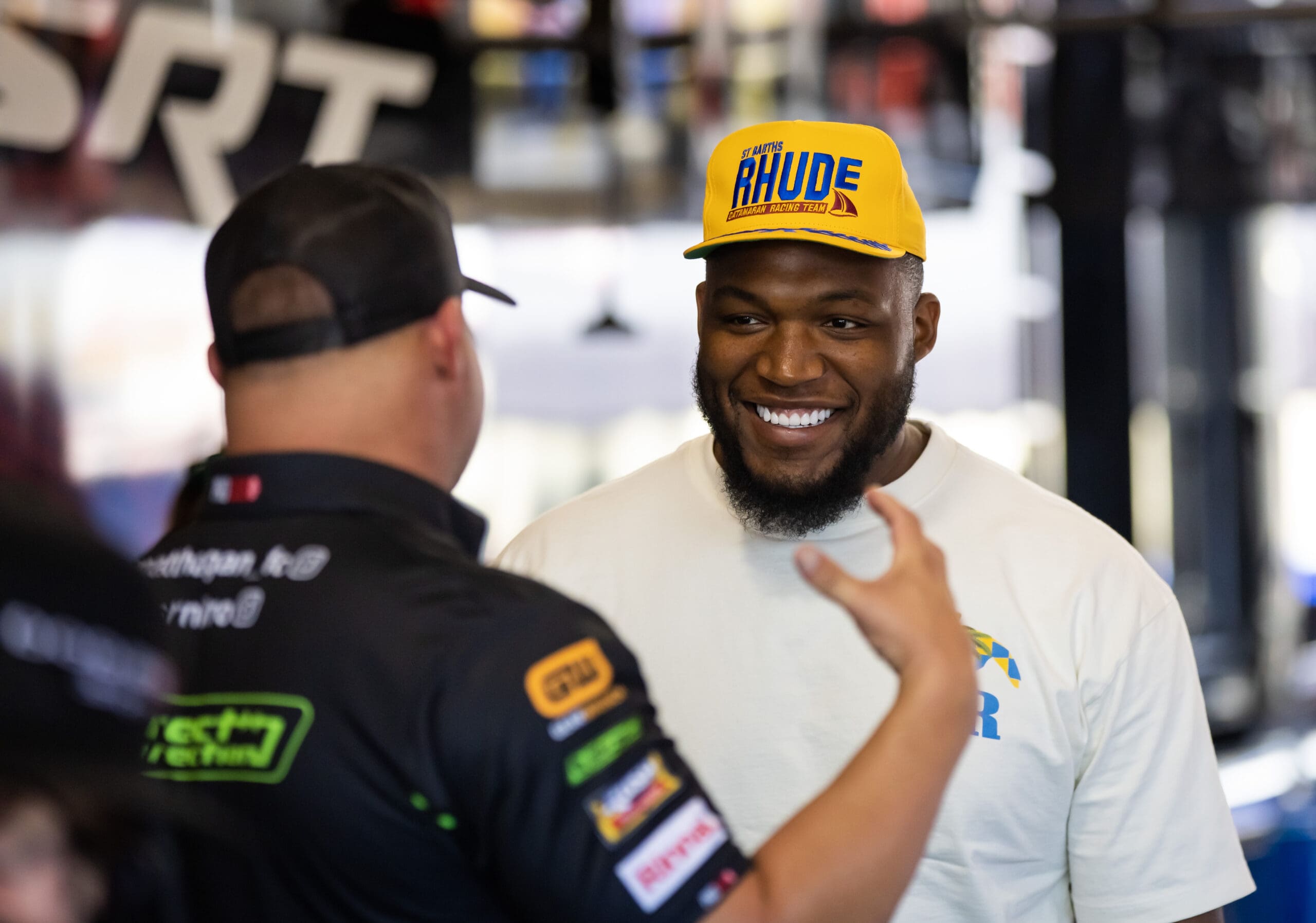
Apr 1, 2023; Pomona, CA, USA; Green Bay Packers defensive lineman Kenny Clark with NHRA funny car driver Matt Hagan during qualifying for the Winternationals at In-N-Out Burger Pomona Dragstrip. Mandatory Credit: Mark J. Rebilas-USA TODAY Sports
This is the second time Clark has received the team nomination. He was first selected in 2018. On Dec. 5, 2024, Packers President and CEO Mark Murphy acknowledged the decision in a statement released by the team.
“We are proud to nominate Kenny Clark for this prestigious award for the second time,” Murphy said. “A respected leader in the locker room, Kenny makes his presence known off the field, too. His commitment to the community, both in Green Bay and southern California, has only grown as he has excelled in his career.”
The star joined the NFL in 2016 and began using this opportunity as a medium to help youth. He further launched the Clark Family Dreams Do Come True Foundation. The organization aims to mentor young people and provide them with access to education, sports, and basic resources.
In July 2024, Clark hosted the eighth edition of the Kenny Clark Dreams Do Come True Football Camp in California. The camp welcomed many kids free of cost. Talented players and coaches joined him to teach football skills and life lessons.
In November 2024, the DL set up full Thanksgiving dinners for 250 families in Riverside, California. He also gave food packages to families in Wisconsin and celebrity dinners to the Boys and Girls Club of Greater Green Bay. He held coat and toy drives in the winter to help kids during the holidays.
Clark stays active in Packers outreach. He signed autographs to raise funds for the Salvation Army. Not only that, but he also visited kids at Children’s Wisconsin in Milwaukee. He helped the Brown County Pals Program, which pairs kids in foster care with mentors. Also, he joined the Packers Tailgate Tour and travelled across Wisconsin to meet folks and increase funds for local charities.
One cause remains closest to him. Clark supports kids with incarcerated parents. Plus, it also raises funds for Angel Tree, which provides Christmas gifts for kids of incarcerated parents. That season, the honor went to Arik Armstead, but Clark's impact can't be denied.
To invite Kenny Clark to any event, fans can visit the Mayfield Marketing website. You can also visit Kenny Clark's booking request page. Mayfield Marketing helps connect athletes with brands and organizations seeking to create meaningful, memorable events. You can also get a fresh update about his stats from Kenny Clark's athletic page and have service-related talks via Kenny Clark's service request page.
Kenny Clark has made an indelible impact in Green Bay as one of the NFL’s most reliable defenders. Acquired as the first round in 2016, he became a three-time Pro Bowler and a long-term engine for the Packers' defence. On Aug. 27, 2025, the Big D made him the centerpiece of the trade that sent Micah Parsons to Green Bay.
That move quickly changed how Clark would be judged. In Dallas, he was no longer measured solely by consistency. He was expected to take care of defense. Two months into the season, the Big D still ranked 29th against the run and last in points allowed. Clark’s effort remained strong, but the team's results created a new reality. That is how a Packers star became a Cowboys question mark.
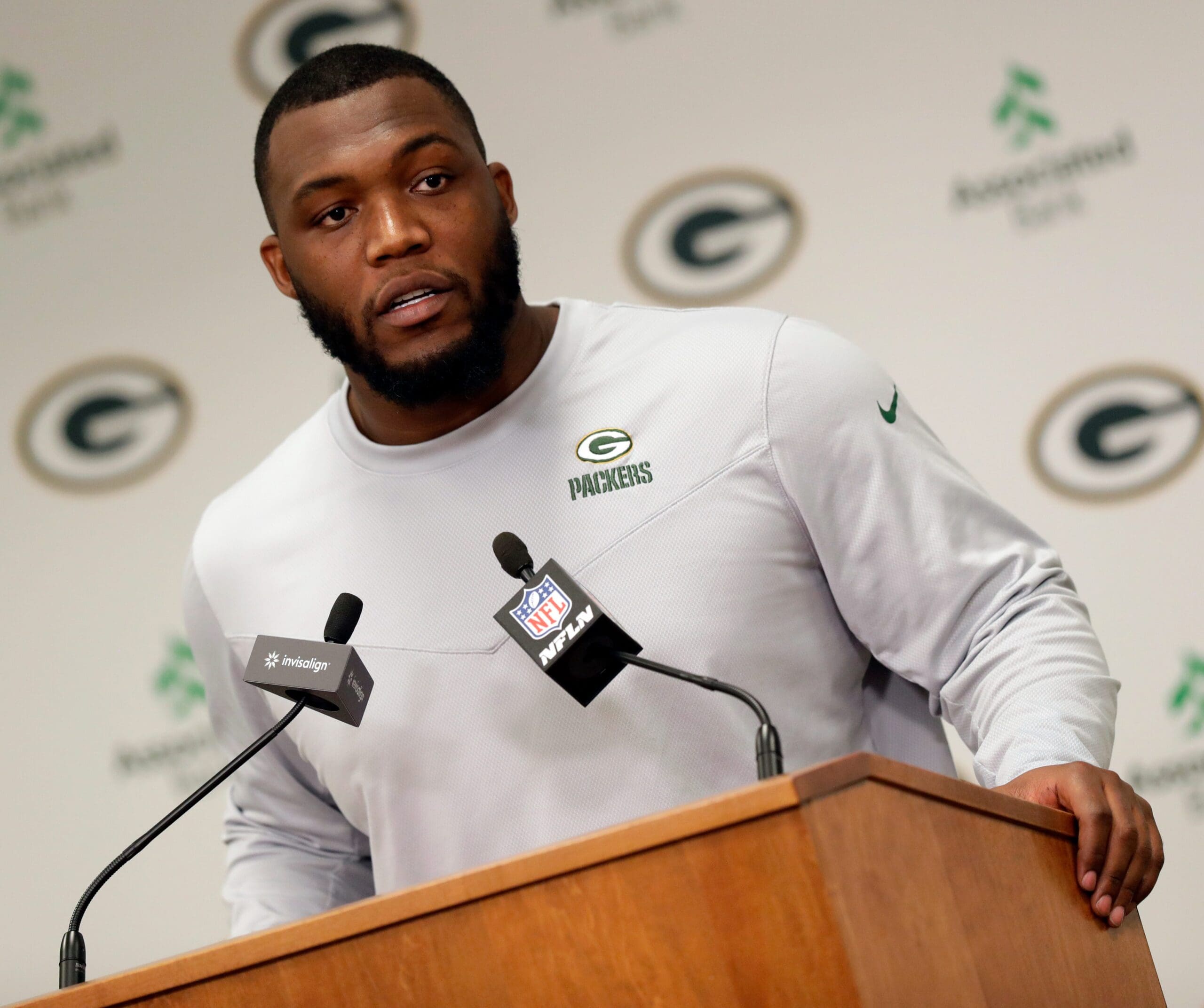
Big D did not acquire Clark for leadership alone. They believed he could stabilise the interior and force opponents to abandon the run. Owner Jerry Jones said the deal targeted the middle of the defensive line. While the overall numbers remain low, the internal data tells a deeper story.
Clark played all 17 games in 2025 and logged nearly 720 defensive snaps. He recorded three sacks, 15 pressures, and 29 run stops. Essentially, he faced a double-team rate of 64%, one of the highest among NFL DT. That constant spotlight freed LBs and edge rushers, even if the defence failed to capitalize consistently.
The star earned a 67.6 mark overall from Pro Football Focus. He hit 72.4 in pass rushing - good enough to land among the top quarter at his spot. Yet down low on running plays, he slipped to 53.7. One reason? Shouldering too much ground work behind a chaotic front setup.
Clark’s contract also shapes the debate. He carries a $21.5 million cap hit in 2026, but the Big D can move on with no dead cap. That makes him a pure football decision, not a financial one.
Inside the locker room, his value remains clear. After practice at The Star on Oct. 29, Clark said he felt supported by his teammates. HC Brian Schottenheimer praised his habits on October 25. DC Matt Eberflus said on October 14 that Clark’s discipline sets the standard. Teammate Osa Odighizuwa added on October 20 that Clark brings stability to the defensive front.
Clark is not declining. He is being asked to carry a reset. The star is no longer defined by where he came from, but by what he is helping build next.
To invite Kenny Clark at any event, folks can visit the Mayfield Marketing website. You can also visit Kenny Clark's booking request page. Mayfield Marketing helps connect athletes with brands and organizations seeking to create meaningful, memorable events. You can also get a fresh update about him from Kenny Clark’s athletic page.
LeRoy Butler did not just play safety. He changed what the job meant. Before him, safeties stayed deep and waited. After him, they attacked, covered, blitzed, and controlled games. The modern NFL safety exists because Butler proved the role could do more.
Every game day, fans watch hybrid defenders line up everywhere. They rush the passer, erase tight ends, and close space in seconds. That style did not appear overnight. It started with the Packers in the early 1990s with a quiet star who helped the team to grow.
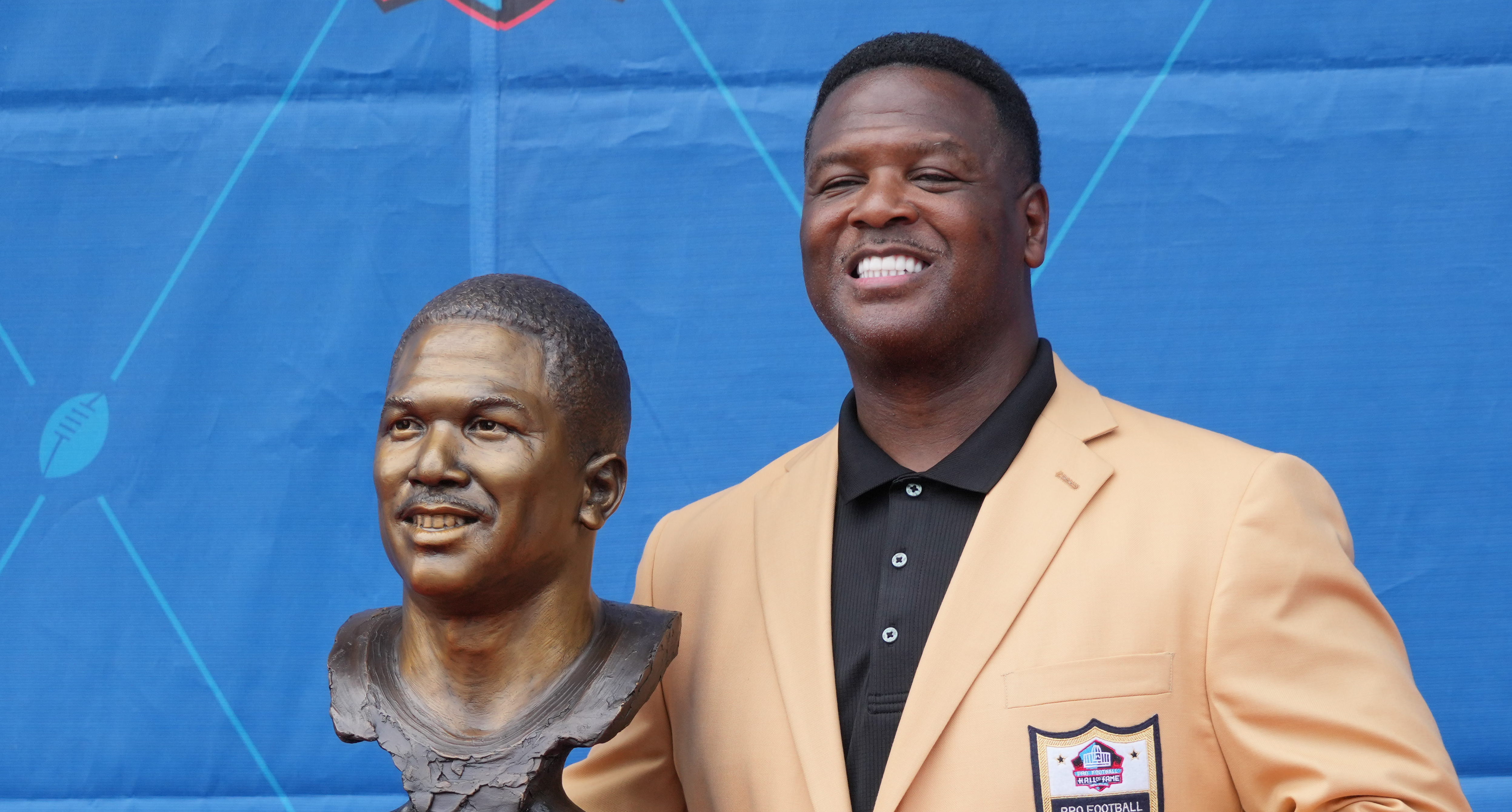
The Green Bay Packers acquired Butler in the second round of the 1990 NFL Draft out of Florida State. At that point, defenses still treated safeties as deep coverage players. Packers DC Fritz Shurmur feels something unique about the legend. He moved Butler across the field and gave him freedom to attack.
Butler lined up in the slot, dropped into deep zones, blitzed off the edge, and filled running lanes. Quarterbacks struggled to read him. By the time he hung up his cleats after the 2001 season, Butler had 38 interceptions and 20.5 sacks. No DBs in NFL history had reached both marks. That number alone explains why the position changed.
Back in the 1996 season, the star powered up the defense that carried Green Bay to a Super Bowl XXXI victory on Jan. 26, 1997, against the Pats. The Packers relied on disguised coverages and pressure from the secondary. That blueprint later spread across the league.
Apart from his contribution to D-line, the star also created a cult-favourite tradition. Back in Dec. 26, 1993, he leapt into the stands after a Reggie White fumble return vs. the Raiders at Lambeau Field. The Lambeau Leap became the league's most beloved tradition. It connected players and folks and showed how emotion could live inside discipline.
His impact still shapes today’s star safeties. Today's players like Derwin James, Minkah Fitzpatrick, and Tyrann Mathieu play roles that follow Butler’s footsteps. They cover and tackle without leaving the field. Coaches now design defenses around that flexibility.
When Butler was inducted into the Pro Football Hall of Fame in 2022, the honor confirmed his place in history. Modern safety did not evolve by chance. It evolved because LeRoy Butler forced the league to rethink the position. Every hybrid defender today plays in a system that exists because he proved it could work.
LeRoy Butler brings the steady presence he shows on every game day off the field. Mayfield Sports, the agency, works directly with the athletes to set up speaking events and streamline booking.
You can easily submit your request through LeRoy Butler's booking request page with Mayfield Sports. Mayfield Marketing helps connect athletes with brands and organizations seeking to create meaningful, memorable events. You can also get a fresh update about him from LeRoy Butler's athletic page.
Deommodore Lenoir did not leave Allegiant Stadium with a ring in 2024, but he left with respect across the league. In Super Bowl LVIII, the San Francisco 49ers' CB delivered one of the most elite performances of his career. Two years later, his night still stands as one of the most overlooked efforts from that stage.
Lenoir entered the game in strong form. During the 2023 postseason, he became one of San Francisco’s most reliable defenders in the slot. He logged 35 slot snaps against Green Bay on Jan. 20, 2024, and followed with 36 more in the NFC Championship vs. Detroit on Jan. 28. His fine instincts and control helped steady a secondary facing elite QB's.
But in the Super Bowl, his role shifted. Only two of his 78 defensive snaps came inside. The rest were on the outside, even though Kansas City’s offense attacked the middle of the field.
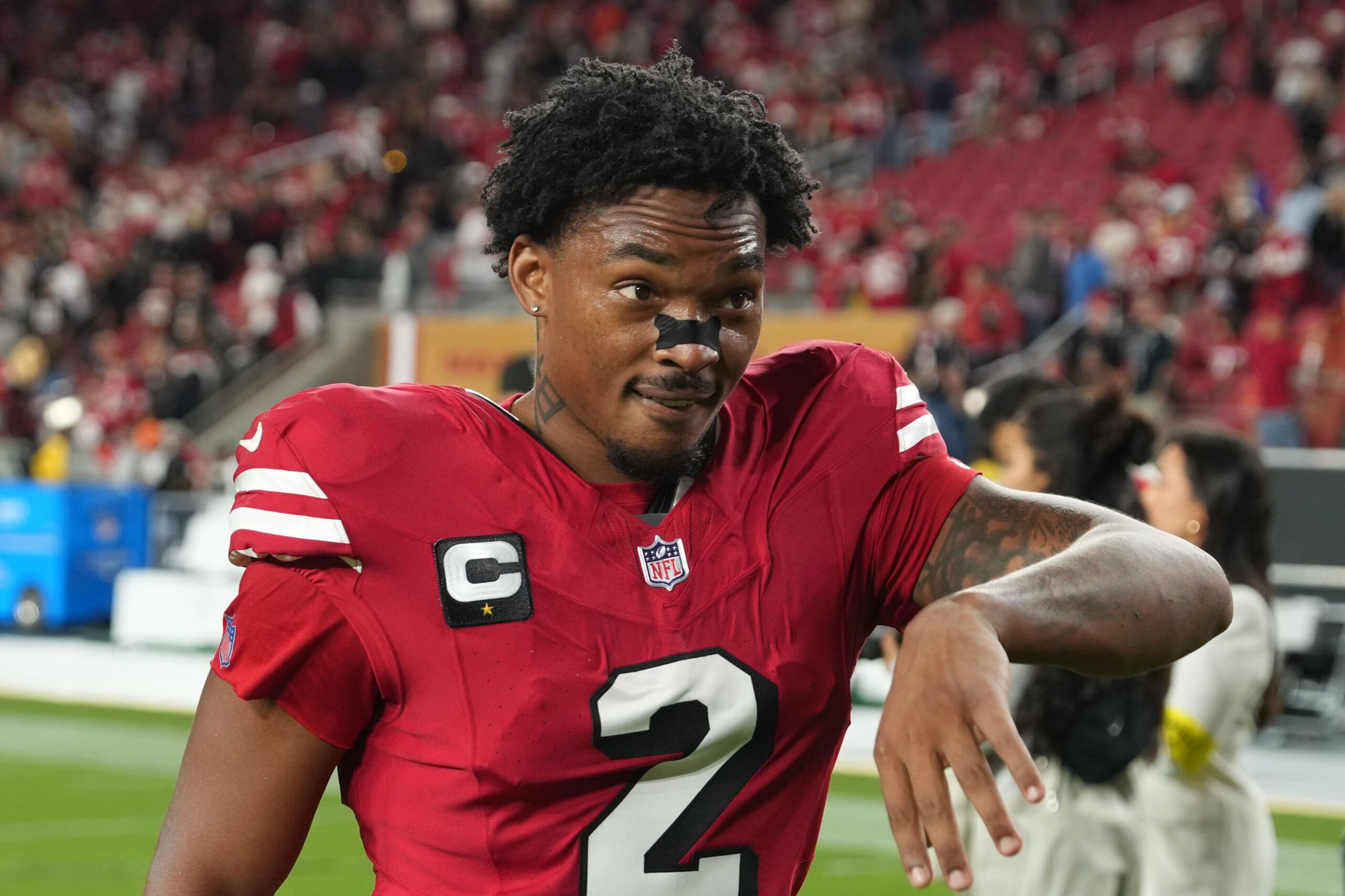
Oct 19, 2025; Santa Clara, California, USA; San Francisco 49ers cornerback Deommodore Lenoir (2) after the game against the Atlanta Falcons at Levi's Stadium. Mandatory Credit: Darren Yamashita-Imagn Images
Prior to the kickoff, Lenoir studied K.C.'s passing patterns and saw a clear trend. The Chiefs were not built to win with deep throws along the sideline. They moved the ball through tight ends, slot receivers, and quick routes between the hashes.
“I was just seeing where the ball was going,” Lenoir said on “The Richard Sherman Podcast on Aug 15, 2024. “It’s mainly between the hashes. It’s going to the slots. They don’t really got no dominant outside guy. I felt like I should be in the slot this game.”
What Lenoir meant was simple. He believed his strengths lined up with where the real threat lived. He was not questioning the game plan. He was trying to help the defense match up with the most dangerous area of the field.
Even while playing outside, Lenoir stayed locked in. He played 78 defensive snaps and remained sharp in coverage. Patrick Mahomes threw for 333 yards, but only 77 came outside the numbers, per Pro Football Focus. That shows how tight the boundary coverage stayed, with Lenoir doing his job.
The Chiefs’ production came through the middle. Travis Kelce drew 11 targets. Rashee Rice saw eight, with half of his snaps from the slot. That was the space Lenoir had flagged before the game.
Yet he never lost focus. He tackled cleanly, stayed in position, and limited big plays on his side.
After training camp practice back then, he said, “If we just finish in the fourth, we’d be Super Bowl champions,” he told reporters.
Two years later, that night still proves his value. It was not loud. But it was strong, steady, and built for the biggest moment.
Deommodare Lenoir brings the steady presence off the field that he shows on every game day. Mayfield Sports, the agency, works directly with the athletes to set up speaking events and streamline booking.
You can easily submit your request through Deommodore Lenoir's booking request page with Mayfield Sports. Mayfield Marketing helps connect athletes with brands and organizations seeking to create meaningful, memorable events. You can also get a fresh update about him from Deommodore Lenoir's athletic page.
The 1996 Green Bay Packers had a loaded defense. Big names filled every level. Still, one player kept showing up in the biggest moments. LeRoy Butler did not just play safety. He ran the back end, blitzed like a linebacker, and made game-changing plays all season. So the real question is simple. Was Butler the most important piece of that Super Bowl defense?
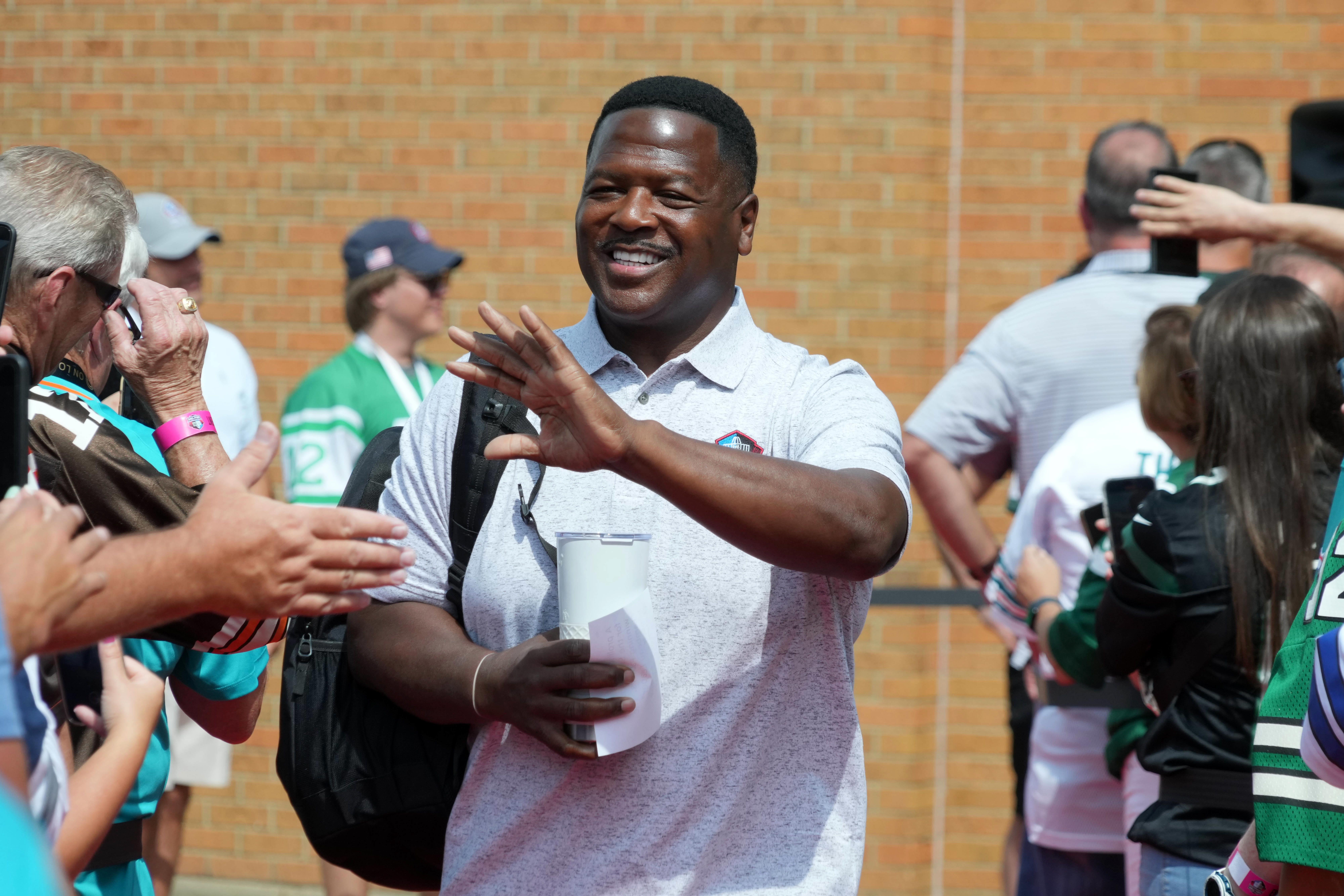
Aug 5, 2023; Canton, OH, USA; Leroy Butler arrives on the red carpet during the 2023 Pro Football Hall of Fame Enshrinement at Tom Benson Hall of Fame Stadium. Mandatory Credit: Kirby Lee-USA TODAY Sports
Not many teams have matched Green Bay's defense in 1996. Only 210 points slipped through their unit over fourteen games. Fewer yards than any other squad permitted week after week. A quiet dominance built on timing, pressure, and spacing. Numbers alone don’t capture how often the reset plays before they started.
That unit did not slow down in January. Green Bay allowed only 16 points per game in the playoffs on the way to winning Super Bowl XXXI. Now look at Butler's role inside that machine. In that season, he recorded five interceptions and 6.5 sacks, one of the highest sack totals ever by a defensive back.
Those numbers matter because they show range. Butler covered receivers deep, jumped routes, then walked up to the line and attacked quarterbacks. Few safeties in that era handled both jobs at a high level.
The structure of that defense explains why his presence carried extra weight. Reggie White dominated up front with double teams almost every snap, but Butler connected with the front and the secondary. He called adjustments, shifted alignments, and disguised blitzes before the snap. That flexibility let Green Bay confuse offenses week after week.
Another detail strengthens the case. The Packers held opponents to 10 points or fewer in nine regular-season games in 1996. That level of consistency usually comes from communication and anticipation in the secondary. Butler handled both.
That season's stats still tell part of the story. Five picks, his total, not only topped the roster but also anchored a defence that ended up number one against scoring and yardage alike. When one safety lead takes away and still produces sacks, he affects every drive.
This does not erase the impact of White, Eugene Robinson, or the front seven. That group was stacked. But importance is about who ties the system together. Butler’s versatility allowed Green Bay to shift from coverage to pressure without substituting. That saved time, disguised intentions, and forced mistakes.
So was LeRoy Butler the most important player on the 1996 Packers’ defense? The evidence leans yes. The unit ranked first in the league, and Butler supplied the glue. He created turnovers, generated pressure, and directed traffic. On a historic defense, he was the piece that made everything connect.
To invite LeRoy Butler to your speaking event, call Mayfield Sports to schedule the player for your corporate appearance or product promotion. Our booking agents will work on your behalf to get you the best price for your desired sports speaker. To know more about the player, visit Deommodore Lenoir’s athletic page. You can also visit LeRoy Butler’s booking request page and LeRoy Butler’s service request page.
Deommodore Lenoir does not play corner like a finesse guy. He plays it like a defender who loves contact. The 49ers leaned on him all through the 2025 season, and the numbers show he did more than just cover receivers. He finished the year with real production against the run and after the catch, which is where tackling corners earn their pay.
Oct 19, 2025; Santa Clara, California, USA; San Francisco 49ers cornerback Deommodore Lenoir (2) after the game against the Atlanta Falcons at Levi's Stadium. Mandatory Credit: Darren Yamashita-Imagn Images
Lenoir closed the season with 61 total tackles, including 39 solo stops, plus two interceptions across 17 starts. Those are not empty stats. For a starting outside corner, that level of tackling means he stayed active in every phase of defense.
San Francisco trusted him as its top corner after reshuffling the secondary, and he responded by staying on the field for heavy snaps all year. When a corner plays that many downs, offenses try to test him with screens, quick outs, and runs to the edge. Lenoir kept cleaning those plays up instead of letting them turn into chunk gains.
A good example came on Oct. 26, 2025, against Houston. The popular CB logged three tackles and grabbed an interception off C.J. Stroud, showing he could finish plays in space as well as make a takeaway. That kind of game is exactly what strong-tackling corners bring. They limit yards after the catch and end drives before they grow.
The bigger picture matters too. Lately, Lenoir's defense has stood out among teammates, so much so that he now leads the group when it comes to 2025. Year after year, his play stayed consistent - coaches noticed. They tend to pick guys who show up hard, know their job, stick to it. That fits him well.
What separates Lenoir from many coverage-first corners is his willingness to step downhill. He does not wait for safeties to clean up. He meets ball carriers early and keeps plays in front of him. That style shows up in the split between his total and solo tackles, indicating he finishes plays himself rather than just assisting.
Sure, he is known as a solid coverage defender, but it's the tackling that completes his profile. When your CB1 gives you 60 plus tackles in a season, your defense stays on schedule and avoids easy yards.
That is why Lenoir’s 2025 tape and stat line back the claim. He is not just covering receivers. He is ending plays, drive after drive, like one of the most reliable tackling corners in football.
To invite the CB Deommodore Lenoir to your speaking event, call Mayfield Sports to schedule the player for your corporate appearance or product promotion. Our booking agents will work on your behalf to get you the best price for your desired sports speaker. To know more about the player, visit Deommodore Lenoir’s athletic page. You can also visit Deommodore Lenoir’s booking request page.
Brett Favre gave NFL lovers a moment that still proves his greatness. He played wild, valiant football and never stayed away from the big stage. From Lambeau snow to prime time lights, Favre kept the matchup alive with power and a rocket arm. Here are some of the well-known moments.
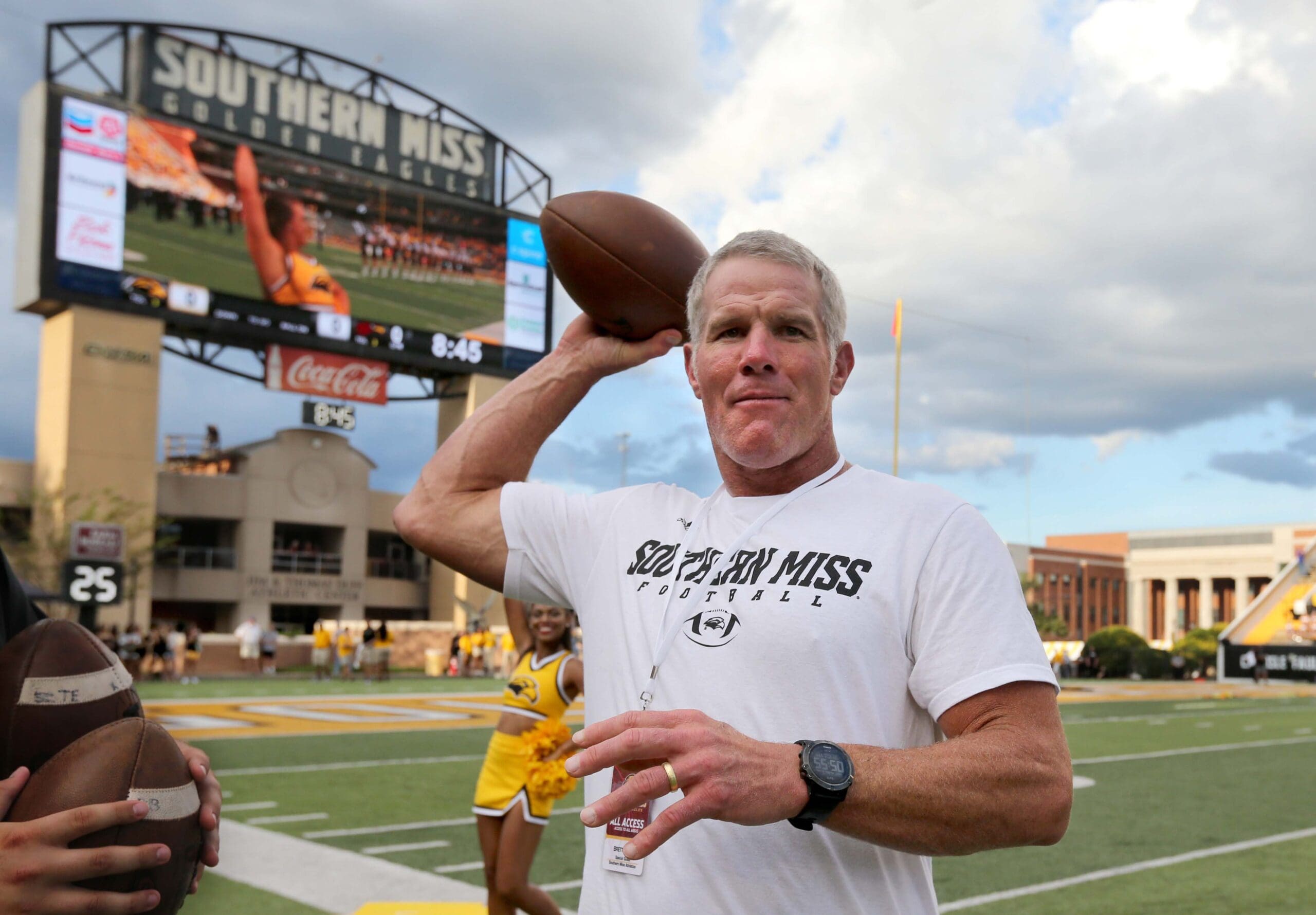
Sep 8, 2018; Hattiesburg, MS, USA; Hall of Fame quarterback Brett Favre warms up before the game between the Southern Miss Golden Eagles and the Louisiana Monroe Warhawks at M. M. Roberts Stadium. Favre played for Southern Miss. Mandatory Credit: Chuck Cook-USA TODAY Sports
Favre came into Oakland one day after his father, Irvin Favre, left this world. Many thought whether he should even suit up. He did more than show up. He threw for 399 yards and four TDs against the Raiders. The throws came fast and valiantly from the first drive. After the matchup at Network Associates Coliseum, the star said, “I knew Dad would have wanted me to play,” during the postgame interview on ABC’s Monday Night Football. That night turned respect into admiration across the league.
That Sunday in New Orleans, Green Bay built a solid gap on the Pats. Without wasting any time, the star gripped the ball and dashed to his right. Mid-stride, he lunged toward the pylon - two yards later, TD. Momentum swung hard when the scoreboard jumped to 27–14. Riding that wave, the Packers sealed it at 35–21. Mid-stride, he revealed who he really was. Not merely tossing sharp passes - instead, charging forward. The moment unfolded with intent.
Back in 1992, Favre entered in place of injured Don Majkowski vs. Cincinnati at Lambeau Field. Late in the matchup, he fired a 35-yard TD to Kitrick Taylor to seal a 24 to 23 win. His team saw the talent right away. Years later, HOF said during his 2016 Pro Football Hall of Fame speech in Canton, “I played the game like a kid in the backyard.” That night started a 16-season run as Green Bay’s starter.
On the first play of overtime at Invesco Field, Favre saw single coverage and let it rip. Greg Jennings streaked past the defense for an 82-yard TD. Game over. The strike ranks among the longest overtime touchdown passes in league history. After that, it pushed Green Bay to a 6 and 1 start and made a late-career rise.
Star began 297 straight regular-season games, 321 with playoffs. The streak finally ended for the Lions in the 2010 season finale. HC believed in him and believed him to show up every week. That run became his style more than any single throw.
Favre’s career mixed chaos with courage, and that is why these moments still stick. Big throws, bold runs, and stubborn toughness built a legacy that fans still debate every February.
Favre joins seven others from Green Bay’s Hall of Fame class on the NFL’s century roster - names like Hutson, Gregg, Hubbard, White, Lombardi, and Lambeau are already there. Though their time in Packers uniforms was short, Stenerud and Tunnel still made the cut, too.
To register for the speaking event with Brett Favre, visit the Mayfield Marketing website. And visit Brett Favre's booking request page. Mayfield Marketing helps connect athletes with brands and organizations seeking to create meaningful, memorable events. You can also get a fresh update about him from Brett Favre's athletic page.
Brett Favre did not look like a star chasing history. He just kept moving and throwing. On Dec 5, 2010, when his NFL career almost came to an end, the veteran had done something no QB had ever done before. He crossed 500 career TD passes. Guinness World Records later made it official. Favre became the first NFL quarterback to hit that number.
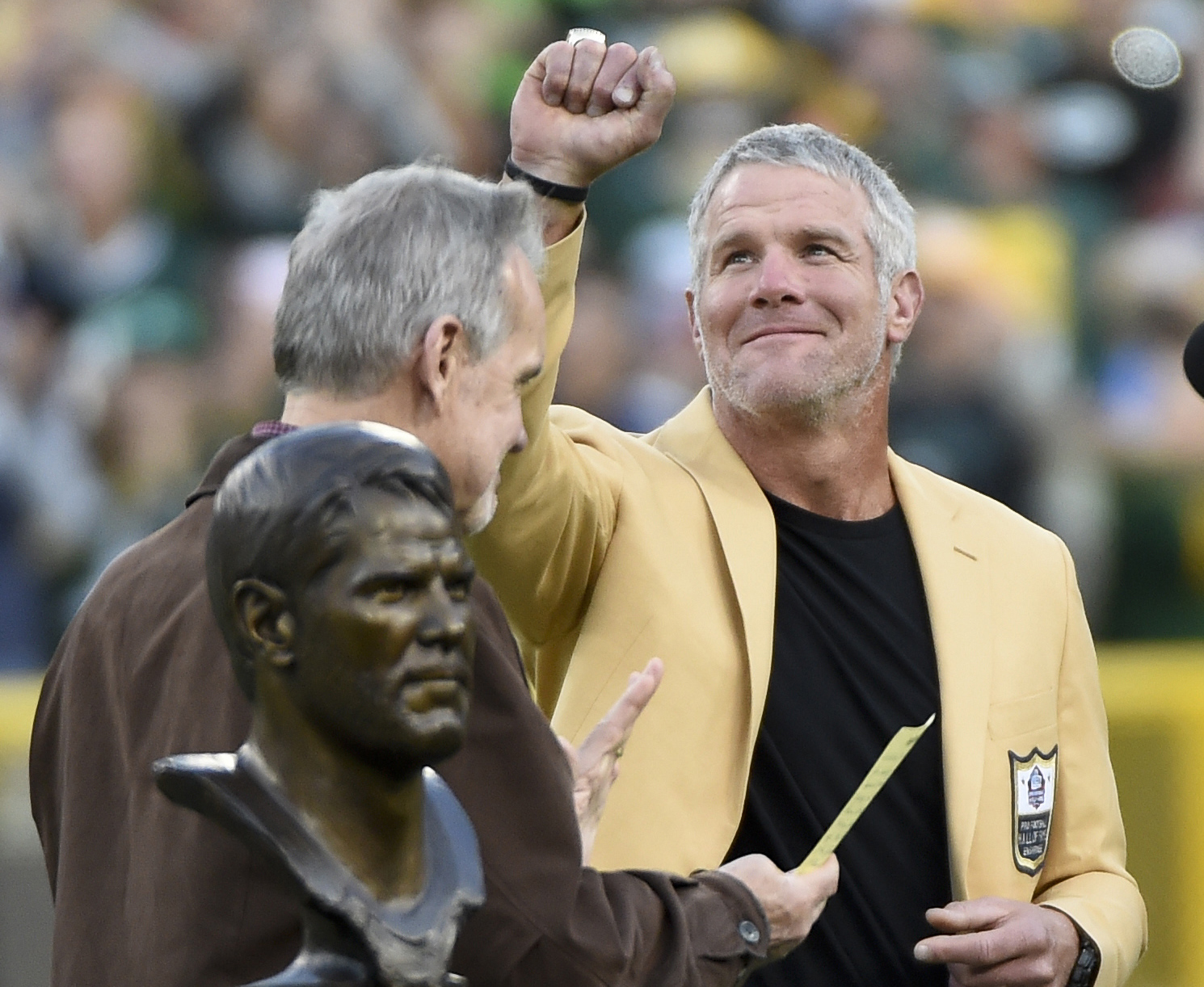
Favre’s NFL life started without any noise. He first hit the NFL in 1991 with the Falcons but found his true match with Green Bay. Everything changed on Sept 27, 1992. The star replaced injured QB Don Majkowski vs. the Cincinnati Bengals. There he threw a game-winning TD that night. He also never left the starting job again.
From that point on, HOF played like someone and kept the momentum going. He started 297 straight regular-season games from 1992 to 2010. Including playoffs, the number reached 321. No QB in NFL history has touched that level of caliber. That streak alone shows how the numbers kept stacking up.
Favre threw his 500th TD pass on Nov. 28, 2010, while playing for Minnesota. He finished his career a week later with 508 total TD passes. Guinness World later recognized him as the first NFL QB to hit the 500 mark. That moment locked his legacy into global sports history.
Favre became the first QB to hit 70,000 career passing yards. His final credentials settled at 71,838 yards when he stepped away. Over 6,300 passes found their mark, while throws exceeded 10,000 times. All of it grew from belief - coaches leaned on him. Teammates counted on his presence. Fans never doubted he’d be there.
Peyton Manning later broke Favre’s TD record in 2014. But that does not erase what Favre did first. He opened the door. He proved that durability still mattered in a violent league. Guinness did not honour Favre for being perfect. They honoured him for lasting.
Favre joins seven others from Green Bay’s Hall of Fame class on the NFL’s century roster - names like Hutson, Gregg, Hubbard, White, Lombardi, and Lambeau are already there. Though their time in Packers uniforms was short, Stenerud and Tunnel still made the cut, too.
To register for the speaking event with Brett Favre, visit the Mayfield Marketing website. And visit Brett Favre's booking request page. Mayfield Marketing helps connect athletes with brands and organizations seeking to create meaningful, memorable events. You can also get a fresh update about him from Brett Favre's athletic page.
Rise in the NFL often comes down to a strong mindset. Deommodore Lenoir’s journey with the 49ers shows how focus, preparation, and belief can turn a player into a key piece of a strong defence. His rise is not just a mere story. Instead, it is a clear instance of consistent growth.
Oct 19, 2025; Santa Clara, California, USA; San Francisco 49ers cornerback Deommodore Lenoir (2) after the game against the Atlanta Falcons at Levi's Stadium. Mandatory Credit: Darren Yamashita-Imagn Images
Star-CB came into the league as a fifth-round pick in the 2021 NFL Draft. He saw early action as a rookie but lost snaps late that season. That moment shaped him. Instead of self-doubt, he chose self-evaluation. On the 49ers Talk Podcast with NBC Sports Bay Area in June 2024, Lenoir said he had to look within, without making excuses, and work to become a player coaches had to keep on the field. That approach sparked real change.
During the 2022 break between seasons, the star packed up for Arizona, where film became a morning habit. Instead of skipping clips, he broke down defenders like Jalen Ramsey and Patrick Surtain II - also legends such as Darrelle Revis and Champ Bailey. Before each snap even happened, he trained himself to spot patterns in how teams lined up and routes unfolded. Because of that work, what showed up during games felt familiar, letting him react without slowing down come Sunday.
His coaches praise his rise with more responsibility. The 49ers asked him to play both outside corner and nickel, two roles that demand different skills and awareness. Lenoir embraced it. His comfort level showed late in 2022 and took another step forward in 2023.
Teammates saw it clearly. Speaking to reporters on Aug. 14, 2024, CB Charvarius Ward said Lenoir was playing at the highest level of his career and called him a playmaker both inside and outside. His stats support that praise. In the 2023 season, Lenoir had 3 interceptions and ten passes defended while handling heavy snaps at both positions.
That steady rise earned it. In Nov 2024, Lenoir agreed to a five-year extension with the 49ers, securing his spot as a core defender.
His path explains the title in full. Lenoir’s growth teaches that discipline, film study, and versatility can elevate a player’s career. He did not rely only on talent. He improved his habits, expanded his role, and became essential to one of the NFL’s top defences.
Deommodore Lenoir shows similar flashes and steady presence off the field that he shows every Sunday in the NFL. To bring Deommodore Lenoir to any special events, simply contact Mayfield Sports, his official booking and marketing representative. The company works directly with athletes to organise events and streamline booking.
To know about appearance cost or booking details, contact Mayfield Sports at 262.366.8188. You can also submit a request through Deommodore Lenoir's booking request page with Mayfield Sports. Mayfield Marketing helps connect athletes with brands and organisations seeking to create meaningful, memorable events. You can also get a fresh update about him from Deommodore Lenoir's athletic page.