
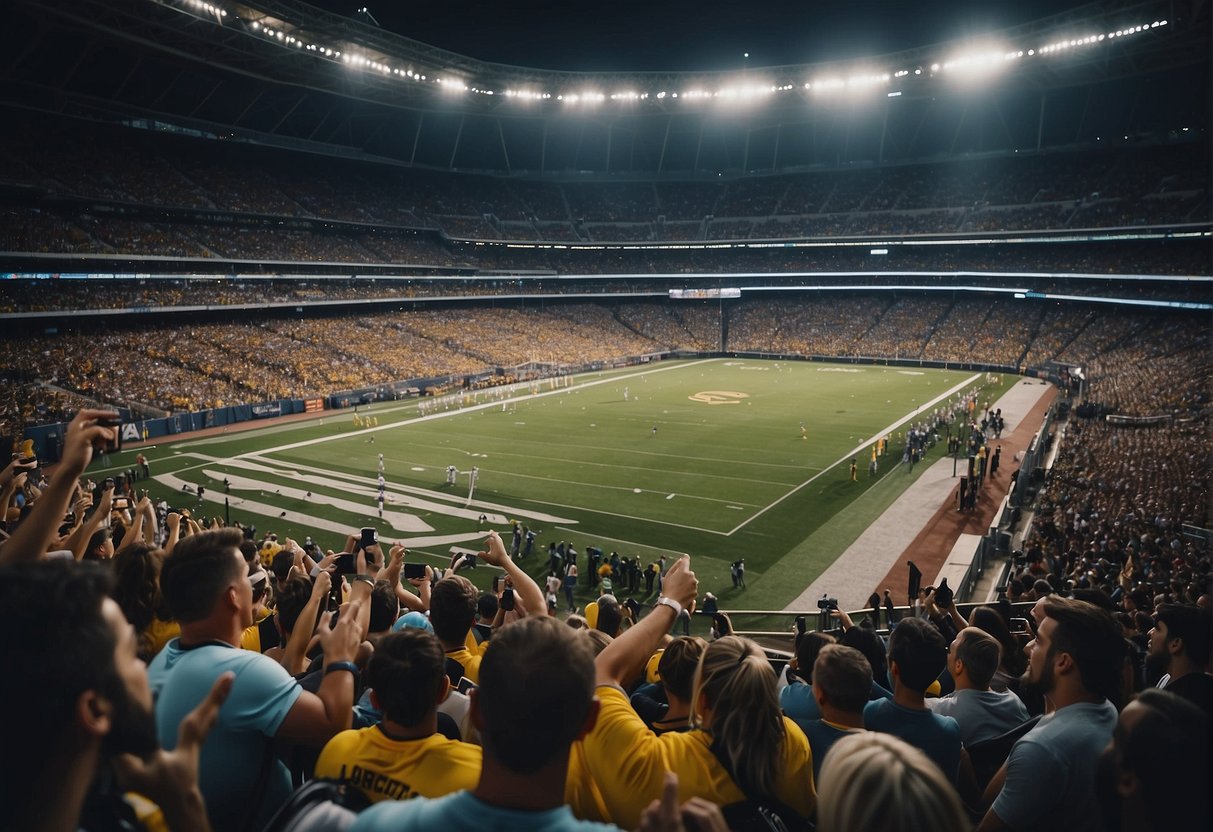
In addressing the impact of social media on sports, we observe a significant shift in how fans interact with their favorite teams and athletes, with platforms like Facebook, Twitter, and Instagram revolutionizing engagement.
We see that social media platforms have become integral to the sports fan experience. With real-time updates and behind-the-scenes content, fans have unprecedented access to their favorite teams and athletes. For instance, platforms enable fans to view live game snippets, participate in polls, and engage in game-related discussions, thus enhancing their overall experience.
Furthermore, special features like Instagram Stories or Twitter Moments serve as innovative ways to present game narratives, allowing fans to follow the action as it happens. The instant nature of these updates ensures fans are constantly engaged, nurturing their connection to the sport.
To thoroughly evaluate fan engagement, we refer to specific metrics and methods that provide insights into how effectively sports entities captivate their audiences on social media. Engagement rate and impressions stand out as key indicators of fan interaction and reach.
We leverage analytics tools provided by the social media platforms themselves or third-party software, enabling us to quantify engagement and understand fan behavior better. This data-driven approach guides sports speakers and marketers in crafting effective strategies for fan outreach and involvement.
We understand that in today’s digital world, an athlete’s presence on social media platforms such as Instagram has become an integral part of how they are perceived publicly. Effective branding and personalized content can significantly enhance an athlete's brand equity and cultivate a strong sense of loyalty among fans.
We recognize that social media offers athletes an unparalleled opportunity to build and control their personal brand. Athlete branding on platforms like Instagram involves a strategic blend of content that often highlights their professional achievements, personal life, and behind-the-scenes insights, which contributes to a more personable and relatable image. This personalization of content not only boosts their brand equity but also fosters a deeper connection with their audience.
Our analysis indicates that the content generated by athletes on their social media platforms can significantly influence fan loyalty. Content that fans perceive as authentic and relatable often strengthens their emotional investment in the athlete. By providing exclusive content that is not available through traditional media channels, athletes can enhance their fans' sense of belonging and loyalty.
By strategically leveraging their social media presence, athletes can effectively shape public perception and cultivate a loyal fanbase.
In this section, we explore how sports organizations harness social media for marketing efforts, establishing stronger bonds with fans and securing lucrative sponsorship deals.
We recognize the dynamic power of social media platforms in facilitating relationship marketing. Sports teams and leagues use networks like Twitter, Facebook, and Instagram to create a sense of community among fans, fostering engagement through regular updates and interactive content. By sharing behind-the-scenes looks and player insights, we build loyalty and encourage fans to become active participants in our sports narrative.
We've observed that social media amplifies the visibility of sponsors and advertisers associated with sports organizations. Platforms serve as a broadcast medium for brands to reach wider audiences through association with our teams and players.
In sports communication and management, social media plays a pivotal role in shaping perceptions and engaging with various stakeholders. We explore its profound impact on media coverage and strategies sport entities utilize for optimal social media management.
Social media has transformed the landscape of sports media coverage. Traditional outlets are no longer the sole source of information; fans now turn to platforms like Twitter and Instagram for real-time updates from football clubs and coaches. With social media research highlighting increased fan engagement, clubs curate their content to maintain relevance and connection with their audience.
This immediate and often personalized coverage creates a more dynamic and interactive media environment in the sport industry.
Effective social media management is critical for any sport entity looking to maximize its online presence. We've seen public relations teams within sports integrate social media as key components of overall strategy. Here's how they're successfully navigating the online space:
Strategies also include identifying the appropriate platforms for different stakeholders, using analytics for targeted campaigns, and ensuring a unified message is conveyed across all digital touchpoints.
In this section, we explore the significant academic insights into how social media interfaces with the sports industry. Our focus narrows on the contours of scholarly research and the prevailing research trends.
Literature reviews serve as a cornerstone for synthesizing existing research within sports and social media scholarship. A systematic review of articles from prominent publications, such as the International Journal of Sport Communication and Sport Management Review, provides a multidimensional understanding of social media's role. For instance, datasets extracted from Web of Science and Scopus indicate a positive correlation between social media engagement and athlete and team branding efficacy.
Research in sports-related social media is continually evolving. New studies highlight the importance of social media in shaping discussions and narratives within sports. These emerging trends are becoming a staple in social media scholarship, particularly noticed in recent volumes of the International Journal of Sport Communication.

When evaluating the trustworthiness of sports speakers, we must consider several key attributes. These attributes form the bedrock upon which their credibility rests. Knowledge and expertise are fundamental, as they directly impact a speaker's ability to provide accurate and insightful information.
Expertise in a sports domain infers a deep understanding and extensive experience within the field. This understanding is not only theoretical but often practical, acquired through direct involvement in sports at various levels.
Ethics play a crucial role in trustworthiness, involving the speaker's adherence to moral principles. An ethical speaker is committed to honesty, fairness, and integrity, which aligns with the expectations of the audience.
| Criteria | Description | Relevance to Trustworthiness |
|---|---|---|
| Knowledge | The speaker's grasp of sports-related facts and data. | High |
| Expertise | Practical experience in sports; professional insight. | High |
| Ethics | Moral principles guiding the speaker's delivery. | High |
Source credibility is a multifaceted concept that includes perceived expertise, trustworthiness, and attractiveness. We assess source credibility based on both the speaker's qualifications and the quality of their message. Perceived trustworthiness involves an audience's subjective assessment of a speaker, which can impact the persuasiveness of the message delivered.
Credible sources support the speaker's claims, providing a backbone to their arguments. References should be current, relevant, and from recognized authorities in the field.
In summation, the foundations of trustworthiness for sports speakers hinge upon a combination of their knowledge, expertise, ethics, and the credibility of their sources. A robust analysis of these elements fosters confidence in the trustworthiness of their message.

When we evaluate a sports speaker's trustworthiness, we focus on several key areas such as their character, expertise, and the evidence they provide. Our analysis also includes examining how they construct their arguments and appeal to the audience.
Character refers to the speaker's integrity and ethical standing, which is crucial in establishing trust. We look for consistency in their previous statements and any red flags that might suggest a lack of honesty. Regarding competence, it is imperative that the speaker has displayed sound judgment and skill in their field, which is evidenced through their achievements and recognition by peers.
A speaker's expertise and experience are fundamental to their credibility. We scrutinize their education, training, and depth of knowledge in sports. Experience, marked by years of involvement and roles in sports contexts, often correlates with a richer understanding of the subject matter.
In our assessment, the reliance on evidence is vital. We expect speakers to support their claims with factual data and verified statistics. The accuracy of this information is non-negotiable; it must be fact-checked and sourced from reputable databases or institutions.
Finally, we consider how well the speaker employs ethos, pathos, and logos in the construction of their arguments. Ethos addresses the speaker's credibility, Pathos involves the emotional connection with the audience, utilizing emotional appeals and linguistic markers, while Logos pertains to the logical structuring of their messages and the evident accuracy of their arguments.
In evaluating sports speaker references, we must consider several contextual factors that directly affect their credibility. These include the specific setting and environment where the speech is given, the level of engagement with the audience, and the underlying purpose and strategies used to persuade.
The setting in which a speaker delivers their message can greatly impact how it's received. For instance, a speech given at a formal award ceremony may carry different weight compared to one delivered on a social media platform. Venue and occasion often dictate the formality and expected decorum, influencing the trustworthiness assigned to the speaker.
Speakers might adapt their message to fit the venue, possibly employing advertisement techniques in a trade show versus informative, fact-based presentations in an academic environment.
Audience engagement plays a crucial role in establishing the speaker's credibility. When speakers foster a connection with their audience, they often appear more trustworthy. For example, employing facts that reflect similarity or shared experiences can bolster engagement.
Key strategies include:
Speakers adept at reading and responding to their audience's reactions are generally seen as more credible, as they demonstrate sensitivity to the context and the audience's needs.
Understanding the speaker's purpose and their persuasive strategies can shed light on their credibility. Whether the purpose is to inform, entertain, sell, or advocate for a cause affects how we assess their trustworthiness.
Persuasive elements often scrutinized:
When the intended purpose aligns with audience expectations and the environmental norms, the speaker's credibility is typically enhanced. Conversely, if a sales pitch is too aggressive or misaligned with the setting, it can undermine the speaker's trustworthiness.
When evaluating the trustworthiness of sports speakers, we hinge our assessment on meticulous research and the systematic use of interviews and questionnaires. These instruments allow us to exercise epistemic vigilance and affirm the credibility of the information provided by the references.
We begin with an intensive research process to examine the background and credentials of the sports speaker's references. This involves:
In our research, we emphasize corroboration with multiple sources to confirm the validity of the reference's claims.
Interviews and questionnaires serve as interactive tools that provide deeper insights into the references. Here’s how we make use of them:
We carefully design our questionnaires to be concise yet comprehensive, ensuring the questions are clear and the responses measurable.
In this section, we discuss the implementation of effective training programs to enhance the trustworthiness of sports speaker references, as well as the ethical obligations intrinsic to sports communication.
To ensure that sports speakers are trustworthy and reliable, we advocate for comprehensive training programs. These initiatives should focus on fostering a commitment to honesty in reporting and delivering sports references. Specifically, we emphasize the following:
Ethical considerations serve as the backbone of sports communication. We must uphold ethical standards to maintain the integrity of sports references. Our commitment to ethics in this domain involves:
By integrating these practices, we fortify the credibility and trustworthiness of sports communication.

Public perception plays a crucial role in the sporting world, influencing decisions from player selection to marketing strategies. We explore how spectators, surveys, and cultural factors impact sports at various levels.
Athlete selection often hinges on the actions and reactions of spectators. We observe a direct correlation between fan engagement and the visibility of certain athletes. Players who are favorably perceived by the public tend to receive more opportunities, as team selectors and managers prioritize crowd-pleasers to boost ticket sales and fan engagement. Our analysis shows that charismatic or standout players may be preferred over equally talented peers, especially when they command strong public support.
Empirical studies and surveys are key tools we use to gauge public perception in sports. By regularly analyzing data from these tools, we gain insights into fans' preferences and opinions. For instance, a survey regarding a player’s popularity can influence a speaker’s selection for a sports event. If the data suggests high public admiration, it can lead to more speaking opportunities for that athlete.
Culture and social influences are deeply embedded in sports and significantly shape public perception. We recognize that traditions, collective experiences, and societal values influence which sports are favored and how athletes are perceived. For example, in regions where football (soccer) is integral to the culture, players from this sport may dominate the speaker selection for events, as they resonate more with the audience’s cultural background.
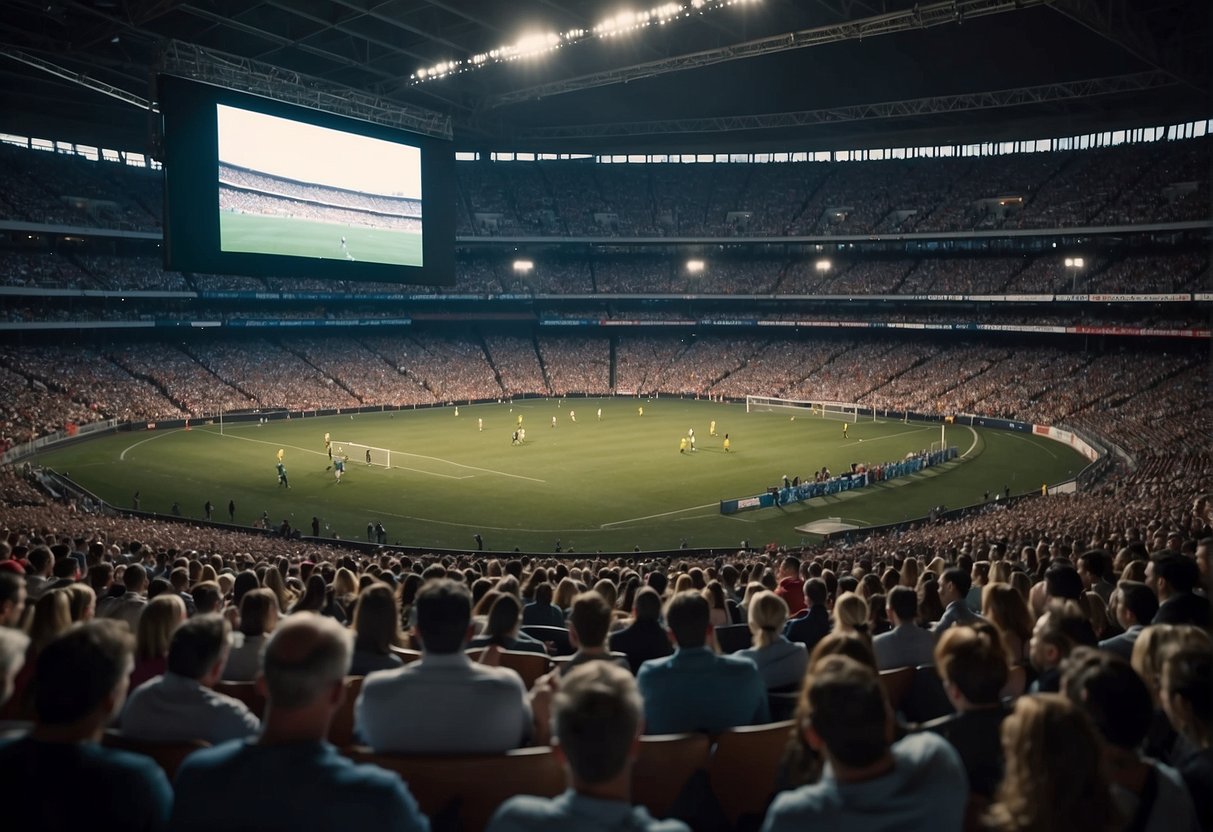
As we examine the symbiotic relationship between sport and society, it is essential to consider how various social factors influence the world of sports and, conversely, how sports impact these domains.
In sports, race and occupation play pivotal roles in shaping athletes' perceptions and opportunities. Tables highlighting demographic representation in different sports illustrate disparities, emphasizing the need for diversity and equity. For instance, professional coaching positions are frequently scrutinized for racial inequality, where minority coaches often confront glass ceilings despite their qualifications.
Likewise, the sports industry is a microcosm reflecting broader occupational trends, wherein racial minorities often grapple with unequal pay and opportunities.
Family life and leisure are critical components in the lives of athletes; they must negotiate the demands of their profession with their personal lives. The balance is intricate as public scrutiny on the family-friendly image can become a determining factor for speaker selections at events, fostering civic pride through role-model imagery.
These activities not only promote the athlete’s public image but also provide crucial leisure and bonding time with families, reflecting a balance that resonates with the audience.
Sporting events deliver significant public goods and positive externalities, influencing their societally perceived value. These events catalyze community engagement, economic boosts, and health awareness. A bulleted list further clarifies these contributions:
The outcomes reinforce civic pride and present an opportunity for cities to showcase their unique cultural identities, furthering the sports-society nexus.

In the realm of sports, the selection of speakers is integral to promoting ethical standards and integrity. We see that addressing key issues like doping and corruption, as well as ensuring fair competition and trust, are critical.
We are well aware that doping and corruption undermine the very foundation of sports. The selection of sports speakers plays a pivotal role in combating these practices.
Fair competition is the bedrock of any sporting activity. Trust, on the other hand, is what binds participants and spectators to the sporting world.
By upholding these values in our speaker selection, we not only contribute to the positive development of sports but also inspire athletes and audiences to strive for betterment in a fair and honest manner.
In selecting sports speakers, we harness advanced methodologies to ensure decisions are backed by solid evidence and predictive models.
Logistic Regression Modelling stands as a cornerstone in our selection process. We use this predictive analysis technique to identify the probability of a speaker's success based on previous engagements and a host of quantitative factors. By inputting variables like speaking experience, audience reception, and topic relevance, we generate a model that gives us an empirical basis for our decisions. This model is continually refined as new data becomes available, ensuring our learning process is dynamic and ongoing.
We place great importance on the insights gleaned from systematic reviews. These thorough analyses give us a panoramic view of existing research, which includes the impact of speakers on audience retention and satisfaction rates. Through careful synthesis of this literature, we identify patterns and benchmarks for what makes an effective sports speaker.
Furthermore, semi-structured interviews with experts play a pivotal role. We conduct these interviews to tap into the nuanced understanding of seasoned professionals. The conversations are structured to allow for flexibility, which means we can explore unforeseen topics that emerge, thus enriching our selection framework with qualitative data.
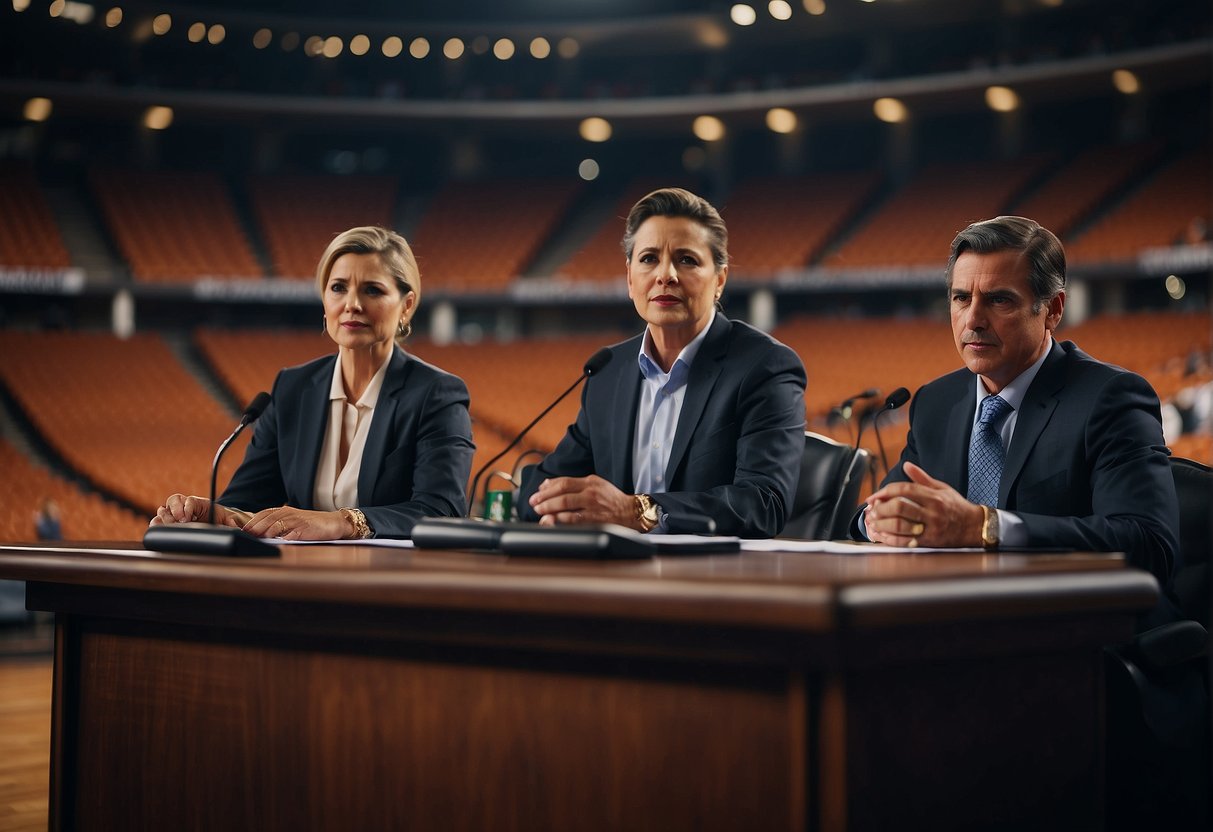
When considering sports speakers for an event, we focus on their ability to inspire and engage audiences with their unique insights and experiences.
Influential athletes have a range of qualities that make them ideal sports speakers. Firstly, inspirational ability is crucial; it's their capacity to ignite the spark of motivation in others. We examine their leadership skills, as leading by example is a key trait that resonates well with audiences. Moreover, athletic speakers with a solid track record of consistent performance tend to have a treasure trove of experiences to share.
Communication skills are also essential — being able to articulate thoughts and stories in a manner that captivates listeners. We assess their previous speaking engagements and the feedback they’ve received to get a sense of their effectiveness.
Finally, we consider the relevance of their stories and lessons to the specific audience in question. This alignment is critical for the impact of their keynotes.
Sports speakers fulfill a unique role in engaging audiences. Their stories often involve themes of overcoming adversity, which can lead to powerful audience connection. We evaluate how well speakers use their personal narratives to not only entertain but also impart practical takeaways.
Their ability to function as a keynote speaker hinges on drawing in the audience with a narrative that showcases their journey, challenges, and successes, while emphasizing the universality of those experiences. We look for speakers who can tailor their message to amplify audience engagement; those who understand the needs of their audience tend to excel.
In addition, we recognize that the manner in which sports speakers carry themselves on stage — their stage presence — is a key factor in maintaining audience interest and can greatly enhance the message being delivered. Their adeptness at employing gestures, tone variations, and pacing contributes significantly to engagement levels.

In this section, we explore the heights of sportsmanship through celebrated careers and notable victories, alongside profound stories of perseverance and resilience in the face of adversity.
Olympic Gold Medalists: We have witnessed numerous athletes reaching the pinnacle of their sports. For example, in gymnastics, individuals display a combination of strength, agility, and intricate control to secure gold medals. Their journeys are a testament to their dedication and skill.
Super Bowl Champions: The NFL has provided a stage for remarkable talents to emerge as champions. Being crowned a Super Bowl Champion signifies achieving one of the greatest honors in the sport, reflecting both individual brilliance and successful teamwork.
World Champions in Figure Skating: The grace and technical expertise required to triumph on this icy stage are immense. World Champions in figure skating combine artistry with athleticism to create performances that resonate beyond the rink.
WNBA Victories: Women's basketball showcases athletes who excel in teamwork, strategic gameplay, and explosive athleticism. WNBA players earning championship titles represent the pinnacle of success in the sport.
Paralympic Medalists: We recognize the extraordinary determination of Paralympic medalists who compete at the highest level. Their achievements in sports like long jump or mountaineering epitomize resilience and the human spirit's capacity to overcome obstacles.
NFL Players' Comebacks: The stories of NFL players who have returned from injury to reclaim or even surpass their previous form are a compelling narrative of perseverance, providing inspiration to both fans and fellow athletes.
Mountaineer's Miracles: Mountaineers face some of the most formidable natural obstacles, yet their successful ascents are a powerful reminder of human potential and endurance.
Gymnast's Perseverance: The world of gymnastics is not without its challenges, but seeing a gymnast return to competition after injury or personal hardship fulfills the true meaning of perseverance.

When we consider potential sports speakers for events, we focus on how their industry expertise and personal athletic experiences can deliver impactful and motivating messages to the audience.
Speakers with a sports background often bring a depth of industry insights that resonates well with audiences. For instance, when a former NFL player takes the stage, they don’t just recount tales from the field; they share lessons in leadership, perseverance, and strategic thinking. These narratives are backed by a history of personal achievements and challenges they've overcome, providing authentic examples of motivation and impact. When a sports motivational speaker incorporates their own story, it lends credibility and engages listeners on a profound level.
Using a motivational speaker from a speakers bureau, who might also be an author or even a best-selling author, enhances the relevance of the speech. Their published work often reflects a compilation of research and experiences that educate the audience while also inspiring action and conveying a clear vision for success.
Diverse athletic backgrounds provide a broader perspective that adds value to keynote speeches. Medal winners bring a perspective of achieving top honors at peak competition levels, translating their rigorous training and mindset into life and business principles. For example, an Olympic gold medalist can articulate the drive and discipline required to reach such an esteemed accomplishment.
In contrast, a cancer survivor who has competed in sports adds an emotionally compelling layer to the discussion about adversity and resilience. Their experiences go beyond physical achievements, delving into personal battles that highlight their unyielding spirit. This can motivate and educate an audience on the parallel challenges in life and work, emphasizing the principles of pushing through obstacles and maintaining focus on long-term goals.
In selecting sports speakers, we recognize that their ability to connect with the audience is as crucial as their achievements in the field. The ways in which they engage and inspire fans through relatable narratives and effective communication can profoundly impact personal growth and motivation.
To engage diverse groups, we focus on tailoring our approach to address varied interests and backgrounds. This involves:
By strategically addressing these aspects, we can ensure that our speakers inspire and motivate every member of the audience.
Sporting personalities who share personal stories that echo fans’ experiences forge a strong connection. We facilitate this by:
Through these narratives, our motivational sports speakers not only captivate fans but also inspire them towards their own personal victories.
To ensure the success of a corporate event, it's crucial to prioritize speaker selection and awareness of industry trends within the confines of the event budget.
When we prioritize selecting the right speaker, we consider the financial parameters set forth. Budget allocation is a critical step, as it influences the range of speakers we can engage. A step-by-step approach to speaker selection within budget includes:
To remain ahead in the corporate event sphere, we actively track and integrate trends and futurist insights:
By carefully applying these practices in our planning, we own the responsibility to host a successful and influential corporate event.
Awards in sports are not just trophies that gather dust on the shelves of accomplished athletes; they hold a profound significance. They are a recognition of achievement, a marker of excellence in a field where hard work is paramount. As we acknowledge these accolades, we recognize the contributions of sports speakers who elevate the game by motivating and inspiring both peers and fans.
Accomplishments in sports are often measurable—fastest times, highest scores, most points. But when sports speakers receive sports awards, it's a nod to the intangible elements they bring to the field: leadership, perseverance, and the fostering of a positive culture within their teams.
Awards serve to:
A table illustrating common types of sports awards and their significance:
| Award Type | Significance |
|---|---|
| MVP Awards | Highlights individual excellence in a sport. |
| Championships | Marks the success of a team's collective effort. |
| Hall of Fame | Honors a lifelong contribution to a sport. |
| Sportsmanship | Recognizes integrity and fair play. |
These accolades are not simply about celebrating past achievements; they are about setting a benchmark for what we can aspire to in the future. By acknowledging the commitment and success of sports speakers and athletes, we nourish the roots of an aspiring community and uphold the value that sports bring to society.

Award ceremonies are complex events that require meticulous planning and a clear understanding of the criteria for selecting recipients. They are pivotal in honoring sports speakers for their achievements and contributions.
We acknowledge that the success of an award ceremony hinges on careful planning and execution. Key elements include:
The heart of a sports award ceremony is the presentation of honors to deserving individuals. This process involves:
Sponsors and organizing bodies play a crucial role in facilitating awards ceremonies. They are involved with:

Crafting a memorable speech, especially within the context of an award acceptance, involves a strategic blend of content and delivery. We'll explore the key ingredients that together create a resonant message, capable of inspiring and acknowledging all stakeholders involved.
In sports, leadership is often synonymous with motivation and tact. We see awards and recognitions as more than mere accolades; they serve as pivotal tools for inspiring teammates and staff. When a sportsperson is honored with an award, it has a multifaceted impact.
In our experience, these milestones enhance motivation. By recognizing individual efforts within the sporting realm, we build a culture where motivation is interlinked with success. Awards prompt others in the team to strive for excellence, boosting overall engagement and commitment.
We also recognize the educational aspect of awards in sports. To be a recipient, one not only excels in performance but also often embodies the following:
| Leadership Traits | Importance |
|---|---|
| Strategic Thinking | Essential for understanding team dynamics |
| Effective Communication | Vital for articulating goals and feedback |
| Emotional Intelligence | Crucial for managing stress and morale |
These awards teach staff and upcoming sports speakers about the valuable overlap between sportsmanship and leadership. Through acknowledgment, we inculcate a higher standard in sports education—an amalgamation of athletic skill and the art of leading.
We remain committed to this approach, confident that it is through such strategic engagements that we carve pathways for future leaders in sports.

When selecting sports speakers, we recognize that testimonials and endorsements are critical tools in sports marketing, engaging audiences and adding credibility.
Testimonials are a powerful form of social proof in sports marketing. They are personal accounts, typically positive, describing the experiences of a user or audience member. Testimonials from fans, participants, or local sports enthusiasts can boost a speaker's reputation, showcasing the impact of their words and presenting relatable success stories. Our aim is to gauge the authenticity and the resonance of these testimonials with the intended market.
For instance, consider a table comparing various types of testimonials:
| Type of Testimonial | Source | Impact |
|---|---|---|
| Fan Experience | Event attendees | Personal appeal, builds relatability |
| Peer Evaluation | Fellow athletes | Professional credibility |
| Corporate Praise | Sponsoring companies | Business endorsement, shows reach |
When we examine endorsements, there's a distinct difference between celebrities and expert endorsers. Celebrity endorsements feature prominent figures like athletes or entertainers who use their fame to attract attention to a speaker. Compared to testimonials, their endorsement can instantly heighten visibility and spark interest due to their mass appeal.
| Endorser Type | Primary Trait | Likely Influence |
|---|---|---|
| Celebrity | Fame | Attracts broad audience, may not seem genuine |
| Expert | Credibility | Engages niche audience, provides authority |
Expert endorsers, on the other hand, hold recognized authority in their domain. An endorsement from a well-respected coach or sports psychologist carries weight because of their expert knowledge, potentially influencing decision-makers more effectively by emphasizing substantive qualifications over star power. We prioritize aligning the right type of endorser with the speaker's niche to optimize the influence on our target audience.

In evaluating testimonials and endorsements of sports speakers, we must be vigilant to ensure going beyond ethical practices into full compliance with legal standards. Misrepresentation not only undermines trust but could place an entity at risk of legal repercussions.
The Federal Trade Commission (FTC) rigorously administers the FTC Act to protect consumers from deceptive advertising. As part of this, the Revised Guides concerning the use of endorsements and testimonials mandate that an endorsement must reflect honest opinions, findings, beliefs, or experiences. Advertisers and endorsers are required to disclose any Material Connections that might affect the weight or credibility of the endorsement. An interplay of substantiation, fairness, and accuracy governs the compliance with these guidelines, emphasizing the obliteration of any deceptive practices in sports endorsements.
Sports speakers should avoid making claims about a brand or product that are false or cannot be substantiated, thus maintaining fairness in advertising and limiting potential liability.
Disclosures provide critical transparency. The FTC stipulates that if there is a material connection between an endorser and the advertiser that might materially affect the credibility of the endorsement, such connection should be conspicuously disclosed.
We ensure that our sports speakers understand the importance of these disclosures to avoid implications of false advertising. Our goal is to uphold the principles of fairness and compliance, thereby safeguarding both their integrity and the interests of the consumer.

When we talk about endorsements in the world of sports, our campaigns need to be constructed with precision and care. We target specific social media platforms and emphasize messages that are both honest and substantiated for maximum impact and credibility.
We start by identifying the most influential social media networks where our target audience spends their time. Instagram and Twitter are prime examples, serving as powerful online platforms that can amplify our endorsement campaigns. We utilize these networks to connect with our audience, using the following approaches:
Our responsibility is to ensure that all of our messaging is truthful and substantiated. To do this, we undertake the following:
By adhering to these principles, we strengthen trust with our audience and solidify the legitimacy of our brand partnerships.
In this section, we focus on understanding how endorsements influence consumer behavior and product sales through meticulous data analysis, utilizing both qualitative methods and quantitative metrics.
We track changes in consumer behavior following endorsement deals by examining sales data. Consumer purchase trends pre and post-endorsement are contrasted to gauge any shifts in buying patterns. Here's an approach to our data analysis:
By setting up the data this way, we can directly attribute variations in sales to the impact of the sports speaker's endorsement. Higher sales post-endorsement suggest a boost in brand equity and purchase intention due to the speaker's influence in the marketplace.
Utilizing qualitative methods, we collect consumer feedback, interpret sentiment, and analyze the contextual factors influencing the effectiveness of endorsements. Key steps include:
We combine these qualitative insights with quantitative sales data to form a holistic picture of endorsement impact. This fusion of data helps us understand not just the what and how much, but the crucial why behind consumer actions. Our data analysis reveals the nuanced ways endorsements shape purchase intentions and marketplace dynamics.
The landscape of digital endorsements is rapidly evolving with the integration of AI and the emergence of virtual influencers. It's essential for us to stay cognizant of how this affects sports speakers and their testimonial value.
Virtual influencers are becoming prominent figures in online advertising. They are AI-generated personalities who, unlike traditional influencers, can be completely controlled by the brands they represent. This control allows for a consistent message and brand alignment. However, it raises questions about authenticity and consumer deception. As such, we find it imperative to thoroughly vet these entities before involving them in endorsements.
To regulate the rapidly expanding domain of digital endorsements, we follow guides concerning the use of endorsements and testimonials in advertising. This involves ensuring transparency in all online campaigns. Our athletes and sports speakers are held to strict standards to disclose relationships with brands, including any compensation received for endorsements.
In shaping our network of sports speakers who participate in blogs and other social media platforms, our goal is to foster trust and authenticity. With the acceleration of digital endorsements, we are continuously evolving our practices to stay ahead of trends while ensuring that our audience receives genuine and reliable content.
When selecting sports speakers, their credibility is paramount for ensuring they are received positively and regarded as authoritative figures by the audience. In sports, credibility is often a blend of trustworthiness, expertise, and demonstrated athletic experience.
Credibility is the audience's perception of how trustworthy and knowledgeable a speaker is on a given subject. Authority in the context of sports is grounded in a speaker's formal standing or recognition within the sports community. This could include coaching certifications, formal education, or positions held within sports organizations. Our goal is to align these concepts to affirm the speaker's ability to engage and inspire.
To measure trustworthiness, we assess aspects such as the speaker's honesty, integrity, and character. Expertise refers to the speaker's skills and knowledge level, which includes:
These elements combine to shape a speaker's professional profile and influence audience trust.
An athlete's experience and knowledge are indispensable to their credibility. A speaker with a history of participation or achievements in sports possesses an intrinsic authenticity that resonates with an audience. We examine:
We emphasize these attributes to bolster the speaker's standing as an expert, ensuring their message carries weight.
In sports speaker selection, our credibility hinges on the strength of the content we present. We achieve this by grounding our talks in substantial insights, rigorous data, and compelling narratives.
Our content is enriched by valuable insights and real-world case studies. We dissect pivotal moments in sports history, detailing:
Each case study is a testament to our deep understanding of the sporting industry. By sharing these nuanced accounts, we not only demonstrate our expertise, but also equip our audience with practical knowledge.
Research and data form the backbone of our credibility. We incorporate findings from:
Our goal is to provide an empirical foundation that reinforces the relevance of our insights. By doing so, we present ourselves as well-informed and trustworthy experts who value accuracy and detail.
Statistics are a powerful tool in our storytelling arsenal. We use them to:
| Enhance | Example |
|---|---|
| Clarity | "Player X’s batting average improved by Y%" |
| Impact | "Team A’s strategy reduced errors by Z%" |
However, we're careful to ensure that these numbers are woven seamlessly into our narrative, adding weight to our words while keeping the audience engaged and informed.
We understand that the essence of a successful sports speaker selection lies in the ability to captivate and maintain the audience's attention. Our focus is on tailoring communication strategies to resonate with the audience’s demographics and emotions, sharing core values to establish common ground, and fostering interaction to build a strong rapport.
In engaging an audience, we prioritize the comprehension of their demographic makeup – age, gender, cultural background, and interests. This understanding allows us to tailor our language, references, and examples in a manner that resonates deeply. Additionally, by acknowledging and addressing their emotions – whether it’s excitement, curiosity, or passion for sports – we can make our communication more impactful and memorable.
To establish a strong connection with the audience, it is vital we display a set of shared values. Sports often revolve around themes like teamwork, perseverance, and fair play – principles that transcend the sports arena and appeal to a wider audience. By highlighting these common values, we bridge gaps and foster a sense of unity and understanding.
The cultivation of rapport goes beyond merely speaking to an audience; it involves two-way communication. We engage in interactive dialogue, invite questions, and encourage participation to make the experience more immersive. By doing so, we enhance our connection with the audience, making the event more dynamic and the message more resonant.
In sports speaker selection, the successful delivery of a speech is pivotal to the credibility and influence of the message. We focus on thoroughly preparing and incorporating structured feedback to build speaker confidence and enhance their impact.
We grasp the necessity of meticulous preparation. To start, we outline our speeches clearly, ensuring that each point logically flows into the next. This offers clarity to our audience and prevents us from veering off-topic. Additionally, we research thoroughly, which involves not only understanding the subject matter but also the audience's interests and background to personalize our message.
Moreover, we practice transparency in our speech. Every statistic, anecdote, or piece of information must be verifiable. This builds trust and establishes our credibility, which is crucial in the sports sector.
Eye contact is another powerful technique that we employ. By maintaining eye contact, we create connections with our audience, which is essential for keeping them engaged and for us to appear credible and confident.
We commit to rigorous rehearsal, understanding that familiarity with our speech material boosts our confidence. By practicing out loud and on our feet, we get a feel for the speech's rhythm and pacing. We often record ourselves to identify areas where our delivery could improve.
Feedback is an integral part of our preparation process. We seek constructive criticism from a variety of sources: peers, mentors, or a knowledgeable audience. The goal is to learn where our delivery can be more impactful and how we can better connect with our audience.
Through preparation and feedback, we shape our delivery into a powerful tool for inspiring and informing, ensuring the message not only resonates but also solidifies our position as credible figures in the sports industry.
In selecting sports speakers, we understand the importance of a strong personal brand, which includes leveraging social media, cultivating an authentic voice, and gathering robust testimonials and qualifications.
Leveraging Social Media: We utilize our social media platforms to enhance visibility and showcase our expertise in sports. Our timely and relevant content positions us as thought leaders, and our proactive engagement with followers builds a supportive community.
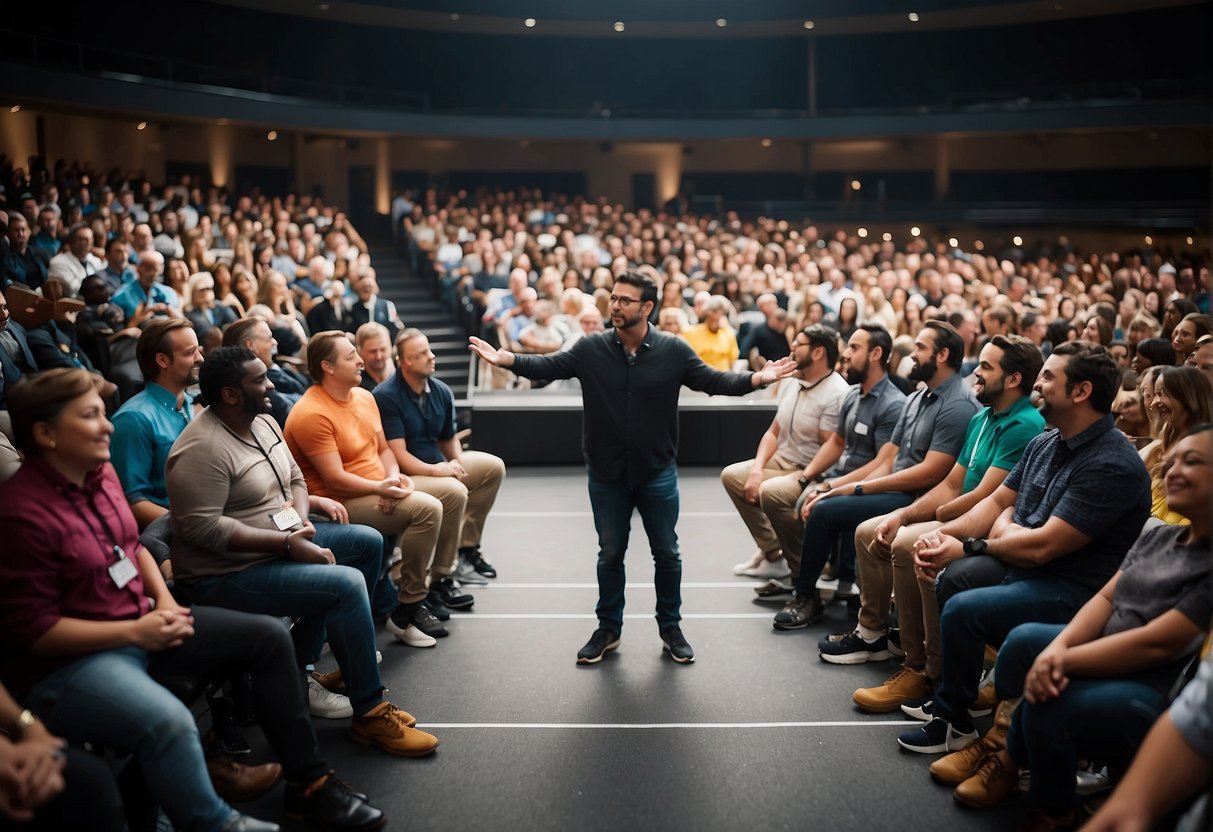
Before planning any presentation in the sports industry, we need to meticulously examine who will be receiving the message. Pinpointing the demographic and psychographic details of the audience sets the stage for an impactful engagement.
To effectively address the audience, we first gather demographic information such as age, gender, ethnicity, income, marital status, race, and education level. This quantitative data collection forms the base of our demographic audience analysis. We can represent this data visually in a table for clarity:
| Demographic | Description |
|---|---|
| Age | Variety in age range dictates content relevancy. |
| Gender | Determines if the message should be tailored. |
| Income | Suggests the economic diversity present. |
| Ethnicity & Culture | Influences cultural references and examples used. |
| Education Level | Helps gauge the complexity of information presented. |
Alongside these demographic characteristics, we consider psychographic information—beliefs, interests, opinions, and lifestyles. A questionnaire or attitudinal survey can help gather this qualitative data. Understanding the audience’s frame of reference—what is their relationship to the topic? Are they industry veterans or new enthusiasts?—allows us to align our message to their psychographic profile.
Audience expectations often hinge on their prior experience with the sports industry; their level of expertise can significantly influence their needs and how they receive the speaker's message. We compile and analyze the audience's beliefs and interests to ensure these expectations are met. For instance, we look at their volunteerism within industry-related activities or if their occupation aligns with the content being discussed.
To assess the audience size and voluntariness, we may use:
By integrating both qualitative and quantitative techniques in our approach, we encompass the full spectrum of audience analysis, setting the foundation for a speaker's success in the sports industry.
When we craft a speech within the sports industry, we focus on leveraging personal experiences to enhance our credibility and carefully adjusting the content to align with the audience's knowledge level.
We must acknowledge the power of personal experience when speaking on topics related to the sports industry. By sharing our authentic experiences, we provide a foundation for inductive reasoning, allowing the audience to draw inferences from the specific to the general. Our experience is a testament to our credibility. It's essential to strike a balance between conveying our background knowledge and using jargon that might be complex for the audience. We selectively incorporate anecdotal evidence and humor to make our points more relatable and memorable. However, we maintain clarity to ensure that even the most controversial topics are addressed with tact and insight.
We meticulously tailor our speech's content to the audience's level of knowledge about the sports industry. It's vital to simplify complex ideas without oversimplifying the worthwhile topic at hand. We achieve this by varying our language and explanations based on the audience's background knowledge. Visual aids are often implemented to bridge gaps in understanding and enhance the overall presentation. When dealing with technical aspects or statistics, we provide context and comparisons that allow for easier comprehension. Our aim is to make the presentation both accessible and informative, avoiding patronization while ensuring every member of the audience finds value in our speech.
By adhering to these principles in crafting our speech, we present with credibility and ensure that our message is impactful and clearly understood.

In the sports industry, our ability to convey information effectively hinges on our mastery of certain delivery techniques. These techniques enhance the speaker’s influence and ensure the message resonates with the audience.
We ensure our communication style is tailored to suit the target audience, focusing on clarity and engagement. This involves incorporating credible research and ethical responsibility into our narratives. We prefer a conversational tone which facilitates direct observation and encourages audience interaction.
We harness the power of visual aids to support and clarify our message, thereby enhancing comprehension and retention. With judicious use of slide presentations or videos related to sports statistics or strategies, we keep our presentation visually stimulating.
By focusing on these elements, we set the stage for a powerful presentation that is both informative and inspiring.
When we evaluate a sports speaker, we look closely at their history of engagements to gauge their expertise. Our focus lies on documented success stories and the feedback they’ve received.
Successes:
Skills and Expertise:
Feedback Quality:
Reputation:

When assessing a sports speaker for an event, we must consider their specializations and the breadth of their past engagements to gauge their relevance and potential impact.
We often encounter sports speakers with niche expertise. For instance:
An Athlete Speaker's personal journey, especially those of top athletes like Olympians, can resonate with audiences across various sectors.
The range of a speaker's past engagements can tell us much about their versatility and audience reach. Analyzing these engagements is essential:
For a comprehensive understanding, we should look for patterns and types of engagements that align with the goals of our event.

When we assess a sports speaker's previous engagements, we focus on the fine details of event logistics and planning to ensure a seamless experience for both the speaker and the audience.
We consider the event's specific requirements and determine how well a speaker's experience aligns with the event's theme. It's essential to match speakers to the audience's interests and the event's objectives. For conferences, this might involve an analysis of the speaker's previous talks to ascertain relevance and impact.
Scheduling is paramount. We lock in dates that work for both the sports speaker and the event organizers. This involves:
| Event Date | Speaker Availability | Rehearsal Date | Preparation Steps |
|---|---|---|---|
| June 10, 2024 | Confirmed | June 8, 2024 | Presentation review |
| Technical run-through |
When evaluating a sports speaker's previous engagements, we place significant emphasis on how they inspire and motivate the audience, along with the quality and relevance of their content.
To gauge how speakers craft memorable experiences, we assess their ability to weave engaging stories throughout their presentation. Our speakers are expected to integrate personal anecdotes rich in insights that connect with the audience on an emotional level. Communication skills are critical here, as the ability to articulate lessons from these stories often inspires and motivates attendees. We look at past events to see how stories are used to transform a presentation into an immersive experience.
Interactive opportunities such as hands-on workshops and panel discussions contribute significantly to a speaker's impact. We review the speaker's roster of previous engagements for instances where they facilitated learning through engagement. A standout speaker offers sessions designed to be both educational and engaging, allowing participants to be part of an engaging and impactful experience. The presence of Q&A sessions, group activities, and opportunities for the audience to share their perspectives is indicative of a well-rounded engagement approach.
In promoting a sports speaker, we recognize the imperative role that tailored marketing and promotion strategies play in defining the success of their engagements.
Our social media strategy facilitates direct communication with our target audience. We create posts that resonate with followers' interests and motivate them to engage in conversation. Important pillars of our strategy include:
Video content serves as a powerful tool in highlighting a speaker's previous successes and capabilities. Our approach includes:
By focusing on these strategies, we enhance visibility and maintain a robust communication strategy, leading to successful event outcomes.

When we select a sports speaker, their reputation becomes a spotlight on their past achievements and an assurance of the value they are likely to offer.
We recognize that a history of success is a powerful draw for previous clients and can significantly elevate a speaker's credibility. Successful sports speakers often have an extensive portfolio of previous successes, which may include:
Their successes contribute to the reputation of being impactful and convey a narrative of triumph that audiences find compelling.
We consider trust and reliability as the cornerstones of a speaker's reputation. This trust is often reflected through testimonials and feedback from individuals and organizations. Some key indicators of trustworthiness include:
We understand that authority and expertise are integral to the effectiveness of a sports speaker. This authority is usually derived from:
A speaker's expertise, as shown by their social media content and industry engagements, fosters confidence in their ability to deliver insightful and meaningful discourse.

We all understand that the success of an event pivots on how engaged and reactive the audience is. That's why selecting a sports speaker whose reputation aligns with audience preferences is pivotal. Their established credibility can significantly contribute to the level of audience engagement. We aim to unpack the nuances of audience interaction that will enhance their experience and make the event memorable.
We know the importance of matching a speaker's style to the specific demographics of an audience. It's not just about age or occupation; we look at a mix of factors such as interests, cultural backgrounds, and experience levels with the sport. This ensures that the speaker can communicate effectively and inspire the audience with relevant insights.
Maximizing audience retention is critical. It involves using energetic delivery, interactive elements like Q&A sessions, and real-life experiences that resonate. These techniques are not only engaging but also make the speaker's message more memorable:
Our goal is to continually refine how we engage with our audience. Collecting audience feedback post-event provides valuable insights into their preferences and experiences. Here's how we use this information:
Consistent use of these strategies allows us to customize content for future engagements to keep up with our audience's evolving expectations.
In planning for event success, we must meticulously manage our resources and logistics while fostering strong collaboration with event planners to meet our event goals.
We understand the importance of adhering to a budget to avoid constraints and ensure a successful event. The allocation of funds is prioritized as follows:
The management of these resources requires strategic planning to optimize expenditures without compromising the quality of the event:
Managing logistics encompasses scheduling, availability, and accommodation, with a keen focus on the speaker's specific needs.
Each aspect is considered and addressed with precision to ensure seamless integration into our event planning.
Collaboration between us and event planners is vital. This involves regular communication and updates to ensure a cohesive understanding of the event goals and expectations. Teamwork is employed through:
Our approach to strategic planning is founded on a bedrock of responsibility, adaptability, and cooperative effort, ensuring the speaker's reputation aligns with the event's intended impact.
In planning our conference, we prioritize reputation when selecting sports speakers to ensure that the overall experience is both enriching and memorable for attendees. Renowned speakers bring not only a wealth of personal experiences but also the capacity to inspire through relatable stories and offer actionable advice.
We recognize the profound impact that personal stories can have on our conference attendees. When a motivational speaker shares personal experiences that underscore resilience and determination, it can deeply motivate everyone present. These narratives give substance to the challenges and triumphs in the world of sports, allowing attendees to draw parallels to their own professional and personal journeys.
Key Benefits of Personal Stories:
We ensure that our guest speakers deliver actionable takeaways for our conference attendees. The insights provided are designed to be implemented practically, enhancing attendees' skill sets and strategies in their respective fields. By presenting these suggestions and lessons in an actionable format, the valuable insights gained can propel attendees toward meaningful growth and development.
Strategies for Actionable Advice:
By incorporating these elements into our conference, we enrich the experience, ensuring each participant leaves with renewed motivation and practical, valuable insights to apply in their endeavors.
In our pursuit to choose the ideal sports speaker for an event, we focus on thorough research and matching expertise with event themes for a successful engagement.
When assessing potential sports speakers, we consider several critical factors to ensure their suitability for our event. Firstly, we examine the speaker's qualifications and industry standards. This involves reviewing their CVs and credentials to confirm their expertise in relevant sports fields.
It's also essential to evaluate references from past speaking engagements. We conduct comprehensive research and get feedback from previous clients to ascertain the speaker's reputation and performance. We reach out to agencies with a track record in the sports speaking industry, as they often provide vetted speakers with proven abilities to engage and inspire audiences.
Our evaluation criteria in a nutshell:
Aligning the expertise of a sports speaker with our event themes is crucial for event relevance and achieving our event goals. The subject matter of the speaker must resonate with the event's theme to captivate and add value to the attendees' experience.
For instance, if our event is themed around “Resilience in Sports,” we will prioritize speakers who have personal stories of overcoming challenges or who have coached teams through adversity. This tailored approach ensures that the speaker's narrative is interwoven with the event's objectives, maximizing impact on the audience.
Steps for thematic alignment:
By meticulously adhering to these strategies, we set the stage for selecting a sports speaker who not only speaks but resonates with the essence of our event.