

Prior to seeking potential funding sources, we must thoroughly understand the event's framework, focusing on its type, theme, and the audience it appeals to. This foundational knowledge will inform our approach in aligning with suitable funding entities.
The event type dictates the structure and overall approach we take. For instance, conferences may require a diverse funding strategy compared to trade shows or workshops. The event theme, on the other hand, is crucial for matching with funders interested in specific industry topics or issues.
Matching the event theme to the funding source's interests is imperative. For a technology event, targeting tech corporations for sponsorship can yield successful funding outcomes due to the direct relevance to their sector.
Understanding our target audience involves analyzing demographics such as age, profession, and industry involvement. Funders often prefer events that align with their own target demographics. For instance, a youth-oriented event may attract brands interested in this particular audience segment.
Audience Interests:
By targeting funders who share a vested interest in our event's audience and theme, we enhance our chances of securing funding and organizing a successful event.

In planning our event, we judiciously outline our objectives and allocate our budget for booking speakers, always mindful of the expected impact and return on investment.
When setting the groundwork for our event, we articulate our goals with precision. Determining what we want to achieve provides us with a clear direction for the entire planning process. It is crucial for us to have well-defined objectives, be it education, networking, or brand-building, as they dictate the relevance and caliber of the speakers we aim to book.
Allocating the budget for speaker booking is a meticulous process. We ensure that our financial resources are distributed effectively to achieve our event goals. The following table showcases a simplified version of a speaker booking budget allocation:
| Percentage of Budget | Allocation |
|---|---|
| 50% | Headliner Speaker (Keynote presentations, draws major attendee interest) |
| 30% | Industry Experts (Breakout sessions, panel discussions) |
| 20% | Emerging Voices (New insights, diverse perspectives) |
By sticking to our allocated funds, we maintain financial control and prioritize expenditures that align with achieving our event’s success.
The impact a speaker has on our event is measured by attendee engagement, content relevance, and contribution to our goals. We calculate the return on investment (ROI) by assessing:
By considering these factors, we not only justify our budget but also pave the way for setting benchmarks for future event planning.

When planning an event, securing the right keynote speaker is crucial. Their expertise and the insights they offer can set the tone for the entire conference. We focus on finding speakers whose relevance and reputation align with our event's theme and our audience's interests.
We start by listing potential speakers who are experts in the field. This involves researching recent trends and significant insights they've contributed to their industry. The speakers we consider must have a strong reputation for engaging presentations that add value to the event. We take into account their previous speaking engagements to ensure they offer content that is both relevant and dynamic.
Engaging with a speakers bureau or agency simplifies finding the right keynote speaker. These agencies have a roster of vetted professionals with a clear record of their topics, style, and speaking fees. We review our options from these bureaus, considering the speaker's availability and the alignment with our event's goals.
Negotiation is a critical phase where we discuss the speaking fee, travel expenses, and any additional requirements. Our goal is to reach an agreement that benefits both our event and the speaker. We prepare a detailed contract that outlines all aspects of the engagement, providing clarity and avoiding future misunderstandings.
By methodically assessing expertise, working with reputable bureaus, and carefully negotiating terms, we aim to secure keynote speakers who will contribute significantly to the success of our event.
Before a speaker can captivate an audience, meticulous planning must ensure that every detail is in place. We focus on seamless travel arrangements, comfortable accommodations, and stringent adherence to technical needs while mounting a robust marketing and social media campaign to maximize reach.
As we undertake the logistical arrangements, our priority is to ensure that speakers experience a stress-free trip. We meticulously plan each aspect, which involves:
Technical Requirements are critical for a successful presentation. We confirm that:
Our marketing strategies are designed to generate buzz and audience engagement. We leverage the following:
Efficient coordination and strategic promotion are the linchpins of our event's success.
When booking speakers, we prioritize the development of presentations that resonate with audiences and leave a lasting impact. Our aim is to educate, motivate, and captivate, ensuring that every presentation is insightful and engaging.
We work closely with speakers to develop content that is relevant and informative. Our collaborative approach focuses on tailoring presentations that align with the audience's interests and knowledge level. We encourage speakers to:
In this section, we'll address some common queries related to identifying and securing funding sources for speaker bookings in 2024.
We use industry-specific directories and event listing websites to discover conferences in need of speakers. LinkedIn and professional associations are also valuable resources for finding relevant events.
We focus on building a strong online presence through thought leadership and networking. Utilizing speaker's bureaus and engaging with event planners on social media are also proven tactics.
We often recommend reaching out to organizations hosting webinars and virtual conferences, as they may be looking for speakers who can present remotely. Speaker profiles that highlight virtual presentation skills are particularly appealing.
We advise speakers to research industry rates and clearly articulate their value proposition. It's important to consider the event's budget and offer flexible package options when negotiating fees.
We suggest initiating a dialogue with event organizers by expressing interest in their event and the audience they serve. Ask for budget ranges and be prepared to justify the requested speaking fee with evidence of value and past successes.
We identify prospective speakers through their prominence in the field, recommendations, and previous talks. We reach out with personalized invitations that highlight the alignment between their expertise and our conference themes.
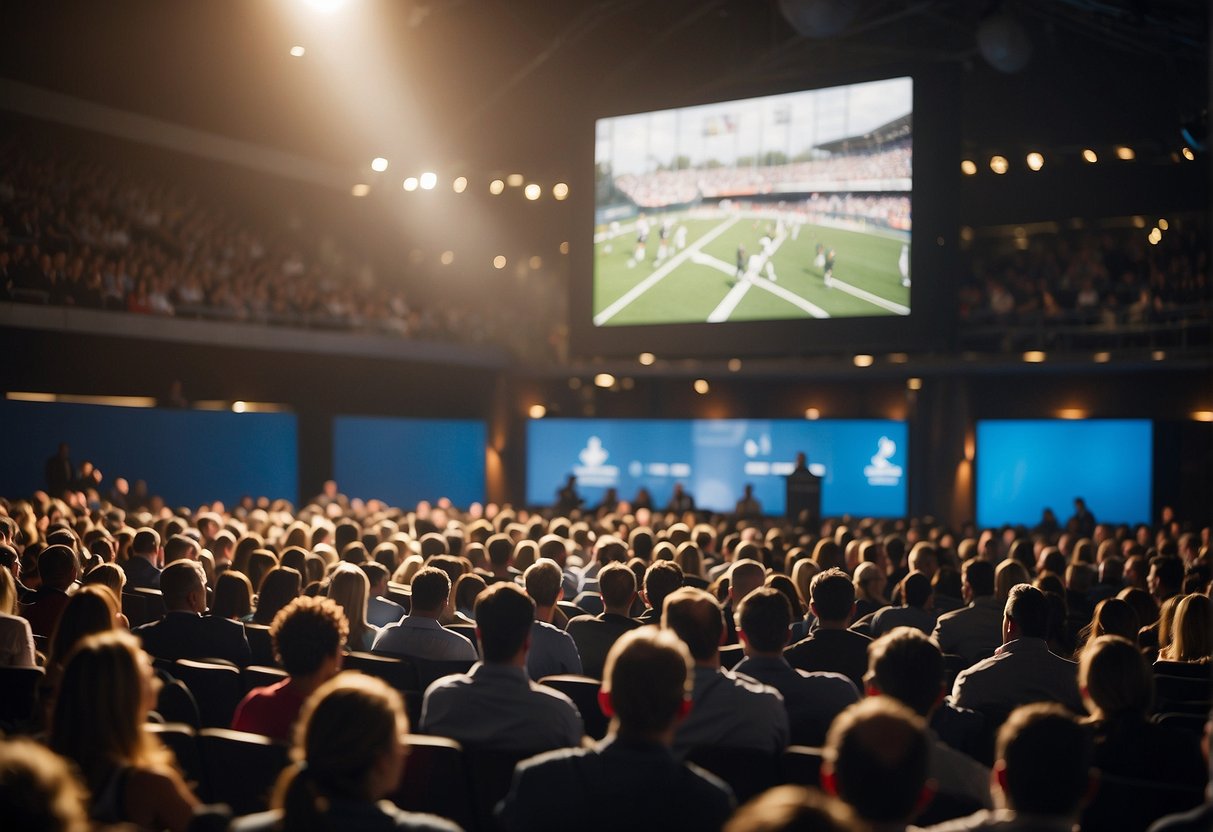
When we examine the financial implications of professional sports speeches, it is essential to understand that the economic outcomes can be influenced by several factors that contribute to the overall economic impact. From substantial revenues to broader economic development, these speeches can play a pivotal role in sports economics and business.
In assessing economic impact, we consider how professional sports speeches can generate direct and indirect economic activity. Businesses benefit from the increased spending surrounding these events, such as event planning and hospitality services. Furthermore, the successful booking of a high-profile sports speaker can lead to an influx of attendees, fostering economic growth through local spending. The ripple effect of such an engagement often includes heightened media attention and a boost in tourism, with corresponding increases in local business revenues.
The economic outcomes of professional sports speeches are not uniform and can be affected by various factors. We investigate key elements including the prominence of the sports personality, strategic management of the event, and the overall success and entertainment value provided. Professional sports teams and leagues often leverage these factors to maximize revenues:
It's clear that professional sports speeches are not merely an entertainment segment within the sports economics field but can drive significant economic activity and development for a wide array of stakeholders.
We analyze the specific effects that professional sports speaker bookings can have on local communities and economies, as well as how they influence infrastructural developments and public investments.
Our findings show that when a professional sports speaker is booked for an event, the local community often experiences a boost in economic activity. For example:
These events also frequently necessitate partnerships with local governments, which can lead to discussions on public subsidies and budget allocations aimed at maximizing positive economic impacts.
Professional sports speaker bookings can be a catalyst for infrastructure development and public investment, with consequences for both facility construction and renovation. Noteworthy considerations include:
Moreover, the synergy between private and public sectors can lead to infrastructural improvements that serve the community well beyond the event, ensuring positive returns on public investment.

When assessing the financial impact of professional sports speaker booking, we focus on two main areas: the evaluation of economic activity and the specific outcomes in North American cities. We apply rigorous methods and draw on diverse case studies to provide an in-depth analysis.
To evaluate the economic activity generated by professional sports speaker bookings, we consider several key indicators. First among these is attendance, as it directly relates to ticket sales and associated venue revenues. We also analyze revenues not only from ticket sales but also from merchandise, concessions, and sponsors. To establish a robust method for our analysis, we use the synthetic control method. This allows us to compare the economic performance of cities with sports stadiums to a synthetic composite of similar cities without such stadiums.
Using the synthetic control method, we meticulously track changes in these indicators before and after the introduction of a sports stadium or the hosting of a significant speaking event by a personality from leagues like Major League Baseball (MLB). We consider the mechanism of impact, such as the role that sporting events play in promoting diversity, equity, and inclusion by attracting a varied audience and creating a platform for dialogue on these issues.
Evidence from case studies across North American cities such as those analyzed by Oates provides tangible insights into the economic impact of sports stadiums and professional sports franchises. For instance, the correlation between the development of a new stadium and subsequent changes in local economic activity offers valuable evidence of impact.
In assessing these case studies, we ensure that diversity in city size and demographics is considered to understand the broader implications. This way, we capture a comprehensive picture of how speaking events tied to teams or figures from professional sports like MLB influence the economic fabric of cities across North America.
We recognize that the financial impact of booking professional sports speakers extends beyond mere event costs, taking into account broader social and economic layers.
Booking professional sports speakers can enhance the quality of life and bring social benefits by fostering a sense of community and civic pride. Take, for instance, the booking of an NFL team member to speak at a local event: it can galvanize community solidarity and inspire young athletes toward greater inclusion and diversity in sports. Additionally, there can be positive returns on public investments through increased attendance and spending, thereby contributing to the local economy, especially during times of recession.
Our community’s support for professional sports is often reflected in the willingness to finance stadiums and endorse team-related events. However, this financial commitment must be weighed against any social costs incurred. For example, the construction of professional sports stadiums can be a contentious issue, with discussions focusing on economic effects versus public investments. Proper consideration must be given to ensuring that initiatives foster equity and are perceived positively, thus maintaining robust public support.
In this section, we examine the sustained influences that the booking of professional sports speakers can have on host cities and consider the wisdom in future financial commitments. Our focus is on tangible outcomes such as economic development and the alteration of property values within communities.
Professional sports speakers can serve as catalysts for economic development in metro areas. Following an event, there is often a residual buzz that can increase tourism and local spending. For example, speakers might attract attention to mixed-use developments in Metro-Atlanta counties, leading to heightened economic activity in those areas.
Property values also often rise in anticipation of such events. Our examination of metro areas that host these speakers support this, showing an uptick in local property values. However, this increase should be measured against public funds used to subsidize these events, ensuring careful assessment of the net economic growth.
When contemplating future investments, it's important to apply counterfactual estimates and placebo tests to guarantee that public money is spent judiciously. Before subsidizing arenas or speakers, a consensus on the projected long-term effects must be reached.
Our analysis takes into account the possible migration of residents and businesses as a result of rising property values, which could either positively or negatively affect the original community. Decision-makers should factor in all potential outcomes, including these unintended long-term effects, to maximize benefit for the economic health of the entire metropolitan area.
When assessing the financial impact of booking a professional sports speaker, there are critical costs and considerations to take into account. Understanding these can ensure that the investment aligns with the event's budget and goals.
We consider the speaker's fame, achievements, and current relevance within the sports industry. Their experience on the speaking circuit and the expected crowd draw also play significant roles in determining their fee.
Calculating the fee involves assessing the speaker's market value, the scale of the event, and budget constraints. Benchmarking against similar events and speakers can provide a baseline for appropriate compensation.
Professional sports speakers can range from a few thousand dollars to tens of thousands, depending on their prominence and the event's nature. Retired legends typically command higher fees than current athletes or less renowned figures.
Longer presentations generally result in higher fees due to the increased preparation and commitment required from the speaker. However, some speakers may offer full or half-day rates that differ from their standard hourly rate.
Many speakers have established fee schedules that consider event type, audience size, and length of engagement. Agencies representing speakers might also use sliding scales based on these factors to set fees.
Typically, virtual events may incur lower fees due to the absence of travel and accommodation costs for the speaker. However, some high-profile speakers might still command significant fees due to their market value.

To ensure the success of any event, we must first accurately grasp who our audience is and what we aim to achieve with the event.
We start by gathering data on our audience's demographics, such as age range, professional background, and interests. This information is critical as it guides us in tailoring our hospitality and entertainment offerings. For instance, if our audience primarily consists of young professionals, we might opt for a more modern and dynamic entertainment setup, whereas a gathering of industry veterans may appreciate more traditional approaches.
By understanding these facets, we align our hospitality services to meet the expectations of our attendees, ensuring they feel valued and engaged.
We must also articulate the specific event goals and conference themes. These serve as the compass for all our planning activities, from selecting keynote speakers to the type of entertainment. A strategic plan that aligns with the theme ensures that every aspect of hospitality contributes to the overarching objectives.
We make certain that these goals and themes are woven into the fabric of our event, from the initial announcement to the final farewell. This cohesion creates a powerful and memorable experience for all participants.
In planning events, we recognize the importance of choosing the right guest speakers. Achieving a perfect match between the speaker's expertise and the event's theme is crucial and can significantly elevate the attendee experience.
When identifying the ideal guest speaker, we focus on aligning their expertise and credibility with the event's objectives. We create a speaker profile that encompasses:
Our list may include keynote speakers, thought leaders, and celebrity speakers that fit within our defined profile. Utilizing a speakers bureau can be advantageous for finding a wide range of potential speakers suited to our event's needs.
It's essential for us to evaluate a speaker's influence and relevance to ensure they will deliver value. Here are the key points we consider:
By thoroughly assessing potential speakers, we can predict the overall impact and ensure their message aligns with our goals.
Negotiating contracts and speaker fees require careful attention:
| Payment Type | Description |
|---|---|
| Flat Rate | A predetermined fee for the speaking engagement |
| Per Diem | Daily allowance for the event duration |
| Percentage of Ticket Sales | Percentage earned based on ticket revenue |
Contract Inclusions:
Our strategy aims to establish clear expectations and protect the interests of both the event and the speaker.

In planning hospitality and entertainment for an event, we prioritize creating a detailed event budget and incorporating diverse yet engaging content. This ensures that guests receive a memorable experience, and expenses remain under control.
We start with a detailed event budget to lay the foundation for successful hospitality and entertainment planning. Itemization is key here; it gives us a clear picture of forecasted expenses and helps in tracking actual spend against budget.
| Item | Estimated Cost | Actual Cost | Variance |
|---|---|---|---|
| Venue Rental | $5,000 | ||
| Catering Services | $2,500 | ||
| Entertainment | $3,000 | ||
| Decorations | $1,000 | ||
| Staffing & Coordination | $1,500 | ||
| Marketing & Promotion | $500 | ||
| Contingency (10%) | $1,350 | ||
| Total | $14,850 |
We also consider speaker fees, travel expenses, and accommodation costs, alongside typical event expenses. Staying within budget requires constant monitoring and adjustments. Through financial prudence and strategic management, we can ensure that the allocated resources are maximized.
Our approach to content involves curating a mix of informational, educational, and entertaining components. We're committed to delivering a program that engages the audience on multiple levels. Here’s how we align content with our priorities:
By focusing on these aspects, we can present an event that entertains, educates, and leaves a lasting impression. Our budgeting and content strategies are designed to achieve this goal without losing sight of the practical realities of event planning.
In planning hospitality and entertainment for speakers, we harness technology's power and cultivate strategic partnerships for promotion. We aim to reach our target audience effectively, strengthen our network, and provide value to our sponsors.
We utilize social media platforms to amplify our message and engage with potential attendees. Our step-by-step strategy includes:
| Platform | Content Type | Posting Frequency |
|---|---|---|
| Event updates | 2/wk | |
| Speaker highlights | 3/wk | |
| Behind-the-scenes | 4/wk | |
| Professional insights | 1/wk |
By tailoring our content to each platform, we ensure meaningful engagement and keep our audience informed and excited about the event.
Our collaboration with sponsors and partners is at the core of our promotional strategy:
| Sponsorship Level | Marketing Benefits | Exclusivity |
|---|---|---|
| Gold | Logo on all materials, VIP treatment | Yes |
| Silver | Logo on website, special mention | No |
| Bronze | Logo on event brochure | No |
By leveraging these relationships, we create a promotional synergy that enhances visibility for both our speakers and the sponsors.
Effective logistics and operations management is crucial for ensuring the speaker's experience is seamless. It requires meticulous planning and coordination throughout the event planning process. Our focus is on confirming details, managing travel expenses, and ensuring event success through hands-on team efforts.
We prioritize confirming travel and accommodation arrangements well in advance. Here's our process:
Travel Logistics:
Table 1: Travel and Accommodation Confirmation Timeline
| Task | Deadline | Status |
|---|---|---|
| Flight Booking | 8 weeks prior | Confirmed |
| Hotel Reservation | 6 weeks prior | Confirmed |
| Local Transport | 4 weeks prior | To be booked |
Interaction with Speakers:
An effective event itinerary is essential for maximizing the speaker's engagement and interaction with the audience. Our approach includes:
List of Itinerary Elements:
We understand the importance of having robust contingency plans:
Contingency Prep Steps:
Bold Points to Remember in Contingency Planning:
By thoroughly addressing each element of logistics and operations management, we ensure the comfort of the speaker and the smooth execution of the event.
In this section, we address commonly posed inquiries regarding the preparation for hosting speakers and organizing entertainment at events.
When choosing a speaker, we consider their relevance to the event theme, expertise in the subject matter, and speaking experience. It's crucial to align their style with the audience's expectations and event's objectives.
We make sure to arrange comfortable accommodations, provide clear itineraries, and offer personalized amenities. Having a dedicated contact person for any needs they may have is also pivotal.
Understanding the demographics and interests of our audience allows us to select diverse entertainment options that cater to different preferences. We keep inclusivity and cultural sensitivity at the forefront of our planning process.
Logistical needs include arranging travel, defining schedules, preparing speaker's spaces, and managing audio-visual requirements. We ensure punctual transportation and technical rehearsals to address any issues in advance.
We prepare back-up plans and stay in contact with alternates who can step in if needed. Clear communication with attendees about any changes is also critical to maintain trust and rapport.
We confirm the speaker's technology needs beforehand and run thorough checks on all equipment. Having on-site technical support during the event ensures a smooth experience for the presenters and audience.
When planning an event, we consider the acoustics of the venue, the right audio equipment, and the impact of visual aids to create an effective speaker experience.
Room Dimensions and Seating Arrangement: We evaluate the size and shape of the venue, as these are critical factors in sound propagation. A rectangular room, for instance, typically allows for more uniform sound distribution than an irregularly shaped one. Additionally, the seating arrangement helps us determine the optimal placement of speakers for clear audio transmission to every attendee.
Venue Acoustics: We examine the venue’s inherent acoustics, noting materials and surfaces that can affect sound quality. Soft, absorbent materials tend to dampen sound, while hard surfaces can cause echoes. The goal is to balance these characteristics to ensure clarity and prevent audio distortions.
Sound Technology: We choose microphones, speakers, and mixers that suit the specific needs of the event. Factors like the type of microphones (wired or wireless), the power of the speakers, and the versatility of the audio mixer are taken into account to ensure the speaker can be heard clearly in all areas of the venue.
Audio Visual Integration: Integrating audio equipment with visual technology is crucial for a seamless presentation experience. We make sure to synchronize audio feeds with visual elements for professional delivery.
Visual Technology Size and Type: The size of the visual equipment, like projectors or screens, is matched with the venue size to optimize visibility. High-definition or 4K projectors are preferred choices for their crisp images and text display.
Equipment Positioning: The layout of the room influences where we position visual equipment. It’s imperative that screens are visible without obstruction and at a height where all attendees, regardless of their seating, have a clear line of sight.

In our pursuit of excellence in speaker technology, strategic planning is paramount. This ensures that we allocate our budget optimally to achieve outstanding audiovisual success.
Before we allocate funds, we meticulously assess our requirements for audiovisual equipment. By analyzing the size and acoustics of potential venues, we can pinpoint specific needs such as microphones, speakers, and video components. Our objectives here are clear: identify exactly what is necessary to deliver high-quality sound and visuals that fit the context of each event.
We construct a detailed equipment budget that balances cost without compromising on quality. We break down each element to forecast expenses, identify potential areas for savings and consider travel costs for speakers. Our rigorous planning includes potential venue rental costs and investigates sponsorship opportunities that can defray expenses. Here's a simplified budget projection table:
| Item | Estimated Cost |
|---|---|
| Audio Equipment | $X,XXX |
| Video Equipment | $X,XXX |
| Venue Rental | $X,XXX |
| Speaker Travel | $X,XXX |
| Total | $XX,XXX |
Investing in audiovisual equipment is not only about current events; we prioritize purchases that promise long-term returns. This includes acquiring durable, high-quality equipment that can be used across multiple events and obtaining technology that will stay relevant. We also consider the expertise needed to operate these technologies and plan for training accordingly.
In ensuring a top-tier audiovisual experience, we focus on state-of-the-art setup, seamless connectivity, and sophisticated control. Our attention to detail in technical execution enhances audience engagement and optimizes the performance of microphones, projectors, and screens.
We adhere to stringent standards when installing audiovisual components. Here's how:
Our approach to connectivity is comprehensive:
Control systems are the nerve center of our audiovisual setups:
Our focus in this section is to provide attendees with an unmatched experience by leveraging technology for clear communication and harnessing the power of audiovisual components to create a captivating atmosphere.
We prioritize the clear delivery of the speaker's message with high-quality audio visual equipment. For presentations, we ensure the usage of lapel microphones and podiums, as they offer speakers freedom to move and interact, while maintaining audio clarity. Projection screens are strategically placed to ensure that visuals are clearly visible to all attendees.
Our attention to lighting and visuals is key in establishing the right atmosphere at events. We use stage lighting to highlight speakers and engage the audience. By adjusting lighting conditions, we can direct the attendees' focus and enhance the comfort of the environment. Projectors and screens become a canvas for storytelling, making visual aids more impactful.
Handling live feeds is a critical component within our AV executions. We manage audio and video feeds skillfully to avoid any disruptions in the experience of attendees. Our technicians are trained to troubleshoot in real-time, ensuring that every aspect of the event's AV needs runs smoothly.
In the realm of event management, ensuring the longevity and efficacy of speaker's technology and audiovisual setups is paramount. Post-event periods are crucial for dissecting the event's success and addressing any audiovisual hiccups that occurred. We focus on a structured approach to analysis, troubleshooting, and maintenance to maintain the highest standard for our future events.
After an event concludes, we immediately gather data to assess the performance of the audiovisual systems. Our checklist includes verifying:
We utilize feedback from attendees and technicians to refine our event planning strategy. Our aim is to convert insights into actionable improvements, thereby elevating the attendee experience at subsequent events.
Our team is well-versed in identifying and resolving typical technical issues swiftly. When troubleshooting, we prioritize:
By preparing for the most common issues, we guarantee the delivery of a professional and uninterrupted audiovisual experience.
Maintaining and upgrading audiovisual technology is non-negotiable for us to meet professional standards. Our maintenance schedule involves regular:
For upgrades, we keep abreast of the latest technology that caters to a growing need for high-quality audiovisual experiences. Our upgrade plan entails assessing the long-term benefits of the investment against the immediate cost, keeping in mind that state-of-the-art technology can significantly enhance the impact of an event.
Allocating funds for technology and audiovisual requirements is crucial for the success of any event featuring speakers. We must consider various costs and ensure they are well-defined within the event budget.
We identify specific technology and audiovisual needs such as microphones, projectors, and lighting, and list individual expenses. Each item should have a cost estimate next to it to provide clarity for financial planning.
Key requirements include a high-quality sound system, microphones, speakers, and visual aids such as projectors or LED screens. Lighting and video recording equipment are also critical to enhance the audience's experience.
We can allocate a portion of the ticket sales, sponsorships, and vendor fees to fund the necessary technology and audiovisual setups. This process involves designating percentages of income streams to cover specific budget lines.
Establish separate accounts or budget lines for individual areas of expenditure. This allows us to track technology and audiovisual costs explicitly and avoid mixing them with other event finances.
We evaluate the importance of each audiovisual component in relation to the event's goals and audience needs. This prioritization helps us allocate appropriate funds to critical technologies that enhance speaker presentations.
We should consider the event size, venue specifications, types of presentations, and potential audience engagement methods. This ensures the checklist is comprehensive and tailored to the event's specific requirements.

When engaging in sports sponsorship, it is crucial for us to understand the return on investment (ROI) we are aiming for. Clarifying the alignment of sponsorship opportunities with our brand’s strategic goals is the foundation to realizing a tangible ROI.
ROI in sports sponsorship is the measure of the profitability or effectiveness of our investment relative to the resources we have invested. It's essential for us to consider not just the financial gains, but also the brand exposure, audience engagement, and long-term strategic benefits. Sponsorship synergy occurs when our brand and the sports entity we invest in share common values and objectives, amplifying the impact of the investment.
Key Components:
To accurately measure the effectiveness of our sponsorship efforts, we rely on various KPIs. These indicators help us quantify our achievements and guide strategic decisions for future investments.
Primary KPIs Include:
| Metric | Pre-Sponsorship | Post-Sponsorship |
|---|---|---|
| Sales Volume | $X | $Y |
| Method | Pre-Sponsorship | Post-Sponsorship |
|---|---|---|
| Social Media Mentions | X number | Y number |
| Media Coverage | X hours | Y hours |
Digital Engagement:
These metrics allow us to conduct a thorough evaluation and optimize our future sponsorship engagements for higher ROI.
When engaging a professional sports speaker, strategic planning and objective setting are pivotal. It ensures that the investment aligns with marketing strategies and enhances brand visibility.
We acknowledge the importance of setting clear, precise goals when initiating a sponsorship deal. Our objectives comprise increasing brand awareness, elevating our image, and creating a solid marketing mix. This clarity allows us to:
We are meticulous in aligning our sponsorship of a professional sports speaker with our overall marketing objectives. This synergy ensures that every dollar spent helps to increase our:
Through careful planning, we harness the full potential of professional sports speakers to support our marketing endeavors and thereby achieve our business goals.

When we engage a professional sports speaker, we capitalize on a unique opportunity to drive revenue through various streams, including enhanced social media engagement and increased sales of tickets and merchandise.
We harness the power of digital platforms to amplify our message and engage our audience. By creating exclusive content with a professional sports speaker, we can drive traffic to our social media pages and website, increasing our digital footprint.
Strategy:
Key Metrics:
| Platform | Engagement Increase | Revenue Impact |
|---|---|---|
| 20% | 15% | |
| 25% | 18% | |
| YouTube | 30% | 20% |
Our objective is to boost ticket sales and merchandise revenue by utilizing the attraction of the sports speaker and creating partnerships for co-branded merchandise.
Ticketing Strategy:
Merchandise Tactics:
Ticket Sales Outcome:
Merchandise Sales Outcome:
In evaluating the return on investment for engaging a professional sports speaker, we focus on two primary areas: sponsorship effectiveness and brand exposure and image. These are critical for understanding the value brought to our brand.
Sponsorship Effectiveness involves analyzing specific metrics to determine the success of the investment. We examine data such as audience reach, engagement rates, and the frequency of brand mentions during events.
Nielsen's sponsorship measurement tools often serve as the benchmark for these analytics, offering us an industry-standard valuation of our sponsorship assets.
Brand Exposure is quantified by calculating the media value — the equivalent cost if the same exposure were bought in advertising space. We use market research to understand how media presence impacts brand equity.
Brand Image can be reflected in the sponsorship measurements, as these engagements often influence public perception. Through careful analysis, we identify any shifts in how consumers view our brand's image, which can signal gains in reputation and brand marketing effectiveness. It’s essential to map these changes against our investment to understand the actual ROI.
Using the above methods and tools, we can develop a clear and confident understanding of the value that engaging a professional sports speaker brings to our brand.
In our examination of professional sports speakers within the global market, we anticipate leagues such as the NFL, NBA, and events like the FIFA World Cup to increasingly prioritize digital engagement. Technological advancements, notably augmented reality (AR), are revolutionizing how we connect audiences and sponsor brands, creating immersive experiences that deepen the emotional connection with fans.
Sponsorship Investments & Sports Marketing: Advertising strategies are becoming more intricate as we seek to maximize the impact of sponsorship investments within the competitive landscape. Customized sports marketing campaigns are proving effective in establishing a rapport with fans and securing their loyalty.
The integration of these elements signifies a proactive approach to fostering connections with sports enthusiasts. Our consistent update of knowledge and adaptation to trends assure that our strategies are successful and future-proofed within the rapidly evolving realm of sports marketing and fan engagement.
In this section, we address common inquiries regarding the impact of hiring a professional sports speaker, the metrics for success, and the financial considerations associated with such an engagement.
Inviting a professional sports speaker can boost team morale and enhance performance, which, in turn, can lead to increased profits through better on-field results and heightened team branding.
We often measure success through improved team performance metrics, athlete feedback, audience attendance figures, and engagement on social media channels following the speaker’s event.
A well-known sports speaker can attract more fans to games, which can lead to a surge in ticket sales. Additionally, the speaker's affiliation with the team may increase merchandise sales due to heightened brand visibility.
We carefully consider speaker fees against potential financial benefits such as increased game attendance, sponsorship deals, and higher merchandise sales to understand the alignment of expenses with financial gains.
Key factors include the speaker's popularity and relevance, the alignment of their message with our team values, and effective marketing of the event to maximize exposure and revenue opportunities.
It may take a few months to a full season to observe a measurable financial return as the effects of improved team performance, brand strength, and fan engagement gradually contribute to the financial outcomes.

When we organize an event, attentive preparation—specifically regarding speaker logistics—is crucial. Our focused planning ensures speakers are well-compensated, accommodated, and have access to the resources they need.
We draft speaker agreements that outline expectations for both parties. These agreements clearly state speaker fees, reimbursements, and other compensatory details. To streamline the process, we use a table format:
| Service Provided | Fee | Additional Expenses | Payment Terms |
|---|---|---|---|
| Keynote Presentation | $X,000 | Travel & Lodging | 30 days net |
| Workshop | $X00/session | Per Diem | 30 days net |
Establishing such details in advance prevents misunderstandings and ensures fair compensation.
Our financial planning is detailed and transparent. We develop a comprehensive budget that includes all anticipated costs. Part of this planning includes the following:
This methodical approach to budgeting facilitates the efficient allocation of funds and financial oversight.
Our commitment to inclusivity is reflected in our accessibility and accommodation planning. We ensure every venue we select meets the following criteria:
In addition to the physical aspects, we also examine policies that might impact the speaker experience, ensuring they feel welcomed and valued. Having a clear plan for accommodation and accessibility mitigates last-minute challenges and aligns with our dedication to hosting a supportive and inclusive event.
Effective speaker management is a critical component of any event. Our approach centers on creating detailed speaker profiles and ensuring clear communication lines to set expectations early on. This not only promotes a successful speaker program but also helps in fostering strong speaker relationships.
We prioritize building comprehensive profiles for our speakers from the onset. This involves gathering technical details, communication preferences, and logistical needs to create a personalized onboarding experience. The table below outlines the key information we collect:
| Information | Description |
|---|---|
| Name & Title | Full name and professional title |
| Contact Details | Phone number, email, and preferred method of contact |
| Biography | Brief professional background |
| Photo | A recent, high-resolution headshot for promotional materials |
| Presentation Details | Title, abstract, and technical requirements for the presentation |
| Travel Preferences | Seating class, dietary restrictions, accommodation preferences |
| Availability | Arrival/departure dates and times, availability for networking events or meetings |
Once we've created their profile, we introduce our speakers to the event’s speaker program through a collaborative article or document that serves as an onboarding guide. It outlines key points of contact, event timelines, and answers to frequently asked questions.
Our communication strategy is designed to manage and exceed speaker and attendee expectations. We establish a regular communication schedule with keynote speakers to discuss updates, changes, and feedback. Below are the primary communications we implement:
We make it a point to tailor our communication method to each speaker's preference, be it through email, phone calls, or messaging apps. By aligning our expectations with those of our speakers, we can ensure a seamless and collaborative experience.
In managing speaker accommodations and transportation, we ensure smooth travel and comfortable stays for all participants. We coordinate travel logistics meticulously and handle room reservations with attention to amenities and location.
When we arrange travel, our priority is convenience and efficiency. For ground transportation, we book reputable services that align with the schedule and budget. Flight bookings are managed to ensure that arrival and departure times allow for adequate rest before and after events.
Room reservations are crucial for the comfort of our speakers. We choose hotels that are conveniently located close to the event venue and offer the necessary amenities.
By handling these elements expertly, we provide a seamless experience for our speakers from the moment they commence their travel until the conclusion of their stay.
Coordinating the content and presentation for speakers is crucial for a seamless event. We ensure that all materials are prepared and the sessions promote meaningful interactions.
To maintain consistency and quality in presentations, we implement a content management system that centralizes all speaker materials. This system allows us to:
Checklist for Presentation Material Management:
Our approach to organizing sessions focuses on maximizing engagement and facilitating meaningful dialogue between speakers and attendees. Our steps include:
Session Timeline:
| Segment | Duration | Description |
|---|---|---|
| Introduction | 5 mins | Brief speaker introduction and session objectives |
| Presentation | 30 mins | Main content delivery by the speaker |
| Interaction | 10 mins | Audience Q&A or interactive component |
| Conclusion | 5 mins | Recap of session takeaways and speaker thanks |
By diligently managing both presentation materials and session formats, we strive to create a dynamic and informative experience for all participants.
After the close of an event, we prioritize engaging with our audience to enhance networking opportunities and meticulously analyze feedback for continuous improvement of our future events.
We understand that networking is a crucial aspect of attendee experience. To facilitate this, we set up dedicated online platforms post-event—such as LinkedIn groups and Twitter hashtags—where attendees can continue conversations and connect with fellow participants and speakers. This initiative has proven to be a successful method for maintaining the enthusiasm and the collaborative spirit beyond the event venue.
Our team systematically collects data through post-event surveys, ensuring they're structured to elicit specific insights. These surveys help us understand the effectiveness of our speaker accommodations and transportation arrangements. We use quantitative methods like Net Promoter Scores (NPS) and qualitative feedback to identify necessary improvements. Leveraging this audience feedback, we then make targeted changes to our logistical setups, seeking to refine the overall event experience.
| Improvement Area | Contributions from Feedback | Actions Planned |
|---|---|---|
| Speaker Transportation Efficiency | Attendees noted timely speaker arrivals contributed to smooth session transitions. | For future events, we'll negotiate with transportation providers for reliable scheduling. |
| Accommodation Comfort | Speakers reported high satisfaction with accommodations enhancing their readiness to present. | We'll maintain our hotel partnerships and explore additional comfort options for speakers. |
Our goal remains clear: we strive to provide an exceptional experience for all stakeholders, ensuring that each event surpasses the last in both organization and attendee satisfaction.
Ensuring speakers have a positive experience at your event involves a detailed approach to arranging their transportation and accommodations. We cover some of the pivotal queries that may arise during this process.
We recommend establishing a dedicated transportation coordinator to manage all speaker travel arrangements. Utilize professional chauffeur services that are reliable and familiar with the event location. Maintaining open lines of communication and sending confirmations of travel details to speakers are also key.
We choose hotels that align with the status and expectations of VIP speakers. Prioritize comfort, privacy, and proximity to the event venue. We also negotiate amenities and services upfront to ensure a seamless and comfortable stay for the VIP guests.
We ensure that the introduction of a guest of honor is formal and respectful. This includes briefing the emcee or host on the proper pronunciation of the guest's name and their accolades. A dedicated liaison should escort the guest to the stage and handle any pre or post-speech requirements they may have.
We coordinate travel itineraries well in advance and communicate them clearly to the speakers. Provide a point of contact who is available around the clock to address any travel concerns that may arise. Ensure that there is flexibility in the travel plans to accommodate any last-minute changes.
We personalize welcome packages by including items that reflect the event’s theme and the speaker’s interests. Handwritten notes, local delicacies, and event merchandises tailored to the speaker make the welcome package feel more thoughtful and exclusive.
We consider the complexities of various arrival times, transportation preferences, and accommodation needs. Organizing these details in a central system allows us to keep track and adapt to changes promptly. Grouping speakers with similar travel schedules can also improve efficiency.

When planning an event, we must meticulously handle the budget to ensure a balance between our expenditures and the anticipated revenue. This is crucial for achieving a positive return on investment (ROI).
Our first step is to define the financial boundary within which we'll operate. We'll begin by assessing our overall budget, taking into account projected income sources such as ticket sales, sponsorships, and merchandise. It’s imperative to create a comprehensive spreadsheet that includes all potential revenue streams, juxtaposed against fixed and variable costs.
Next, we estimate costs associated with speakers. This typically involves:
We itemize these expenses in our event budget to get a clear picture of the speaker-related financial commitment. It's vital to negotiate with speakers early on to align their fees with our budget constraints.
For the venue and accommodations, we'll allocate funds keeping in mind:
Venue and accommodation costs can consume a significant portion of our budget, so we'll secure these arrangements well in advance to capitalize on possible early booking discounts.
Finally, we account for marketing and promotional expenses. This category includes:
Promotional activities are crucial for driving ticket sales and should be proportionate to the expected attendance to warrant a satisfactory ROI. We'll continuously track these costs against our conference budget to prevent overspending.
When organizing an event, we carefully consider various costs associated with engaging speakers. By paying close attention to speaker expenses, we ensure that our budget accurately reflects the true cost of the event. Below, we detail the critical categories of expenditures we typically account for.
Speaker fees are a central component and vary depending on the speaker's profile. For a keynote speaker with high recognition, fees can be substantial. Professional speakers may also command significant honorariums, reflecting their expertise and draw for the audience. We negotiate these fees upfront to avoid unexpected costs and include them in our budget early in the planning process.
Travel expenses cover all transportation to and from the venue, including flights, car rentals, and local transfers. We strive to book in advance to secure better rates. Accommodation costs are equally important, ensuring speakers have a comfortable stay. Our policy is to provide clear options and pay or reimburse these expenses as agreed upon.
On the day of the event, we provide catering to keep our speakers comfortable and focused on their presentations. This includes meals and refreshments during the event. These costs are part of our speaker care and are planned according to the number of speakers and their dietary preferences.
Quality AV equipment is indispensable for a successful presentation. Rental costs for these items, including microphones, projectors, and lighting, need careful consideration. We account for any specific technical requirements our speakers may have, ensuring a seamless audio-visual experience for our audience and speakers alike.

When budgeting for an event, it's crucial to account for expenses beyond the cost of speakers. We must consider venue-related costs, staff and security needs, and create a reserve for unexpected expenses for a successful event.
Renting the Venue: The base cost of the venue is often just a starting point. We need to be aware of:
Tables:
| Item | Estimated Cost ($) |
|---|---|
| Utilities | 500-2000 |
| Extra Space | 1000-3000 |
| A/V Equipment | 750-2500 |
Staffing Needs: Beyond the speaker fees, we have to budget for staffing, which may include:
Security Personnel: Depending on the size and type of event, we might require:
Cost Estimates:
| Staff Type | Estimated Cost per Staff Member ($) |
|---|---|
| Event Coordinator | 300-500 per day |
| Technical Staff | 200-400 per day |
| Security Personnel | 25-35 per hour |
A contingency fund is non-negotiable. We will set aside a portion of our budget, typically around 10-15% of the total event costs, to address unforeseen expenses such as:
When organizing an event and budgeting for miscellaneous speaker costs, it's vital that we employ effective marketing strategies and foster robust sponsorship relationships. This approach not only optimizes the visibility of the event but also helps in subsidizing costs which can significantly impact our bottom line.
We need to begin with a concrete marketing plan that outlines our targets and the channels we'll use to achieve them. Social media is indispensable in today’s marketing climate. We use platforms like Twitter, LinkedIn, and Facebook to reach a broader audience. We create engaging content that aligns with our brand's message and resonates with potential attendees. For example,
| Platform | Content Type | Frequency | Expected Reach |
|---|---|---|---|
| Live Tweets | Daily | 10,000 | |
| Professional Tips | Weekly | 15,000 | |
| Event Updates | Twice/Week | 20,000 |
Securing sponsors and establishing partnerships are key to financial sustainability. We identify potential sponsors whose brand values align with our event's theme. Our pitch to them emphasizes mutual benefits, such as increased brand visibility and access to new audiences. We provide tiered sponsorship packages, which might include:
It is essential that we assess the return on investment (ROI) after the event to measure the effectiveness of our marketing and sponsorship efforts. We calculate the ROI by analyzing metrics like attendee numbers, sponsor satisfaction, and media coverage against our initial investment. For instance,
| Investment | Metric | Outcome |
|---|---|---|
| $5,000 (Marketing) | 500 Tickets Sold | $50,000 |
| $15,000 (Sponsorships) | Sponsor Satisfaction | High |
| Social Media Engagement | 10% Increase |
This post-event analysis enables us to improve strategies for future events and ensure that we continue to make informed, cost-effective decisions.
When planning an event, our goal is to provide a memorable experience for attendees while managing the practical aspects effectively.
We understand that choosing the ideal event format is crucial for the success of the event. A traditional in-person event allows for face-to-face interactions and networking opportunities. On the other hand, a virtual format provides convenience and accessibility, potentially increasing our audience size. Hybrid events combine the best of both, though they require careful planning to ensure that both in-person and online attendees are engaged. We meticulously plan our sessions and schedules to cater to the chosen format, maximizing the experience for all participants.
Our focus is to actively enhance audience participation, as this is a key driver of a successful event experience. To achieve this, we may implement interactive sessions, including Q&A segments, live polls, and workshops, ensuring that our attendees feel involved and valued. We employ various tools and platforms to facilitate such interactions, making it easy and enticing for our audience to contribute and share their insights.
Event logistics are the backbone that supports the entire event structure. We prioritize efficient scheduling, transportation, and accommodation arrangements to ensure a seamless experience. Our logistics team is tasked with addressing these elements:
By handling these logistical components with precision, we create an environment where attendees can focus on the content and networking, rather than the details of event management.
Navigating miscellaneous expenses can be challenging, but with a clear strategy, we can ensure that our conference budget is both comprehensive and flexible.
We typically allocate between 5% to 10% of our total conference budget for miscellaneous expenses. This range allows for a safety net to cover unexpected costs without significantly impacting the overall financial plan.
We start by reviewing past events to identify variable costs and then adjust based on the specific needs of the current event. Researching potential incidentals and consulting with experienced planners can also provide a more accurate estimation.
Yes, there are online budget calculators and event management software that offer features to help us plan for unexpected speaker costs. These tools often incorporate historical data and industry standards to aid in forecasting.
Common miscellaneous expenses include last-minute AV equipment rentals, speaker transportation, accommodation overages, and unplanned meals or refreshments.
We monitor our expenditures in real-time and have a contingency fund ready. Swift communication with our team and vendors helps us to negotiate and adjust as needed when unexpected costs arise.
We mitigate risks by diversifying our supplier list, securing comprehensive contracts, and maintaining a reserve of funds specifically for unplanned expenses. Regular budget reviews and keeping detailed records are also key strategies in our approach.
Securing sponsorships for speaker fees hinges on a clear grasp of how partnerships between event organizers and sponsors operate. We will explore how to identify potential sponsors, understand the critical nature of value exchange, and recognize the role of the audience and event type in sponsorship dynamics.
To begin with, we should conduct thorough research to create a list of potential sponsors. These businesses or entities should have a direct interest in our target audience and see brand awareness opportunities in our event.
It is essential to tailor our approach to each potential sponsor, evidencing how sponsoring our event aligns with their marketing strategies.
In every sponsorship, there is a value exchange. Our event offers sponsors brand exposure to their desired audience, while sponsors provide us with the necessary funding to enhance our event and cover speaker fees.
Being precise about the value exchange strengthens our proposition, making it more attractive for potential sponsors.
Finally, understanding the role of our audience and the type of event we are hosting is crucial for securing sponsorship.
Making a strong case about the fit between our audience and the sponsor’s target market can significantly impact their decision-making process.
Securing sponsorship is a collaborative effort aimed at creating a mutually beneficial relationship. By strategically identifying the right partners and clearly articulating the value for both parties, we set the foundation for successful sponsorship agreements.

In crafting a successful sponsorship proposal, we must emphasize our event's potential to offer valuable sponsorship opportunities. A strong focus on the benefits and data showcasing our past success supports the credibility of our appeal to sponsors.
We begin our proposal by clearly defining our value proposition. This involves detailing the specific benefits that a sponsor will receive by supporting our event. Visibility is central to our proposition; we outline how sponsorship contributes to brand exposure. We highlight:
Our data-backed insights offer potential sponsors concrete evidence of our event's success and the potential for a strong return on investment.
Our sponsorship proposal categorizes various levels of participation to accommodate different budgets and sponsorship goals. We present these in a clear, tabular format:
| Sponsorship Level | Price | Benefits |
|---|---|---|
| Platinum | $10,000 | Prime logo placement, speaking slot, VIP networking access |
| Gold | $7,500 | Logo placement, exhibition stand, free tickets |
| Silver | $5,000 | Logo on event materials, free tickets |
These structured event sponsorship packages serve to clarify the options available and make the decision-making process easier for potential sponsors.
We reinforce our proposal's credibility by incorporating testimonials from previous sponsors and detailed case studies. These elements serve as proof of concept and demonstrate the tangible impact of sponsorship on visibility and market reach. By showcasing these real-world examples, we underline the successes past sponsors have experienced and the potential for new sponsors to benefit similarly.
In our experience, strategically promoting sponsorship opportunities is essential to securing the funding necessary for speaker fees. By leveraging targeted marketing efforts and showcasing the value for potential sponsors, we effectively generate leads and enhance brand visibility.
We carefully craft our digital marketing campaigns to highlight the advantages of sponsorship. Our process includes:
| Social Media Platform | Strategy |
|---|---|
| Networking and direct B2B outreach | |
| Real-time updates and engaging with brands | |
| Visual storytelling to illustrate impact |
We focus on curating a personalized outreach approach. Our steps include:
By offering sponsors a range of brand exposure opportunities, we make the proposition attractive. We ensure every sponsor knows the potential for:
Specific Exposure Opportunities:
Crafting a successful sponsorship pitch and navigating through negotiations requires a blend of clear communication, trust-building, and financial acuity. We must balance our objectives with the interests of potential sponsors to secure financing that benefits both parties.
We must approach sponsors with a pitch that demonstrates a deep understanding of their brand, aligning our speaking engagement's theme with their company values.
It's imperative that our pitch is concise yet compelling, providing clear benefits and a vision of the partnership's potential impact.
Negotiation is crucial in striking a mutually beneficial sponsorship deal. Our focus should be on:
Building trust is fundamental in these discussions, influencing the decision-making process and fostering long-term sponsor relationships.
To secure financial commitment from sponsors, we must present a clear and attractive value proposition.
It's essential to establish a formal agreement that details the terms, ensuring both parties have a clear understanding of the commitments.
After securing sponsorship for speaker fees, it's crucial to manage the relationship and the sponsorship's implications effectively. We must focus on fulfilling our commitments, ensuring sponsor satisfaction, expanding our reach, and assessing the impact of the partnership.
To maintain productive sponsor relationships and generate continuous event revenue, we ensure that all agreed-upon benefits are delivered. Our checklist includes:
Sponsors should see evidence of how their support is advancing our event goals. Regular, transparent communication is key.
Sponsorship provides momentum for us to not only manage the current event but also to bolster our capacity for future endeavors. We focus on:
By integrating sponsors into the event experience, we ensure that the event success is shared and sponsorship is seen as a valuable investment.
We measure the effectiveness of our sponsorship strategies to guide our decisions for future events. Our approach includes:
Our analysis helps us understand which strategies work, allowing continuous refinement of our event management practices.
In securing sponsorship for speaker fees, we understand the importance of strategy, negotiation, and clear communication. Below are our answers to some frequently asked questions on the topic.
When looking to attract sponsors for speaker fees, we focus on aligning our speakers' topics with the potential sponsors' brand missions and values. We also emphasize the mutual benefits, such as brand exposure and connecting with a targeted audience.
To negotiate effectively, we prepare a solid case for the value the speaker will bring to the event. We ensure we're informed about the sponsor’s budget constraints and are flexible in our approach, sometimes offering package deals that include promotional activities.
A proposal for speaker fee sponsorship should clearly outline the speaker's expertise, experience, and relevance to the event. We include details on audience demographics, expected outcomes, and the unique benefits the sponsor will gain from supporting the speaker.
Market rates provide a benchmark for determining speaker fees. We assess the market rates considering the speaker's credentials, demand, and the type of event to ensure our fees are competitive and reflective of the value offered.
Best practices for setting and justifying honorarium fees include considering the speaker's expertise, reputation, and preparation required. We also account for the event duration and complexity, ensuring our fees are transparent and justifiable to sponsors.
Speakers should approach fee discussions with event organizers with openness and professionalism. We suggest providing a clear fee structure and being prepared to explain the rationale behind the fees, highlighting our commitment to delivering value.
As speakers, we bring a unique fusion of experience, expertise, and audience engagement to each event. It's essential that we accurately assess and communicate our value when negotiating fees and travel expenses.
Our experience as speakers is a tangible asset. Evaluate past speaking engagements by considering:
| Year | Number of Engagements |
|---|---|
| 2023 | 15 |
| 2022 | 10 |
| 2021 | 8 |
| Type of Event | Examples |
|---|---|
| Conferences | Annual Marketing Summit, Global Tech Expo |
| Workshops | Leadership Skills Bootcamp, Advanced Sales Tactics |
| Seminars | Future of AI Discussion, Cybersecurity Trends |
| Audience Size | Demographics |
|---|---|
| 200-500 | Industry professionals |
| 500-1000 | General public & enthusiasts |
Our reputation and credibility as professionals enhance our value. We build our standing in the industry by:
| Published Works | Platform |
|---|---|
| "Communication Mastery" | Industry Journal |
| "Engaging Modern Audiences" | Professional Blog |
| Testimonial Source | Summary |
|---|---|
| Conference Organizer | "Captivated the audience brilliantly." |
| Event Attendee | "Insightful perspective on industry trends." |
| Award | Issuing Organization |
|---|---|
| Best Speaker 2023 | International Communication Summit |
Determining our financial worth is a nuanced process that involves several factors:
| Speaking Topic | Demand Level | Notability of Perspective |
|---|---|---|
| Digital Marketing | High | Innovative strategies |
| Leadership Ethics | Moderate | Ethics in tech |
| Speaker Level | Average Fee |
|---|---|
| Emerging | $1,000 - $3,000 |
| Established | $3,000 - $5,000 |
| Renowned | $5,000+ |
| Added Value | Explanation |
|---|---|
| Post-Event Q&A | Engage with attendees for an hour post-talk |
| Follow-up Material | Provide key takeaways and further reading |

Setting our speaker fee requires a careful balance between understanding our value in the marketplace and ensuring fair pricing that reflects our experience and expertise.
Industry standards impact our expectations for a speaker fee. A detailed analysis of these standards helps us position ourselves appropriately within the market. We consider factors such as event size, topic complexity, and our level of expertise in the area. Utilizing a speaker fee calculator can provide a baseline, but we should also account for:
Our strategies for setting fair and transparent pricing involve several steps:
Testimonials and references strengthen our position when setting a speaker fee. They serve as tangible proof of our past successes and contributions. By incorporating them, we can justify our fees and demonstrate our value. We make sure to:
These tools assist us in aligning our fees with the value we deliver, setting a precedent for future speaking engagements.

We understand that successful negotiation hinges on preparation, clarity, and leveraging our past experiences. Let's explore how to excel in negotiations with event organizers, maximize our previous engagements, and tailor proposals to meet client needs precisely.
Negotiating with event organizers requires a strategic approach. Our initial contacts set the tone for collaboration, so we make sure to communicate our value proposition with confidence. It’s essential to be transparent about our fees, but also open to finding mutual grounds. Preparation is key; we gather data about the event, including audience size and previous speakers, to position our proposal effectively.
Our past engagements are pivotal in demonstrating our credibility. We maintain a comprehensive database of previous events, highlighting the outcomes and client testimonials. This data becomes a powerful negotiation tool, showcasing our experience and the value we've delivered.
Every client is unique, and our proposals reflect this. We prioritize understanding the client’s specific goals for the event and align our offerings accordingly.
By being meticulous in our preparation and customization, we can negotiate deals that benefit both us and the client, opening up opportunities for future partnerships and sales.
When planning for a speaking event, it’s crucial to meticulously manage travel expenses and accommodations to ensure a smooth experience.
To avoid unforeseen expenses, we start by estimating travel costs. We consider various modes of transport such as flights, trains, or car rentals. It's imperative to research prices early and take advantage of any early bird specials or group discounts.
Negotiating accommodation and meal arrangements is a significant part of managing our budget.
Careful coordination and an accurate understanding of these costs are essential for balancing our budget while ensuring comfort and convenience during travel.
After a speaking event, we must focus on harnessing feedback for enhancement and leveraging connections for continuous growth within the industry.
We recognize the importance of gathering audience feedback immediately following the event. This crucial data serves as the foundation for improving our future performances and tailoring our content to better meet our audience's needs. To systematically collect feedback, we use surveys that address specific aspects of our presentation, such as the delivery style, the relevance of the content, and the engagement level.
With this structured feedback, we identify areas where we excelled and other areas where we need improvement. For instance, if the feedback on content relevance shows a score of 4.5 out of 5, it suggests our research and knowledge aligned well with our audience's expectations. However, if the engagement level averages a 3 out of 5, it indicates a need to incorporate more interactive elements or compelling stories into our talks.
By analyzing the feedback quantitatively and qualitatively, we set specific goals for our future sessions, ensuring a successful speaking career that resonates with the community we serve.
A successful speaking event presents ample opportunities to foster and expand our network within the industry. We take a strategic approach to follow up with new connections, ensuring we remain at the forefront of their considerations for future engagements.
Our objective is to turn these initial interactions into lasting connections that culminate in a reliable network of referrals and leads. For example, after connecting with an executive at the event, we might schedule a one-on-one meeting to explore potential collaborations or knowledge-sharing opportunities.
By cultivating these connections, we fuel the twin engines of referrals and knowledge exchange, which are vital for the continuous growth and diversification of our speaking engagements. This focused approach ensures we remain an integral part of the industry community, contributing to our professional experience and the collective goals of our peers.
In this section, we'll address key inquiries regarding the determination and negotiation of speaker fees and travel expenses.
When setting a speaker's fee, we consider the speaker's expertise, fame, and experience level. The complexity of the event and the expected audience size also play roles in determining the appropriate fee.
To effectively negotiate travel expenses, we prioritize transparent communication about budget constraints. We propose alternatives such as virtual participation or covering accommodation in lieu of travel if budgets are tight.
Common practices for determining speaking honorariums include benchmarking against industry standards and adjusting for the event length, speaker's experience, and type of event. Surveys and professional organizations often provide useful data for establishing benchmarks.
We recommend demonstrating the unique value and expertise the speaker brings. Citing previous successful engagements and having a clear justification for the requested fee can support achieving a higher rate.
For non-profit events, we are open to discussing a reduced fee. We take into account the organization's budget, mission, and impact when considering adjusted rates.
Speaker fees are typically structured as a flat rate or sometimes linked to the duration of the speech. Factors influencing this include the event's budget, the speaker's profile, and whether the event is for-profit or non-profit.
Evaluating the cost-effectiveness of professional sports speakers is vital for ensuring that the investment yields favorable returns relative to the costs.
When we discuss cost-effectiveness in the context of sports speaking engagements, we refer to an analysis that measures the relative expenses and outcomes of one or more speakers. This cost-effectiveness analysis (CEA) is central to our decision-making process, allowing us to compare the impacts of different speakers based on quantifiable parameters. For instance, a speaker's ability to draw attendance, their influence on audience engagement, and the subsequent return on investment (ROI) are considered alongside their fee.
We employ certain principles when conducting an economic evaluation in the realm of sports speaking engagements. The principles are grounded in health economics but applicable to our industry. Conducting a CEA necessitates a structured approach where inputs (costs) and outcomes (benefits) are methodically quantified and compared.
By adhering to these economic evaluation principles, we ensure that our investments in sports speakers are justified, aligning with the precise goals and resources of our organization.

When evaluating the cost-effectiveness of a professional sports speaker, we use various analytical methods to ensure that our investment yields the desired outcomes both financially and in terms of audience benefit.
In Cost-Benefit Analysis (CBA), we balance the costs of hiring a sports speaker against the anticipated benefits. We quantify all potential costs and benefits in monetary terms. The process involves:
A simple formula we apply here is:
Net Benefit = Total Benefits - Total Costs
If the result is positive, the investment can be considered financially viable.
Cost-Utility Analysis (CUA) differs from CBA as it measures outcomes in terms of both cost and utility, often using a metric called Quality-Adjusted Life Years (QALYs). This is less common in the context of sports speakers, but can apply when our goals are beyond financial gains—such as improving community health via sports promotion.
We consider factors such as:
By assigning a value to a QALY, we can assess whether the speaker’s involvement provides a cost-effective way to improve quality of life.
Lastly, we perform Cost-Effectiveness Analyses (CEAs) to compare different means of achieving results, looking at the costs and effects of alternatives. We often use two measures here:
Our decision model might include:
From this, we calculate the ICER and use it alongside DALY measures to understand the cost per health outcome achieved. The lower the ICER, the more cost-effective the intervention is deemed.

In assessing the cost-effectiveness of professional sports speakers, we focus on quantifying the tangible benefits such speakers bring to quality of life and clinical outcomes in athletics.
We utilize quality-adjusted life-years (QALYs) as a fundamental metric to measure improvements in an athlete's quality of life after engaging with professional sports speakers. This involves:
When it comes to clinical outcomes, we take a precise approach:
By carefully measuring these factors, we ensure that the investment in professional sports speakers translates into concrete benefits for the targeted populations.
In professional sports speaking, we meticulously evaluate the financial implications to ensure a sustainable and beneficial engagement. Focused economic assessments drive our decision-making process, emphasizing the cost particulars and strategic advantages.
When we engage a professional sports speaker, the first step is an in-depth Budget Impact Analysis. Our objective is to clearly understand how the speaker's fee aligns with our available resources. Costs are parsed into categories such as:
This process allows us to ascertain whether the speaker's presence will remain within our fiscal boundaries without compromising other planned activities.
From a Health Economics Perspective, hiring a professional sports speaker can often be justified by the potential benefits to audience well-being and subsequent long-term cost savings. We assess the speaker's impact on health using key indicators such as:
The analysis includes direct and indirect costs, such as the value of improved physical health and productivity post-event. However, we are cognizant of the limitations in quantifying these aspects. This awareness is pivotal in our program evaluation to avoid overestimating benefits.
By diligently analyzing economic parameters, we help ensure that our decisions in professional sports speaking are prudent and align with broader organizational goals.
In assessing the cost-effectiveness of professional sports speakers, we focus on concrete implementations within sports programs and the tangible outcomes these initiatives yield.
When we introduce a professional sports speaker into a program, careful planning is essential. Our strategy for Program Implementation typically involves:
Evaluation is equally important, where we employ Randomized Controlled Trials (RCT) and observational studies to measure the program's effectiveness. Evaluative metrics might include improvements in patient recovery times or the enhanced ability of sports professionals to cope with the psychological demands of their careers.
By reviewing case studies, we gain insights into the real-world applications and potential benefits of hiring professional sports speakers. For example, in one case study, a speaker specializing in motivation led a series of workshops for a professional team. Pre- and post-workshop surveys demonstrated an increase in team morale and performance.
In another case study, an expert in sports medicine addressed staff at a sports clinic about cutting-edge treatments for high-impact bone injuries (HIB). This led to a marked improvement in patients' recovery processes and a decrease in the time athletes spent in the ICU.
Through these specific instances, we demonstrate how professional sports speakers can positively affect the clinical outcomes and the functionality of various sports programs. Our assessments pinpoint both the qualitative and quantitative benefits of these interventions.
In this section, we address some of the most common inquiries regarding the financial aspect of hiring professional sports speakers, providing specific information about speaker fees, rates, and the factors that influence cost-effectiveness.
Speaker fees for professional sports events are usually based on the speaker's profile, experience, and the event's scale. We consider factors like the speaker's past performance history, the size of the audience, and the length of the engagement.
Virtual speaking engagements in the sports industry typically range from a few hundred to several thousand dollars, depending on the speaker's reputation and the nature of the event. Technological requirements and preparation time also play a role in determining these rates.
When determining the honorarium for an academic sports speaker, we take into account their academic credentials, publication history, and speaking experience. Additional considerations include the type of institution hosting the event and any travel or accommodation expenses.
To assess cost-effectiveness, we measure the speaker's ability to meet the event's objectives against their fee. This includes their potential impact on audience engagement, the relevance of their expertise to the event's theme, and any unique experiences they bring.
Keynote sports speakers at professional events can command fees ranging from a few thousand to tens of thousands of dollars. This variance reflects the speaker's fame, the event's size, and the customization required for the speech.
We recommend a tier-based method for creating a speaker fee schedule, which categorizes speakers based on their qualifications and the event's requirements. This method facilitates transparency and allows for straightforward fee comparisons across various types of speaking engagements.