
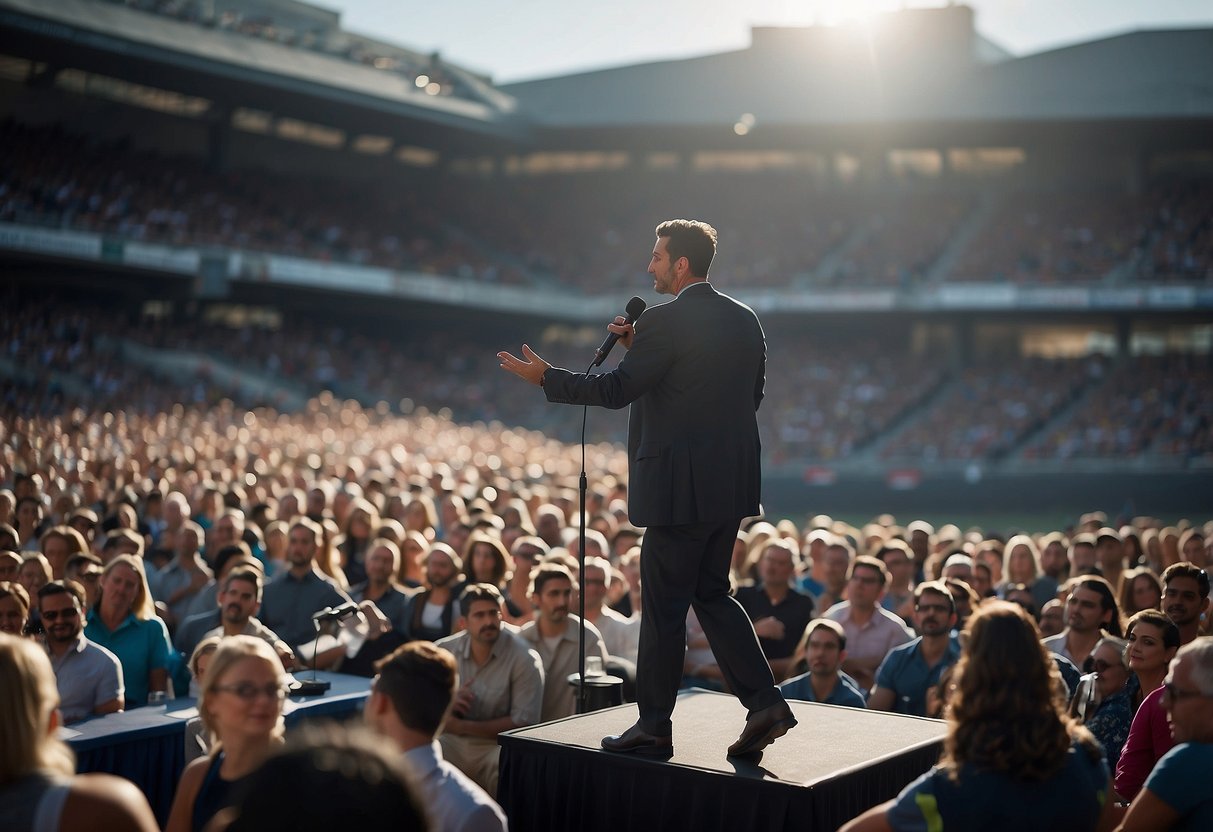
When seeking a professional sports speaker, it is essential to gauge their expertise and how well it aligns with the event theme.
We emphasize the importance of verifying the expertise and credibility of speakers for a truly impactful engagement. Their value proposition is often rooted in:
This diligence ensures that the speaker’s presence will augment the event's value.
The synergy between a speaker's profile and the event theme is critical. We focus on:
Finding this fit guarantees that the speaker amplifies the thematic experience of the event.
To secure a professional sports speaker and ensure the event's success, meticulous preparation and strategic speaker engagement are paramount.
We must first establish the event goals to align with our overall vision and strategy. This involves a clear understanding of what we hope to achieve, such as education, motivation, or brand alignment. Subsequently, identifying the target audience is crucial. We must consider the demographics, interests, and expectations of our attendees to ensure the speaker's message resonates effectively.
Creating a comprehensive speaker briefing is a critical step. This briefing will detail the event's theme, the role of the speaker, the expected outcomes, and how their engagement fits into the broader event timeline. It should be concise and actionable.
Optimizing timing and scheduling can significantly enhance the impact of a speaking engagement. We plan the speaker's slot when engagement levels are predicted to peak, considering any external factors that could affect attendees’ attentiveness. Coordination and communication with the speaker to ensure they’re available at the optimal time is also a key part of our strategy.
Securing a professional sports speaker involves meticulous planning and attention to detail. We must manage budget allocations, understand speaker fees, and navigate contractual nuances to ensure both parties are on the same page. Let's not forget the importance of arranging suitable accommodations and comprehensive travel plans. By focusing on these logistics, we can create a memorable event that meets our organization's standards and expectations.
Speaker Fee: Typically, professional sports speakers have set fees that vary greatly depending on their expertise, fame, and demand. We should begin by reviewing our budget to determine what level of speaker we can afford. It's crucial to factor in not only the speaker fee but also additional expenses like travel and accommodations.
Contractual Agreements: These formal agreements outline the expectations for both parties. We handle this aspect by engaging with the speaker’s management or agency to agree upon terms such as schedules, content, and any specific requests the speaker may have.
Accommodations: Securing comfortable and convenient accommodations is a priority. We ensure that lodging is booked well in advance and aligns with the speaker's preferences and standards.
Travel Details: We coordinate travel logistics including flights, ground transportation, and any special requests the speaker may have to ensure seamless arrival and departure.
When we secure a professional sports speaker, the success of our event heavily relies on effective marketing and promotion strategies. We focus on leveraging the digital landscape and creating engaging content that highlights our speaker's relevance and expertise.
Social media marketing is crucial for promoting our upcoming events with a professional sports speaker. We start by enhancing our speaker's profiles across various platforms, ensuring their latest achievements and headshots are up-to-date and reflective of their current status. An articulated social media strategy includes:
Through these methods, we communicate the value proposition of our event directly to interested parties, thereby increasing attendance and engagement rates.
The announcement of a professional sports speaker should capture the attention of our target audience and spark interest in the event. Our approach includes:
To supplement our announcements, we also distribute a press release to relevant sports and event news outlets, ensuring we cover all bases in our promotional efforts. Engaging communication strategies like these are essential in ensuring our event stands out and our speaker's expertise is highlighted properly.
In our expertise, we recognize that securing a professional sports speaker can tremendously enhance the event experience by fostering audience engagement and interaction, offering hands-on learning through workshops, and conducting post-event evaluations for continuous improvement.
We prioritize audience engagement as a critical aspect of a successful event. A professional sports speaker can energize the audience and motivate interaction through various techniques. To facilitate this, we suggest the following:
Workshops and breakout sessions add immense value to an event by enabling personalized learning experiences. We incorporate these sessions to:
Our approach to evaluating an event’s success includes:
By applying these methods, we ensure that each event we organize capitalizes on the unique opportunities presented when featuring a professional sports speaker.

When we plan an event, the impact our speaker will have hinges on their alignment with our event goals and the expectations of our audience.
The success of our event depends on how well the speaker resonates with the audience. We must be clear about our event's purpose—are we aiming to motivate, educate, or inspire? Knowing this helps us frame the content that will meet our audience's needs. For instance:
Once we understand our goals, the next step is research. We should create a list of potential speakers that includes professional sports figures and motivational speakers who best match our target audience's interests. Here's a way to approach this:
Finally, evaluating the expertise and experience of our potential speakers ensures their message aligns with our event's tone. We must consider:
By conducting thorough evaluations and matching the right speaker to our event, we lay the foundation for a remarkable and impactful experience for our audience.
In securing a professional sports speaker for your event, understanding budgeting intricacies and mastering negotiation are crucial steps. We'll explore the financial aspects and how to approach negotiations effectively.
Speaker fees can vary widely based on profile, demand, and speaking experience. To illustrate, an NFL legend who has appeared in the Super Bowl might command a higher fee compared to other sports figures. Factoring in your budget early is essential in targeting the right speaker. Below is a typical fee range for sports speakers:
For example, securing Jim Morris or Rudy Ruettiger, whose stories have captured millions, may be on the higher end due to their reputable statuses. Our event budget needs the flexibility to accommodate these potential costs without compromising other event elements.
When we engage with speakers or bureaus, prepare to negotiate with clarity. Here are key points:
An NBA star, for instance, might be more amenable to negotiation off-season. Likewise, speaker bureaus are adept at playing this field and may secure more favorable terms for us, especially if we show flexibility in our requests.
In organizing a successful event, we meticulously plan the movement of our professional sports speaker and carefully consider each aspect that contributes to a memorable attendee experience.
Travel Itinerary: We ensure all travel arrangements align with the speaker's schedule and event timings. We book direct flights whenever possible to minimize transit time and avoid potential delays.
Engagement Strategies: To create a compelling attendee experience, we:
Session Planning: We draft a clear agenda that highlights Q&A sessions, securing interaction between the speaker and attendees, fostering a sense of community and collaboration.
On-Site Coordination: We work closely with the venue to ensure:
Q&A Preparation: To optimize the value of Q&A sessions, we:
Securing a professional sports speaker can elevate the profile of your event, but marketing and promotion are critical to capitalizing on their presence. We'll explore strategies to utilize the speaker's online influence and optimize social media and other networking avenues to target the right audiences.
We understand that a speaker's online presence is a treasure trove for promotion. When we secure a professional sports speaker, especially one with a background in gymnastics for a corporate event or summit, we tap into their fanbase. To do this effectively, we coordinate with the speaker to have them share the event details on their platforms.
Our approach to marketing on social media is both strategic and creative. We employ AI tools to analyze trends and tailor our campaigns, ensuring we target enthusiasts, entrepreneurs, and industry influencers likely to attend a sports-centric corporate summit.
Promotional Campaigns: Utilize target-specific ads and influential networking to reach potential attendees.
Networking Events: We don't overlook the power of face-to-face interactions and ensure representation at key networking events prior to our summit, building anticipation and fostering connections with our core audience.
When organizing an event with a professional sports speaker, we often face various hurdles that test our resilience and determination. Being prepared to tackle these adversities ensures that our event runs smoothly.
Last-minute changes to our speaker lineup can significantly affect morale, but our commitment to the event’s success is unwavering. Here’s how we persist:
Create a Backup Plan:
Maintain Clear Communication:
Technical difficulties can test our perseverance, but understanding these limitations allows us to tackle them head-on.
Pre-Event Testing:
On-Site Support:
By addressing these challenges with clear strategies and staying motivated through adversity, we not only overcome obstacles but also strengthen our team's resilience for future events.
Securing the right speaker for your event often hinges on understanding their availability and the nuanced process of booking. Here we outline the vital steps and considerations.
When it comes to pinpointing the perfect speaker, research is pivotal. We consider whether to invite keynote speakers, who can captivate an audience with their insights, or motivational and celebrity speakers who can bring star power and draw attendees. We make a list of criteria that these speakers should meet, ensuring they align with the event's purpose and our audience's expectations.
Availability emerges as a crucial factor. It is affected by prior commitments, personal preferences, and the time of the year. We carefully examine the schedules of our ideal speakers and anticipate their busy periods, especially for high-profile figures who may have tightly packed agendas. The speaking fee and offer negotiation also play a role, as they contribute to a speaker's willingness to commit. Contractual assistance often comes into play to resolve these complexities smoothly.
To navigate the intricacies of speaker booking, we leverage contacts within agencies like the AAE Speakers Bureau or All American Speakers. Having trusty relationships with these booking agents aids in gaining accurate information about availability and fees. Connections in the industry provide a competitive edge in sealing the deal, as these professionals can facilitate a faster and more efficient booking process through their established networks.

To ensure the success of an event, leveraging industry connections is pivotal. We focus on cultivating a strong network, collaborating with speaker bureaus, and efficiently navigating negotiations to secure top-tier sports speakers.
Networking: It's the foundation of our event-planning strategy. By consistently engaging with professionals through platforms such as LinkedIn, we forge connections that become instrumental in event success. Our interactions with universities, professional organizations, and fellow event planners create a web of contacts we can rely on.
Partnerships with Full-Service Speaker Booking Agencies: When it comes to securing speaking engagements, collaboration with a reputable speaker bureau simplifies the process. These agencies have rosters of professional speakers, including sports figures, offering us a variety of options that align with our clients' needs.
Effective Negotiation Tactics: Mastering the art of negotiation is key. We bring our full expertise to the table, tailoring proposals to the speaker's interests and the event's requirements to secure their participation.
By meticulously implementing these strategies, the sports speakers we secure elevate our events, entice attendees, and leave a lasting impression, reinforcing our reputation for producing successful professional events.
We understand that securing a professional sports speaker is just the first step; the true success lies in how effectively we engage the audience and ensure the message has a lasting impact.
Audience involvement: We prioritize interactivity during events with live polls and Q&A sessions. This not only spikes interest but also maintains attention throughout the speaking session.
Video stories: Short, powerful videos are interspersed throughout presentations to visually underscore key motivational points, tapping into the emotions of our audience.
Post-event communications: After the main event, we engage attendees with a summary of key points and additional resources to keep the inspiration alive.
In today's interconnected world, technology plays a pivotal role in sourcing and securing professional sports speakers for events. We understand how to harness the power of online platforms and tools to ensure that the speakers you want are not just a possibility, but a reality.
Social media is an invaluable asset in our toolkit. Platforms such as Twitter, LinkedIn, and Instagram allow us to connect directly with professionals and their management teams. We make sure to:
Our approach integrates a host of innovative engagement tools that streamline the outreach and booking process. Customer Relationship Management (CRM) systems track our interactions, ensuring no detail is overlooked. Additionally, we use:
The rise of virtual event platforms like Zoom and WebEx has revolutionized our ability to host speakers from anywhere in the world. Our methods include:
Securing a professional sports speaker for an event hinges on meticulous planning and exceptional customer service. Our expertise in event logistics and overcoming challenges ensures a successful and memorable event.
When managing event logistics, we prioritize the speaker’s travel arrangements to ensure punctuality and comfort. Our logistics services include:
Key Logistics Entities:
Our approach to overcoming event challenges is proactive and solutions-focused. We anticipate and mitigate issues related to:
Key Challenge-Response Strategies:
By handling the logistical details and preparing for potential challenges, we secure the speaker’s presence and contribute to an inspiring and smoothly run event.
When planning an event, choosing the right sports speaker is critical to its success. Our focus is on essential criteria that ensure the speaker's expertise and experience align with the audience's demographics and interests.
We prioritize a sports speaker's expertise and experience because these are indicative of their ability to engage and inspire our audience. Expertise is measured by their knowledge depth within a particular sport or topic, while experience reflects their proficiency in public speaking and the history of events or teams they've been associated with.
Matching our sports speaker to our audience's demographics and interests is essential for a resonant experience. This involves analyzing our audience to ensure the speaker can connect with them, whether as a keynote speaker or a motivational speaker.
By meticulously considering these essential criteria, we lay the groundwork for an impactful and memorable speaking event.
When booking a professional sports speaker, we must meticulously align our event date with the speaker's availability and coordinate with the representative bureaus. By attentively managing these planning and scheduling aspects, we ensure the success of our corporate event.
Event Date: Selecting an event date is the first critical step. Our research must include public holidays, industry events, and potential conflicts to avoid scheduling issues.
Availability: After setting a provisional date, we explore the speaker's availability. A robust roster of speakers increases our chances of securing a high-caliber professional, but we must be prepared to be flexible. Last-minute changes are not uncommon in the sports world, and we prioritize backup options should our primary choice become unavailable.
Speaker Bureaus: These entities are invaluable in simplifying the booking process. Bureaus have an extensive network and insight into a speaker's calendar, which assists us in making informed decisions.
Logistics Management: Bureaus also play a key role in handling logistics, which includes travel arrangements, accommodation, and venue requirements. Clear communication with the bureau ensures that all details are covered, allowing for a seamless event experience.
Working with these agencies, we account for venue coordination, aligning our schedules with their roster, and ensuring that the speaker's requirements are met. Our proactive planning and collaboration with bureaus can lead to a remarkable event that resonates with all attendees.
When securing a professional sports speaker, we must consider the financial components that go into the booking process. This involves having clarity about speaker fees and ensuring our budget aligns with the costs we’re expected to cover.
Professional sports speakers come with an array of fees reflective of their credibility and career achievements. We're tasked with navigating these fees to match our budget. Speaker fees can include:
To effectively manage our budget, it’s critical to itemize these expenses upfront. We should consider:
Transparency in all financial dealings is crucial to avoid misunderstandings later in the booking process. This means clear communication about pricing and what is expected of both parties. We ensure transparency by:
By prioritizing transparency, we set realistic expectations and foster a professional relationship built on trust, which often enhances the overall experience.
By securing a top-tier sports speaker, we set the stage for an event that can truly resonate with our audience. Strategic planning ensures that the shared stories and achievements have maximum impact, leaving attendees inspired and motivated.
An engaging and memorable experience begins with a deep understanding of our audience. We must tailor content that touches upon universal themes of success, overcoming adversity, and team building. To achieve this, it's critical to:
Sports narratives should be woven into the event highlighting inspiring stories and achievements that reflect our shared human experience. It's these elements that transform a simple talk into a memorable experience.
Leveraging the inherent power in sports stories and achievements can exponentially boost the motivational aspect of the speaker's engagement. Implementing the following tactics can lead to a powerful impact:
We tap into the inspirational energy of sports figures who entertain while they educate, harnessing their stories to reinforce messages of persistence and teamwork. Their victories, both on and off the field, serve as vivid illustrations capable of driving home the principles of dedication and excellence.
In embracing these strategic approaches, we not only entertain but catalyze lasting team building and motivation, crafting an experience that's as impactful as it is unforgettable.
In organizing events with professional sports speakers, we must hone our public speaking skills and ensure that post-event activities bolster our future endeavors. Effective communication and participant feedback are pivotal for these outcomes.
Communication is at the heart of any successful event. To solidify the speaker-audience bond, we recommend interactive elements like a Q&A session. This strategy not only amplifies participation but also showcases the speaker's public speaking expertise. Here's how we can enhance this connection:
This approach ensures that the event is not a one-way stream but a dynamic exchange of ideas and experiences.
Efficiency and improvement in subsequent events hinge on our ability to utilize feedback effectively. Two-pronged feedback collection is advised:
Incorporate feedback mechanisms:
By meticulously analyzing this data, we can pinpoint areas for refinement, ensuring that our future events are more tailored and impactful. The process of reflection and feedback analysis is integral to our continuous growth and is an investment in the efficiency of our future engagements.
Before securing a professional sports speaker, we must have a clear understanding of our event's objectives. This clarity guides us in making informed decisions that set the foundation for a successful event.
We begin by outlining our event's goals. These objectives could range from inspiring teamwork, promoting a health and wellness program, to raising funds for a charitable cause. By defining what success looks like to us, we can identify the type of speaker who can best convey our event's core message and goals.
Through this process, our target audience's needs and expectations become paramount. Drawing a clear line between our goals and the interests of our audience ensures that the event resonates and is memorable.
Understanding our audience is essential in selecting a sports speaker. We carefully analyze the demographics and interests of our attendees to align them with the speaker's expertise and appeal.
By meticulously targeting the right audience, we position our event for success, ensuring that the content delivered is impactful and aligns with our attendees' expectations. This strategic approach helps to maximize engagement and deliver a successful event that resonates long after it concludes.

When planning an event, securing a captivating sports speaker can be the difference between a good event and a great one. Our expertise guides you through understanding athlete speaker profiles to finding the ideal talent, ensuring your audience is thoroughly engaged.
Every sports speaker has a unique story and skill set that resonates differently with various audiences. We begin by identifying the event’s objectives and the message we aim to convey. We then match these goals with an athlete speaker's achievements, speaking style, and personal brand. For instance:
Creating a profile matrix helps us visualize the ideal candidate:
| Achievement Level | Topic Expertise | Audience Relevance |
|---|---|---|
| Olympic Gold Medalist | Team Building | High |
| World Champion | Overcoming Adversity | Medium |
| Record Breaker | Motivational Speaking | Low |
Once we have a clear profile in mind, navigating sports speaker agencies becomes our next step. Agencies play a critical role in the selection and booking process; they provide a roster of vetted talent and handle the logistical elements of securing a speaker. Here’s what we focus on:
Contracting through a reputable agency increases the likelihood of a successful event by ensuring that the sports speaker aligns with our objectives and that all contractual details are professionally handled.
When organizing an event that features a professional sports speaker, understanding the logistics and finalizing engagement details are crucial. We aim to cover pivotal aspects such as booking the speaker and arranging their speaking slot to ensure the success of the event.
After identifying the ideal sports speaker, immediate action on booking them is essential. Reach out with a proposal that includes event details, the date, and the honorarium. It’s advisable to have a written contract that outlines:
When it comes to negotiations, be prepared with background knowledge on the speaker’s typical charges and terms. Remember, securing a high-profile individual often requires flexibility and understanding of their schedule and demands.
Once the booking is confirmed, our focus shifts to the specifics of the speaking engagement. It's pivotal to communicate our expectations and ensure they align with the speaker’s expertise. Confirm the following:
An itinerary should be provided to the speaker that includes information about the meeting or conference, along with a schedule of their appearance. It's beneficial to facilitate a pre-event briefing to go over the event's proceedings and address any last-minute inquiries or concerns.
Achieving a lasting impact from your event hinges on crafting memorable experiences and capitalizing on marketing opportunities. As event planners, we ensure that these elements work in tandem for the success of corporate events or charitable causes.
When we select a professional sports speaker, our aim is to ignite motivation among the audience. It is crucial to align the speaker's message with the event's theme to ensure the attendees are inspired. Incorporating compelling narratives of perseverance and victory, sports celebrities can connect on a personal level, leaving a lasting impression.
| Considerations for Motivational Experience | Importance |
|---|---|
| Relevance to Audience | Creates relatability |
| Speaker's Achievements | Inspires aspiration |
| Authenticity and Passion | Fosters engagement |
Sports celebrities bring a high degree of visibility to events, making them invaluable for sports marketing efforts. We expertly leverage their fame to attract attention and enhance attendance. By promoting their presence through strategic marketing channels, sports celebrities can elevate awareness for the event and any associated charitable cause.
By focusing on these elements, we craft an event that maximizes impact through motivational enrichment and strategic marketing.
After the crowd's applause has faded and the sports speaker has left the stage, our responsibility as event planners continues. We assess the impact of the speaker on our audience and integrate the learnings into future event strategies.
Gathering Immediate Feedback: Right after the event, we solicit feedback from attendees, gauging their responses to the speaker's presentation. This can take the form of:
By analyzing this data, we determine the speaker's impact on our audience.
Quantitative Success Metrics: We review key performance indicators like:
These metrics offer a tangible measure of the speaker's success.
Strategic Follow-up: To maintain momentum, we execute a timely follow-up strategy, which includes:
Incorporating Learnings: We review the speaker’s impact and use these insights to inform decisions for upcoming events. This includes:
Our approach ensures each event becomes a stepping stone to the next, forging a path of continuous improvement and audience satisfaction.
Securing the right professional sports speaker can significantly impact the success of our event, whether it's to inspire our audience, add value, or meet our event goals. We must navigate through selecting an ideal speaker, aligning with our objectives, and budgeting appropriately.
To connect with our target audience effectively, we need to identify a professional sports speaker whose experience and reputation align with the event's type and goals. Our selected speaker should possess a career or background that resonates with our audience's interests. Consider the speaker's expertise in specific sports and their potential to engage and inspire the attendees. Researching the speaker's previous speaking engagements can offer insight into their suitability for our event.
Our expectations and goals should be clear from the outset. We aim to set realistic objectives for what we wish to accomplish with our speaker's presence. Whether the aim is to motivate our staff, raise funds, or simply provide entertainment, understanding the goal helps in measuring the value and success of the event post-completion. It’s vital to communicate these objectives with the potential speaker to ensure they can deliver the desired impact.
Budgeting for a professional sports speaker is a critical step in the preparation process. Speaker fees vary widely based on profile, expertise, and demand. To manage our budget effectively, we should:
Our budget should be balanced with the expected outcomes to ensure we are investing wisely and that the fees align with the anticipated value the speaker will add to the experience of our attendees.

Before securing a professional sports speaker for your event, it’s crucial to formulate a well-thought-out strategy. Our approach integrates relationship-building, efficient use of speaker bureaus, and a polished communication plan that resonates with the talent.
We prioritize fostering strong relationships within sporting and corporate circles, as these networks are invaluable in accessing high-profile sports figures. By actively participating in industry events and maintaining an engaged presence on platforms like LinkedIn, we enhance our visibility and credibility. Networking enables us to connect with a panel of prospective speakers whose profiles align with our event's vision.
Working with established speaker bureaus is a reliable method for identifying and securing sports speakers with the desired expertise and experience. These agencies provide a comprehensive database of speaker profiles, offering a broad spectrum of candidates suitable for keynote addresses or panel discussions. We:
Our communication plan centers around a clear and persuasive pitch, precisely articulating the value and vision of our event. We carefully outline the speaker's role, the audience's expectations, and the benefits of participation. We ensure that every touchpoint, from the initial outreach to follow-up, demonstrates professionalism and respect for the speaker's time and expertise.
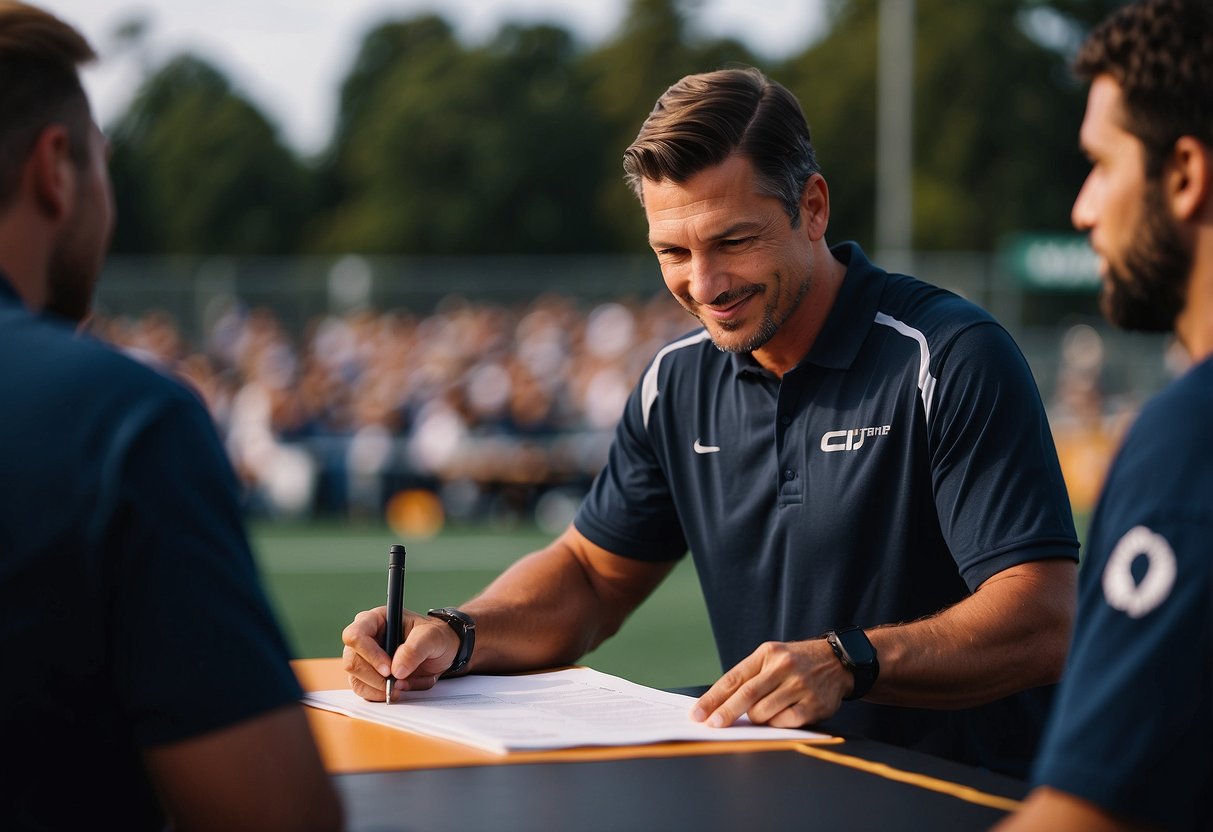
Securing a professional sports speaker requires careful attention to both logistical coordination and the specifics of a binding agreement. We will guide you through the intricacies of contract negotiations and the coordination of travel and accommodation to ensure a seamless experience.
When drafting a speaker agreement, it is crucial to clearly define the scope of services, including the schedule, expected duties, and duration of the appearance. Make sure the contract is explicit about:
Managing the logistics of a speaker's visit involves a detailed look at their travel and accommodation needs. Consider the following:
Securing a professional sports speaker can dramatically elevate your event's profile. Our promotion strategies aim to harness the speaker's influence and credibility to boost attendance and create a buzz.
Expanding Our Audience Through Diverse Channels: We prioritize a multi-channel approach to reach a wider audience. This includes:
Showcasing Speaker Highlights: We style our promotional content to showcase:
Creating Impactful Content Across Platforms: We stimulate online conversation by:
Building on the Speaker's Reputation:
Once a professional sports speaker is secured for your event, our focus shifts to execution and nurturing the budding relationship.
We acknowledge the importance of the speaker's satisfaction as it directly impacts the outcome of the event. Here are a few tactics to ensure a smooth experience:
After the event, we conclude with strategic follow-up actions:
By incorporating these strategies, we ensure that the speaker's expertise leaves a lasting impression while paving the way for future opportunities.
In organizing high-demand events, we emphasize the importance of recognizing speaker demand patterns and implementing a robust speaker selection process. This strategy ensures that we secure the most influential and sought-after speakers in the industry.
Industry Trends: By staying informed on current industry trends, we can identify which topics are generating the most interest and will likely draw large audiences. This information helps us pinpoint speakers with the expertise that is in high demand for our event.
Selection Criteria: We establish clear criteria for speaker selection based on relevance, expertise, and their ability to deliver engaging workshops or presentations.
Diverse Panels: Striving to create diverse panels, we ensure a mix of backgrounds, perspectives, and speaking styles to cater to a broad audience.
Open Submissions: We launch a call for speakers to invite aspiring keynote speakers and workshop leaders to submit their topics and qualifications. This approach helps gauge interest in various topics and identify emerging experts.
| Call for Speaker Benefits | Description |
|---|---|
| Broad Participation | Encourages a wide range of participants, from established to rising stars in the industry. |
| Community Engagement | Fosters a sense of ownership and engagement within the community as they contribute directly to the event's agenda. |
We also monitor the level of engagement each call for speakers receives, allowing us to adjust our strategies and ensure that our speaker lineup meets the audience's expectations.

To ensure the success of an event, we must synchronize our event schedule with speaker engagements. Our planning should reflect a mastery in time management and an in-depth understanding of our event goals, theme, and target audience.
Event Schedule:
We create a specific, minute-by-minute event schedule. This rigorously detailed approach assures that each segment aligns with the overarching event theme and caters to our target audience.
| Time | Activity |
|---|---|
| 08:00 AM | Registration and Welcome Coffee |
| 09:00 AM | Opening Remarks by Keynote Speaker |
| ... | ... |
| 05:00 PM | Closing Ceremony |
Key Points:
Booking Timeline:
Our booking timeline is essential for guaranteeing speaker availability. It encompasses all critical stages from initial contact to post-event follow-ups.
Strategic Considerations:
Speaker Engagement:
Engagement with our speakers is proactive and ongoing. We ascertain their availability by engaging with their representatives and tracking their calendars meticulously.
Engagement Strategies:
Availability:
Maintaining a pool of backup speakers is part of our strategy. Should a speaker become unavailable, we have reliable alternatives who are informed about the event goals and ready to step in.
Focused Actions:
By strategically planning, we ensure not only the availability of speakers but also an event experience that is seamless and enjoyable for everyone involved.

We understand the crucial role of effective marketing and promotion strategies in ensuring speaker availability for high-demand events. Our focused approach revolves around optimizing our online presence and engaging potential speakers through proven social media tactics, complimented by harnessing their reputation and the powerful impact of social proof.
In cultivating our online presence, we prioritize creating a robust, content-driven YouTube channel. This platform allows us to showcase past events and highlight speeches from notable speakers, which in turn attracts future talent.
Our social media strategy is tailored to foster a community around our events. By consistently posting engaging content, we encourage speakers to join our platform due to the enthusiastic audience we build.
We actively leverage the reputation of our speakers to boost the allure of our conferences. This involves highlighting their credentials, experience, and past speaking engagements, making the event more attractive to them considering it adds value to their professional standing.
In conclusion, our marketing and promotion strategies are meticulously crafted, encompassing an enhanced online presence with a strategic social media outreach, and capitalizing on the reputation and social proof of speakers to ensure they are motivated to participate in our high-demand events.
When orchestrating high-demand events, we prioritize the comfort and engagement of event speakers as these elements directly contribute to the quality of their presentations and the overall event success.
Travel and Accommodation: We coordinate travel itineraries and book accommodations well in advance to promise a hassle-free experience. Resorting to reliable transportation services and high-quality hotels ensures that speakers can relax before and after their engagement.
Technology and Accessibility: Our team guarantees access to high-speed internet and state-of-the-art technology during their stay. Ensuring speakers have the tools they need on hand, including presentation remotes and audio-visual equipment, reinforces our commitment to professionalism.
Networking Opportunities: We construct spaces designed for meaningful networking, inviting interaction between guest speakers and attendees. VIP areas and pre-event mixers are anchored in our strategy to enhance professional connections.
Audience Interaction: To encourage active audience engagement, we provide platforms for Q&A sessions and interactive technologies like live polling systems. Our technology provisions ensure a two-way flow of communication, enriching the experience for both speakers and attendees.
In adapting to the ever-changing event landscape, we prioritize agile methodologies in speaker management and audience engagement. Our approach ensures speakers are effectively scheduled and participants remain captivated, regardless of the event format.
The transition to virtual events has been a critical pivot during the pandemic. We carefully select online platforms that offer robust features for speaker and agenda-management. Here's how we streamline the process:
Through these steps, we maintain a seamless transition of our in-person events to the virtual space, keeping audience engagement at its peak.
Engaging audiences across both virtual and in-person formats demands a tailored approach to event planning. Here's our strategy:
Implementing these engagement tactics ensures each participant, whether remote or onsite, experiences the full value of our events.
When we embark on booking a sports speaker, understanding the intricacies of their scheduling is critical. We must navigate through common conflicts and thoroughly assess their availability to avoid any potential overlaps.
In our experience, the most frequent scheduling conflicts arise when speakers have competing events or personal commitments. Sports speakers often have dynamic schedules, including training, commentating, and other personal engagements, leading to time slots that can rapidly fill. It's not uncommon to encounter scenarios where a speaker is inadvertently double-booked, especially during peak sports seasons or around major sporting events.
To mitigate such issues, we maintain a keen eye on the following points:
Understanding a sports speaker's existing commitments is just as pivotal as knowing their availability. We scrutinize their calendars for any prior engagements that could lead to speaker schedule conflicts, as these can complicate the booking process. During our assessment, our end goal is to find a suitable time slot that aligns with both our event schedule and the speaker's.
Our steps for evaluating availability include:
By rigorously analyzing these elements, we ensure that the sports speaker we book can engage with our audience without the distraction of conflicting schedules.
Before we dive into specific strategies, it's crucial to acknowledge that successful booking of a professional sports speaker hinges on robust communication flows and precise coordination. We'll explore how to best employ these tactics via established channels, clear parameters, and advanced tools.
Timely and transparent communication is the cornerstone of scheduling a renowned sports figure. We recommend utilizing multiple platforms—emails, phone calls, and video conferences—to maintain open communication. It's key to designate a primary contact person to ensure messages are received and responded to swiftly.
We cannot overstate the importance of setting clear expectations and guidelines from the onset. It minimizes misunderstandings and sets a solid foundation for future interactions. Here's how we can articulate these expectations:
Clear communication about these aspects helps mitigate potential schedule conflicts and ensures everyone is aligned on the event's objectives and logistics.
In our experience, technology is a powerful ally in managing and synchronizing schedules. We recommend incorporating scheduling tools into our process for efficient coordination. Suggested tools include:
This approach not only reduces the likelihood of double-booking but also enhances mutual visibility into open slots, making the coordination process more streamlined and transparent.
By integrating these strategies, we craft a framework that guides effective communication and coordination, crucial to securing a professional sports speaker for any event.

When booking a professional sports speaker, we prioritize proactive measures to eliminate scheduling conflicts and manage timelines efficiently.
Our approach: We consistently track and evaluate our speaker's commitments to prevent any potential overlaps. By scrutinizing their existing engagements, we identify and mitigate schedule clashes before they occur. Here's how we do it:
If overlaps do arise, our focus shifts to negotiating alternate times that benefit all parties involved. Our strategic approach includes:
We employ efficient scheduling techniques that ensure meticulous time management:
By incorporating these practices, we stand at the forefront of effective schedule management for professional sports speakers.
In organizing a sports event that includes professional speakers, our focus must be on a meticulous planning process and ensuring that both speaker and audience needs are aligned for a successful event flow.
To maintain an engaging event flow, we must address the availability and requirements of both the speaker and the audience. We create a speaker profile that includes:
Simultaneously, we must respect our audience's expectations by:
Our goal is to reflect a diverse range of perspectives during the sports event, which requires strategic inclusion efforts:
By coordinating with our team, we ensure these goals are integral parts of our event planning, resulting in a program that is comprehensive and inclusive.
When we embark on event planning, particularly for conferences, it is crucial to ensure our speaker's availability is secured well in advance. The first step is to initiate speaker outreach. This involves contacting potential speakers early, to align with their schedules.
| Timeline | Action Step |
|---|---|
| 6-12 months prior | Begin initial outreach |
| 3-6 months prior | Confirm speaker availability |
| 1-3 months prior | Finalize engagement details |
We should aim for a soft confirmation during our initial outreach, followed by a formal agreement closer to the event. The speaker agreement should detail the timing, topic, and logistics to prevent any confusion.
In summary, securing speaker availability is a foundational aspect of event planning. It necessitates early and ongoing communication, proper timing, and a clear understanding of what the speaker will provide. Keeping these points in mind, we enhance the chances of hosting a successful and enriching event.
When organizing an event, ensuring that we fully understand and meet the speaker's requirements is crucial for a successful engagement. This includes a comprehensive knowledge of their technical needs as well as careful handling of travel and accommodation details.
The technical requirements for speakers can vary significantly based on the event's scale and their presentation style. It’s our responsibility to confirm whether the speaker needs specific technology such as a lapel microphone, a podium, or particular audio-visual equipment.
Addressing travel and accommodations early in the planning process is integral to securing the speaker's commitment.
By attending to these details, we pave the way for a polished and professional event.
When planning an event, allocating funds for speaker engagement is crucial. Our budget must account for the speaker's fee, which can vary widely based on their expertise and notoriety. Early negotiation is beneficial for ensuring the most value for our investment.
To approach this effectively, we start by setting aside a portion of our event budget specifically for speakers. This approach allows us to handle unexpected costs without compromising the quality of our speaker lineup. Here's a basic framework of how we might distribute our budget:
| Percentage of Budget | Allocation |
|---|---|
| 50% | Speaker Fee |
| 20% | Travel and Accommodations |
| 15% | Audio/Visual and Equipment Needs |
| 10% | Marketing & Promotion |
| 5% | Miscellaneous & Contingency |
Tips for Negotiating Speaker Fees:
We keep these allocations flexible, understanding that some speakers will offer more extensive packages than others. Being equipped with market knowledge, we can negotiate from a position of strength, aiming to find a balance between cost and the speaker's potential to elevate our event's success. Efficient budgeting enables us to secure top talent while maintaining financial health for the entire event.
When we focus on securing a speaker's availability, nurturing professional relationships is key. These relationships thrive on effective communication. Our strategy must include both traditional and modern channels: phone, email, and diverse social media platforms such as LinkedIn and Twitter.
Here's how we ensure effective networking:
Meeting professionals at networking opportunities allows us to form connections that may be crucial for securing top speakers. Industry events and conferences provide us with environments to discuss mutual interests and establish rapport.
Let's consider this:
| Method | Purpose | Frequency |
|---|---|---|
| Phone | To confirm details and establish a direct connection | Occasionally |
| To send formal requests and follow-ups | Regularly | |
| LinkedIn Message | To maintain the connection and share updates | As needed |
| To engage with speakers' content and build rapport | Frequently |
By combining these methods, we maintain relationships that are not just transactional but also collaborative. As we navigate the maze of professional networking, leveraging these tactics ensures the speaker not only remembers us but looks forward to our events. Building these bridges is not an overnight task; it requires consistency, authenticity, and respect.
Securing the speaker early enhances our marketing and outreach strategy, ensuring better audience engagement and attendee satisfaction.
We leverage the confirmed presence of high-profile speakers to bolster our event's value proposition, translating into robust marketing campaigns. By announcing speakers early, we tap into their followers on social media platforms, driving anticipation and amplifying our reach. The strategy aligns with our event goals to maximize exposure and ticket sales.
Announcing speakers early cultivates a culture of audience engagement. It allows us to interact with potential attendees through Q&A sessions, polls, and discussions related to the speaker's topic, fostering a community before the event even begins.
Attendee satisfaction is heightened as they feel involved from the outset, laying the groundwork for a memorable event experience.
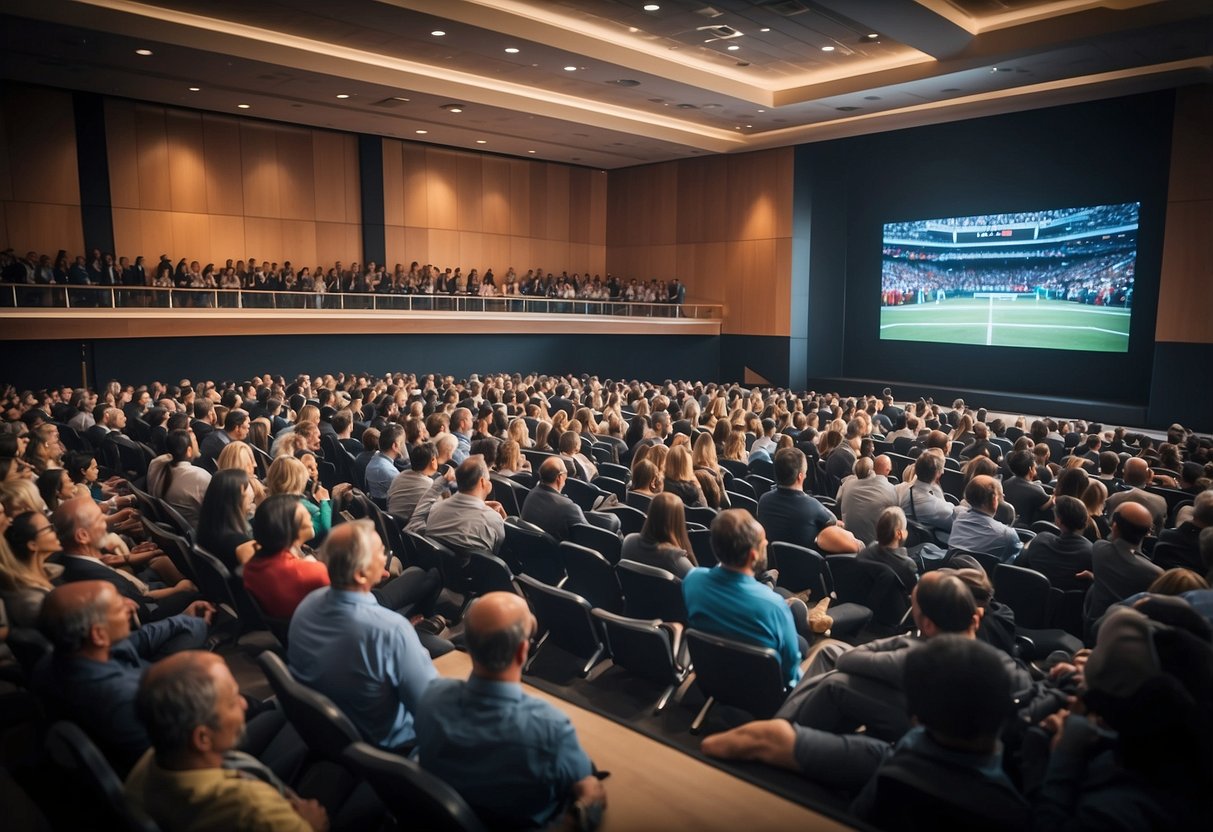
The professional speaker market has expanded significantly with the rising demand for sports personalities at various events. In examining the market size, we recognize that the global market encapsulates a diverse range of sectors from corporate events to charitable fundraisers. Our assessment indicates a consistent growth in this niche, with a Compound Annual Growth Rate (CAGR) indicative of its potential.
When we conduct a value chain analysis, it is evident the market involves multiple stakeholders including speaker bureaus, event organizers, and the speakers themselves. This chain impacts the overall market value, which has seen appreciable increase year-on-year. The market share among sports personalities often correlates with their on-field success and off-field popularity.
Forecast trends suggest the market will continue to grow, driven by a surge in demand for motivational and inspirational speaking engagements. Moreover, digital platforms have expanded market reach, allowing personalities to engage with global audiences.
Our insight into the industry confirms its dynamic nature. We maintain a neutral perspective yet recognize the potential for speakers with a unique story or significant achievements to command higher fees. It is crucial to monitor these trends for strategic positioning within the professional speaker market.
| Key Entity | Insights |
|---|---|
| Industry | Dynamic, Expanding |
| Professional Speakers | Central to Value Chain |
| Market Size | Increasing |
| Global Market | Wide-reaching, Digitally Aided |
| Value Chain | Multi-stakeholder, Complex |
| Market Share | Tied to Popularity & Success |
| Growth | Steady, with Positive Forecast |
| CAGR | Reflective of Market Potential |
Our approach aligns with the latest SEO strategies, leveraging analytics to resonate with our target audience and enhance online visibility.
As experts scrutinizing the speaker fees for professional sports personalities, we witness substantial regional diversity impacting the market size and share, underpinned by various local trends and economic factors.
The North American market remains a robust milieu for speaker fees, commanding a significant share due to the presence of major sports leagues like the NFL, NBA, and MLB. In this region, fees reflect the high demand, especially in the United States and Canada, where star athletes' endorsements and speaking engagements command premium rates. We discern a trending increase in fees, particularly for personalities associated with globally followed events such as the Super Bowl and NBA Finals.
Europe's market, characterized by its size and diversity, leverages a rich football (soccer) heritage, with speaker fees reflecting this regional passion. Sports personalities from thriving leagues such as the English Premier League and UEFA Champions League receive considerable attention, substantiating their dominance in the speaker circuit. Countries like the UK, Germany, and Spain are pivotal for high-profile appearances, and the market suggests a steady upward trend in fees, aligning with global sporting events hosted in the region.
Diverse and rapidly evolving, the Asia Pacific region demonstrates a marked growth in speaker fees, paralleling the expansion of sports popularity. Countries like China, Japan, and Australia are investing in sports infrastructure and events, hence providing ample opportunities for sports speakers. There is a particular surge in motivational speaking by athletes in corporate events, indicative of a blend between sports popularity and business cultures in the region.
Latin America and the Middle East and Africa (MEA) zones collectively unveil a burgeoning speaker market. Latin America, with its deep-rooted football culture, is seeing escalating speaker fees as the sport continues to amass followers. Similarly, the MEA basks in the spotlight with significant investments in sports and an increased enthusiasm for athlete speakers, particularly around large-scale events like the FIFA World Cup in Qatar. This denotes a positive trend for growth in speaker fees across these regions.

Technological advancements have significantly reshaped speaker fees and booking processes for professional sports personalities by introducing innovative audio and connectivity solutions.
We're witnessing a surge in the integration of the Internet of Things (IoT) into audio equipment, which has led to smarter and more efficient event setups. By implementing IoT, speakers and venues can optimize audio quality and allow for streamlined communications. These advancements mean professional sports personalities can often expect higher speaker fees, as their presentations become more interactive and engaging, leveraging trend-driven insights into audience preferences.
Wireless and smart technology are profoundly altering how we access and experience speaking events. The proliferation of wireless microphones and speakers enhances the mobility of sports figures during talks, allowing for more dynamic interactions. Smart technology, including smartphone apps and wearable devices, enable real-time analytics and feedback, elevating the value that sports personalities bring to an event. These technologies not only facilitate seamless event logistics but also push the trend towards more personalized and immersive experiences.
When examining speaker fees for professional sports personalities, it's crucial to consider the intricate economic factors at play. These include the aftermath of the COVID-19 pandemic, the balance of supply and demand, and the impact of material costs on profit margins.
The COVID-19 pandemic severely impacted the sports industry, causing widespread cancellations and postponements of events. This led to a volatile market for speaker fees. As the pandemic restrictions eased, there was an increased demand for in-person appearances, yet the supply was limited due to safety concerns and scheduling conflicts. Consequently, speakers with high marketability experienced a surge in their fees due to the pent-up demand, while others saw a decrease.
The speaker market for sports professionals operates on classic supply and demand principles. If a speaker holds a particularly high profile because of recent achievements or publicity, the demand for their presence at events increases. Conversely, when the market is saturated with multiple personalities of similar caliber or there is a downturn in sports viewership, supply outstrips demand, leading to reduced fees. Price equilibrium is constantly shifting based on these market sentiments.
While material costs may seem less directly relevant to speaker fees, they play a role in determining the overall budget for events, including speakers' compensation. Organizers must account for venue, equipment, and promotional expenses, which all affect the profit margins they aim for. A rise in material costs can limit how much organizers are willing to spend on speakers, influencing their fees as a result. Visible in the speaker circuit, cutting-edge presentation technology often commands higher fees, but if the material costs associated with these technologies soar, event planners may adjust their budget allocations, affecting speaker fees.
In analyzing the speaker fee market for professional sports personalities, we must scrutinize the role of major manufactures and the nature of partnerships shaping the industry.
Yamaha, Bose Corp, and Harman International Industries stand as the titans in the audio equipment domain, each commanding a significant share of the market. Yamaha, renowned for its technological prowess and wide product range, has consistently invested in innovation to retain its competitive edge. Bose Corp impresses with its premium-quality sound systems and has carved out a formidable niche by catering to high-end consumer segments. Lastly, Harman International Industries, under the umbrella of Samsung Electronics, leverages extensive R&D to offer advanced audio solutions, from personal audio devices to professional sound systems used by sports personalities. Collectively, these key players dictate market trends through their strategic movements.
The landscape is further defined by an ongoing push for innovation and strategic partnerships. For instance, Bose Corp has been at the forefront of noise-cancellation technology, a feature highly appealing for sports events that demand clarity amidst crowds. Partnership patterns also reveal a keen focus on enhancing user experiences. Harman's alliances with sporting events and exclusive contracts with sports personalities are part of a broader strategy to integrate their products within the athletic world. This enters into direct competition with vendors that cater exclusively to sports markets. Through these collaborative efforts, companies are not only advancing technology but also ensuring that their brands are synonymous with the sports industry.