Essential Criteria for Selecting a Sports Speaker

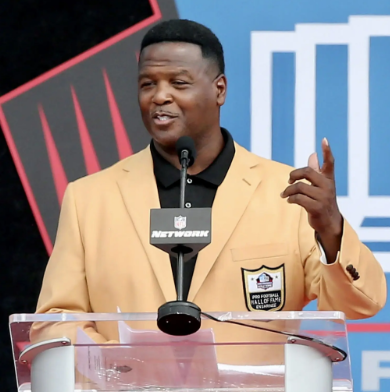
A podium with a microphone, a crowd of people, and a sports-themed backdrop

When planning an event, choosing the right sports speaker is critical to its success. Our focus is on essential criteria that ensure the speaker's expertise and experience align with the audience's demographics and interests.

Assessing Sports Speaker Expertise and Experience

We prioritize a sports speaker's expertise and experience because these are indicative of their ability to engage and inspire our audience. Expertise is measured by their knowledge depth within a particular sport or topic, while experience reflects their proficiency in public speaking and the history of events or teams they've been associated with.

  • Knowledge of Sports: Understand their level of insight into the sports in question.
  • Public Speaking Skills: Evaluate their ability and history of engaging diverse audiences.
  • Previous Engagements: Review past speaking engagements, focusing on those similar to ours in scope and audience.
  • Reputation: Look at feedback from previous talks to gauge reliability and impact.

Considering Audience Demographics and Interests

Matching our sports speaker to our audience's demographics and interests is essential for a resonant experience. This involves analyzing our audience to ensure the speaker can connect with them, whether as a keynote speaker or a motivational speaker.

  • Audience Age: Ensure the speaker can relate to the age range of the audience.
  • Sports Interests: Ascertain that the speaker's sports background aligns with the audience's preferences.
  • Audience Expectations: Align the speaker's topics with what our audience seeks, whether motivational stories, strategic insights, or anecdotal sports experiences.

By meticulously considering these essential criteria, we lay the groundwork for an impactful and memorable speaking event.

Planning and Scheduling Considerations


When booking a professional sports speaker, we must meticulously align our event date with the speaker's availability and coordinate with the representative bureaus. By attentively managing these planning and scheduling aspects, we ensure the success of our corporate event.

Understanding Event Date and Speaker Availability

Event Date: Selecting an event date is the first critical step. Our research must include public holidays, industry events, and potential conflicts to avoid scheduling issues.

Availability: After setting a provisional date, we explore the speaker's availability. A robust roster of speakers increases our chances of securing a high-caliber professional, but we must be prepared to be flexible. Last-minute changes are not uncommon in the sports world, and we prioritize backup options should our primary choice become unavailable.

Coordinating with Speaker Bureaus and Agencies

Speaker Bureaus: These entities are invaluable in simplifying the booking process. Bureaus have an extensive network and insight into a speaker's calendar, which assists us in making informed decisions.

Logistics Management: Bureaus also play a key role in handling logistics, which includes travel arrangements, accommodation, and venue requirements. Clear communication with the bureau ensures that all details are covered, allowing for a seamless event experience.

Working with these agencies, we account for venue coordination, aligning our schedules with their roster, and ensuring that the speaker's requirements are met. Our proactive planning and collaboration with bureaus can lead to a remarkable event that resonates with all attendees.

Financial Aspects of Hiring a Professional Sports Speaker

A professional sports speaker stands on stage, surrounded by a crowd of attentive listeners. A large screen behind them displays financial data and statistics related to the topic of their presentation

When securing a professional sports speaker, we must consider the financial components that go into the booking process. This involves having clarity about speaker fees and ensuring our budget aligns with the costs we’re expected to cover.

Navigating Speaker Fees and Budgeting

Professional sports speakers come with an array of fees reflective of their credibility and career achievements. We're tasked with navigating these fees to match our budget. Speaker fees can include:

  • Base speaking fee
  • Travel expenses
  • Accommodation costs
  • Per diem rates
  • Ancillary fees (e.g., equipment rental)

To effectively manage our budget, it’s critical to itemize these expenses upfront. We should consider:

  1. Consulting the sports speaker or their agent to obtain a detailed fee structure.
  2. Analyzing past event budgets to gauge common expenses.
  3. Anticipating additional costs that could arise unexpectedly.

The Importance of Transparency in Cost and Expectations

Transparency in all financial dealings is crucial to avoid misunderstandings later in the booking process. This means clear communication about pricing and what is expected of both parties. We ensure transparency by:

  • Requiring a detailed contract that outlines every aspect of the engagement.
  • Confirming the scope of work, including the length and format of the presentation.
  • Discussing potential overage fees or cancellation policies.

By prioritizing transparency, we set realistic expectations and foster a professional relationship built on trust, which often enhances the overall experience.

Maximizing the Impact of the Sports Speaker Engagement

By securing a top-tier sports speaker, we set the stage for an event that can truly resonate with our audience. Strategic planning ensures that the shared stories and achievements have maximum impact, leaving attendees inspired and motivated.

Creating an Engaging and Memorable Experience

An engaging and memorable experience begins with a deep understanding of our audience. We must tailor content that touches upon universal themes of success, overcoming adversity, and team building. To achieve this, it's critical to:

  • Select relatable topics: Choose themes that mirror the interests and challenges of the audience.
  • Focus on emotional connection: Utilize stories that evoke emotional responses to amplify the engagement level.

Sports narratives should be woven into the event highlighting inspiring stories and achievements that reflect our shared human experience. It's these elements that transform a simple talk into a memorable experience.

Leveraging the Power of Sports Stories and Achievements

Leveraging the inherent power in sports stories and achievements can exponentially boost the motivational aspect of the speaker's engagement. Implementing the following tactics can lead to a powerful impact:

  • Highlight success stories: Dive into accounts of remarkable success and apply them to broader life and business contexts.
  • Address overcoming challenges: Share authentic tales of overcoming adversity, which often resonate deeply and inspire others to face their own hurdles.

We tap into the inspirational energy of sports figures who entertain while they educate, harnessing their stories to reinforce messages of persistence and teamwork. Their victories, both on and off the field, serve as vivid illustrations capable of driving home the principles of dedication and excellence.

In embracing these strategic approaches, we not only entertain but catalyze lasting team building and motivation, crafting an experience that's as impactful as it is unforgettable.

Fostering Effective Communication and Post-Event Reflection

In organizing events with professional sports speakers, we must hone our public speaking skills and ensure that post-event activities bolster our future endeavors. Effective communication and participant feedback are pivotal for these outcomes.

Strengthening Speaker-Audience Connection

Communication is at the heart of any successful event. To solidify the speaker-audience bond, we recommend interactive elements like a Q&A session. This strategy not only amplifies participation but also showcases the speaker's public speaking expertise. Here's how we can enhance this connection:

  • Prior to the event: Share topics and gather questions from the audience to inform the speaker.
  • During the event: Foster a welcoming environment for questions and encourage audience interaction.
  • Post-event: Offer opportunities for attendees to meet the speaker, when feasible, to deepen the sense of connection.

This approach ensures that the event is not a one-way stream but a dynamic exchange of ideas and experiences.

Utilizing Feedback to Improve Future Events

Efficiency and improvement in subsequent events hinge on our ability to utilize feedback effectively. Two-pronged feedback collection is advised:

  • Immediate Feedback: Gather quick reactions post-event through digital polls or physical feedback forms.
  • Detailed Testimonials: Request comprehensive feedback addressing specific aspects of the event, such as content relevance and speaker delivery.

Incorporate feedback mechanisms:

  1. Digital surveys sent via email or through event apps.
  2. Follow-up calls for more in-depth testimonials.

By meticulously analyzing this data, we can pinpoint areas for refinement, ensuring that our future events are more tailored and impactful. The process of reflection and feedback analysis is integral to our continuous growth and is an investment in the efficiency of our future engagements.

Identifying Your Event Objectives


Before securing a professional sports speaker, we must have a clear understanding of our event's objectives. This clarity guides us in making informed decisions that set the foundation for a successful event.

Setting the Stage for Success

We begin by outlining our event's goals. These objectives could range from inspiring teamwork, promoting a health and wellness program, to raising funds for a charitable cause. By defining what success looks like to us, we can identify the type of speaker who can best convey our event's core message and goals.

  • Inspire Teamwork: Find a speaker who has demonstrated exceptional teamwork and leadership on the field.
  • Health and Wellness Promotion: Look for an athlete who advocates for health, fitness, and well-being.
  • Charitable Fundraising: Target a sports figure known for their philanthropic efforts and community engagement.

Through this process, our target audience's needs and expectations become paramount. Drawing a clear line between our goals and the interests of our audience ensures that the event resonates and is memorable.

Targeting the Right Audience

Understanding our audience is essential in selecting a sports speaker. We carefully analyze the demographics and interests of our attendees to align them with the speaker's expertise and appeal.

  • Demographic Breakdown
    • Age Range: Tailor the speaker's message to the predominant age group.
    • Professional Background: Ensure the speaker's experience is relevant to the audience's industry.
    • Interests: Consider the sports and athletes that our audience admires.
  • Interests & Expectations
    • Entertainment vs. Education: Decide if our audience prefers an engaging story or actionable insights.
    • Industry Relevance: Ensure the speaker’s experiences are applicable to our audience's professional life.

By meticulously targeting the right audience, we position our event for success, ensuring that the content delivered is impactful and aligns with our attendees' expectations. This strategic approach helps to maximize engagement and deliver a successful event that resonates long after it concludes.

Selecting the Right Sports Speaker

A podium with a microphone stands in the center of a packed sports arena, with the audience eagerly waiting for the professional sports speaker to take the stage

When planning an event, securing a captivating sports speaker can be the difference between a good event and a great one. Our expertise guides you through understanding athlete speaker profiles to finding the ideal talent, ensuring your audience is thoroughly engaged.

Understanding Athlete Speaker Profiles

Every sports speaker has a unique story and skill set that resonates differently with various audiences. We begin by identifying the event’s objectives and the message we aim to convey. We then match these goals with an athlete speaker's achievements, speaking style, and personal brand. For instance:

  • Achievements: Are we looking for an Olympic gold medalist, a world champion, or a record-breaking athlete?
  • Topic Expertise: Does the speaker specialize in motivational talks, team-building insights, or overcoming adversity?
  • Audience Relevance: Will the speaker's background and story connect with our audience's interests and experiences?

Creating a profile matrix helps us visualize the ideal candidate:

Achievement Level Topic Expertise Audience Relevance
Olympic Gold Medalist Team Building High
World Champion Overcoming Adversity Medium
Record Breaker Motivational Speaking Low

Navigating Sports Speaker Agencies

Once we have a clear profile in mind, navigating sports speaker agencies becomes our next step. Agencies play a critical role in the selection and booking process; they provide a roster of vetted talent and handle the logistical elements of securing a speaker. Here’s what we focus on:

  • Agency Reputation: We seek out agencies with a track record for reliability and high-quality service.
  • Roster Depth: We examine the diversity and breadth of their talent pool to ensure a range of options.
  • Service Range: We look for agencies that offer comprehensive services, from negotiation to logistical support.

Contracting through a reputable agency increases the likelihood of a successful event by ensuring that the sports speaker aligns with our objectives and that all contractual details are professionally handled.

Logistics and Engagement Details

A professional sports speaker stands at a podium, addressing a captivated audience. A backdrop of sports memorabilia and banners enhances the atmosphere

When organizing an event that features a professional sports speaker, understanding the logistics and finalizing engagement details are crucial. We aim to cover pivotal aspects such as booking the speaker and arranging their speaking slot to ensure the success of the event.

Securing the Booking

After identifying the ideal sports speaker, immediate action on booking them is essential. Reach out with a proposal that includes event details, the date, and the honorarium. It’s advisable to have a written contract that outlines:

  • The appearance date and time.
  • Details on travel and accommodation arrangements.
  • A clear fee structure and cancellation policy.

When it comes to negotiations, be prepared with background knowledge on the speaker’s typical charges and terms. Remember, securing a high-profile individual often requires flexibility and understanding of their schedule and demands.

Arranging Speaking Engagements

Once the booking is confirmed, our focus shifts to the specifics of the speaking engagement. It's pivotal to communicate our expectations and ensure they align with the speaker’s expertise. Confirm the following:

  • The topic or theme of the talk.
  • The format and duration of the speaking engagement.
  • Audio/visual needs and any other special requirements.

An itinerary should be provided to the speaker that includes information about the meeting or conference, along with a schedule of their appearance. It's beneficial to facilitate a pre-event briefing to go over the event's proceedings and address any last-minute inquiries or concerns.

Maximizing Event Impact

Achieving a lasting impact from your event hinges on crafting memorable experiences and capitalizing on marketing opportunities. As event planners, we ensure that these elements work in tandem for the success of corporate events or charitable causes.

Crafting a Motivational Experience

When we select a professional sports speaker, our aim is to ignite motivation among the audience. It is crucial to align the speaker's message with the event's theme to ensure the attendees are inspired. Incorporating compelling narratives of perseverance and victory, sports celebrities can connect on a personal level, leaving a lasting impression.

Considerations for Motivational Experience Importance
Relevance to Audience Creates relatability
Speaker's Achievements Inspires aspiration
Authenticity and Passion Fosters engagement

Utilizing Sports Celebrities for Marketing

Sports celebrities bring a high degree of visibility to events, making them invaluable for sports marketing efforts. We expertly leverage their fame to attract attention and enhance attendance. By promoting their presence through strategic marketing channels, sports celebrities can elevate awareness for the event and any associated charitable cause.

  • Pre-Event Marketing: Announce the sports celebrity through social media and press releases to create buzz.
  • Corporate Branding: Integrate the sports celebrity in event branding where appropriate to enhance corporate visibility.
  • Charitable Partnerships: Utilize the sports figure's appeal to promote charitable causes, stimulating community involvement and media interest.

By focusing on these elements, we craft an event that maximizes impact through motivational enrichment and strategic marketing.

Post-Event Considerations

After the crowd's applause has faded and the sports speaker has left the stage, our responsibility as event planners continues. We assess the impact of the speaker on our audience and integrate the learnings into future event strategies.

Evaluating Speaker Effectiveness

Gathering Immediate Feedback: Right after the event, we solicit feedback from attendees, gauging their responses to the speaker's presentation. This can take the form of:

  • Surveys: Quick, anonymous questionnaires to capture immediate reactions.
  • Observations: Noting the audience's engagement levels during the talk.

By analyzing this data, we determine the speaker's impact on our audience.

Quantitative Success Metrics: We review key performance indicators like:

  • Net Promoter Score (NPS)
  • Session ratings
  • Attendance numbers

These metrics offer a tangible measure of the speaker's success.

Leveraging Event Success for Future Planning

Strategic Follow-up: To maintain momentum, we execute a timely follow-up strategy, which includes:

  • Thank You Notes: Personalized messages to attendees, highlighting key insights.
  • Content Sharing: Providing a recording of the talk, if available, for further reflection.

Incorporating Learnings: We review the speaker’s impact and use these insights to inform decisions for upcoming events. This includes:

  • Speaker Outreach: Building relationships with successful speakers for potential future collaborations.
  • Audience Insights: Using feedback to tailor content to our audience's preferences.

Our approach ensures each event becomes a stepping stone to the next, forging a path of continuous improvement and audience satisfaction.

Understanding the Essentials of Securing a Professional Sports Speaker

A professional sports speaker stands confidently on stage, addressing a captivated audience. A backdrop of sports memorabilia and a large screen displaying key points add to the dynamic atmosphere

Securing the right professional sports speaker can significantly impact the success of our event, whether it's to inspire our audience, add value, or meet our event goals. We must navigate through selecting an ideal speaker, aligning with our objectives, and budgeting appropriately.

Identifying the Right Speaker for Your Event

To connect with our target audience effectively, we need to identify a professional sports speaker whose experience and reputation align with the event's type and goals. Our selected speaker should possess a career or background that resonates with our audience's interests. Consider the speaker's expertise in specific sports and their potential to engage and inspire the attendees. Researching the speaker's previous speaking engagements can offer insight into their suitability for our event.

Setting Realistic Expectations and Goals

Our expectations and goals should be clear from the outset. We aim to set realistic objectives for what we wish to accomplish with our speaker's presence. Whether the aim is to motivate our staff, raise funds, or simply provide entertainment, understanding the goal helps in measuring the value and success of the event post-completion. It’s vital to communicate these objectives with the potential speaker to ensure they can deliver the desired impact.

Determining Budget and Speaker Fees

Budgeting for a professional sports speaker is a critical step in the preparation process. Speaker fees vary widely based on profile, expertise, and demand. To manage our budget effectively, we should:

  • Establish a clear budget limit
  • Inquire about all associated costs, such as travel and accommodation
  • Gauge the speaker's fee against the value they will bring to our event

Our budget should be balanced with the expected outcomes to ensure we are investing wisely and that the fees align with the anticipated value the speaker will add to the experience of our attendees.

The Planning and Outreach Strategy

A conference room with a whiteboard filled with brainstorming notes, a team of professionals discussing and strategizing, and a computer displaying potential sports speakers

Before securing a professional sports speaker for your event, it’s crucial to formulate a well-thought-out strategy. Our approach integrates relationship-building, efficient use of speaker bureaus, and a polished communication plan that resonates with the talent.

Building Relationships and Using Networks

We prioritize fostering strong relationships within sporting and corporate circles, as these networks are invaluable in accessing high-profile sports figures. By actively participating in industry events and maintaining an engaged presence on platforms like LinkedIn, we enhance our visibility and credibility. Networking enables us to connect with a panel of prospective speakers whose profiles align with our event's vision.

  • Attend industry events to network with agents and sports personalities
  • Engage with professionals and speaker prospects on LinkedIn

Utilizing Speaker Bureaus and Professional Contacts

Working with established speaker bureaus is a reliable method for identifying and securing sports speakers with the desired expertise and experience. These agencies provide a comprehensive database of speaker profiles, offering a broad spectrum of candidates suitable for keynote addresses or panel discussions. We:

  1. Shortlist speaker bureaus with a strong reputation in the sports sector.
  2. Review and evaluate the speaker profiles provided to determine the best fit for our event.

Crafting a Compelling Pitch and Communication Plan

Our communication plan centers around a clear and persuasive pitch, precisely articulating the value and vision of our event. We carefully outline the speaker's role, the audience's expectations, and the benefits of participation. We ensure that every touchpoint, from the initial outreach to follow-up, demonstrates professionalism and respect for the speaker's time and expertise.

  • Develop a personalized pitch for each prospective speaker.
  • Establish a timeline for communication, from the initial outreach to the event date.

Logistics and Contractual Considerations

A professional sports speaker signing a contract with event organizers. Logistics discussed, details confirmed

Securing a professional sports speaker requires careful attention to both logistical coordination and the specifics of a binding agreement. We will guide you through the intricacies of contract negotiations and the coordination of travel and accommodation to ensure a seamless experience.

Negotiating Contracts and Expectations

When drafting a speaker agreement, it is crucial to clearly define the scope of services, including the schedule, expected duties, and duration of the appearance. Make sure the contract is explicit about:

  • Payment Terms: Outline the fee, deposit required, and the payment schedule.
  • Cancellation Policy: Specify the conditions under which either party can cancel the engagement and the consequences of doing so.
  • Intellectual Property Rights: Clearly state who holds the rights to event content, including recordings, images, and promotional materials featuring the speaker.

Coordinating Travel, Accommodation, and Schedule

Managing the logistics of a speaker's visit involves a detailed look at their travel and accommodation needs. Consider the following:

  • Transportation: Provide clear itineraries for flights or other transport, including transfer details.
  • Accommodation: Book comfortable and convenient lodging, taking care to match the speaker’s expectations and needs.
  • Event Schedule: Ensure the speaker has a detailed schedule, including all event-related activities and any required appearances or meetings.

Promoting the Event and Speaker Engagement

Securing a professional sports speaker can dramatically elevate your event's profile. Our promotion strategies aim to harness the speaker's influence and credibility to boost attendance and create a buzz.

Marketing Strategies for Boosted Attendance

Expanding Our Audience Through Diverse Channels: We prioritize a multi-channel approach to reach a wider audience. This includes:

  • Email campaigns: Curated messages with compelling subject lines to spark curiosity.
  • Print materials: Flyers and posters in strategic locations, highlighting key details.
  • Partnerships: Collaborations with local businesses and sports clubs to widen our reach.

Showcasing Speaker Highlights: We style our promotional content to showcase:

  • Videos: Short clips of the speaker's past performances engage and entice viewers.
  • Testimonials: Authentic endorsements build trust and encourage sign-ups.

Leveraging Social Media and Speaker Credibility

Creating Impactful Content Across Platforms: We stimulate online conversation by:

  • Regular Posts: Updates featuring the event and our speaker, incorporating high-quality photos and relevant hashtags.
  • Stories and Live Sessions: Interactive content for real-time engagement.

Building on the Speaker's Reputation:

  • Credibility: We emphasize the speaker's achievements and authority in the sports domain.
  • Influence: Utilizing the speaker's network, we encourage them to share event information with their followers for increased visibility.

Ensuring Event Success and Follow-Up

Once a professional sports speaker is secured for your event, our focus shifts to execution and nurturing the budding relationship.

Fostering a Positive Speaker Experience

We acknowledge the importance of the speaker's satisfaction as it directly impacts the outcome of the event. Here are a few tactics to ensure a smooth experience:

  • Preparation: Share the event itinerary and your value proposition clearly with the speaker to align expectations.
  • Support: Provide all necessary equipment for an effective presentation, including audio-visual aids and a comfortable setting.
  • Q&A: Schedule a Q&A session that allows the audience to engage and benefit from the speaker's expertise.

Post-Event Engagement and Relationship Maintenance

After the event, we conclude with strategic follow-up actions:

  • Feedback: Immediately gather feedback from the speaker and the audience to evaluate storytelling impact and event success.
  • Appreciation: Send a thank-you note to the speaker, expressing gratitude and reinforcing the relationship.
  • Continuity: Stay in touch to explore future engagements, leveraging the trust and connection established.

By incorporating these strategies, we ensure that the speaker's expertise leaves a lasting impression while paving the way for future opportunities.

Understanding Speaker Demand and Selection


In organizing high-demand events, we emphasize the importance of recognizing speaker demand patterns and implementing a robust speaker selection process. This strategy ensures that we secure the most influential and sought-after speakers in the industry.

Identifying High-Demand Speakers

Industry Trends: By staying informed on current industry trends, we can identify which topics are generating the most interest and will likely draw large audiences. This information helps us pinpoint speakers with the expertise that is in high demand for our event.

  • Keynote Speakers: We review past keynote addresses, such as those from TED Talks or TEDx events, to understand the type of content that captivates attendees.
  • Speaker Applications: Analyzing the volume and quality of speaker applications received during a call for speakers reveals which individuals are top contenders in their fields.

Effective Speaker Selection Processes

Selection Criteria: We establish clear criteria for speaker selection based on relevance, expertise, and their ability to deliver engaging workshops or presentations.

  1. Relevance: Does the speaker's topic align with our event theme and audience interests?
  2. Expertise: We assess the speaker's knowledge level and experience within the industry.
  3. Engagement: The speaker's history of engaging audiences is a critical factor.

Diverse Panels: Striving to create diverse panels, we ensure a mix of backgrounds, perspectives, and speaking styles to cater to a broad audience.

Utilizing Call for Speakers to Gauge Interest

Open Submissions: We launch a call for speakers to invite aspiring keynote speakers and workshop leaders to submit their topics and qualifications. This approach helps gauge interest in various topics and identify emerging experts.

Call for Speaker Benefits Description
Broad Participation Encourages a wide range of participants, from established to rising stars in the industry.
Community Engagement Fosters a sense of ownership and engagement within the community as they contribute directly to the event's agenda.

We also monitor the level of engagement each call for speakers receives, allowing us to adjust our strategies and ensure that our speaker lineup meets the audience's expectations.

Strategic Event and Speaker Planning

A bustling event planning office with a calendar on the wall, a team of organizers coordinating schedules, and a list of high-demand speakers pinned to a bulletin board

To ensure the success of an event, we must synchronize our event schedule with speaker engagements. Our planning should reflect a mastery in time management and an in-depth understanding of our event goals, theme, and target audience.

Creating a Detailed Event Schedule

Event Schedule:
We create a specific, minute-by-minute event schedule. This rigorously detailed approach assures that each segment aligns with the overarching event theme and caters to our target audience.

Time Activity
08:00 AM Registration and Welcome Coffee
09:00 AM Opening Remarks by Keynote Speaker
... ...
05:00 PM Closing Ceremony

Key Points:

  • The schedule factors in adequate time for speaker presentations, audience engagement, and networking opportunities.
  • We strive for a balanced event that respects both the speaker's time and audience expectations.

Establishing a Comprehensive Booking Timeline

Booking Timeline:
Our booking timeline is essential for guaranteeing speaker availability. It encompasses all critical stages from initial contact to post-event follow-ups.

  1. Initial Inquiry: 6 months prior
  2. Negotiation & Confirmation: 5 months prior
  3. Promotional Material Preparation: 4 months prior
  4. Pre-Event Checks: 1 month prior
  5. Post-Event Appreciation: 1 week after the event

Strategic Considerations:

  • We initiate our speaker engagement far in advance.
  • Our booking timeline ensures we can secure high-demand speakers.

Planning for Speaker Engagement and Availability

Speaker Engagement:
Engagement with our speakers is proactive and ongoing. We ascertain their availability by engaging with their representatives and tracking their calendars meticulously.

Engagement Strategies:

  • Periodic communication to update speakers on event developments
  • Clear understanding of potential scheduling conflicts

Availability:
Maintaining a pool of backup speakers is part of our strategy. Should a speaker become unavailable, we have reliable alternatives who are informed about the event goals and ready to step in.

Focused Actions:

  • Primary Speakers: Confirmed with locked-in dates
  • Backup Speakers: On standby with pre-agreed conditions

By strategically planning, we ensure not only the availability of speakers but also an event experience that is seamless and enjoyable for everyone involved.

Marketing and Promotion Strategies

A crowded event venue with a line of eager attendees waiting to enter, while a speaker engages with a captivated audience inside

We understand the crucial role of effective marketing and promotion strategies in ensuring speaker availability for high-demand events. Our focused approach revolves around optimizing our online presence and engaging potential speakers through proven social media tactics, complimented by harnessing their reputation and the powerful impact of social proof.

Enhancing Online Presence and Social Media Outreach

In cultivating our online presence, we prioritize creating a robust, content-driven YouTube channel. This platform allows us to showcase past events and highlight speeches from notable speakers, which in turn attracts future talent.

  • Design a user-friendly website:
    Feature a dedicated section for speakers with registration forms.
  • Content Calendar:
    Regularly schedule and promote teaser videos, speaker interviews, and event highlights across various social media platforms.

Our social media strategy is tailored to foster a community around our events. By consistently posting engaging content, we encourage speakers to join our platform due to the enthusiastic audience we build.

  • Hashtag Campaigns:
    Initiate event-specific Hashtag campaigns to generate buzz.
  • Targeted Ads:
    Invest in targeted advertising to reach potential speakers based on interests and industry relevance.

Leveraging Speaker Reputation and Social Proof

We actively leverage the reputation of our speakers to boost the allure of our conferences. This involves highlighting their credentials, experience, and past speaking engagements, making the event more attractive to them considering it adds value to their professional standing.

  • Testimonials:
    Include speaker testimonials on our website and social media, reinforcing the success of prior collaborations.
  • Ratings and Reviews:
    Display ratings and reviews from attendees, emphasizing the impact and quality of previous speakers.

In conclusion, our marketing and promotion strategies are meticulously crafted, encompassing an enhanced online presence with a strategic social media outreach, and capitalizing on the reputation and social proof of speakers to ensure they are motivated to participate in our high-demand events.

Optimizing the Speaker Experience

When orchestrating high-demand events, we prioritize the comfort and engagement of event speakers as these elements directly contribute to the quality of their presentations and the overall event success.

Ensuring Speaker Comfort with Logistics

Travel and Accommodation: We coordinate travel itineraries and book accommodations well in advance to promise a hassle-free experience. Resorting to reliable transportation services and high-quality hotels ensures that speakers can relax before and after their engagement.

  • Itinerary: Provide a detailed schedule including flights, transfers, and meal times.
  • Accommodation: Reserve rooms that cater to the need for relaxation and preparation.

Technology and Accessibility: Our team guarantees access to high-speed internet and state-of-the-art technology during their stay. Ensuring speakers have the tools they need on hand, including presentation remotes and audio-visual equipment, reinforces our commitment to professionalism.

  • Tech Check: Schedule a run-through of all equipment before the event.
  • Support: Offer ongoing tech support to address any issues promptly.

Facilitating Networking and Audience Interaction

Networking Opportunities: We construct spaces designed for meaningful networking, inviting interaction between guest speakers and attendees. VIP areas and pre-event mixers are anchored in our strategy to enhance professional connections.

  • Scheduled Mixers: Organize exclusive events to connect speakers with VIPs.
  • Casual Settings: Encourage interactions in relaxed environments for lasting relationships.

Audience Interaction: To encourage active audience engagement, we provide platforms for Q&A sessions and interactive technologies like live polling systems. Our technology provisions ensure a two-way flow of communication, enriching the experience for both speakers and attendees.

  • Live Q&A: Incorporate real-time question and answer segments into presentations.
  • Interactive Tech: Utilize tools such as audience response systems to foster participation.

Adaptive Strategies for Virtual and In-Person Events

In adapting to the ever-changing event landscape, we prioritize agile methodologies in speaker management and audience engagement. Our approach ensures speakers are effectively scheduled and participants remain captivated, regardless of the event format.

Navigating the Shift to Virtual Events

The transition to virtual events has been a critical pivot during the pandemic. We carefully select online platforms that offer robust features for speaker and agenda-management. Here's how we streamline the process:

  • Pre-Event Coordination: We confirm speaker availability, tech requirements, and presentation materials well in advance.
  • Tech Rehearsals: Hosting rehearsals to troubleshoot potential technical issues is standard practice.
  • Back-Up Speakers: We curate a roster of backup speakers to ensure no session goes unattended due to last-minute cancellations.

Through these steps, we maintain a seamless transition of our in-person events to the virtual space, keeping audience engagement at its peak.

Maintaining Engagement in Diverse Event Formats

Engaging audiences across both virtual and in-person formats demands a tailored approach to event planning. Here's our strategy:

  • Interactive Elements: Use real-time polls, Q&As, and other interactive sessions to keep the audience engaged.
  • Multi-Channel Communication: We leverage various communication channels, like live tweeting or dedicated event apps, to create a cohesive experience for attendees.
  • Feedback Loops: Post-event surveys and feedback sessions guide our improvements for future event engagement.

Implementing these engagement tactics ensures each participant, whether remote or onsite, experiences the full value of our events.

Understanding the Complexities of Sports Speaker Scheduling


When we embark on booking a sports speaker, understanding the intricacies of their scheduling is critical. We must navigate through common conflicts and thoroughly assess their availability to avoid any potential overlaps.

Identifying Common Scheduling Conflicts

In our experience, the most frequent scheduling conflicts arise when speakers have competing events or personal commitments. Sports speakers often have dynamic schedules, including training, commentating, and other personal engagements, leading to time slots that can rapidly fill. It's not uncommon to encounter scenarios where a speaker is inadvertently double-booked, especially during peak sports seasons or around major sporting events.

To mitigate such issues, we maintain a keen eye on the following points:

  • Prioritize identifying potential overlapping commitments that could affect the speaker's availability.
  • Keep an updated database of the sports seasons and major events to anticipate busy periods.
  • Reconfirm dates and times to ensure no detail is overlooked.

Assessing Speaker Availability and Commitments

Understanding a sports speaker's existing commitments is just as pivotal as knowing their availability. We scrutinize their calendars for any prior engagements that could lead to speaker schedule conflicts, as these can complicate the booking process. During our assessment, our end goal is to find a suitable time slot that aligns with both our event schedule and the speaker's.

Our steps for evaluating availability include:

  • Directly contacting the speaker or their agent to acquire their most recent schedule.
  • Mapping out the speaker's commitments to spot potential date and time conflicts.
  • Leveraging flexibility in our event planning to accommodate the speaker's availability.

By rigorously analyzing these elements, we ensure that the sports speaker we book can engage with our audience without the distraction of conflicting schedules.

Strategies for Effective Communication and Coordination

A sports speaker's schedule conflicts are resolved through effective communication and coordination. The speaker's availability is navigated to ensure successful bookings

Before we dive into specific strategies, it's crucial to acknowledge that successful booking of a professional sports speaker hinges on robust communication flows and precise coordination. We'll explore how to best employ these tactics via established channels, clear parameters, and advanced tools.

Establishing Open Communication Channels

Timely and transparent communication is the cornerstone of scheduling a renowned sports figure. We recommend utilizing multiple platforms—emails, phone calls, and video conferences—to maintain open communication. It's key to designate a primary contact person to ensure messages are received and responded to swiftly.

  • Email: Formal updates and official documents.
  • Phone Calls: Immediate clarifications and urgent matters.
  • Video Conferences: In-depth discussions and visual presentations.

Setting Clear Expectations and Guidelines

We cannot overstate the importance of setting clear expectations and guidelines from the onset. It minimizes misunderstandings and sets a solid foundation for future interactions. Here's how we can articulate these expectations:

  1. Objectives: Define the desired outcome of the speaker's engagement.
  2. Availability: Confirm dates and times when both parties are available.
  3. Responsibilities: Outline what is expected from each party.

Clear communication about these aspects helps mitigate potential schedule conflicts and ensures everyone is aligned on the event's objectives and logistics.

Leveraging Scheduling Tools and Technology

In our experience, technology is a powerful ally in managing and synchronizing schedules. We recommend incorporating scheduling tools into our process for efficient coordination. Suggested tools include:

  • Shared Calendars: Google Calendar or Microsoft Outlook for real-time availability.
  • Appointment Scheduling Software: Tools like Calendly or Doodle streamline booking time slots.

This approach not only reduces the likelihood of double-booking but also enhances mutual visibility into open slots, making the coordination process more streamlined and transparent.

By integrating these strategies, we craft a framework that guides effective communication and coordination, crucial to securing a professional sports speaker for any event.

Proactive Conflict Resolution and Schedule Management

A busy conference room with conflicting event schedules on a whiteboard, a speaker phone, and a team of professionals brainstorming solutions

When booking a professional sports speaker, we prioritize proactive measures to eliminate scheduling conflicts and manage timelines efficiently.

Pre-emptively Addressing Potential Overlaps

Our approach: We consistently track and evaluate our speaker's commitments to prevent any potential overlaps. By scrutinizing their existing engagements, we identify and mitigate schedule clashes before they occur. Here's how we do it:

  • Calendar Audits: Regularly check the speaker's calendar for any close-proximity events.
  • Communication: Maintain open lines of communication with event organizers to stay informed of any changes.

Negotiating Alternative Times and Deadlines

If overlaps do arise, our focus shifts to negotiating alternate times that benefit all parties involved. Our strategic approach includes:

  • Flexibility: Propose multiple date and time options to accommodate all parties.
  • Prioritization: Assess event importance to guide rescheduling efforts.

Utilizing Efficient Scheduling Techniques

We employ efficient scheduling techniques that ensure meticulous time management:

  1. Scheduling Tools: Leverage advanced software for real-time calendar updates.
  2. Deadline Coordination: Align speaker availability with critical event deadlines to maintain a seamless timeline.

By incorporating these practices, we stand at the forefront of effective schedule management for professional sports speakers.

Optimizing Event Planning and Speaker Inclusion

In organizing a sports event that includes professional speakers, our focus must be on a meticulous planning process and ensuring that both speaker and audience needs are aligned for a successful event flow.

Prioritizing Speaker and Audience Needs

To maintain an engaging event flow, we must address the availability and requirements of both the speaker and the audience. We create a speaker profile that includes:

  • Availability: Checking for open dates that align with the event schedule.
  • Content Requirements: Understanding the speaker's content to match our audience demographics.
  • Technical Needs: Listing equipment and setup essential for the speaker's presentation.

Simultaneously, we must respect our audience's expectations by:

  • Surveying Interests: Gathering data to understand what the audience seeks from the speaker.
  • Creating Feedback Channels: Establishing platforms for post-event reviews to continuously improve the planning process.

Ensuring Diverse Representation and Inclusion

Our goal is to reflect a diverse range of perspectives during the sports event, which requires strategic inclusion efforts:

  • Speaker Diversity: Selecting speakers from varied backgrounds to resonate with a broad audience demographic.
  • Accessibility: Implementing measures to make the event inclusive, such as sign language interpretation or closed captioning.

By coordinating with our team, we ensure these goals are integral parts of our event planning, resulting in a program that is comprehensive and inclusive.

Establishing Speaker Availability

A calendar with a highlighted date, a phone with multiple missed calls, and a stressed event organizer checking their watch

When we embark on event planning, particularly for conferences, it is crucial to ensure our speaker's availability is secured well in advance. The first step is to initiate speaker outreach. This involves contacting potential speakers early, to align with their schedules.

  • Benefits of Early Confirmation: An early confirmation allows ample time for speakers to prepare their presentations and for us to advertise their presence, which can significantly drive attendance.
  • Consider Timing: We must consider the timing of our request in relation to the event.
    Timeline Action Step
    6-12 months prior Begin initial outreach
    3-6 months prior Confirm speaker availability
    1-3 months prior Finalize engagement details

We should aim for a soft confirmation during our initial outreach, followed by a formal agreement closer to the event. The speaker agreement should detail the timing, topic, and logistics to prevent any confusion.

  • Communication is Key: Regular communication with the speaker aids in building a solid relationship and ensures they remain committed to our event.
  • Have a Plan B: Despite best efforts, sometimes a speaker might cancel. We should have alternatives in hand, may it be backup speakers or a different form of engagement that can substitute the initial plan.

In summary, securing speaker availability is a foundational aspect of event planning. It necessitates early and ongoing communication, proper timing, and a clear understanding of what the speaker will provide. Keeping these points in mind, we enhance the chances of hosting a successful and enriching event.

Understanding Speaker Requirements


When organizing an event, ensuring that we fully understand and meet the speaker's requirements is crucial for a successful engagement. This includes a comprehensive knowledge of their technical needs as well as careful handling of travel and accommodation details.

Determining Technical Needs

The technical requirements for speakers can vary significantly based on the event's scale and their presentation style. It’s our responsibility to confirm whether the speaker needs specific technology such as a lapel microphone, a podium, or particular audio-visual equipment.

  • Microphone and Sound: This is essential to ensure that the speaker’s voice is amplified appropriately. We must ascertain whether a handheld or hands-free microphone is preferred.
  • Visual Aids: Will the speaker use a PowerPoint presentation or other visual tools? If so, we need to provide the necessary projectors and screens.

Handling Travel and Accommodation

Addressing travel and accommodations early in the planning process is integral to securing the speaker's commitment.

  • Transportation: Confirming whether they require flights, car hire, or any specific transportation arrangements is critical.
  • Accommodations: It involves booking hotels, ensuring the room meets the speaker's standards, and that all preferences are addressed.

By attending to these details, we pave the way for a polished and professional event.

Budgeting for Speaker Engagement

A person schedules a calendar with "Speaker Engagement" and "Secure Availability" written on it, surrounded by budgeting documents and a clock showing an early time

When planning an event, allocating funds for speaker engagement is crucial. Our budget must account for the speaker's fee, which can vary widely based on their expertise and notoriety. Early negotiation is beneficial for ensuring the most value for our investment.

To approach this effectively, we start by setting aside a portion of our event budget specifically for speakers. This approach allows us to handle unexpected costs without compromising the quality of our speaker lineup. Here's a basic framework of how we might distribute our budget:

Percentage of Budget Allocation
50% Speaker Fee
20% Travel and Accommodations
15% Audio/Visual and Equipment Needs
10% Marketing & Promotion
5% Miscellaneous & Contingency

Tips for Negotiating Speaker Fees:

  • Begin with research to understand the standard rates in our industry.
  • Reflect on past events and speaker performance to gauge appropriate pricing.
  • Have a clear outline of what the engagement entails to justify our offer.
  • Consider the full scope of the speaker's participation — workshops, meet and greets, etc.

We keep these allocations flexible, understanding that some speakers will offer more extensive packages than others. Being equipped with market knowledge, we can negotiate from a position of strength, aiming to find a balance between cost and the speaker's potential to elevate our event's success. Efficient budgeting enables us to secure top talent while maintaining financial health for the entire event.

Building Professional Relationships

When we focus on securing a speaker's availability, nurturing professional relationships is key. These relationships thrive on effective communication. Our strategy must include both traditional and modern channels: phone, email, and diverse social media platforms such as LinkedIn and Twitter.

Here's how we ensure effective networking:

  • Emails: We send concise and personalized messages that reflect professionalism and sincerity.
  • Phone Calls: Ours are scheduled and purposeful, valuing the recipient's time.
  • Social Media: We remain active on platforms like LinkedIn, constantly engaging with industry experts and sharing relevant content.

Meeting professionals at networking opportunities allows us to form connections that may be crucial for securing top speakers. Industry events and conferences provide us with environments to discuss mutual interests and establish rapport.

Let's consider this:

Method Purpose Frequency
Phone To confirm details and establish a direct connection Occasionally
Email To send formal requests and follow-ups Regularly
LinkedIn Message To maintain the connection and share updates As needed
Twitter To engage with speakers' content and build rapport Frequently

By combining these methods, we maintain relationships that are not just transactional but also collaborative. As we navigate the maze of professional networking, leveraging these tactics ensures the speaker not only remembers us but looks forward to our events. Building these bridges is not an overnight task; it requires consistency, authenticity, and respect.

Promoting Event Success

Securing the speaker early enhances our marketing and outreach strategy, ensuring better audience engagement and attendee satisfaction.

Marketing and Outreach

We leverage the confirmed presence of high-profile speakers to bolster our event's value proposition, translating into robust marketing campaigns. By announcing speakers early, we tap into their followers on social media platforms, driving anticipation and amplifying our reach. The strategy aligns with our event goals to maximize exposure and ticket sales.

  • Platforms utilized:
    • Twitter: Teasers and speaker announcements.
    • Instagram: Behind-the-scenes content and speaker bios.
    • LinkedIn: Professional insights and event relevance.

Audience Interaction and Satisfaction

Announcing speakers early cultivates a culture of audience engagement. It allows us to interact with potential attendees through Q&A sessions, polls, and discussions related to the speaker's topic, fostering a community before the event even begins.

  • Actionable strategies:
    • Pre-event Q&A: With speakers through live social media sessions.
    • Interactive polls: On topics of upcoming talks to gauge interest.
    • Discussion boards: For attendees to connect and discuss content.

Attendee satisfaction is heightened as they feel involved from the outset, laying the groundwork for a memorable event experience.

Overview of the Professional Speaker Market

A crowded conference hall with a stage, podium, and large screen displaying market trend data on professional sports personalities' speaker fees

The professional speaker market has expanded significantly with the rising demand for sports personalities at various events. In examining the market size, we recognize that the global market encapsulates a diverse range of sectors from corporate events to charitable fundraisers. Our assessment indicates a consistent growth in this niche, with a Compound Annual Growth Rate (CAGR) indicative of its potential.

When we conduct a value chain analysis, it is evident the market involves multiple stakeholders including speaker bureaus, event organizers, and the speakers themselves. This chain impacts the overall market value, which has seen appreciable increase year-on-year. The market share among sports personalities often correlates with their on-field success and off-field popularity.

Forecast trends suggest the market will continue to grow, driven by a surge in demand for motivational and inspirational speaking engagements. Moreover, digital platforms have expanded market reach, allowing personalities to engage with global audiences.

Our insight into the industry confirms its dynamic nature. We maintain a neutral perspective yet recognize the potential for speakers with a unique story or significant achievements to command higher fees. It is crucial to monitor these trends for strategic positioning within the professional speaker market.

Key Entity Insights
Industry Dynamic, Expanding
Professional Speakers Central to Value Chain
Market Size Increasing
Global Market Wide-reaching, Digitally Aided
Value Chain Multi-stakeholder, Complex
Market Share Tied to Popularity & Success
Growth Steady, with Positive Forecast
CAGR Reflective of Market Potential

Our approach aligns with the latest SEO strategies, leveraging analytics to resonate with our target audience and enhance online visibility.

Regional Market Analysis


As experts scrutinizing the speaker fees for professional sports personalities, we witness substantial regional diversity impacting the market size and share, underpinned by various local trends and economic factors.

North American Market Dynamics

The North American market remains a robust milieu for speaker fees, commanding a significant share due to the presence of major sports leagues like the NFL, NBA, and MLB. In this region, fees reflect the high demand, especially in the United States and Canada, where star athletes' endorsements and speaking engagements command premium rates. We discern a trending increase in fees, particularly for personalities associated with globally followed events such as the Super Bowl and NBA Finals.

European Market Overview

Europe's market, characterized by its size and diversity, leverages a rich football (soccer) heritage, with speaker fees reflecting this regional passion. Sports personalities from thriving leagues such as the English Premier League and UEFA Champions League receive considerable attention, substantiating their dominance in the speaker circuit. Countries like the UK, Germany, and Spain are pivotal for high-profile appearances, and the market suggests a steady upward trend in fees, aligning with global sporting events hosted in the region.

Asia Pacific Market Insights

Diverse and rapidly evolving, the Asia Pacific region demonstrates a marked growth in speaker fees, paralleling the expansion of sports popularity. Countries like China, Japan, and Australia are investing in sports infrastructure and events, hence providing ample opportunities for sports speakers. There is a particular surge in motivational speaking by athletes in corporate events, indicative of a blend between sports popularity and business cultures in the region.

Growth in Latin America and MEA

Latin America and the Middle East and Africa (MEA) zones collectively unveil a burgeoning speaker market. Latin America, with its deep-rooted football culture, is seeing escalating speaker fees as the sport continues to amass followers. Similarly, the MEA basks in the spotlight with significant investments in sports and an increased enthusiasm for athlete speakers, particularly around large-scale events like the FIFA World Cup in Qatar. This denotes a positive trend for growth in speaker fees across these regions.

Impact of Technological Advancements

A graph showing the steady increase in speaker fees for professional sports personalities, with lines representing different technological advancements impacting market trends

Technological advancements have significantly reshaped speaker fees and booking processes for professional sports personalities by introducing innovative audio and connectivity solutions.

Rise of IoT in Audio Equipment

We're witnessing a surge in the integration of the Internet of Things (IoT) into audio equipment, which has led to smarter and more efficient event setups. By implementing IoT, speakers and venues can optimize audio quality and allow for streamlined communications. These advancements mean professional sports personalities can often expect higher speaker fees, as their presentations become more interactive and engaging, leveraging trend-driven insights into audience preferences.

Influence of Wireless and Smart Technology

Wireless and smart technology are profoundly altering how we access and experience speaking events. The proliferation of wireless microphones and speakers enhances the mobility of sports figures during talks, allowing for more dynamic interactions. Smart technology, including smartphone apps and wearable devices, enable real-time analytics and feedback, elevating the value that sports personalities bring to an event. These technologies not only facilitate seamless event logistics but also push the trend towards more personalized and immersive experiences.

Economic Factors Influencing Market

When examining speaker fees for professional sports personalities, it's crucial to consider the intricate economic factors at play. These include the aftermath of the COVID-19 pandemic, the balance of supply and demand, and the impact of material costs on profit margins.

COVID-19 Pandemic Implications

The COVID-19 pandemic severely impacted the sports industry, causing widespread cancellations and postponements of events. This led to a volatile market for speaker fees. As the pandemic restrictions eased, there was an increased demand for in-person appearances, yet the supply was limited due to safety concerns and scheduling conflicts. Consequently, speakers with high marketability experienced a surge in their fees due to the pent-up demand, while others saw a decrease.

Supply and Demand Fluctuations

The speaker market for sports professionals operates on classic supply and demand principles. If a speaker holds a particularly high profile because of recent achievements or publicity, the demand for their presence at events increases. Conversely, when the market is saturated with multiple personalities of similar caliber or there is a downturn in sports viewership, supply outstrips demand, leading to reduced fees. Price equilibrium is constantly shifting based on these market sentiments.

Material Costs and Profit Margins

While material costs may seem less directly relevant to speaker fees, they play a role in determining the overall budget for events, including speakers' compensation. Organizers must account for venue, equipment, and promotional expenses, which all affect the profit margins they aim for. A rise in material costs can limit how much organizers are willing to spend on speakers, influencing their fees as a result. Visible in the speaker circuit, cutting-edge presentation technology often commands higher fees, but if the material costs associated with these technologies soar, event planners may adjust their budget allocations, affecting speaker fees.

Key Players and Competitive Landscape

In analyzing the speaker fee market for professional sports personalities, we must scrutinize the role of major manufactures and the nature of partnerships shaping the industry.

Major Manufacturers' Performance

Yamaha, Bose Corp, and Harman International Industries stand as the titans in the audio equipment domain, each commanding a significant share of the market. Yamaha, renowned for its technological prowess and wide product range, has consistently invested in innovation to retain its competitive edge. Bose Corp impresses with its premium-quality sound systems and has carved out a formidable niche by catering to high-end consumer segments. Lastly, Harman International Industries, under the umbrella of Samsung Electronics, leverages extensive R&D to offer advanced audio solutions, from personal audio devices to professional sound systems used by sports personalities. Collectively, these key players dictate market trends through their strategic movements.

Innovations and Strategic Partnerships

The landscape is further defined by an ongoing push for innovation and strategic partnerships. For instance, Bose Corp has been at the forefront of noise-cancellation technology, a feature highly appealing for sports events that demand clarity amidst crowds. Partnership patterns also reveal a keen focus on enhancing user experiences. Harman's alliances with sporting events and exclusive contracts with sports personalities are part of a broader strategy to integrate their products within the athletic world. This enters into direct competition with vendors that cater exclusively to sports markets. Through these collaborative efforts, companies are not only advancing technology but also ensuring that their brands are synonymous with the sports industry.

Understanding Speaker Fee Fundamentals

A group of industry experts discussing speaker fee fundamentals in a boardroom setting. Tables and chairs arranged in a professional manner, with charts and graphs displayed on a screen in the background

In negotiating speaker fees, it's crucial to grasp industry standards and accurately determine the value of the speaker's expertise.

The Importance of Knowing Industry Standards

We recognize that understanding the current industry standards for speaker fees is vital. These standards vary widely based on factors like event type, speaker reputation, and subject matter expertise. Industry standards provide a baseline for discussion; it's a framework within which we can begin to identify what constitutes a fair price for a speaking engagement. For example:

Event Type Average Fee Range
Local workshops $500 - $2,500
National conferences $5,000 - $20,000
Keynote presentations $10,000 - $50,000+

Knowing these figures allows us to position our negotiations within a realistic spectrum and ensures we uphold the value of both our event and the speaker. In the realm of AI, for instance, noting the surge in demand for expertise on this subject can influence the higher fee range.

Determining the Value of Expertise

The value of a speaker’s expertise is not a static figure; it's a dynamic evaluation grounded in several criteria. We consider the speaker's experience level, industry impact, and the uniqueness of their subject matter. High-caliber professionals with cutting-edge insight into AI or transformative technologies often command higher fees. To quantify this:

  • Years of Experience: The more years a speaker has been influencing their industry, the higher their fee might scale.
  • Publications and Authority: Books, articles, and research papers under a speaker's name can significantly impact their fee.
  • Social Proof: A strong social media following or presence on professional platforms like LinkedIn adds to a speaker's value.

The assessment of a speaker's expertise is an investment in the quality of content they will deliver. As such, we meticulously evaluate a speaker to gauge the value they bring to our audience and the potential return on investment for our event.

Strategies for Negotiating Speaker Fees


Effective negotiation of speaker fees is predicated on thorough preparation, establishing mutual rapport, and understanding the flexibility within contracts. By focusing on these pillars, we're positioned to achieve favorable outcomes that reflect the value and expertise of the speaker.

Preparation: The Key to Effective Negotiation

The cornerstone of our negotiation process is preparation. Before entering discussions, it's vital to conduct extensive research on industry standards for speaking fees. We create detailed profiles for potential clients, understanding their event scale, budget, and audience. This informs our negotiation strategy, allowing us to present our fees confidently and substantiate them with clear, data-driven reasoning.

Research Tools:

  • Market Rates: Review current industry fee structures.
  • Client Profiles: Assess client's capacity and value perception.

Building Rapport with Potential Clients

Developing a positive relationship with clients is a strategic asset when negotiating. We take time to understand their perspective and tailor our approach to align with their goals and objectives. Clear, respectful communication and a genuine interest in their event foster trust. This trust translates into more productive negotiations, often leading to better terms and repeated engagements.

Rapport-Building Strategies:

  • Open Dialogue: Engage in transparent communication.
  • Shared Goals: Identify and connect with the client's objectives.

Navigating Contracts and Flexibility

Negotiation extends to the contractual details where flexibility can make or break a deal. We evaluate each clause carefully to protect our interests while accommodating the client's needs. The aim is to find a balance that benefits both parties. Understanding cancellation policies, payment terms, and exclusivity clauses are crucial to drafting a contract that ensures fair remuneration and minimizes risks.

Contract Elements to Consider:

  • Cancellation: Clarify terms and penalties.
  • Payment Terms: Define schedules and methods.
  • Exclusivity: Discuss limitations and opportunities.

Logistics and Expenses in Speaking Engagements


When arranging speaking engagements, we need to carefully consider the logistics and expenses involved, as these can significantly impact the overall budget and experience.

Covering Travel and Accommodation

For both domestic and international speaking gigs, travel and accommodation are major expense categories that must be addressed. Here's how we manage these aspects:

  • Travel: We always clarify who is responsible for booking and paying for travel. Speakers often expect travel expenses to be covered by the event organizer. Our standard approach involves determining whether to reimburse actual expenses or to provide a stipend.
    Method of Travel Considerations
    Airfare Class of service, direct flights vs. layovers
    Ground Transport Shuttle services, car rentals, taxis
  • Accommodation: We negotiate hotel rates and room blocks in advance. Often, speakers require lodging for the duration of the conference plus an additional day before or after the event.
    Type of Accommodation Considerations
    Hotels Proximity to venue, quality, amenities
    Alternative Lodging Cost-effectiveness, convenience

Managing Equipment and Material Expenses

The cost of equipment and materials can vary widely depending on the type of speaking engagement. Here's our breakdown:

  • Equipment: We ensure all technical requirements are met without incurring unnecessary costs. This includes audio-visual equipment, staging, and lighting. Borrowing or renting from local providers often reduces expenses.
    Equipment Needed How We Handle It
    Projectors Rent from venue or local sources
    Microphones Included with venue, if possible
  • Material Costs: From handouts to special props, we handle the production and transportation of these materials efficiently.
    Type of Material Strategy
    Handouts Print on-site or ship in bulk
    Promotional Items Source locally to save on shipping

Marketing and Reputation Impact

In the competitive speaking landscape, we recognize that an impactful marketing strategy and a well-maintained professional reputation are crucial for commanding premium speaker fees. Let's explore how these elements can be leveraged.

Leveraging Exposure for Future Opportunities

We understand that exposure is a valuable currency in our industry. Public speaking engagements offer a platform not just for sharing knowledge, but also for increasing visibility. These opportunities are powerful tools to:

  • Expand our audience: Engaging with diverse crowds puts us in front of potential clients who may be seeking our expertise for their future events.
  • Build our network: Every event allows us to connect with industry leaders, creating channels for collaborations and new ventures.

Exposure, when strategically used, amplifies demand for our speaking services.

Sustaining and Growing Professional Reputation

Our professional reputation is our most significant asset. Here's how we ensure its growth and sustainability:

  • Quality content delivery: We focus on delivering insightful and valuable content, strengthening our authority and expertise in our field.
  • Consistent branding: Across all platforms, our messaging and visual identity are coherent. This consistency reinforces audience recognition and trust in our brand.
  • Engagement with feedback: We engage with our audience's feedback, showing commitment to improvement and audience satisfaction.

Reputation sustains demand and is integral to maintaining a successful speaking career. It's the benchmark clients rely on when deciding to invest in our services.

Advanced Tactics for Seasoned Professionals

In our collective experience, mastering speaker fee negotiations requires a deep understanding of evolving market dynamics and leveraging vast experience to refine negotiation strategies.

Adapting to Market Trends and Feedback

We recognize that staying abreast of industry trends is crucial for setting competitive speaker fees. To adapt effectively, we regularly analyze market data and incorporate client feedback to adjust our offerings. For instance, if there is a surge in demand for virtual speaking engagements, we reflect this preference in our fee structures. Here's how we keep pace:

  • Market Analysis: Keep a live document of trending topics and industry rates.
  • Feedback Loops: Implement a system to gather and review feedback from past engagements.

By integrating this live data and feedback into our negotiations, we continously offer solutions that resonate with current client needs.

Enhancing Negotiation Skills with Experience

Our expertise has taught us that negotiation is an art honed by experience. As seasoned professionals, we leverage our past successes to craft compelling propositions that reflect our value. To enhance our skills, we:

  1. Practice Active Listening: Understanding client concerns and motives helps tailor our approach.
  2. Communicate Value: Clearly articulate the unique insights and expertise we bring.

By focusing on these refined negotiation techniques, we not only meet client expectations but also justify our speaker fees with confidence, underscored by a track record of expert answers and industry-leading solutions.

Understanding the Speaker Fee Landscape

A professional athlete stands on a stage, negotiating speaker fees with a group of interested parties. Charts and graphs display the speaker fee landscape in the background

When negotiating speaker fees with professional athletes, it's essential we have a clear understanding of the fee landscape, which includes industry standards, the market value of the athletes, and the intricacies of speaker budgeting.

Industry Standards and Budget Factors

In determining speaker fees, industry standards and budget are two critical factors. Our industry generally recognizes that speaker fees are influenced by factors such as event size, location, audience demographics, and the athlete's reputation and career achievements. We need to align our offer with the competitive nature of the speaker circuit, ensuring it reflects both the value the athlete provides and the financial constraints of our budget.

  • Event size: Small, medium, large
  • Location: Local, national, international
  • Audience demographics: Age, profession, interests
  • Athlete's reputation: Achievements, media presence

Market Value of Professional Athletes as Speakers

The market value of professional athletes as speakers is primarily determined by their demand, career success, and current public interest. Athletes who have highly recognized achievements or are at the peak of their careers often command higher fees. We prioritize athletes whose market value aligns with our event theme and objectives, ensuring their compensation is a reflection of their market value and the unique perspective they bring.

  • Career success: Championships, records, accolades
  • Public interest: Social media followings, current media coverage
  • Alignment with event theme: Relevance, appeal to audience

Determining Speaker Budget and Compensation

Crafting a speaker budget involves careful consideration of the athlete's fee alongside our financial models and event goals. When budgeting, our focus must include all potential expenses, such as travel, accommodation, and other logistics. Compensation is not just about the salary but often includes these additional expenses. We ensure our speaker budget is robust, detailed, and flexible enough to accommodate the quality of speaker we seek.

  • Speaker fee: Base rate
  • Additional expenses: Travel, accommodation, logistics
  • Financial model: Forecasting, return on investment considerations

Through meticulous planning and understanding of these factors, our approach to negotiating speaker fees is always strategic and well-informed.

Elements of Negotiation and Contractual Agreements

A professional athlete and a negotiator sit at a table, discussing speaker fees and contractual agreements. Documents and pens are spread out in front of them, as they engage in a serious and focused conversation

When engaging with professional athletes for speaking events, comprehending the nuances of negotiation and contract formulation is essential. These arrangements are not only a matter of agreeing on fees but also setting clear terms and understanding legal nuances.

Negotiation Fundamentals for Speaker Engagements

Negotiating speaker fees with athletes requires a strategic approach that respects their status and the unique value they bring. Our negotiation strategy should start with thorough research on the athlete's previous speaking engagements and market rates. We need to be prepared to discuss:

  • Payment terms and conditions
  • Additional benefits or incentives
  • Duty and responsibility outlines
  • Anticipated event outcomes and goals

This phase involves effective communication and the ability to find a balance between the athlete’s expectations and our budget constraints.

Drafting Contracts with Athlete Speakers

After settling on negotiation terms, drafting a clear and concise contract is paramount. Contracts should stipulate:

  • Payment details, such as fees, deposit requirements, and payment schedule
  • Rights and obligations of both the speaker and the hiring party
  • Cancellation and termination policies
  • Confidentiality clauses, if applicable

A precise contract ensures both parties are protected, and expectations are unequivocally set.

Law and Legal Representation in Negotiations

In the domain of speaker engagements, particularly with renowned athletes, legal representation is non-negotiable. Our legal professionals, such as an attorney or agent, must be involved to:

  • Oversee all legal aspects and compliance with relevant law
  • Provide reassurance that the specific terms align with professional sports legal standards
  • Address any rights and obligations linked to the engagement

With a solid legal foundation, we avert misunderstandings and fortify the agreement against potential disputes.

Strategic Considerations for Event Planners

Event planner reviews contract while negotiating speaker fees with athlete. Documents and pen on desk, athlete's photo on screen

To secure the best outcomes when negotiating speaker fees with professional athletes, we must meticulously analyze audience demographics and the athlete’s appeal, weigh the potential returns on investment, and consider how an athlete’s personal brand and reputation align with the event’s goals.

Assessing Audience Demographics and Speaker Appeal

Understanding the makeup of our audience is paramount in selecting the right athlete for a speaking engagement. We must examine factors such as age, interests, and professional backgrounds to ensure there is a strong alignment between the speaker’s profile and the attendees’ expectations.

  • Audience Size: Smaller, niche audiences may favor specialized knowledge, whereas larger audiences might prefer well-known athletes with broader appeal.
  • Attendee Demographics: Key details like professional background, income level, and interests guide us in choosing a speaker who will resonate.

By aligning the speaker’s appeal with our audience demographics, we can foster a relevant and engaging experience.

Calculating Return on Investment

Every speaking engagement represents a financial decision. We closely assess potential returns on investment (ROI) to justify the speaker fees of professional athletes. The ROI is not purely financial; it extends to educational value, brand exposure, and attendee satisfaction.

  • Direct Revenue: Ticket sales, sponsorships, and merchandise.
  • Indirect Benefits: Long-term partnerships, enhanced reputation, and future attendance boosts.

Investment in a top-tier athlete should match the projected outcomes of the event, considering budget constraints and long-term strategic objectives.

Incorporating Athletes' Personal Brand and Reputation

The personal brand and reputation of an athlete can have significant implications for our event. An athlete's prestige can be leveraged to elevate the event's status, attract partnerships, or captivate the audience. It's essential to evaluate these aspects:

  • Brand Alignment: The athlete's values and image should complement those of the event, enhancing the overall coherence of the message.
  • Reputation Impact: A positive reputation can amplify event success, while any negative associations could be detrimental.

Through savvy negotiation and strategic foresight, we aim to partner with athletes whose personal brand will serve to advance our event's objectives, resonate with the attendees, and fit our financial framework.

Adding Value to Speaking Engagements

When negotiating speaker fees with professional athletes, it is crucial to incorporate elements that add value to speaking engagements. Our focus lies on creating win-win situations through strategic incentives and capitalizing on the athletes' partnerships.

Maximizing Outcomes with Athlete Incentives

  • Financial Incentives: Increase speaker compensation moderately based on the revenue streams generated from the event.
  • Leadership Opportunities: Offer roles that showcase an athlete's leadership, lending them greater visibility and specialized knowledge exchange.
  • Knowledge Sharing: Encourage the infusion of unique insights, which enhances the value of the speaking engagement for all stakeholders.

By aligning the speaking engagement with the athlete's ambitions and strengths, we deepen the value for the audience while ensuring athletes are adequately compensated, thus maximizing outcomes.

Leveraging Partnerships and Endorsements

Endorsements Matter: Utilize the athlete's existing sponsorships and endorsements to add credibility and draw additional interest.

  • Endorsement Deals:
    • Negotiate with brands for co-sponsorships.
    • Structure deals as part of long-term agreements.

Partnership Synergy: Create partnerships that align with the event's theme, the athlete's image, and shared value initiatives.

  • Potential Partnership Benefits:
    • Gain access to a wider audience.
    • Achieve heightened engagement and interest.
    • Unlock new markets and demographics.

In doing so, we turn speaking engagements into powerful platforms for mutual benefit, driving enhanced value for all, while positioning the athlete as a leader equipped with a wealth of specialized knowledge.

Understanding the Value of Your Speaking Engagement

A sports stadium filled with eager attendees as a speaker confidently negotiates terms and fees on stage

When negotiating speaker fees and terms within the sports sector, understanding the tangible and intangible elements contributing to the value of your speaking engagement is crucial.

Evaluating Market Value and Demand

To effectively negotiate your fee, we must first assess the going market rates for speaking engagements. This encompasses research into the fees that other speakers of similar stature are commanding for their appearances. We analyze a variety of factors, including event type, audience size, and location, to place ourselves within the market spectrum. Demand for your expertise plays a key role as well; higher demand can justify higher fees.

  • Speaker Fee Averages: Understand standard rates for events like ours.
  • Event Specifics: Look into how variables such as prestige and audience demographics influence fees.
  • Historical Data: Past events can inform current market expectations.

Determining Your Unique Expertise and Impact

Our success in negotiating a speaker fee that reflects our worth hinges on articulating our unique expertise and the impact we can deliver. Weighing our expertise against current trends and needs in the sports industry is vital. By championing our specialized knowledge or unique experiences, we underscore the value we add to an event.

  • Unique Contributions: Highlight any specialized skills or insights that differentiate us from other speakers.
  • Impact Evidence:
    • Prior Speaking Engagements: Leverage feedback and outcomes to showcase our impact.
    • Audience Takeaways: Explain the tangible benefits attendees will gain from our presentation.

A strategic approach to understanding and communicating the value of our speaking engagement enables us to negotiate fees and terms confidently and effectively.

Preparations Before Negotiating Speaker Fees


Before we embark on negotiations for speaker fees, it is crucial to lay the proper groundwork to ensure we meet our speaking business objectives and adhere to our budget.

Researching Event and Audience Demographics

The first step in our preparations is to thoroughly understand the event and its attendees. Demographic data—such as age range, interests, and professional background—will inform us how to tailor our approach. For instance, an event primarily attended by young entrepreneurs will value different experiences and insights compared to a gathering of seasoned executives. A table can succinctly summarize the demographics:

Age Range Interests Professional Background
20-30 Innovation, Tech Entrepreneurs
30-45 Leadership, Growth Mid-level Managers
45-60 Legacy, Stability Senior Executives

By matching our speech content and tone to the audience profile, we optimize our negotiation leverage for higher fees or more favorable terms.

Setting Goals and Budget for Your Speaking Business

Secondly, setting clear objectives and a defined budget is paramount for our speaking business. We should establish minimum speaking fees and desired terms to guide negotiations. This practice ensures we align event engagements with our financial strategy and growth goals. Having specific numbers in mind provides us with bargaining power and clarity during discussions. Here's a simplified list of our goals and budget considerations:

  • Minimum Fee: Define the lowest acceptable fee based on our expertise and cost structure.
  • Travel & Accommodation: Include expected expenses if not covered by the event organizer.
  • Long-Term Partnerships: Factor potential for ongoing engagements into our fee structure.
  • Value Additions: Consider charging premiums for additional offerings like workshops or meet-and-greets.

By preparing diligently, we equip ourselves with the knowledge and strategy necessary to negotiate effectively, ensuring that our speaking engagements reflect the value we provide and support the sustainability of our business.

The Negotiation Process: Strategies and Tactics

A sports agent and a representative from a sports organization sit across from each other at a conference table, engaged in intense discussion. A contract and pen are visible on the table

Successful negotiation in the sports sector hinges on developing a compelling proposal, mastering negotiation tactics, and effectively managing feedback. As we explore these strategies, our focus will be on drawing upon solid negotiation fundamentals to secure favorable speaker fees and terms.

Building a Strong Proposal

When crafting a proposal for sports speaker fees, it's crucial to begin with a thorough understanding of both our client's value and market standards. A strong proposal hinges on:

  • Scope: Detailing the scope of the speaking engagement explicitly.
  • Value Proposition: Articulating how our speaker can uniquely benefit the event or organization, including previous engagements, audience impact, and relevance.
  • Compensation: Outlining desired fees with a clear rationale, supported by data and comparative fees in the industry.

Leveraging our network is essential in gathering this information, enabling us to position our proposal more effectively.

Effective Negotiation Tactics and Communication

Negotiation tactics are the cornerstone of navigating speaker fees and terms. We focus on:

  • Preparation: Researching the counterpart's needs and background thoroughly.
  • Clarity: Conveying our terms with precision to prevent misunderstandings.
  • Active Listening: Engaging in the process by listening intently to the other party's concerns and adapting our approach accordingly.

It’s also imperative that we utilize AI and other technologies to analyze trends and simulate various negotiation scenarios, thereby enhancing our communication tactics.

Managing Rejection and Feedback

In the realm of negotiation, not every proposition will result in success. Managing rejection involves:

  • Objective Analysis: Assessing the reasons behind the rejection to identify areas for improvement.
  • Positive Outlook: Perceiving rejection as a learning opportunity, rather than a setback.
  • Action Plan: Using feedback to refine our proposal and negotiation approach for future opportunities.

By viewing each negotiation as a stepping stone, we strengthen our ability to secure successful deals in the sports sector.

Finalizing Terms and Compensation

When we're at the stage of finalizing speaker terms and compensation, it's crucial to get every detail right—from settling on the fee structure to determining return on investment.

Determining Fee Structure and Travel Expenses

To begin, we lay out a clear fee structure for the speaking engagement. We must consider if the compensation will be a flat rate or vary based on the event's duration and scale. Negotiating travel expenses is equally important; we ensure that flights, accommodation, and local transport are either covered by the event organizers or factored into our fee. This is vital for providing a fair price to both parties.

  • Speaker Fee: Negotiate a fee that reflects the value of our knowledge and experience.
  • Travel Expenses: These should include:
    • Flights (Economy, Business, or First-Class)
    • Accommodation (Hotel or other lodgings)
    • Ground Transportation (Car rentals, taxi services)

Negotiating Additional Benefits and ROI

While monetary compensation is essential, we must also explore additional benefits. We negotiate perks such as professional video recording of our speech, high-resolution photographs, or post-event networking opportunities. This not only adds value to our engagement but also contributes to a tangible return on investment (ROI).

The key factors here include:

  • Exposure: Boost our brand through event marketing materials.
  • Content: Gain new marketing assets, like video recordings of our speech.
  • Contacts: Expand our network, securing future speaking and business opportunities.

Understanding and leveraging these components ensures that the compensation package we agree upon doesn't just meet our current needs but also paves the way for future opportunities.

Leveraging Negotiation Outcomes for Future Engagements

Negotiation outcomes not only shape the terms of a single engagement but also set the precedent for future collaborations and influence your standing in the sports sector.

Establishing Boundaries and Future Collaborations

When we set clear boundaries during negotiations, we lay the foundation for transparency and respect in future partnerships. It's crucial to articulate expectations regarding speaker fees and availability. Using a speaker fee calculator tailored to the sports industry can provide a standardized approach, aligning our fees with industry trends and the specific value we bring to the table.

  • Prioritize Your Goals: Align your boundaries with your long-term objectives, ensuring that each engagement serves your broader career trajectory.
  • Document Agreements: Formalize terms through contracts that detail the scope of work, fees, and cancellation policies, which protect both parties.

Collaborative projects, such as a collaborative article or a shared public speaking opportunity, are often born from positive negotiation experiences. Consistency in honoring these boundaries will further solidify our reputation for reliability and professionalism in the eyes of clients and peers alike.

Enhancing Your Speaking Profile and Reputation

A well-negotiated engagement enhances our profile and reputation by demonstrating our expertise and public speaking prowess. A successful outcome can lead to new opportunities, where our expert answers on trending topics solidify us as thought leaders.

  • Collect Testimonials: Request written or video testimonials from clients to build social proof.
  • Leverage Positive Feedback: Share successful engagements and positive client feedback on social media and our website, underscoring our influence and expertise.

We must stay updated on industry trends to tailor our talks to what's current and valuable, establishing us as ahead of the curve. Our reputation in the sports sector is a compendium of our professional activities; therefore, we must consistently deliver value, embody our professional commitments, and articulate the breadth of our expertise. This strategic approach not only benefits our immediate engagements but sets a high bar for all future interactions.

Call Now
linkedin facebook pinterest youtube rss twitter instagram facebook-blank rss-blank linkedin-blank pinterest youtube twitter instagram