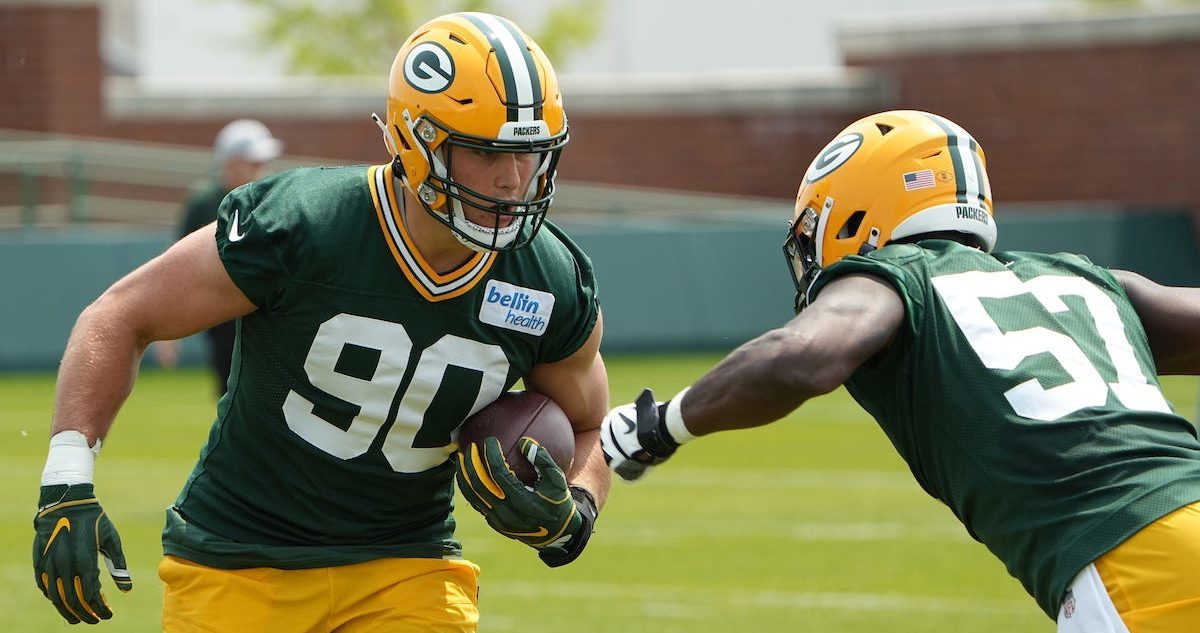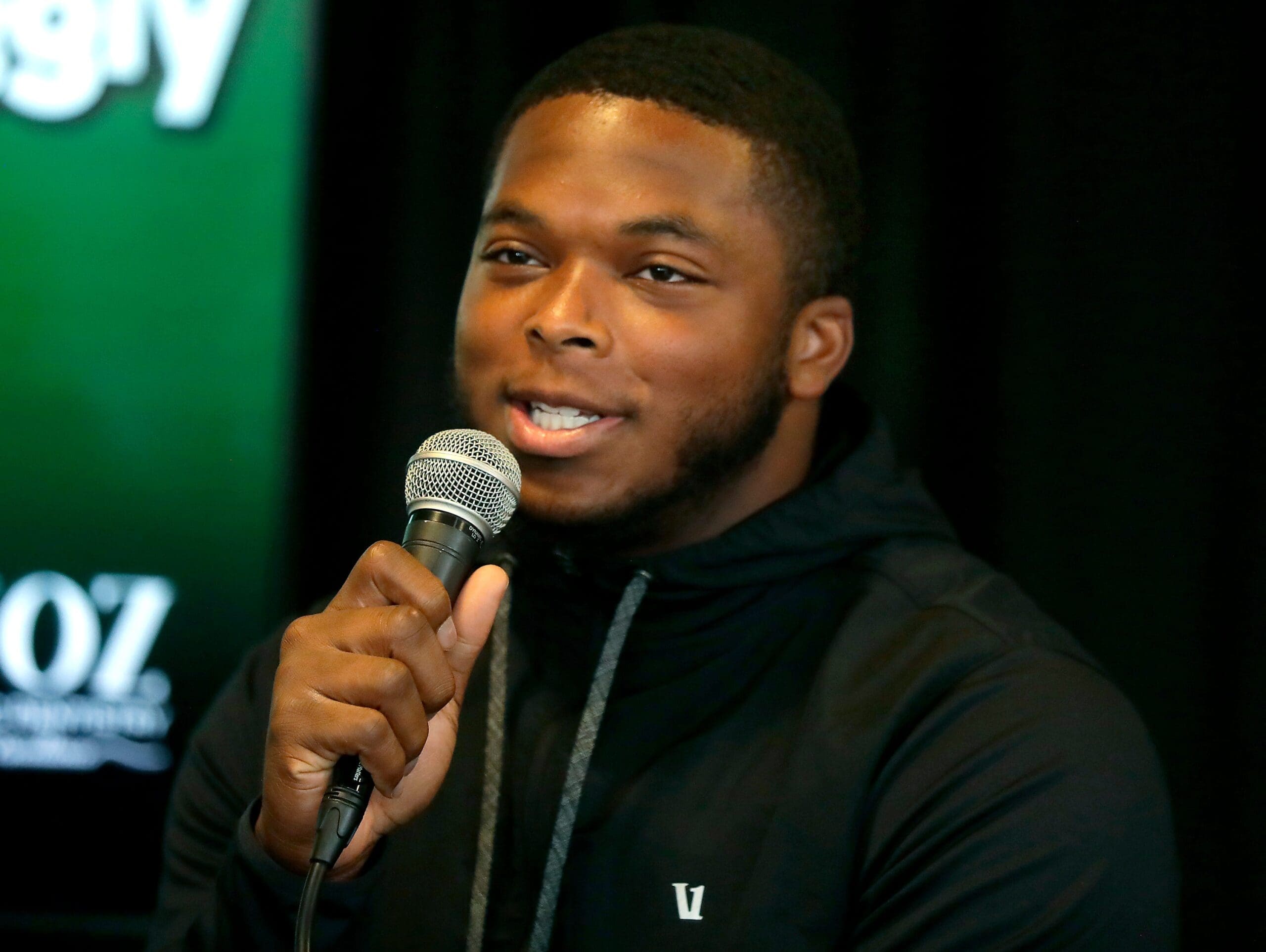
The mood in Green Bay shifted bizarrely after the Packers’ 34-26 loss to the Broncos. What had been a steady push toward January football suddenly felt fragile once Micah Parsons went down with a torn ACL.
Green Bay entered the week at 9-4-1 and riding momentum. They left Denver with more than a loss. They left without the defender who drove their pass rush. During a postgame press conference on Dec. 15, head coach Matt LaFleur called it a double-whammy.
“It was a double-whammy for us just losing some pieces that are critical for our success,” LaFleur said. “Nobody’s going to feel sorry for us, and we gotta rally around one another. Everybody’s gotta elevate their play.”
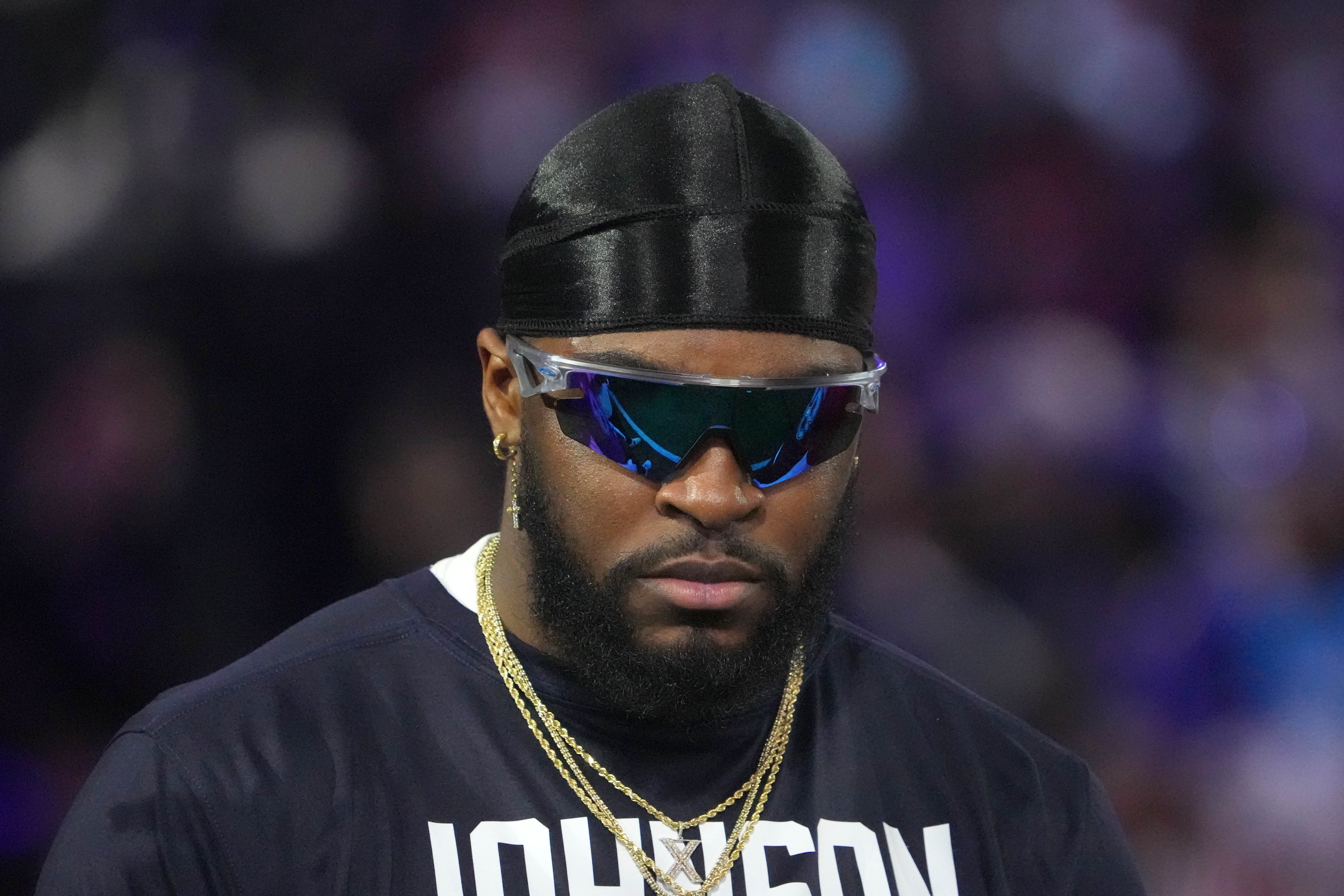
That reality, though, places the attention squarely on Rashan Gary.
Gary did not dodge it. After the game, he challenged his own unit publicly, saying opponents should “watch how the front plays” over the final three games. For a defense that failed to record a single sack against Bo Nix, it was a statement backed by urgency, not bravado. The Packers’ season now hinges on whether Gary can turn that message into actual production.

Sep 24, 2023; Green Bay, Wisconsin, USA; Green Bay Packers linebacker Rashan Gary (52) celebrates after sacking New Orleans Saints quarterback Jameis Winston (2) (not pictured) during the fourth quarter at Lambeau Field. Mandatory Credit: Jeff Hanisch-USA TODAY Sports
Without Parsons, Rashan Gary is no longer part of a tandem. He’s the focal point. Gary has 44 total tackles, 7.5 sacks, seven tackles for loss, and 19 QB hits this season. His last sack came on October 26 against the Pittsburgh Steelers. However, context matters. For much of the year, Parsons absorbed double teams and slide protections, allowing Gary cleaner rush paths.
That’s gone now. Going forward, Gary will see tight ends staying in. Running backs will chip. Protections will slide his way. This is where his value must show up beyond raw sack totals. Pressures that force early throws. Edge setting that kills run plays. Collapsing pockets that allow teammates to finish the play.
Those impacts matter because Green Bay’s defense is built on timing. If Rashan Gary can win early downs, the Packers can stay aggressive on third down. If he cannot, coverage will crack under extended plays.
There is also a leadership shift. Gary’s the veteran voice up front. Younger defenders will follow how he responds to extra attention and whether his energy carries through stalled drives. His presence affects how confident the rest of the defense plays.
The timing, however, is not accidental. Gary is playing under a four-year, $96M contract signed in 2023. His cap number rose sharply in the next two seasons. With Parsons sidelined, these final games serve as a direct evaluation window for the team. Also, this ain’t about replacing Parsons. It’s about proving the defense can function without him.
If Rashan Gary delivers down the stretch, the Packers stay competitive. If he doesn’t, the offseason questions will be unavoidable.
Signature Section
Rashan Gary is a Green Bay Packers edge rusher known for his strength at the point of attack and his developing pass-rush game. With injuries reshaping the defensive front, attention surrounding Rashan Gary's appearances, Rashan Gary's contract, and his leadership role within the Packers community has intensified late in the season.
Interest in Rashan Gary memorabilia and autograph items has grown as fans follow this pivotal stretch of his career.
For updates on his journey and up-to-date stats, visit the Rashan Gary athletic page.
For media features, alum coverage, and team-related events, use Rashan Gary's booking page.
For brand partnerships, signings, and other opportunities, explore the Rashan Gary services page.
Athlete marketing campaigns can cost thousands or even millions of dollars. Many brands struggle to know if their investment actually paid off. Without proper measurement, companies waste money on partnerships that don't deliver results. We created this guide to show you exactly how to track and measure your athlete marketing efforts.
The key to measuring athlete marketing success is setting clear goals upfront and tracking specific metrics that align with your business objectives. You need to know what numbers matter before you launch a campaign.
This approach helps you prove the value of your investment and improve future partnerships. We'll walk you through the complete measurement process, from choosing the right performance indicators to using advanced tracking methods.
You'll learn how to collect meaningful data, interpret your results, and share your findings with stakeholders.
Before launching an athlete marketing campaign, we need to define what success looks like through specific goals and measurable indicators. This foundation helps us track ROI and make data-driven decisions throughout the campaign.
SMART objectives give us a clear framework for campaign success. Each goal must be Specific, Measurable, Achievable, Relevant, and Time-bound.
A specific objective might be "increase brand awareness among males aged 18-34 by 25% within six months" rather than "improve brand recognition." We need numbers and deadlines to track progress.
Measurable elements include follower growth, engagement rates, and website traffic. Achievable goals consider our budget and the athlete's current reach.
For example, expecting 1 million new followers from an athlete with 50,000 followers in one month isn't realistic. Relevant objectives connect to our broader marketing strategy.
If we're launching a new product line, our athlete campaign should drive product awareness rather than just general brand visibility. Time-bound goals create urgency and allow us to evaluate results at specific intervals.
We choose KPIs based on our campaign objectives. Different goals require different metrics to track success accurately.
Common Athlete Marketing KPIs:
Brand awareness campaigns focus on reach and impressions. Sales-driven campaigns track conversion rates and ROI more closely.
We typically monitor 3-5 primary KPIs rather than trying to track everything. Engagement quality matters as much as quantity. Ten thousand comments from our target audience provide more value than 100,000 views from uninterested users.
Our athlete marketing goals must support larger brand objectives. We start by reviewing our company's quarterly and annual targets. If our brand aims to enter a new market segment, we select an athlete who resonates with that audience. The campaign goals then focus on building awareness and credibility within that specific group.
Budget allocation follows this alignment. We invest more in campaigns that directly support priority business objectives.
A brand focused on increasing market share among young adults might allocate 60% of their athlete marketing budget to partnerships with athletes popular in that demographic. We create a simple table connecting each campaign goal to a specific brand objective.
This keeps our team focused and helps justify ROI to stakeholders. Regular check-ins ensure our athlete partnerships continue supporting evolving business needs.
Campaign metrics tell us whether our athlete marketing efforts are working and where we need to make changes. We need to track engagement, conversions, and revenue to understand the full picture of our campaign's performance.
Engagement metrics show us how people interact with our athlete marketing content. We track likes, comments, shares, and saves across all platforms.
These numbers tell us if our audience finds the content interesting enough to respond. Reach data shows how many unique people see our posts and videos.
We compare reach numbers to engagement rates to understand content performance. A post might reach 100,000 people but only get 500 likes, which gives us a 0.5% engagement rate.
We look at video views and watch time to see if people stay interested. If viewers leave after 5 seconds, our content isn't connecting.
We also track story views and poll responses on social platforms. These quick interactions help us understand what our audience cares about.
Click-through rates tell us how many people click on our links compared to how many see them. We calculate this by dividing total clicks by total impressions and multiplying by 100.
A 2% click-through rate means 2 out of every 100 people clicked our link. We track where clicks lead and what happens next.
Some clicks go to product pages while others lead to sign-up forms or app downloads. We measure how many of these clicks turn into actual conversions.
Conversion tracking shows us the path from click to purchase or sign-up. We set up tracking pixels and use UTM codes to follow this journey.
This data reveals which posts and platforms drive the most valuable actions. We can then shift our budget to what works best.
Sales lift measures the increase in sales directly caused by our campaign. We compare sales during the campaign to a baseline period before it started.
If we sold 1,000 units before and 1,500 during the campaign, we achieved a 50% sales lift. We calculate ROI by subtracting campaign costs from revenue generated, then dividing by costs.
An ROI of 300% means we made $3 for every $1 spent. This number tells us if our athlete partnership was worth the investment.
We track promo code usage and affiliate links tied to specific athletes. These tools show us exactly which sales came from our campaign.
We also monitor website traffic spikes that match our posting schedule. Revenue attribution helps us prove the value of athlete marketing to stakeholders.
Modern athlete marketing demands precise tools to track how endorsements influence consumer behavior and brand perception. These techniques help us understand which touchpoints drive conversions and how audiences respond to athlete partnerships.
Attribution models show us exactly which marketing touchpoints lead to sales or conversions. In athlete marketing, we often see customers interact with multiple channels before making a purchase.
Multi-touch attribution splits credit across all interactions. We recommend multi-touch models for athlete campaigns because they capture the full customer journey.
Time-decay attribution gives more weight to recent interactions while still counting earlier touchpoints. Position-based attribution credits both the first and last interactions heavily.
These models require tracking pixels and unique URLs for each athlete's content. We can then measure which athlete posts or appearances actually drive revenue, not just engagement.
Sentiment analysis uses software to measure whether people feel positively or negatively about an athlete partnership. We analyze social media comments, reviews, and online discussions to gauge public reaction.
The tools assign scores from negative to positive based on word choice and context. We track sentiment before, during, and after campaign launches to measure impact.
Key metrics include:
We look for shifts in brand perception after athlete announcements. A drop in sentiment might signal poor athlete-brand fit or controversy. Rising positive sentiment confirms successful partnerships.
Different platforms require different measurement approaches. We track engagement rates, reach, and conversion metrics specific to each channel.
| Platform | Primary Metrics | Benchmark Engagement |
|---|---|---|
| Likes, comments, shares, saves | 3-6% | |
| TikTok | Views, comments, shares | 5-9% |
| YouTube | Watch time, likes, subscribers gained | 4-8% |
| Twitter/X | Retweets, replies, clicks | 1-3% |
We measure video completion rates to see if audiences watch athlete content fully. Click-through rates tell us if viewers take action after seeing endorsements.
Cross-platform analysis reveals where athlete content performs best. We compare cost per engagement and conversion rates across channels. This data guides budget allocation for future campaigns.
Raw data from athlete marketing campaigns becomes valuable when we transform it into actionable insights. Understanding what the numbers mean allows us to make informed decisions about future campaign strategies and budget allocation.
We need context to determine if our campaign results are truly successful. Comparing current performance to our past campaigns shows whether we're improving or falling behind our own standards.
Industry benchmarks provide another critical reference point. We can look at engagement rates, conversion percentages, and ROI figures from similar campaigns in our sport or market segment.
For example, if our athlete partnership generates a 3% engagement rate but the industry average is 5%, we know there's room for improvement. Historical data from our previous three to five campaigns helps us spot trends.
We might notice that certain content types consistently outperform others, or that specific posting times drive better results.
Key metrics to benchmark:
We examine which campaign elements drove the best results. Did video content outperform static images?
Did authentic behind-the-scenes content generate more engagement than polished promotional posts? Breaking down performance by content type, platform, and timing reveals patterns.
We might discover that Instagram Stories drove 60% of our conversions while regular posts only contributed 20%. This tells us where to focus our efforts. We also identify weak spots. Low click-through rates might indicate our call-to-action needs work.
Poor conversion rates despite high engagement could mean our landing page needs optimization. Audience demographics matter too.
If our target market is ages 18-24 but most engagement comes from ages 35-44, we need to adjust our approach or reconsider our audience definition.
We use our findings to refine future campaigns. If behind-the-scenes content delivered the highest ROI, we allocate more budget and creative resources to that content type.
Platform performance guides our distribution strategy. Strong results on TikTok but weak performance on Twitter means we shift resources accordingly.
We might reduce or eliminate spending on underperforming channels. Timing adjustments can boost results significantly.
If posts at 7 PM generate twice the engagement of morning posts, we schedule content for peak performance windows. We test new posting times in small batches before making major changes.
Budget reallocation follows performance data. We increase spending on high-performing elements while cutting or testing alternatives for poor performers.
This might mean working with different athletes, trying new content formats, or exploring different promotional tactics.
Clear reports turn raw data into meaningful insights that guide future decisions. Sharing these results with the right people builds trust and shows the real value of athlete marketing efforts.
We need to create reports that people can actually use. This means organizing data in a way that makes sense and highlights what matters most.
Start with the metrics that align with campaign goals. If we aimed to boost brand awareness, show reach and impressions first. If sales were the target, lead with conversion rates and revenue numbers.
Key elements to include:
We should always compare results against benchmarks. Show how the campaign performed versus past efforts or industry standards. This context helps stakeholders understand if results are good or need improvement. Visual elements make reports easier to digest.
Use charts for trends over time and tables for detailed breakdowns. Keep explanations brief and avoid marketing jargon that might confuse readers.
Different stakeholders need different information. Executives want bottom-line results and ROI. Team members need details about what worked and what didn't. We create separate versions of reports for each audience.
Executives get a one-page summary with key wins and numbers. Marketing teams receive full reports with tactical insights they can apply to future campaigns.
Success stories work best when they include specific examples. Rather than saying "engagement was high," we explain that fans shared athlete content 2,500 times or that video views increased by 40% compared to similar campaigns.
Effective sharing methods include:
We document lessons learned while they're fresh. This helps us repeat what worked and avoid past mistakes in future athlete partnerships.
When brands pay for sponsorships or appearance fees, they're buying two very different things. Brand sponsorships purchase ongoing partnerships and content rights, while appearance fees pay for a person's time and presence at a specific event. Understanding this difference matters whether you're a brand planning your marketing budget or a creator figuring out what to charge.
The confusion between these two payment models costs brands money and leaves creators undervalued. Many people use these terms like they mean the same thing, but they involve different commitments, deliverables, and price points.
We see brands mix up what they're actually purchasing all the time. We'll break down exactly what brands get for their money with each approach. You'll learn how pricing works, what factors drive costs up or down, and how smart brands structure these deals to get the best results.
Brand sponsorships create ongoing partnerships between companies and individuals, while appearance fees pay for one-time events. These two payment models serve different purposes and come with distinct expectations for both brands and talent.
A brand sponsorship is a formal partnership where a company pays someone to represent their products or services over time. The agreement typically lasts several months or years.
In sponsorship deals, the talent becomes associated with the brand. They might wear the company's products, post about them on social media, or appear in advertisements. The brand wants to connect their image with the person's reputation and audience.
Common sponsorship activities include:
Sponsorships work best when there's a natural fit between the person and the brand. A fitness influencer partnering with a sports drink company makes sense to audiences. These deals often include exclusivity clauses that prevent working with competitor brands.
An appearance fee is a one-time payment for showing up at a specific event or location. The person gets paid simply for being there, not for ongoing promotion. These fees cover events like store openings, corporate gatherings, award shows, or charity functions. The arrangement is straightforward: the talent appears for a set amount of time and receives payment.
Appearance fees don't require long-term commitment. Once the event ends, both parties fulfill their obligations. The person isn't expected to post about the event afterward or maintain any relationship with the brand. The payment amount depends on the person's fame, the event type, and how long they need to stay. High-profile individuals can charge substantial fees even for brief appearances.
| Factor | Sponsorships | Appearance Fees |
|---|---|---|
| Duration | Months to years | Single event (hours to days) |
| Commitment | Ongoing content and promotion | One-time attendance |
| Payment Structure | Recurring or milestone-based | One-time flat fee |
| Exclusivity | Often includes competitor restrictions | Usually no restrictions |
| Content Requirements | Multiple posts, ads, appearances | None beyond the event |
Sponsorships require active promotion and content creation. We see influencers regularly featuring sponsor products in their daily content. Appearance fees only require physical presence at an event. Brand deals through sponsorships build deeper connections with audiences over time.
Appearance fees generate immediate buzz but don't create lasting associations. Companies choose sponsorships when they want sustained visibility and appearances when they need star power for a specific moment.
Brands spend money on sponsorships and appearance fees because they want access to specific audiences, deeper connections with potential customers, and association with values that match their own identity.
When we look at brand deals, audience reach stands at the top of what companies pay for. Brands want direct access to the followers, fans, and communities that influencers and public figures have built over time. A creator with 500,000 followers offers immediate exposure to half a million people. This saves brands the cost and time of building that audience from scratch.
Traditional advertising might reach similar numbers, but it costs more and often targets less specific groups. Reach includes several measurable factors:
Sponsorship opportunities become more valuable when the audience matches the brand's target customer. A fitness brand pays more to reach health-conscious young adults than a general audience of the same size.
We see brands calculate cost per thousand impressions (CPM) to determine if the reach justifies the investment. The size of the audience directly affects pricing in influencer marketing. Micro-influencers with 10,000 to 100,000 followers typically charge $100 to $500 per post, while those with over one million followers can command $10,000 or more.
Audience engagement matters more to brands than raw numbers alone. Likes, comments, shares, and saves show that people actively interact with content rather than scroll past it.
Brands track engagement rates to measure how connected an influencer is to their audience. An influencer with 100,000 followers and a 5% engagement rate (5,000 interactions per post) provides more value than one with 200,000 followers and a 1% rate (2,000 interactions).
Key engagement metrics brands evaluate:
High engagement means the audience trusts the creator and pays attention to their recommendations. This trust transfers to the brands they promote. When we see strong engagement, we know the audience is more likely to consider purchasing the product or service being advertised. Engagement also provides proof that the audience is real and active.
Fake followers don't interact with content, so strong engagement rates help brands avoid wasting money on inflated follower counts.
Brands pay premium prices when a creator's values, style, and audience perfectly match their own identity. This alignment makes sponsorship content feel natural rather than forced.
A sustainable fashion brand gains more from partnering with an eco-conscious lifestyle influencer than a generic fashion account. The shared values create authenticity that audiences recognize and respond to positively.
Alignment factors brands consider:
We see the best results when the partnership makes sense to everyone involved. Followers accept sponsored content more easily when it fits with what they expect from the creator. This reduces negative reactions and increases the likelihood of actual sales or brand awareness. Misaligned partnerships can damage both the brand and the creator's reputation.
If an influencer known for budget content suddenly promotes luxury items, their audience may question their authenticity. Brands avoid these situations by carefully vetting potential partners before committing to sponsorship opportunities.
Content creators and influencers bring unique value through their direct audience connections, specialized content skills, and detailed knowledge of what their followers want to see.
Content creators change how brands connect with customers. They bring authentic voices that traditional advertising cannot match. When a creator shares a product, their audience sees it as a personal recommendation rather than a sales pitch. We see creators driving real business results.
They generate engagement rates between 1-5% on average, which is much higher than brand-owned accounts that typically see 0.1-0.5%. Their followers trust their opinions and often make purchase decisions based on their content.
The best creators know their audience well. They understand what time to post, which formats work best, and how to present products naturally. This knowledge helps brands reach people who actually want to buy their products.
Creators produce different types of content for brands. The main formats include:
Each format serves different purposes. Static posts work well for product showcases. Short videos grab attention quickly. Long videos let creators explain products in detail.
Brands pay different amounts based on what they ask for. A single Instagram post costs less than a full campaign with multiple videos and stories. Most creator contracts specify exactly how many pieces of content they will make and where they will post them.
Influencers provide valuable data about their followers. They share demographics like age, location, and gender. They also know what topics their audience cares about and when they are most active online. These audience insights help brands target the right people.
We can see which products will likely succeed before spending money on large campaigns. Creators often share engagement metrics that show how their audience responds to different content types.
The real power is in the relationship between creators and their followers. Audiences feel connected to influencers they watch regularly. This connection means higher conversion rates when creators recommend products. Brands pay for this influence and the trust creators have built over time.
Pricing varies based on how many people a creator or athlete can reach, what rights brands receive, where and when events take place, and how competitive the market is at any given time.
Audience size directly impacts what brands pay for sponsorship deals. A creator with 500,000 engaged followers typically commands $5,000 to $15,000 per sponsored post, while someone with 5 million followers might earn $50,000 or more.
Engagement rates matter more than follower counts alone. Brands analyze likes, comments, shares, and video completion rates to determine actual audience reach. A smaller account with 10% engagement often secures better rates than a larger account with 2% engagement. Different platforms command different prices.
Instagram posts typically pay less than YouTube integrations because video content requires more production time and keeps audiences engaged longer. TikTok rates fall somewhere between the two, depending on view counts and trending potential.
Demographics shape pricing too. Audiences in wealthy markets or specific niches like finance, technology, or luxury goods generate higher sponsorship opportunities than general entertainment audiences.
Exclusivity clauses increase what brands pay because they prevent competitors from working with the same person. A six-month exclusivity agreement in the beverage industry might double or triple the base sponsorship fee.
Category exclusivity is most common. An athlete might sign with Nike but can still partner with a watch brand or energy drink. Full exclusivity across all categories costs significantly more and typically only appears in sports sponsorship deals worth millions of dollars.
Common exclusivity terms include:
Content rights affect pricing separately from exclusivity. Brands pay extra to repurpose content in their own advertising, use someone's image on packaging, or feature them in commercials beyond the original agreement.
Corporate events pay appearance fees based on event prestige and audience size. A keynote speech at a Fortune 500 conference might command $20,000 to $100,000, while a local business seminar pays $2,000 to $5,000.
Private events typically pay more than public ones. Companies hosting exclusive client dinners or internal sales meetings pay premium rates because attendees are specifically targeted audiences.
Market timing influences rates. Sponsorship deals signed during peak seasons like the holidays or major sporting events cost more. Athletes command higher fees during championship seasons when their visibility peaks. Geographic location matters for appearance fees.
Events in major cities like New York, Los Angeles, or London pay more than smaller markets because of higher operating costs and wealthier attendee bases.
Supply and demand set the baseline for all deals. When multiple brands compete for the same person, prices rise. When sponsorship opportunities exceed available brand budgets, prices drop. We see representation quality impact final numbers.
Professional agents typically secure 15% to 30% higher fees than creators negotiating alone because they understand market rates and leverage competing offers.
Past deal performance influences future pricing. Brands track conversion rates, sales data, and brand lift from previous sponsorships. Proven results justify higher rates in subsequent negotiations. Market saturation affects individual rates.
When too many similar creators flood a niche, brands have more options and pay less per person. Unique positioning or standout content quality protects against downward price pressure.
Brands build deal structures around clear deliverables and measurable outcomes, whether they're investing in brief campaigns or multi-year partnerships.
The difference between a profitable sponsorship and wasted budget often comes down to how companies track performance and account for hidden costs like production expenses.
Short-term deals typically run for one-off events or single campaigns lasting a few weeks to three months. These arrangements work well when brands want to test a new market or align with a specific moment, like a product launch.
Appearance fees dominate this category since the commitment ends quickly. Long-term partnerships extend from six months to several years and focus on building authentic connections with audiences.
Content creators become brand ambassadors who integrate products into their regular content. We see these deals include base payments plus performance bonuses tied to sales or engagement metrics.
The cost structure differs significantly between both approaches. Short-term deals might pay $10,000-$50,000 for a single appearance, while long-term sponsorships could range from $5,000-$20,000 monthly depending on the creator's reach and niche.
Brands track specific numbers to determine if their sponsorship dollars generate returns. Common metrics include impressions, engagement rates, click-through rates, and conversion percentages.
We also measure brand lift through surveys that show awareness changes before and after campaigns. For content creators, brands often require detailed analytics reports showing video views, average watch time, and audience demographics.
E-commerce tracking links help companies connect specific purchases directly to sponsored content. Some deals include tiered payment structures where creators earn more when they hit predetermined performance targets.
Attribution remains challenging when customers see multiple touchpoints before buying. Many brands now use unique promo codes or landing pages to better track which sponsorships drive actual sales versus just awareness.
Production expenses add substantial amounts to sponsorship budgets beyond the appearance fees or content creator payments. Professional video shoots require camera crews, lighting equipment, and editing services that can cost $5,000-$25,000 per piece of content.
Graphics and design work for branded content includes custom thumbnails, lower thirds, and animated elements. These assets ensure the sponsored content matches quality standards while maintaining brand guidelines.
In-house creative teams or agencies typically charge $2,000-$10,000 for comprehensive design packages. Some sponsorships include production budgets as separate line items, while others expect content creators to handle filming and editing themselves. This distinction significantly impacts the total investment and final content quality.
Athletes offer unique marketing and business opportunities whether they're actively competing or have stepped away from professional sports. The key difference lies in availability and relevance, current athletes bring immediate excitement and media attention, while retired athletes offer more flexibility and often deeper storytelling opportunities. Understanding how to work with each group can transform your marketing strategy or business partnership.

We see brands and organizations struggle to choose between these two types of athlete partnerships. Current athletes generate buzz and connect with active sports fans. Retired athletes bring wisdom, availability, and often maintain strong fan bases without the scheduling conflicts of competition.
The choice between retired and current athletes depends on your specific goals and resources. Both groups require different approaches to contracts, content creation, and relationship management.
Retired athletes bring decades of career wisdom and post-sport transitions, while professional athletes offer active performance insights and current industry connections. Both groups provide unique skills in leadership, teamwork, and discipline that apply across business settings.
Retired athletes have completed their competitive careers and gained distance from the pressures of active competition. They've navigated the transition from sport to other ventures, giving them insight into career changes and long-term planning. This perspective helps them mentor others through major life shifts.
Professional athletes are still in the thick of competition. They understand current training methods, recent rule changes, and modern team dynamics. Their knowledge reflects what's happening in sports right now.
The time gap matters when we consider relevance. Current athletes connect with younger audiences who follow active sports. Retired athletes appeal to people interested in legacy, hindsight, and proven long-term success.
Key perspective differences:
Both retired and current athletes developed core skills through years of training and competition. Leadership shows up when they guided teammates, made split-second decisions, or represented their sport publicly. These athletes learned to motivate others and handle high-pressure situations.
Teamwork became second nature through countless practices and games. Professional athletes currently practice these skills daily with their teams. Retired athletes apply teamwork principles to business projects, community initiatives, and family dynamics.
Discipline separates athletes from most people. They followed strict training schedules, nutrition plans, and recovery protocols for years. Current athletes maintain this discipline while competing. Retired athletes often transfer this discipline to new careers, fitness routines, or personal goals. Athletes know how to set goals, track progress, and push through setbacks.
Retired athletes bring years of experience, discipline, and credibility that translate into valuable career paths. Their skills in coaching, media work, business ventures, and community engagement create multiple ways for brands and organizations to benefit from their expertise.
Retired athletes make strong coaches because they understand the mental and physical demands of competition. They've experienced the pressure of performance firsthand and can teach current athletes how to handle similar situations.
Many former professionals work as personal trainers or fitness training specialists. They design workout programs based on what actually worked during their careers. Their clients trust them because they've proven these methods on themselves.
Athletic directors often hire retired athletes to lead team programs. These coaches bring credibility that helps with recruiting and team morale. Players respect someone who has competed at high levels.
Common coaching roles include:
Sports broadcasting offers retired athletes a natural career transition. Networks value their ability to break down plays and explain strategies that viewers might miss. They speak the language of the sport and connect with audiences who watched them compete.
Former athletes work as game analysts, sideline reporters, or studio hosts. Some launch their own podcasts or YouTube channels focused on sports commentary. Their name recognition helps attract viewers right from the start. The best broadcasters prepare extensively before going on air. They study team statistics, watch game film, and practice their delivery. Natural athletic ability doesn't guarantee broadcasting success - it requires dedicated practice and media training.
Business ownership lets retired athletes build their own brands beyond sports. Many start companies related to fitness, nutrition, or athletic equipment. Others invest in restaurants, real estate, or tech startups. Their personal brand gives them an advantage when launching products.
Fans who followed their careers become early customers. This built-in audience reduces marketing costs and speeds up growth.
Successful business ventures often include:
| Business Type | Examples |
|---|---|
| Fitness | Gym chains, training apps, equipment lines |
| Food & Beverage | Restaurants, supplement companies, energy drinks |
| Apparel | Clothing brands, shoe lines |
| Technology | Sports analytics, training software |
Smart retired athletes partner with experienced business professionals. They provide the brand recognition while partners handle daily operations. This approach reduces risk and increases chances of success.
Public speaking lets retired athletes earn income while building their reputation. Companies pay them to speak at conferences, corporate events, and training sessions. They share stories about teamwork, overcoming challenges, and maintaining discipline.
Community service opportunities help athletes stay connected to their fan base. They visit schools, run youth camps, and support local charities. These activities strengthen their personal brand and create positive publicity.
Many retired athletes establish their own foundations focused on causes they care about. They use their platform to raise money and awareness. Public speaking rates vary based on the athlete's fame and speaking ability. Some charge a few thousand dollars per event while others command six-figure fees. Building speaking skills through practice and coaching increases both demand and rates.
Current athletes bring immediate value through their active performance, visible presence, and ability to inspire others in real time. They strengthen teams while building brands that extend beyond their sport.
Current athletes directly improve team results through their skills and physical abilities. We see this impact in every game, practice, and competition where they participate. Professional athletes also elevate their teammates through leadership and example. When experienced players demonstrate proper techniques or work ethic, younger team members learn faster. They create a culture of excellence that pushes everyone to improve.
Key performance contributions include:
Teamwork improves when active athletes communicate effectively during competition. They read situations quickly and adjust their approach based on what their team needs. This adaptability separates good teams from great ones.
Active athletes generate attention that benefits both themselves and their organizations. Their current performance keeps them in the news and on social media. This visibility creates branding opportunities that retired athletes cannot match.
We observe how game highlights, interviews, and public appearances build athlete recognition. Sponsors value current athletes because fans follow their ongoing journey. Organizations benefit when star players attract ticket sales and merchandise revenue.
Branding activities for current athletes:
| Activity | Personal Impact | Team Impact |
|---|---|---|
| Social media presence | Fan engagement | Increased visibility |
| Community events | Public goodwill | Local support |
| Media interviews | Personal story sharing | Team promotion |
Current athletes must balance performance demands with brand development. The most successful ones integrate their athletic identity with authentic personal values.
Active athletes demonstrate resilience by overcoming injuries, losses, and performance setbacks. We watch them face challenges in real time, making their example more powerful than past achievements. Young people see that success requires persistence through difficult moments.
Discipline shows in daily training routines and lifestyle choices. Professional athletes maintain strict schedules for practice, nutrition, and recovery. Their commitment to excellence teaches others about sacrifice and dedication.
Current athletes model these qualities through:
Their visible struggles and successes provide concrete examples of character development. People connect with athletes who show both strength and vulnerability while competing at the highest level.
Athletes need concrete plans for their transition to retirement that address financial security, skill building, and education. These three areas form the foundation for a successful life after sports.
We see many athletes struggle when their playing days end because they haven't prepared for what comes next. The transition to retirement requires active planning while still competing, not after hanging up the cleats.
Athletes should start identifying their interests and potential career paths at least two years before retirement. This means exploring different industries, networking with professionals, and understanding what opportunities align with their skills and passions. We recommend creating a timeline that maps out specific milestones. This includes updating resumes, conducting informational interviews, and potentially shadowing professionals in fields of interest.
Many former athletes find success in coaching, broadcasting, business, or community relations roles. The emotional aspect of leaving sports matters too. Athletes often lose their identity and daily structure when competition ends. Building a support network of mentors, former players, and career counselors helps ease this transition.
We know that financial stability determines how smoothly athletes move into their next phase. Most professional careers last only a few years, making smart money management critical. Athletes should work with financial advisors who specialize in sports careers. These professionals help create budgets, establish emergency funds, and plan for taxes. Setting aside 20-30% of earnings for retirement and post-career expenses provides a solid foundation.
Key financial priorities include:
We've seen too many athletes lose money through poor investments or overspending. Living below your means during peak earning years makes the transition to retirement much smoother.
We encourage athletes to pursue education and skill development while still competing. Many universities and organizations offer flexible programs designed for active athletes. Career opportunities expand significantly with additional credentials.
Online courses, certifications, and degree programs can be completed during off-seasons. Business management, communications, finance, and technology represent popular fields that translate well from sports. Athletes already possess valuable transferable skills like leadership, teamwork, discipline, and performance under pressure.
The key is learning how to articulate these abilities to potential employers and supplement them with industry-specific knowledge. Internships and part-time work during the playing career provide practical experience. These opportunities let athletes test different career paths and build professional networks before they need them.
Athletes face significant mental challenges during career transitions, requiring specialized psychological support to maintain their well-being and build new identities beyond sports.
When athletes retire, they often struggle with losing the identity they built over years of competition. Sports psychology helps retiring athletes understand that their worth extends beyond their athletic achievements.
We see many former competitors experience depression and anxiety because they no longer receive the same recognition or structure in their daily lives. Professional support systems teach athletes to develop resilience through this difficult period.
Mental health professionals work with retiring athletes to create new goals and find purpose outside of competition. They also help athletes recognize transferable skills like discipline, teamwork, and goal-setting that apply to new careers.
Family, friends, and former teammates play a crucial role in this transition too. We know that athletes with strong social networks adjust more successfully to retirement than those who isolate themselves.
Sports psychology programs focus on practical strategies for maintaining mental health after competition ends. Therapists teach coping mechanisms for handling stress, loss, and uncertainty during career changes.
Athletes are encouraged to work with mental health professionals who specialize in sports transitions. Many organizations now offer specific mental wellness programs for retiring athletes.
These programs include:
Regular exercise, even at non-competitive levels, helps retired athletes maintain their mental health. Sleep schedules, healthy eating habits, and staying connected to sports communities also support long-term wellness.
Most athletes don't write their own books from start to finish. The majority of sports biographies and memoirs are created through partnerships with professional ghostwriters, collaborating writers, or experienced journalists who help transform an athlete's story into compelling prose. This collaborative process has become the standard in sports publishing, allowing athletes to focus on sharing their experiences while skilled writers craft the narrative.

We often wonder what goes on behind those powerful memoirs that reveal personal struggles, championship victories, and life-changing moments. The truth is more complex than simply sitting down with a pen and paper. Sports biographies involve extensive interviews, research, and careful storytelling to capture not just the athletic achievements, but the human experiences that shaped these remarkable careers.
Understanding how these books come to life reveals the fascinating world where sports meet literature. From the initial idea to the final published work, athlete memoirs go through a detailed creative process that brings together the athlete's authentic voice with professional writing expertise to create stories that inspire readers far beyond the sports world.
Most athletes do not write their books entirely on their own, with professional writers handling the majority of the actual writing process. The publishing industry relies heavily on ghostwriters and collaborative teams to transform an athlete's experiences into polished, marketable books.
Athletes are stepping into publishing more than ever before. They want to share their stories beyond what fans see on the field.
Why Athletes Write Books:
Most athlete memoirs and sports biographies come from retired players. Active athletes rarely have time to focus on book projects during their playing careers.
The stories often go beyond sports. Athletes write about family struggles, mental health, and personal growth. These topics appeal to readers who may not follow sports closely. Publishers actively seek out famous athletes. A well-known name sells books, even if the athlete has limited writing experience.
Ghostwriting is extremely common in sports books. A ghostwriter does most or all of the actual writing while the athlete gets credit as the author.
How Ghostwriting Works:
Professional ghostwriters often have sports journalism backgrounds. They understand how to capture an athlete's voice and personality on paper. The athlete usually pays the ghostwriter a flat fee. Sometimes ghostwriters receive a percentage of book sales instead. Most readers do not know when ghostwriters are involved. Publishers rarely advertise this information because it might hurt book sales.
Many athlete memoirs use a middle approach between solo writing and ghostwriting. The athlete works closely with a professional writer throughout the process.
Common Collaboration Methods:
Sports journalists often serve as collaborators. They already know the sport and can ask good questions during interviews. The collaboration usually takes several months. Athletes must commit significant time to make the process work well.
Some athletes do write their own books completely. However, they typically work with editors who help improve the writing quality and structure. Publishers prefer collaborative approaches. They get the athlete's authentic voice while ensuring the book meets professional writing standards.
Sports biographies require teams of skilled writers, researchers, and publishers working together to transform athletic achievements into compelling stories. The process involves careful selection of subjects, extensive investigation, and rigorous fact-checking to create authentic narratives that resonate with readers.
Professional journalists and sportswriters form the backbone of most sports biographies. We see established sports reporters like Christopher Clarey bringing decades of experience covering athletics to book projects. These writers possess crucial skills that athletes often lack. They know how to structure narratives, conduct interviews, and translate complex experiences into readable prose.
Key advantages journalists bring:
Many successful sports biographies emerge from partnerships between athletes and experienced writers. The athlete provides the story and insider access. The journalist handles the actual writing and organization. Publishers often prefer working with proven writers who can deliver manuscripts on deadline. This approach reduces risk and ensures professional quality output.
Not every athlete's story becomes a book. Publishers and writers look for specific elements that make stories compelling to readers. We focus on athletes who have overcome significant challenges or achieved historic milestones. Stories of adversity, breakthrough moments, and cultural impact resonate most with audiences.
Publishers prioritize stories featuring:
Market timing plays a crucial role. Books often coincide with retirements, anniversaries of major victories, or current social movements. The athlete's willingness to share honest, personal details determines story depth. Surface-level accounts rarely succeed in today's competitive market.
Creating accurate sports biographies requires extensive research beyond the athlete's own memories. We gather information from multiple sources to build complete narratives. Writers conduct dozens of interviews with teammates, coaches, family members, and opponents. These perspectives provide context and verify key events from the athlete's career.
Research methods include:
Fact-checking becomes critical given the stakes involved. Incorrect information can damage reputations and result in legal challenges.
Publishers employ professional fact-checkers who verify dates, statistics, and quotes. This process often takes months and requires collaboration with sports leagues and organizations. Memory gaps and conflicting accounts create challenges. Writers must navigate sensitive topics while maintaining accuracy and respect for all parties involved.
Athlete memoirs reveal the human side behind championship wins and record-breaking performances. These books show how perseverance and personal struggles shape the stories we don't see on television.
Athletes face battles beyond their sport that fans rarely witness. Mental health challenges, family problems, and personal trauma appear throughout these memoirs. Maya Moore's book shows her shift from WNBA star to justice advocate. She left basketball at her peak to fight wrongful convictions. This decision required courage many people cannot imagine.
Common vulnerable topics include:
Simone Biles openly discusses her experiences with mental health in her memoir. She explains how therapy and support systems helped her through dark periods. These stories connect with readers because they show athletes as real people. We learn that success doesn't shield anyone from life's hardships.
Hard work appears as the foundation of every athlete's story. Memoirs detail years of training before any public recognition arrives. Michael Phelps describes waking up at 5 AM for pool sessions throughout his childhood. His memoir shows how small daily choices built into Olympic success. Most athletes write about setbacks that tested their commitment. Injuries, losses, and rejection happen to everyone who reaches elite levels.
Key perseverance patterns:
These books teach us that talent alone never creates champions. The unsexy work happens when no cameras are rolling. Athletes often credit their perseverance to specific mentors or life events. These details make their journeys feel achievable rather than magical.
Public attention creates unique challenges that athlete memoirs explore honestly. Social media criticism and constant judgment affect performance and personal life. Athletes describe the pressure of being role models. Every mistake becomes headline news. Privacy disappears once fame arrives. Many memoirs discuss the gap between public image and private reality. Fans see highlight reels but miss the doubt and fear behind confident appearances.
Fame-related struggles include:
Some athletes write about using fame for positive change. They transform public platforms into tools for social justice or mental health awareness. The transition away from competitive sports creates another challenge. Many memoirs address the identity crisis that happens when the spotlight fades.
Sports biographies reveal the personal struggles and mindsets behind legendary careers, offering readers intimate access to how champions think and overcome obstacles. Three standout works demonstrate the power of authentic storytelling in sports literature.
Kobe Bryant's final book broke new ground by focusing entirely on his approach to excellence rather than traditional autobiography. Published in 2018, it became a manual for understanding how elite athletes think.
The book explores Bryant's famous "Mamba Mentality" philosophy. He breaks down specific game situations and explains his thought process during key moments. This gave readers direct access to his competitive mindset.
Key Impact Areas:
Bryant wrote most of the content himself with minimal ghostwriting help. His authentic voice comes through clearly. The book sold over 300,000 copies in its first year.
After his tragic death in 2020, the book gained even more significance. It serves as his final lesson to athletes and fans about dedication and continuous improvement.
Andre Agassi shocked the sports world with his brutally honest 2009 autobiography. He revealed he hated tennis for much of his career, despite winning eight Grand Slam titles. The book exposed the dark side of professional tennis. Agassi admitted to using crystal meth and lying to tennis officials about failed drug tests. He also detailed his troubled relationships with his father and early coaches.
Major Revelations:
Agassi worked with Pulitzer Prize winner J.R. Moehringer as his ghostwriter. However, the raw emotions and personal details clearly came from Agassi himself. The book spent weeks on bestseller lists and won critical acclaim. It changed how people view the pressures facing professional athletes. Many current players cite it as influencing their approach to mental health.
Billie Jean King's 2021 autobiography arrived during renewed focus on gender equality in sports. Her book connected past struggles to current fights for equal treatment of female athletes. King details her famous 1973 "Battle of the Sexes" match against Bobby Riggs. She also reveals her secret relationship with her secretary while married to Larry King. This honesty about her sexuality was groundbreaking for sports literature.
Cultural Impact:
The book combines King's personal story with broader social justice themes. She worked with journalist Johnette Howard to craft the narrative while maintaining her distinctive voice.
Sales exceeded expectations, particularly among younger female readers. The book became a teaching tool in college courses about sports history and women's rights.
Sports literature has expanded beyond traditional male-dominated narratives to include powerful stories from women athletes, LGBTQ+ voices, and minority perspectives. These authentic accounts challenge stereotypes and create meaningful social change through personal storytelling.
Female athletes increasingly write their own stories to control their narratives. These books often address unique challenges women face in sports.
Key themes in women's sports memoirs:
These books help young girls see themselves in sports. They also educate readers about the different experiences women have compared to male athletes.
LGBTQ+ athletes and minority voices bring new stories to sports literature. These perspectives show different challenges and experiences in athletics. Many LGBTQ+ athletes write about coming out in sports environments. Their stories help other athletes feel less alone and more accepted. Minority athletes often discuss facing racism or cultural barriers. These accounts educate readers about systemic issues in sports.
Common topics include:
Billie Jean King paved the way for LGBTQ+ representation in sports writing. Her advocacy work and personal story inspired many other athletes to share their experiences. These diverse voices challenge readers to think differently about sports culture. They show that athletic excellence comes from people of all backgrounds.
Athlete memoirs create real social change by reaching wide audiences. These books influence how we think about important issues. When famous athletes write about social justice, people listen. Their platforms amplify messages that might otherwise go unheard.
Social impacts include:
Athletes like Megan Rapinoe use their books to discuss politics and activism. This shows readers that sports and social issues connect. These memoirs also influence other athletes to speak up. When one athlete shares their story, it often encourages others to do the same.
The personal nature of these books makes complex issues easier to understand. Readers connect with individual stories more than abstract concepts.
Sports storytelling continues to change as athletes share more personal stories about their lives. These books now serve as powerful tools that inspire people and shape how we understand sports culture.
Sports biographies have moved far beyond simple career summaries. Modern athlete memoirs focus on the human side of competition. We see athletes like Tiger Woods sharing stories about personal struggles alongside professional victories. His memoir reveals battles with injury, scandal, and comeback attempts that go deeper than golf scores.
Key changes in sports storytelling include:
Athletes now write about topics their predecessors avoided. They discuss depression, anxiety, and family problems openly.
Roger Federer's recent interviews show this trend. He talks about the emotional cost of competition and retirement fears. These honest discussions create stronger connections with readers. Publishers want these authentic stories. They sell better than books that only focus on wins and losses. Digital platforms also change how athletes share stories. Social media lets them test ideas before writing full books.
Athletic memoirs shape how society views sports and success. These books teach lessons that apply beyond athletics. We see memoirs inspiring young athletes to pursue their dreams. Stories about overcoming obstacles give readers practical advice for their own challenges.
Cultural impact areas include:
These books also preserve sports history. They capture moments that statistics cannot show. Future athlete memoirs will likely include more multimedia elements. Audio recordings, video clips, and interactive content will enhance traditional writing.
We expect to see more collaborative storytelling. Athletes may work directly with readers through online platforms to shape their narratives. The success of current sports biographies proves that people want real, honest stories from athletes. This demand will continue driving the genre forward.

Professional athletes today read widely beyond typical sports stories. They explore books on mindset, leadership, personal development, and performance science to sharpen their focus, build resilience, and grow beyond their sport. These reading habits also play a powerful role in shaping athlete branding, media engagement, and post-career opportunities.
At Mayfield Sports Marketing, we work with professional athletes and motivational speakers who understand that mental preparation matters as much as physical training. Reading enriches an athlete’s message, making them stronger communicators, better leaders, and more relatable role models for audiences and brands alike.
Reading helps athletes develop traits that go far beyond competition:

These qualities benefit athletes not only in sport, but also in speaking engagements, corporate events, endorsements, and community leadership roles.
For example, respected veterans such as Brett Favre and LeRoy Butler embody leadership and resilience. Their interest in books about mindset, legacy, or psychology supports their transition into speaking and branded appearances with depth and credibility.
Athlete reading lists are diverse, but several categories consistently appear among elite competitors. Below are the most popular types of books athletes choose, along with why they matter:
These books focus on psychological skills essential for handling pressure, maintaining consistency, and staying mentally sharp during competition.
Benefits:
Examples of topics:
Reading about the journeys of other elite competitors helps athletes connect with real stories of triumph, struggle, and growth.
Benefits:
Common themes:
These books teach skills that help athletes lead teams, communicate clearly, and influence others positively.
Benefits:
Core topics:
Athletes want practical, science-based approaches to training, recovery, and physical conditioning.
Benefits:
Subjects often covered:
Athletes today value mental balance and stress management, making philosophy and mindfulness increasingly popular.
Benefits:
Topics include:
Books help athletes express deeper insight and connect emotionally with fans and partners. When athletes speak about what they read and why it matters, it enhances their authenticity and relatability. This strengthens their personal brand and increases value for appearances, endorsements, and public engagements.
Younger athletes like Jayden Reed are often drawn to books on confidence and performance psychology as they establish both a sporting career and a public persona. These reading choices support meaningful conversations when they speak on stages, engage in media interviews, or appear at brand events.
Athletes who read widely tend to communicate more effectively. This quality is valuable for:
At Mayfield Sports Marketing, we help organizations connect with athletes whose experiences, perspectives, and personal growth stories resonate deeply with audiences.
Reading offers athletes tools for mental strength, leadership, resilience, and self-mastery. These influences enhance their performance on the field and their personal brands off it. The books athletes choose reveal not only what they value, but who they are as thinkers, communicators, and influencers.
If you are interested in booking an athlete who brings depth, inspiration, and authentic personal branding to your event, Mayfield Sports Marketing has the expertise to help you find the perfect fit.
𝗪𝗮𝗻𝘁 𝗘𝘃𝗮𝗻 𝗪𝗶𝗹𝗹𝗶𝗮𝗺𝘀' 𝗮𝘂𝘁𝗼𝗴𝗿𝗮𝗽𝗵? 𝗧𝗵𝗲𝗻 𝗯𝗿𝗶𝗻𝗴 𝗶𝗻 𝗻𝗼𝗻-𝗽𝗲𝗿𝗶𝘀𝗵𝗮𝗯𝗹𝗲 𝗳𝗼𝗼𝗱 𝗶𝘁𝗲𝗺𝘀 𝘁𝗼 𝗖𝗹𝘂𝗯𝗵𝗼𝘂𝘀𝗲 𝗟𝗶𝘃𝗲'𝘀 𝗵𝗼𝗹𝗶𝗱𝗮𝘆 𝗳𝗼𝗼𝗱 𝗱𝗿𝗶𝘃𝗲!
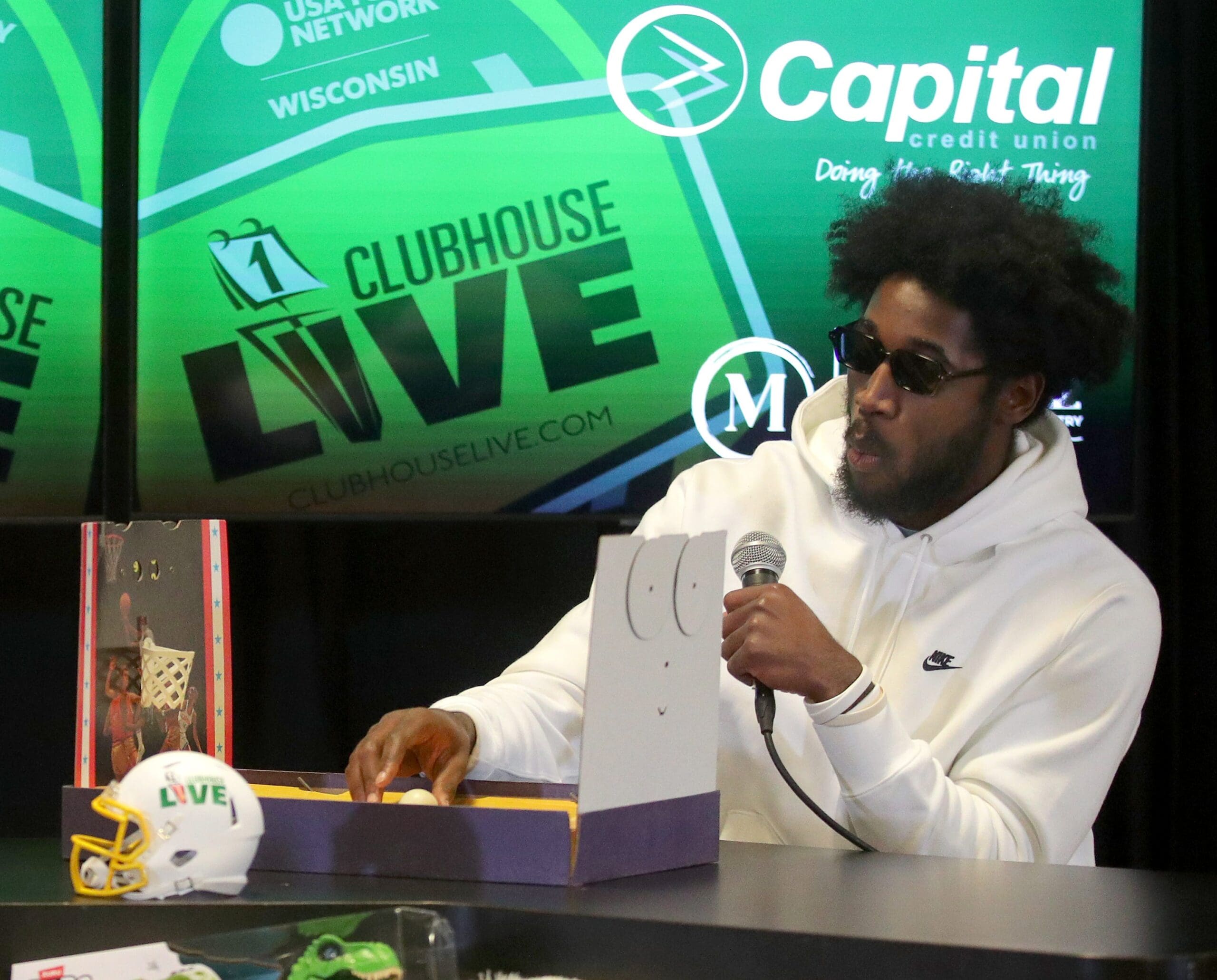
Green Bay Packers safety Evan Williams is our upcoming guest on Clubhouse Live, and he needs our help.
As part of the show - it will take place Monday, Dec. 1 - Evan will host a holiday food drive, so here’s the game plan:
*Every person who brings in non-perishable food items will get Evan's autograph. Evan will stick around after the show to sign.
*This is limited to one autograph per person, per overall donation. Items will be available for purchase. You can also bring in your own item to be signed.
*Autographs only. Photos with Evan will not be allowed.
In addition, our friends at Piggly Wiggly are sponsoring the food drive, and they’ve graciously agreed to match all donations! 𝗦𝗼 𝗶𝗳 𝘆𝗼𝘂 𝗵𝗮𝘃𝗲 𝘁𝗵𝗲 𝗺𝗲𝗮𝗻𝘀, 𝗽𝗹𝗲𝗮𝘀𝗲 𝗯𝗿𝗶𝗻𝗴 𝗶𝗻 𝗮 𝗳𝘂𝗹𝗹 𝗯𝗮𝗴 (𝗼𝗿 𝗲𝘃𝗲𝗻 𝗺𝘂𝗹𝘁𝗶𝗽𝗹𝗲 𝗯𝗮𝗴𝘀) 𝗼𝗳 𝗻𝗼𝗻-𝗽𝗲𝗿𝗶𝘀𝗵𝗮𝗯𝗹𝗲 𝗳𝗼𝗼𝗱 𝗶𝘁𝗲𝗺𝘀 𝗮𝘀 𝗽𝗮𝗿𝘁 𝗼𝗳 𝘆𝗼𝘂𝗿 𝗱𝗼𝗻𝗮𝘁𝗶𝗼𝗻.
We want this food drive to have 𝗮 𝘀𝗶𝗴𝗻𝗶𝗳𝗶𝗰𝗮𝗻𝘁 𝗶𝗺𝗽𝗮𝗰𝘁, so the more you can donate, the better our chances of accomplishing our mission of helping as many families as possible.
Monday’s show will be held at The Fox Club - Wisconsin Timber Rattlers inside Neuroscience Group Field at Fox Cities Stadium – home of the Wisconsin Timber Rattlers – in Grand Chute at 6:30 p.m.
Gates open at 5 p.m., and admission is free.
Green Bay Packers Alumni Autograph Event - We are excited to announce we are returning for our 15th Annual Holidays with the Pack Autograph Event. Please join us Saturday Dec 6 at the Fox River Mall in Appleton, WI. Special Green Bay Packers Alumni Guests are: Gilbert Brown, Santana Dotson, Antonio Freeman and Eddie Lacy. Mr. Freeman has limited times. Merchandise available for purchase. Cash payment is preferred to expediate the line but Venmo and CC available based on wifi services. ATM nearby.
Call Mayfield Sports at 262.366.8188 or Email Mark@MayfieldSports.com with questions.
We are excited to announce we are returning for our 14th annual Holidays with the Pack Autograph Event. Please note all player will attend Saturday Dec 21 event. Mr. Butler has limited times on Dec 22 and Mr. Freeman will not be available on Sunday. Merchandise available for purchase. Cash payment is preferred to expediate the line but Venmo and CC available based on wifi services. ATM nearby.

To maximize the impact of your event, it's crucial to have a clear understanding of both the event's purpose and who will be attending.
We start by defining the event goals. These can range from educating participants to fostering networking. It is vital to set specific, measurable objectives that will guide all other planning decisions. Let's determine whether our aims are to increase awareness, drive sales, or perhaps build brand loyalty. For a conference, for instance, our goal might be to position our organization as a thought leader within our industry.
Knowing our target audience is the cornerstone of event planning. We must grasp the demographics, interests, and professional levels of our expected attendees. By understanding their expectations and preferences, we can select a sports speaker whose stories and lessons resonate. For a professional sports speaker event, the theme could revolve around peak performance or teamwork which should align with the attendees’ motivation for participating. Our planning will also include evaluating the relevance of prospective topics to ensure they align with what our audience seeks to learn and experience.
Choosing the ideal professional sports speaker ensures your event makes a lasting impact. We’ll guide you through key considerations including a speaker's qualifications, speaking style, and practicalities like availability and fees.
When we select a speaker, their credibility and experience stand paramount. For example, securing sports speakers like Jackie Joyner-Kersee or Earvin “Magic” Johnson, with notable achievements in the NBA or NFL, provides immense value due to their well-recognized careers. When assessing a potential keynote speaker, we consider their past speaking engagements, subject matter expertise, and capacity to offer insightful narratives that align with our event’s objectives. Here is how we break down our evaluation criteria:
A speaker's style can make or break the connection with the audience. We prioritize sports speakers who are not only eloquent but also capable of dynamic, audience-centric presentations. Their adaptability to different event formats is critical. We look for:
Finally, the practical details of availability, fees, and travel requirements are essential in selecting the right speaker for our event. We plan ahead to align with the speaker’s schedule, ensuring they can dedicate their focus to our audience. As speakers charge varying fees, we make sure to strike a balance between the speaker’s prestige and our budget. Here are the specifics we attend to:
By meticulously considering these aspects, we guarantee our event offers an enriching, engaging, and memorable experience.

To effectively maximize the promotion of your event and bolster your online presence, employing strategic social media use and engaging with sports communities are essential. With targeted approaches to online marketing, you can enhance the visibility of your event and create a buzz that draws attention to your professional sports speaker.
We understand the power of social media campaigns in spreading the word about our events. An impactful social media strategy involves:
It's also crucial to utilize email marketing effectively by sending out newsletters that highlight key event details and speaker information to our subscriber base.
| Social Media Platform | Campaign Type | Goal |
|---|---|---|
| Hashtag Campaigns | Drive conversations and sharing | |
| Stories and Posts | Showcase visuals and updates | |
| Professional Outreach | Engage industry professionals | |
| Event Pages and Ads | Broaden reach to targeted groups |
Through these targeted initiatives, we enhance our event’s online footprint and reach our promotional objectives.
When it comes to sports events, the impact of engaging with established sports communities and influencers is undeniable. We take deliberate steps to:
We also tailor our content to be shareable and encourage influencers to use their platforms to discuss the event, thus amplifying our message. By doing so, we tap into the influence and reach of these community leaders to further solidify our event marketing strategy.
When we secure top professional sports speakers, we significantly enrich the content of our events and transform the attendee experience. By integrating their unique insights on teamwork, health, and motivation, we craft an immersive environment that resonates with the theme and adds value to our gatherings.
Workshops and breakout sessions provide a dynamic platform for sports motivational speakers to share their expertise and foster practical learning experiences.
By tapping into the expertise of these speakers, we create an environment ripe for professional growth and personal development.
Leveraging technology allows us to collect real-time feedback and encourage active participant engagement during our events.
With these tech-driven strategies, our events are not only informative but also adaptively entertaining and engaging.
In the aftermath of hosting a professional sports speaker at a corporate event, we must assess the outcome and uphold the heightened interest it generates.
Feedback is the cornerstone that guides our understanding of an event’s triumphs and pain points. By deploying surveys promptly post-event, we capture the immediate reactions of attendees which reflect the energy and storytelling prowess the speaker brought to the fore. Table formats like the one below can help in collecting quantitative data:
| Questionnaire Item | Very Poor | Poor | Fair | Good | Excellent |
|---|---|---|---|---|---|
| Speaker Engagement | X | ||||
| Content Relevance | X | ||||
| Overall Experience | X |
We gather qualitative feedback through open-ended questions to gauge the emotional impact and strategic insights provided by the bestselling author or sports figure. This enables us to identify areas of growth and change that bolster our reputation for hosting impactful events.
Following an event, sustaining momentum is as crucial as the event itself. Effective communication with participants and sponsors ensures the resonance of the messages conveyed by the sports speaker, reinforcing leadership perceptions and the ability to navigate challenges. Partnerships turn a single event into a series of opportunities, developing long-term strategies for future events.
Creating a budget-friendly sourcing plan leverages the positive reputation gleaned from a successful event. To foster continued engagement, involving sponsors in a way that aligns with their interests and the event's core messages is pivotal. Shared goals and mutual benefits compel sponsors to contribute to subsequent events, bolstering their commitment and enhancing the overall corporate event experience.