Athlete endorsements can transform your book or brand's visibility and reach, but securing the right partnership requires strategic planning and execution. The key to getting an athlete to endorse your product lies in creating authentic value alignment between your brand and the athlete's personal brand while offering compelling benefits that resonate with their audience. Many businesses struggle to connect with athletes effectively, often approaching partnerships without understanding what motivates these influential figures.
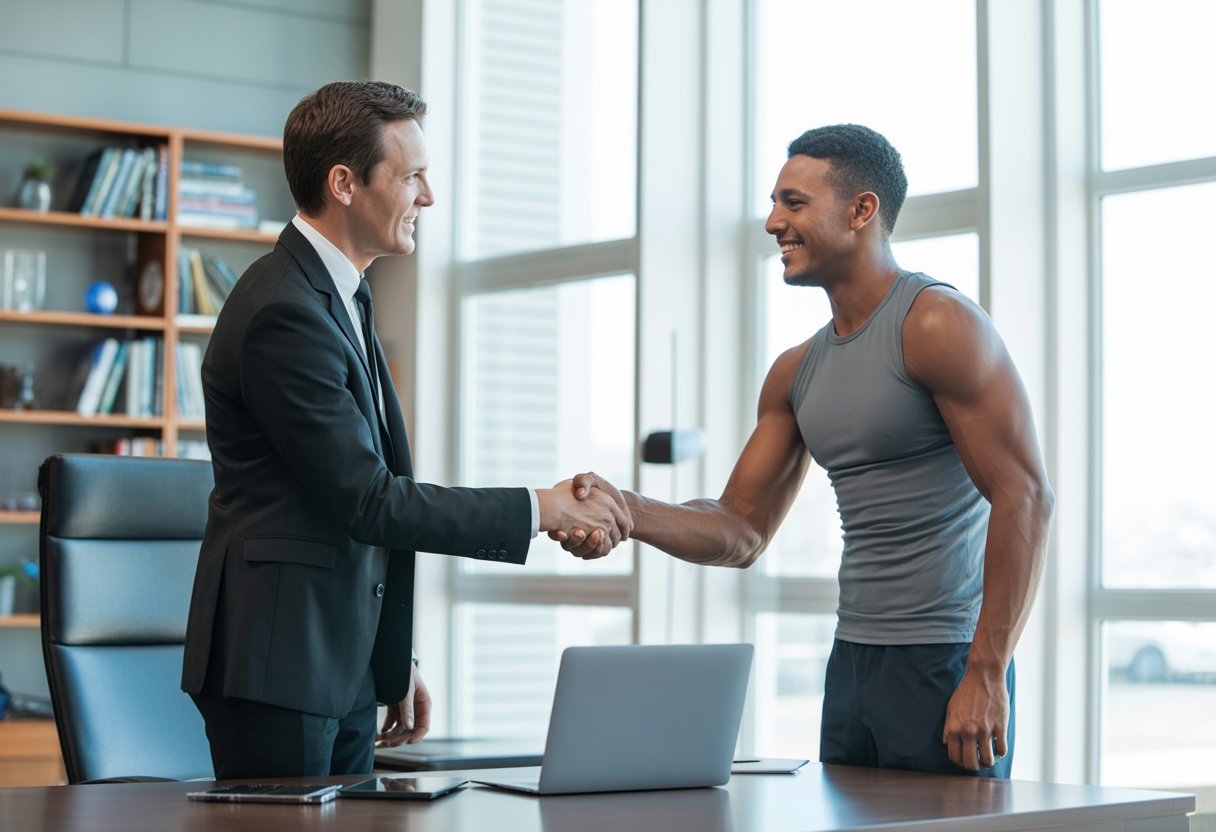
We'll explore the essential steps to identify compatible athletes, craft persuasive proposals, and negotiate mutually beneficial agreements. From understanding market dynamics to managing legal considerations, successful athlete endorsements require more than just reaching out with a product sample.
This comprehensive guide covers everything from initial brand preparation to maximizing endorsement impact. We'll examine how to research potential partners, structure compelling offers, and maintain productive long-term relationships that benefit both parties while avoiding common pitfalls that derail endorsement deals.
Understanding Athlete Endorsements
Athlete endorsements create partnerships between sports figures and brands to promote products or services. These deals range from simple social media posts to long-term contracts worth millions of dollars, offering unique benefits for both parties involved.
What Is an Athlete Endorsement?
An athlete endorsement is a business agreement where a sports figure promotes a brand's product or service in exchange for payment or other benefits. The athlete uses their public image and influence to help the brand reach new customers.
These partnerships work because fans trust athletes they admire. When a respected player recommends something, their followers are more likely to buy it.
Common endorsement activities include:
- Wearing branded clothing or equipment during games
- Appearing in commercials or advertisements
- Posting about products on social media
- Making public appearances at brand events
- Speaking positively about the brand in interviews
The key is authenticity. Fans can tell when an endorsement feels fake or forced. The best deals happen when the athlete genuinely likes the product.
Types of Endorsement Opportunities
We see several different types of endorsement deals in today's market. Each type offers unique advantages depending on our goals and budget.
- Social media endorsements are the most common today. Athletes post photos or videos featuring our product on Instagram, Twitter, or TikTok. These cost less than traditional ads but can reach millions of followers.
- Product placement deals involve athletes using our products during games or training. Think of basketball players wearing specific shoes or golfers using certain clubs.
- Brand ambassador programs create long-term relationships. The athlete becomes the face of our brand for months or years. This builds stronger connections with customers.
- Event appearances let athletes promote our brand at specific occasions like book signings, product launches, or trade shows.
- Content creation partnerships involve athletes helping create videos, podcasts, or written content that features our brand naturally.
Benefits for Brands and Authors
Athlete endorsements boost brand visibility in ways traditional advertising cannot match. When a popular player uses our product, millions of fans notice immediately.
For brand awareness, we gain:
- Access to the athlete's existing fan base
- Increased social media reach and engagement
- Higher brand recognition in target markets
- More credible product recommendations
Athletes bring built-in trust that takes years to develop through other marketing methods. Fans already have emotional connections with these sports figures.
Financial benefits include:
- Higher sales numbers during endorsement campaigns
- Better customer retention rates
- Increased market share in competitive industries
- Stronger brand value over time
For authors specifically, athlete endorsements can transform unknown books into bestsellers. A single post from a famous player can lead to thousands of new readers discovering our work. The endorsement also creates valuable content we can use across multiple marketing channels for months after the initial agreement.
Preparing Your Book or Brand for Athlete Partnerships
Before reaching out to athletes, you need to ensure your brand has clear values, strong visibility, and offers real value to potential partners. These three areas form the foundation of any successful athlete endorsement.
Clarifying Brand Values and Audience Fit
We must first define what our brand stands for and who we want to reach. Athletes care about working with brands that match their personal values and connect with their fans.
Start by writing down your core brand values in simple terms. Ask yourself what your brand believes in and what it stands against. Next, research your target athlete's values and fan base. Look at their social media posts, interviews, and causes they support. Check if their audience matches your target customers.
Key questions to answer:
- What age group follows this athlete?
- What interests do their fans have?
- What values does the athlete promote?
Create a one-page document that shows how your brand values align with the athlete's image. This makes it easier to explain why the partnership makes sense.
Enhancing Brand Visibility and Appeal
Athletes want to work with brands that already have some recognition and professional appeal. We need to strengthen our brand visibility before approaching potential partners.
Focus on these areas first:
Social Media Presence
- Post regularly on 2-3 main platforms
- Use professional photos and graphics
- Engage with followers through comments and messages
Professional Materials
- Create a clean, easy-to-use website
- Design a media kit with brand photos and facts
- Develop consistent colors, fonts, and logos
Credibility Markers
- Get featured in relevant publications
- Collect customer reviews and testimonials
- Partner with smaller influencers first
Athletes often research brands before agreeing to work with them. Make sure your online presence looks professional and trustworthy.
Creating a Compelling Value Proposition
We need to clearly explain what the athlete gets from working with us beyond just money. Modern athletes look for partnerships that help build their personal brand and connect with their values.
Financial Benefits
- Competitive payment rates
- Performance bonuses
- Revenue sharing opportunities
Brand Building Support
- Cross-promotion on our platforms
- Professional content creation
- Access to our customer base
Additional Value
- Products they actually use and enjoy
- Alignment with causes they care about
- Long-term partnership potential
Write a simple pitch that explains these benefits in 2-3 sentences. Test this pitch with people who know the athlete or their industry to make sure it sounds appealing.
Finding and Selecting the Right Athlete
The success of your endorsement campaign depends on choosing an athlete whose values, audience, and reputation align with your brand goals. We need to research potential partners carefully and check their background before making any commitments.
Identifying Potential Athlete Partners
We start by defining our target audience and budget range. This helps narrow down which athletes make sense for our brand.
Research athletes in relevant sports categories:
- Professional leagues (NFL, NBA, MLB, WNBA)
- College athletes with strong local followings
- Olympic or emerging sport athletes
- Retired legends with lasting appeal
We use social media analytics tools to find athletes whose followers match our customer base. Look at their engagement rates, not just follower counts.
Key metrics to track:
- Age range of their audience
- Geographic location of followers
- Gender split of their fanbase
- Engagement rate on posts
Sports marketing platforms can help us discover athletes we might not know about. Many platforms let us filter by sport, location, and audience size. We should also consider local and regional athletes. They often cost less and have strong connections to specific communities.
Evaluating Athlete Brand Compatibility
We need to make sure the athlete's image fits with our brand values. Their personality becomes part of our marketing message.
Check these compatibility factors:
- Personal values match our brand mission
- Communication style fits our tone
- Target audience overlaps with our customers
- Sport image aligns with our industry
We review their recent interviews and public statements. Athletes who speak confidently about topics related to our industry work best. Look at what other brands they endorse. Too many partnerships can dilute their impact. Athletes who endorse competing products create obvious conflicts.
Red flags to avoid:
- Multiple endorsements in similar categories
- Controversial political statements
- Inconsistent messaging across platforms
- Poor communication skills in interviews
We also consider their career stage. Rising stars cost less but carry more risk. Established athletes provide stability but demand higher fees.
Due Diligence and Reputation Checks
We must research an athlete's background thoroughly before signing any agreement. One scandal can damage our brand reputation quickly.
Essential background checks include:
- Legal issues or arrests
- Social media history review
- Performance-enhancing drug violations
- Previous endorsement conflicts or problems
We search news archives going back several years. Pay special attention to how they handled past controversies. Check their current contract status with teams and leagues. Some agreements limit what athletes can endorse.
Professional verification steps:
- Confirm they can legally enter endorsement deals
- Review any existing exclusive partnerships
- Check upcoming contract negotiations that might affect availability
- Verify their amateur or professional status
We also monitor their current social media activity. Athletes who post inappropriate content or engage in online arguments create unnecessary risks. Contact their previous brand partners when possible. This gives us insight into how professional and reliable they are to work with.
Approaching Athletes and Negotiating Endorsements
Success depends on building genuine relationships with athletes and presenting clear value propositions that align with their personal brand and career goals.
Building Authentic Connections
We must start by researching the athlete's values, interests, and current brand partnerships. This shows respect for their time and helps us understand what matters to them personally.
- Social media provides valuable insights into an athlete's personality and causes they support. We can engage meaningfully with their content before reaching out. This builds familiarity and shows genuine interest.
- Networking events and sports industry conferences offer face-to-face opportunities. We should attend events where our target athletes might appear. Personal connections often work better than cold outreach.
- NIL agreements have changed how college athletes approach endorsements. We need to understand their unique position and compliance requirements. College athletes often have different priorities than professional players.
- Mutual connections can provide warm introductions. We should leverage relationships with coaches, agents, or other athletes who already trust us. This approach has higher success rates than direct contact.
Crafting a Professional Pitch
Our pitch must clearly explain how the partnership benefits the athlete beyond just payment. Athlete marketing requires showing how we enhance their personal brand. We should create a one-page proposal that includes:
- Brand alignment between our product and their image
- Specific deliverables we expect from them
- Timeline for the partnership
- Compensation structure including payment terms
Visual mockups help athletes see how the partnership looks in practice. We can show sample social media posts or advertisement concepts. This makes our vision concrete and easier to understand. Performance metrics should be realistic and measurable. We need to avoid promises we cannot keep. Honest projections build trust and set proper expectations.
Negotiating Terms and Compensation
Brand partnerships require careful contract negotiation to protect both parties. We must be prepared to discuss exclusivity clauses and usage rights clearly. Payment structures vary widely in athlete endorsements:
| Payment Type | Description | Best For |
|---|---|---|
| Flat fee | One-time payment | Short campaigns |
| Revenue share | Percentage of sales | Long-term partnerships |
| Product + cash | Combination deal | Budget-conscious brands |
Social media requirements need specific guidelines. We should define posting frequency, content approval processes, and platform requirements. Clear expectations prevent misunderstandings later. Legal review protects both sides from potential issues. We recommend having attorneys examine contracts before signing. This prevents costly disputes down the road.
Performance bonuses can motivate athletes to exceed basic requirements. We might offer extra payment for reaching engagement targets or sales goals. This aligns their success with ours.
Maximizing the Impact of Athlete Endorsements
Getting an athlete to endorse your book or brand is just the first step. The real value comes from coordinating your campaigns with their schedule, using their social media reach effectively, and connecting their endorsement to live events where people can experience your brand directly.
Coordinating Campaigns and Launches
We need to align our campaign timing with the athlete's competitive schedule and peak visibility periods. Athletes get the most attention during their active seasons, major tournaments, or championship runs.
Key timing strategies include:
- Launch campaigns during tournament seasons
- Plan around award ceremonies and media appearances
- Coordinate with the athlete's existing sponsorship calendar
We should create campaign materials that the athlete can easily share. This means providing ready-made social media posts, quotes, and visual content that matches their personal brand. The athlete's team will have specific requirements for how they present endorsements. We must work within their guidelines for logos, messaging, and co-branding opportunities.
Campaign coordination checklist:
- Confirm posting dates and times
- Provide high-quality photos and graphics
- Set clear expectations for deliverables
- Plan backup content for schedule changes
Leveraging Influencer and Social Media Channels
Athletes have direct access to millions of engaged followers through their social media accounts. We can maximize this reach by creating content that feels natural to their usual posts.
Effective social media strategies:
- Behind-the-scenes content showing the athlete using our product
- Story posts that feel spontaneous and personal
- Live videos or Q&A sessions mentioning our brand
- Cross-posting on multiple platforms for maximum exposure
We should track which posts get the most engagement. This data helps us understand what content works best with their audience. The athlete's social media team often handles posting schedules. We need to provide content well in advance and be flexible with timing based on their other commitments.
Content that performs well:
- Training videos featuring our product
- Personal testimonials in the athlete's own words
- Action shots during competition or practice
- Casual lifestyle content showing everyday use
Integrating Speaking Engagements and Events
Speaking engagements give us opportunities to showcase our brand in front of live audiences. When athletes mention our book or brand during interviews, speeches, or panel discussions, it creates powerful credibility. We can coordinate with the athlete's speaking agent to identify relevant events. Industry conferences, sports conventions, and book festivals are ideal venues for brand mentions.
Event integration opportunities:
- Book signings with athlete appearances
- Product demonstrations at trade shows
- Panel discussions about topics related to our brand
- Award ceremonies where athletes can mention partnerships
The athlete can wear branded clothing or hold our product during photo opportunities. These images often get picked up by media outlets and shared widely online. We should provide talking points that help the athlete naturally weave our brand into their presentations. The key is making these mentions feel organic rather than forced sales pitches.
Speaking engagement deliverables:
- Professional photos with our product
- Video testimonials recorded on-site
- Social media posts from the event
- Media interviews mentioning our partnership
Legal Considerations and Managing Endorsement Relationships
Athlete endorsement deals require careful attention to legal frameworks and relationship management strategies. Understanding contract terms, protecting your brand's reputation, and building sustainable partnerships are essential for successful long-term collaborations.
Understanding Contracts and NIL Agreements
Name, Image, and Likeness (NIL) rights form the foundation of every athlete endorsement contract. These agreements define how we can use an athlete's identity to promote our products or services.
Key contract elements include:
- Usage rights: Specific ways we can use the athlete's image
- Duration: How long the agreement lasts
- Compensation: Payment structure and performance bonuses
- Exclusivity clauses: Whether the athlete can work with competitors
NIL agreements must clearly outline social media requirements. We need to specify how many posts the athlete will make and what platforms they'll use. Territory restrictions matter too. Some contracts limit endorsements to specific countries or regions.
Performance metrics should be measurable. We might require the athlete to attend events or reach certain engagement numbers on social posts. Always include termination clauses. These protect us if the athlete faces legal troubles or violates contract terms.
Protecting Brand Reputation
Due diligence is critical before signing any athlete. We must research their background, social media history, and past controversies. Create a moral clause in every contract. This lets us end the partnership if the athlete's actions damage our brand reputation.
Monitor the athlete's public behavior regularly. Set up Google alerts and social media monitoring tools to track mentions. Crisis management plans should be ready before problems arise. Know exactly what steps to take if negative news breaks about our endorsed athlete.
Consider the athlete's values alignment with our brand. Their personal beliefs and public statements should match our company's image. Insurance coverage can protect against financial losses from endorsement deals gone wrong. Some policies cover reputation damage costs. Review all athlete content before publication. Require approval rights for any promotional materials they create for our brand.
Sustaining Long-Term Partnerships
- Regular communication keeps endorsement relationships strong. Schedule monthly check-ins to discuss upcoming campaigns and goals.
- Performance tracking helps measure success. Use specific metrics like sales increases, website traffic, or social media engagement rates.
- Offer relationship perks beyond basic contract requirements. Invite athletes to company events or provide exclusive product access.
- Flexibility in contracts allows for relationship growth. Include options to extend agreements or add new promotional activities.
- Brand partnerships work best when athletes genuinely use and enjoy our products. Encourage authentic testimonials rather than scripted content.
- Create collaborative content planning. Work with athletes to develop campaign ideas that feel natural to their personal brand.
- Sports marketing trends change quickly. Stay updated on new platforms and promotional methods that athletes prefer.
- Build mutual respect by honoring all contract terms promptly. Pay on time and provide promised support for promotional activities.
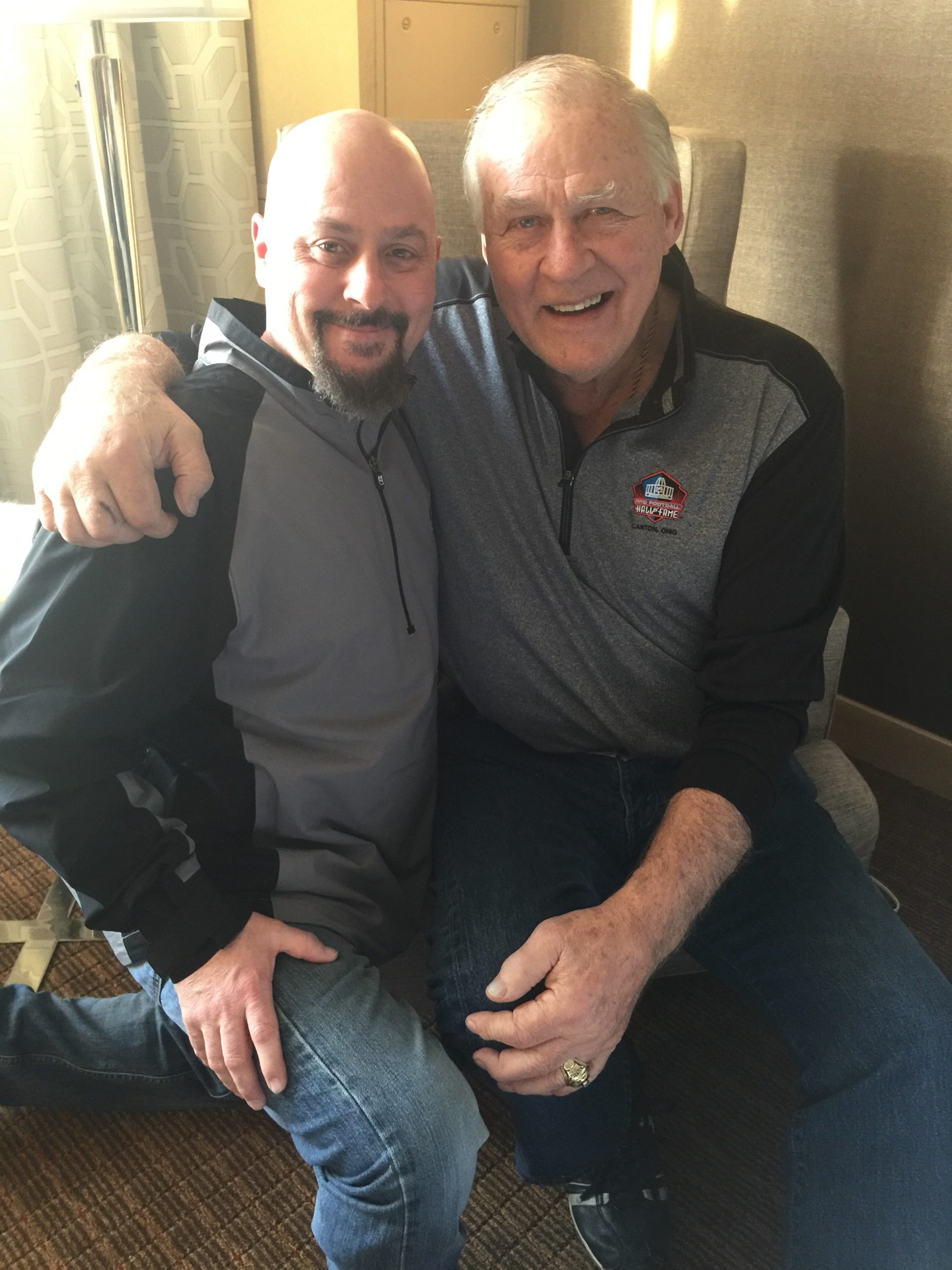
Mark M. Mayfield is the founder and CEO of Mayfield Sports Marketing, a leading sports marketing agency specializing in athlete bookings, brand partnerships, and corporate speaking engagements. With 20+ years of experience and a career that began through a life-changing partnership with Packers legend Gilbert Brown, Mark has built a trusted reputation for connecting brands with iconic sports figures. His agency has worked with NFL, NBA, MLB, and Olympic athletes, delivering high-impact events and endorsements for companies like ESPN, MDA, and CitGo.