

Reaching out to an athlete’s booking agent can be intimidating, especially if it’s your first time organizing an event or promotional activation. Whether you are planning a corporate event, fundraiser, or brand campaign, the way you communicate significantly influences your chances of securing the right athlete.
At Mayfield Sports Marketing, we help clients make professional connections with athlete representatives every day. With over 15 years of experience, we know what booking agents look for and how to structure compelling email requests that get results.
Understand the Role of a Booking Agent
Before composing your email, it helps to understand who you are contacting. A booking agent represents the athlete on appearance opportunities and coordinates logistics with event organizers. They are gatekeepers for:
- Contract negotiations
- Availability and scheduling
- Compensation and technical requirements
- Media and promotional commitments
Agents are busy professionals. Your task is to make their job easier by communicating clearly, respectfully, and efficiently.
Do Your Research First
Identify the correct agent or representative for the athlete you want. Most professional athletes use agencies that specialize in appearances and speaking engagements. Start with the athlete’s official website, agency profiles, or trusted talent directories to find accurate contact information.
If you are interested in athletes like Jayden Reed, Gilbert Brown, or Romeo Doubs, your first step is to confirm who manages their appearance bookings. Reaching the right person ensures your request does not go unanswered or get lost in general inbox clutter.
How to Structure Your Email
A successful outreach email includes five key components: a clear subject line, a strong introduction, specific event details, compensation expectations, and a professional close.
1. Clear and Specific Subject Line
The subject line is your first impression. Make it concise and informative so the agent knows immediately what your message is about.
Examples of effective subject lines:
- “Speaking Request for [Athlete Name] – Leadership Conference”
- “Appearance Opportunity – Community Event in Milwaukee”
- “Book [Athlete Name] for Product Launch Event”
Avoid vague subject lines. Agents receive many emails daily, and clarity increases the likelihood of a timely response.
2. Professional Introduction
Begin with a brief introduction of who you are and the organization you represent. Be sure to include a clear purpose for your inquiry within the first few sentences.
For example:
“Hello [Agent Name], my name is Maria Lopez and I am the Event Coordinator for Tech Innovate Conference. We are interested in booking [Athlete Name] as a featured speaker for our annual leadership summit.”
Keep this section concise and to the point.
3. Present Your Event or Project Details
After introducing yourself, provide clear information about your event or campaign. Include:
- Event name
- Date and location
- Audience size and demographic
- Role you want the athlete to play (speech, panel, meet and greet, interview)
Agents appreciate understanding the full scope of involvement so they can assess whether the opportunity aligns with their client’s brand and schedule.
4. Compensation Expectations
Booking agents value transparency. If you have a budget range, state it clearly. Agents often prioritize requests that are professional and show respect for the athlete’s time and brand value.
Example:
“Our budget for this appearance is in the range of $10,000 to $15,000. We are also prepared to cover travel, lodging, and any logistical needs.”
Providing a range helps the agent determine feasibility and reduces back-and-forth negotiation emails.
5. Professional Close and Call to Action
End with a polite request for next steps such as availability confirmation or a follow-up call. Include your full contact information.
For example:
“Please let me know if [Athlete Name] is available or if you need more information. We would love to discuss this opportunity further at your convenience. Best regards, [Your Name], [Title], [Organization], [Phone], [Email].”
Providing clear contact details makes it easy for the agent to respond.
Best Practices for Outreach

Personalize Each Email
Avoid generic messages. Mention something specific about the athlete, such as their community involvement, personal brand, or recent accomplishment. For athletes like Eddie Lacy, who connect deeply with local fan communities, referencing these connections makes your email more genuine.
Be Respectful and Patient
Agents are balancing multiple clients and inquiries. Allow at least one week before following up. If you must follow up, keep it brief and polite.
Avoid Attachments in Initial Emails
Attachments can trigger spam filters or be overlooked. Include a link to event details, agenda, or website instead, and offer to send additional materials upon request.
Send Emails at Strategic Times
Mid-week, during standard business hours, increases the chance your message is seen and reviewed promptly.
Real Email Templates You Can Use
Here are templates tailored to common booking scenarios. Replace bracketed content with your specific details.
Template 1: Booking for a Corporate Event
Subject: Booking Inquiry for [Athlete Name] – [Event Name]
Email:
Hello [Agent Name],
My name is [Your Name] from [Organization]. We are organizing [Event Name], taking place on [Date] in [City]. We would like to invite [Athlete Name] as our keynote speaker to share insights on leadership and performance with our audience of [Audience Size].
Our budget for this engagement is [Budget Range], and we will cover all travel and accommodations. Please let me know if [Athlete Name] is available or if you need additional details.
Thank you,
[Your Name]
[Title]
[Organization]
[Phone]
[Email]
Template 2: Booking for a Community Event or Fundraiser
Subject: Appearance Request – [Athlete Name] – [Organization]
Email:
Hello [Agent Name],
I am [Your Name], Event Director for [Organization]. We are hosting a community fundraiser on [Date] in [City] to support [Cause]. We would be honored to have [Athlete Name] participate in a meet and greet, photo session, and brief remarks.
We are prepared to offer an appearance fee of [Budget Range] and will provide travel and logistics support. Please let me know if this opportunity might align with [Athlete Name]’s schedule and interests.
Best regards,
[Your Name]
[Title]
[Organization]
[Phone]
[Email]
Why Mayfield Sports Marketing Makes Booking Easier
Securing athlete appearances and navigating communication with agents can be complex and time consuming. At Mayfield Sports Marketing, we handle the entire process for you from initial outreach and negotiation to contract execution and event preparation.
Our experience with a wide range of athletes, including those like Tucker Kraft, Rashan Gary, and Ahman Green, means we understand what booking agents expect and what makes a request compelling.
Final Thoughts
Emailing a booking agent successfully requires clarity, professionalism, and respect for the athlete’s brand and schedule. With a thoughtful approach and clear communication, you increase your chances of securing the right athlete for your event or campaign.
If you would like help with athlete outreach, contract negotiation, or event planning, Mayfield Sports Marketing is here to support you every step of the way. Just let us know your goals and we will guide you through the process.
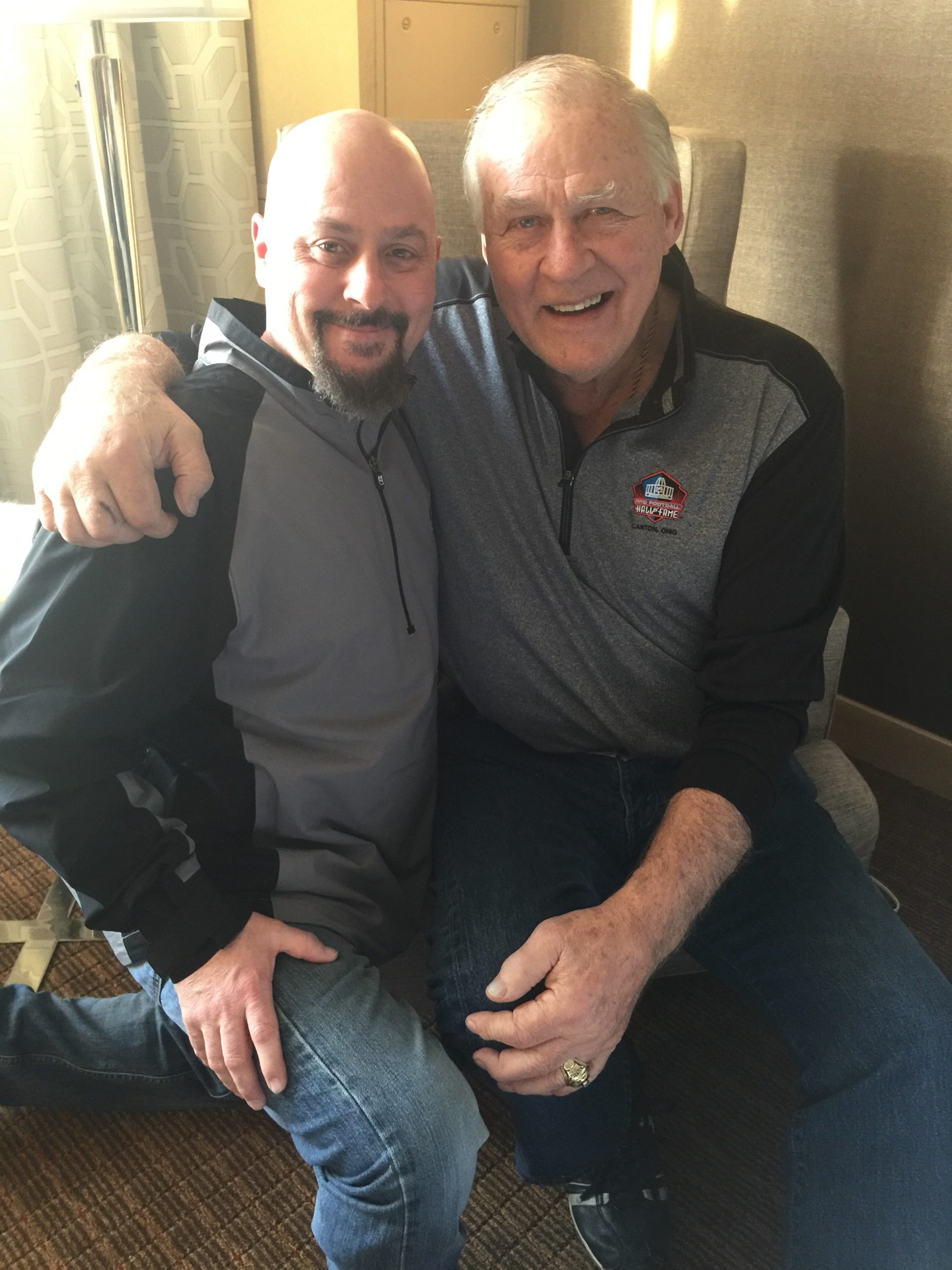
Mark M. Mayfield is the founder and CEO of Mayfield Sports Marketing, a leading sports marketing agency specializing in athlete bookings, brand partnerships, and corporate speaking engagements. With 20+ years of experience and a career that began through a life-changing partnership with Packers legend Gilbert Brown, Mark has built a trusted reputation for connecting brands with iconic sports figures. His agency has worked with NFL, NBA, MLB, and Olympic athletes, delivering high-impact events and endorsements for companies like ESPN, MDA, and CitGo.