
Booking an athlete motivational speaker can transform your event from ordinary to inspiring. These speakers bring real-world experience and powerful stories that connect with audiences in ways traditional speakers often cannot.
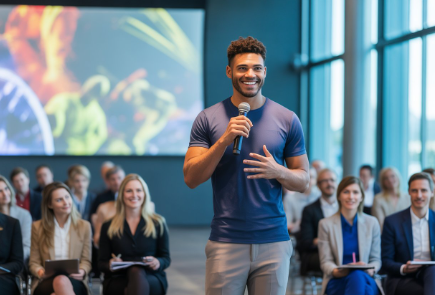
Professional athlete speakers typically cost between $5,000 to $100,000+ depending on their fame level, sport, and speaking experience. The investment pays off when you see how former and current athletes motivate teams, inspire personal growth, and share lessons about overcoming challenges.
We'll walk you through the entire process of finding and booking the perfect athlete speaker for your needs. You'll learn how to identify speakers who match your event goals, understand what makes these speakers effective, and discover practical steps to secure top talent within your budget.
Understanding Athlete Motivational Speakers
Athlete motivational speakers bring unique experiences from professional sports to inspire audiences through real stories of triumph and challenge. They cover topics from teamwork to overcoming obstacles, and come in various forms including current players, retired legends, and coaches.
What Sets Athlete Speakers Apart
Sports speakers offer something most motivational speakers cannot: real-world proof of peak performance under extreme pressure. We see this credibility in how they've handled wins, losses, and comebacks on the biggest stages. Unlike traditional keynote speakers who rely on theories, athlete speakers share personal experiences from professional competition. They've faced failure in front of millions and bounced back stronger.
Sports celebrities connect with audiences through relatable struggles. Their stories about injury, doubt, and perseverance feel authentic because they happened in public view. The physical nature of sports creates powerful metaphors for business and life challenges. When a former NFL player talks about teamwork, audiences listen because they've seen real results.
Athlete speakers also bring name recognition that draws crowds. A sports celebrity can fill seats and generate excitement before they even speak.
Popular Topics Covered by Sports Speakers
- Teamwork and Leadership top the list for most athlete speakers. They share how they built trust with teammates and led under pressure. These lessons apply directly to workplace dynamics.
- Overcoming Adversity comes naturally to sports speakers. They discuss injuries, defeats, and setbacks with firsthand knowledge. Audiences connect with these universal struggles.
- Goal Setting and Achievement gets covered through training stories and championship pursuits. Athletes explain how they broke big dreams into daily actions.
- Mental Toughness topics include handling criticism, staying focused, and bouncing back from failure. Sports celebrities share techniques they used during competition.
- Work Ethic and Discipline stories show what it takes to reach the top. They explain practice habits, sacrifice, and commitment needed for success.
- Some christian speakers from sports backgrounds also cover faith and values, sharing how beliefs guided their careers and personal growth.
Different Types of Athlete Speakers
- Active Professional Athletes bring current energy and recent experiences. They cost more but offer fresh stories and media attention for events.
- Retired Sports Legends provide perspective and wisdom from complete careers. These sports speakers often have more availability and developed speaking skills.
- Olympic Athletes offer stories of representing their country and pursuing excellence. They connect well with achievement-focused audiences.
- Coaches and Team Leaders share insights about developing others and building winning cultures. They focus on leadership rather than personal athletic achievement.
- Local Sports Heroes cost less while still providing inspiration. They work well for community events and smaller budgets.
- We also see specialty speakers who combine sports with other expertise, like business leaders who played college sports or athletes who became successful entrepreneurs.
Identifying the Right Speaker for Your Event
Finding the perfect athlete speaker requires matching their expertise with your event goals and understanding what will resonate with your specific audience. The key factors include evaluating their athletic background, communication skills, and how well their message fits your event theme.
Assessing Event Goals and Audience Needs
We need to start by clearly defining what we want our event to achieve. Are we looking to motivate a sales team, inspire students, or energize corporate leaders?
Different audiences respond to different types of athletic backgrounds. A tech company might connect better with a strategic team sports captain. A youth group could be inspired by an athlete who overcame personal challenges.
Consider these audience factors:
- Age range and demographics
- Professional background
- Current challenges they face
- Preferred communication styles
We should also think about the event size. Some sports speakers work better in intimate settings where they can share personal stories. Others excel at energizing large crowds with high-energy presentations. The timing matters too. A morning keynote speaker needs different energy than an after-dinner motivational talk.
Researching Speaker Backgrounds and Expertise
Not all athlete speakers bring the same value to events. We need to dig deeper than just their sports achievements.
Key areas to research:
- Playing career highlights - Championships, records, leadership roles
- Post-sports activities - Business ventures, coaching, community work
- Speaking experience - Years presenting, types of events, client feedback
- Expertise areas - Teamwork, overcoming adversity, peak performance
We should look for athletes who have faced and conquered challenges similar to what our audience experiences. A comeback story from injury might inspire a team facing business setbacks.
Professional credentials matter. Has the speaker written books, completed leadership training, or earned business degrees? These add credibility beyond athletic success. Check their recent speaking engagements. Athletes who regularly present at corporate events understand business audiences better than those who only speak at youth camps.
Evaluating Charisma and Speaking Style
Athletic talent doesn't automatically translate to speaking ability. We need to assess how well potential speakers connect with audiences.
Watch for these charisma indicators:
- Natural storytelling ability
- Comfort with public speaking
- Ability to read and adapt to audiences
- Authentic personality that shines through
Request video samples of recent presentations. Pay attention to how they structure stories, use humor, and maintain audience engagement. Some athletes are naturally entertaining. Others excel at delivering serious, strategic insights.
Consider their interaction style. Does the speaker prefer formal presentations or casual conversations? Will they take questions, participate in meet-and-greets, or join networking sessions?
Energy level is crucial. High-energy sports speakers work well for motivation events. Thoughtful, analytical athletes might be better for leadership conferences.
Aligning Speaker Message with Event Theme
The speaker's core message must support our event objectives. We can't expect a basketball player known for individual scoring records to effectively discuss team collaboration.
Match these message types to themes:
- Team sports athletes - Collaboration, shared goals, supporting teammates
- Individual sport competitors - Self-discipline, personal accountability, mental toughness
- Comeback stories - Resilience, adapting to change, overcoming obstacles
Ask potential speakers about their key talking points. Professional athlete speakers typically have 3-5 main messages they've developed through experience.
We should also consider current relevance. Recent Olympic athletes might have more media attention and audience recognition than those from decades past. The speaker's personal brand should align with our organization's values. Their social media presence and public statements become part of our event's image.
Key Qualities and Impact of Athlete Motivational Speakers
Professional athletes bring unique experiences from high-pressure competition that translate into powerful lessons for business and personal development. Their stories of dedication, teamwork, and comeback victories create lasting impressions on audiences.
Leadership and Teamwork Insights
Athletes understand leadership through real-world experience. They know what it takes to guide teams during pressure moments. Many have served as team captains or leaders in their sports.
Key leadership lessons include:
- Making quick decisions under pressure
- Building trust with teammates
- Communicating clearly during challenging times
- Taking responsibility for team outcomes
Former quarterbacks, team captains, and Olympic team leaders share specific examples. They tell stories about crucial moments when their leadership made the difference. These stories help business teams understand how to work together better.
Athletes also know teamwork inside and out. They have spent years depending on others to succeed. They understand how individual skills must blend with group goals.
Overcoming Adversity and Inspiring Resilience
Sports careers are filled with setbacks. Injuries, losses, and career challenges teach athletes how to bounce back. This makes them powerful speakers about resilience.
Common adversity topics include:
- Career-ending injuries and recovery
- Major losses and comebacks
- Personal struggles and growth
- Failed attempts before success
Motivational sports speakers share real stories of their lowest moments. They explain the steps they took to overcome challenges. These aren't just feel-good stories - they are practical examples of mental toughness.
Athletes learned to handle failure as part of training. They developed mental tools that helped them push through difficult times. These same tools work in business and personal life.
Fostering Engagement and Lasting Motivation
Athletes know how to connect with crowds. They understand energy and timing from performing in front of thousands of fans. This experience helps them engage audiences effectively.
Engagement techniques include:
- Interactive storytelling
- Audience participation elements
- Visual demonstrations
- Personal connection moments
Motivational speakers from sports backgrounds create energy in the room. They use their natural charisma and stage presence. Many are comfortable with large groups and know how to read an audience.
Their messages stick because they come from real experience. People remember stories about Olympic trials, championship games, and personal victories. These memories create lasting motivation long after the event ends.
Athletes also understand goal setting and achievement cycles. They can teach practical steps for reaching targets. This makes their talks both inspiring and useful for attendees.
The Athlete Speaker Booking Process
Booking an athlete speaker involves working through established agencies, setting realistic budgets, and handling contracts professionally. The process requires careful planning to secure top talent within your timeline and budget.
Working with Speakers Bureaus and Agencies
Most sports celebrities work exclusively through professional booking agencies. These companies have direct relationships with athletes and coaches. Agencies handle all communication with the athlete. They also manage scheduling and contract details for you.
Start by contacting 2-3 reputable agencies. Give them your event details including date, location, and audience size. Agencies will suggest speakers who fit your budget range. They know which athletes are actively speaking and available. Working with agencies saves time and ensures professional handling. They understand industry standards and can navigate complex scheduling conflicts.
Budgeting and Negotiating Speaker Fees
Athlete speaker fees vary widely based on fame level and demand. Current players typically cost more than retired athletes. Fees range from $5,000 for former college players to $100,000+ for Hall of Fame legends. Head coach speakers often fall in the middle range.
Consider your total budget including travel expenses. Most speakers require first-class flights and hotel accommodations. Be upfront about your budget limits from the start. This helps agencies suggest realistic options for your event.
Fees may be negotiable for non-profit events or during off-peak seasons. Corporate events typically pay full rates. Additional costs include ground transportation and meals. Factor these expenses into your planning process.
Securing Availability and Finalizing Contracts
Submit booking requests as early as possible. Popular sports speakers book months in advance for major events. Provide complete event details in your initial request. Include date, time, location, audience size, and speaking requirements.
Agencies typically respond within 24-48 hours with availability confirmation. They will send a formal contract if the speaker accepts. Review contracts carefully before signing. Pay attention to cancellation policies and technical requirements.
Most contracts require a deposit to secure the date. Final payment is usually due before or at the event. Confirm travel arrangements and arrival times well in advance. Coordinate with your venue for any special audio-visual needs.
Maximizing Event Success with Your Speaker
Successful events require careful planning before, active engagement during, and thoughtful follow-up after your athlete speaker presents. These three phases work together to create lasting impact for your audience.
Pre-Event Planning and Promotion
Connect with your athlete speaker at least 2-3 weeks before the event. Share details about your audience, their backgrounds, and what challenges they face. This helps the motivational speaker craft stories that connect with your group.
Ask your sports speakers about their technical needs. Most require a wireless microphone, projector, and stage lighting. Some athlete speaker presentations include video clips or slides that need specific equipment.
Promote your speaker strategically to build excitement. Share their athletic achievements and speaking topics on social media. Create short posts about what attendees will learn about teamwork and perseverance.
Send reminder emails to registered guests 48 hours before the event. Include parking information, start times, and a brief bio of your motivational speaker. This reduces no-shows and keeps people engaged.
Work with your speaker to create talking points that match your event goals. If you want to focus on teamwork, ask them to share specific examples from their sports career.
Audience Engagement During the Event
Introduce your athlete speaker with energy and enthusiasm. Highlight 2-3 key achievements that relate to your audience's interests. Keep introductions under 2 minutes to maintain momentum. Encourage interaction during the presentation. Most sports speakers work better with engaged crowds. Ask your speaker to include question periods or small group discussions about teamwork lessons.
Set up the room to maximize connection. Remove barriers between the motivational speaker and audience when possible. Round tables work better than theater-style seating for interaction. Monitor audience energy throughout the event. If attention drops, work with your speaker to adjust pacing or add interactive elements. Great athlete speaker presentations adapt to the crowd's mood.
Capture key moments with photos and short video clips. These help with post-event promotion and show the speaker's impact on your audience.
Post-Event Follow-Up and Feedback
Send thank-you emails within 24 hours of the event. Include key takeaways from your motivational speaker and any resources they mentioned. This keeps the momentum going after people leave.
Collect feedback immediately while the experience is fresh. Create simple surveys asking about the speaker's impact and what lessons attendees will apply. Focus on specific outcomes rather than general satisfaction.
Share highlights on social media and company communications. Post photos of engaged audiences and quote powerful messages about teamwork from your sports speakers. This extends the event's reach.
Follow up with your speaker to discuss what worked well and areas for improvement. Many athlete speaker relationships grow stronger over time, leading to better future events.
Track long-term results when possible. Look for changes in team performance, employee engagement, or goal achievement that connect to the speaker's messages. This data helps justify future motivational speaker investments.
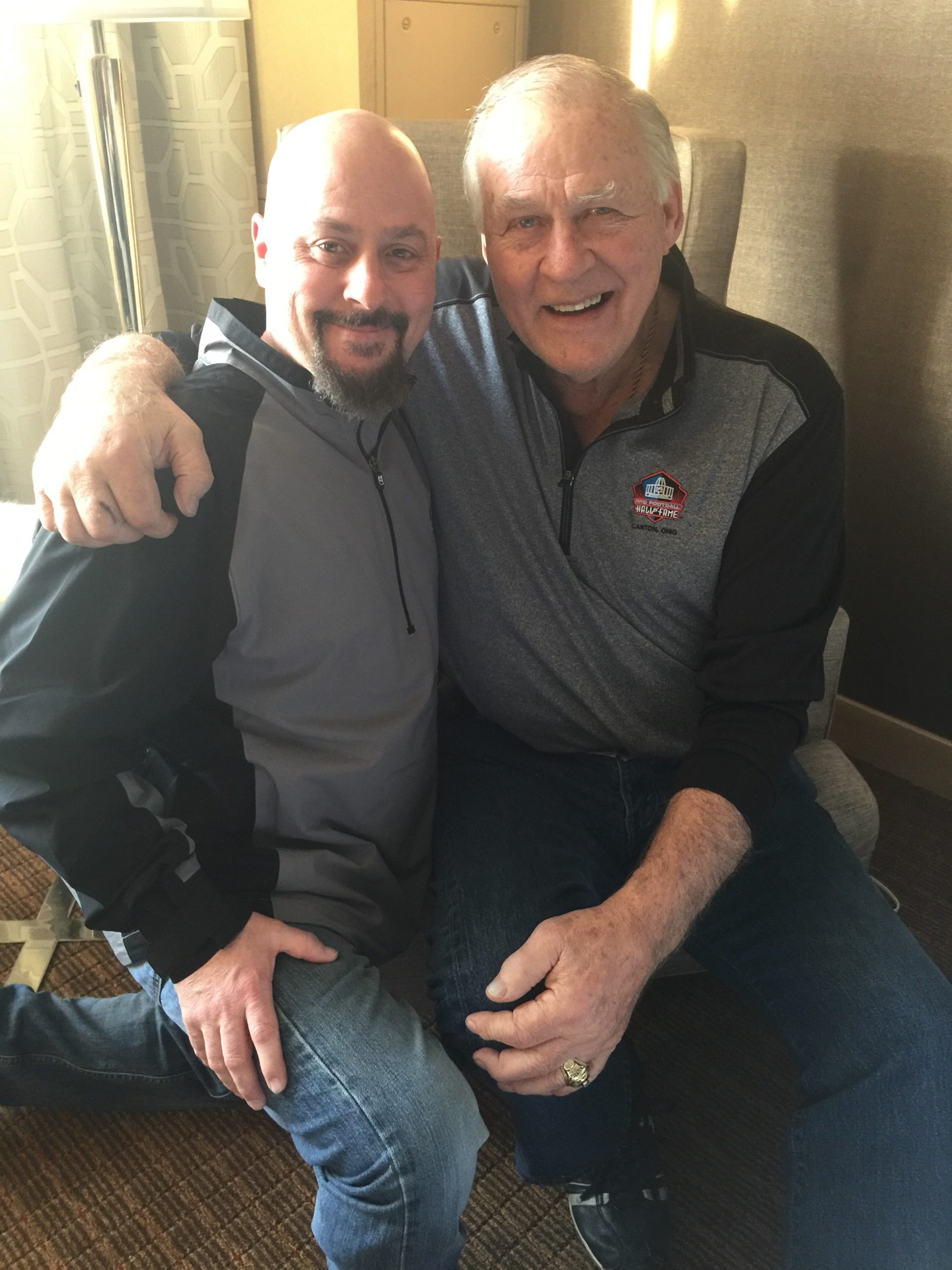
Mark M. Mayfield is the founder and CEO of Mayfield Sports Marketing, a leading sports marketing agency specializing in athlete bookings, brand partnerships, and corporate speaking engagements. With 20+ years of experience and a career that began through a life-changing partnership with Packers legend Gilbert Brown, Mark has built a trusted reputation for connecting brands with iconic sports figures. His agency has worked with NFL, NBA, MLB, and Olympic athletes, delivering high-impact events and endorsements for companies like ESPN, MDA, and CitGo.