
When booking a professional athlete for an event, one of the most common questions clients ask is whether the appearance fee includes travel and accommodation. The short answer is usually no. In most cases, the appearance fee only covers the athlete’s time at the event, while travel and lodging are handled separately.
At Mayfield Sports Marketing, we help clients navigate these details every day. With over fifteen years of experience as a full-service booking agency based in Wisconsin, we connect organizations with professional athletes and motivational speakers while managing contracts, logistics, and expectations from start to finish.
Understanding how appearance fees work can help you budget accurately and avoid surprises.
What an Athlete Appearance Fee Typically Covers
The appearance fee is generally the amount paid to secure the athlete’s participation at your event. This usually includes:
- The athlete’s time on site
- Meet and greet sessions
- Autograph signings
- Photo opportunities
- Speaking or stage appearances
- Media or promotional participation tied to the event
This fee compensates the athlete for their schedule commitment, preparation, and public presence. It does not usually include travel related expenses unless specifically negotiated.
Are Travel and Accommodation Included?
In most situations, travel and accommodation are not included in the base appearance fee. These costs are typically covered by the event organizer and handled separately from the athlete’s compensation.
Common travel and lodging expenses include:
- Airfare, often business class or first class depending on the athlete
- Hotel accommodations, usually a high-quality hotel or suite
- Ground transportation such as car service or SUV
- Meals or daily per diem during travel
- Additional rooms or tickets if required for support staff
For example, booking a high-profile athlete like Brett Favre or George Brett may involve more detailed travel arrangements due to scheduling, comfort, or security needs. For regional or Midwest favorites such as LeRoy Butler, Gilbert Brown, or John Kuhn, local appearances may reduce or simplify travel costs.
Why Travel Is Handled Separately
Separating the appearance fee from travel expenses allows flexibility for both the athlete and the client. Travel costs vary depending on distance, timing, and availability, while the appearance fee remains consistent.
This structure also allows event organizers to:
- Choose preferred airlines or hotels
- Control budgets more accurately
- Adjust travel plans if schedules change
- Handle local appearances more efficiently
Our team at Mayfield Sports Marketing manages these details so clients do not need to coordinate directly with athletes or agents.
How Athlete Profile Affects Travel Expectations
Travel expectations can differ based on the athlete’s career level and current commitments.
- Legendary figures such as Brett Favre, George Brett, or LeRoy Butler often have specific travel standards due to experience and public profile.
- Former fan favorites like Ahman Green, Antonio Freeman, Eddie Lacy, and Melvin Gordon may have more flexible arrangements depending on location and event type.
- Active and rising athletes such as Jayden Reed, Romeo Doubs, Rashan Gary, Tucker Kraft, Jaylon Johnson, and Evan Williams typically follow standard professional travel guidelines that align with league schedules and training commitments.
Regardless of the athlete, all travel expectations are clearly outlined and approved before contracts are finalized.
Can Travel Ever Be Included in the Fee?
In some cases, yes. For example:
- Local or in-state appearances
- Multi-event bookings in the same area
- Longer engagements where bundling simplifies logistics
When appropriate, Mayfield Sports Marketing can negotiate a bundled fee that includes appearance, travel, and lodging. This provides clearer budgeting and fewer line items for clients who prefer an all-inclusive arrangement.
Why Working With an Agency Matters
Booking athletes without professional guidance can lead to misunderstandings, unexpected costs, or scheduling issues. As a full-service agency, Mayfield Sports Marketing handles:
- Appearance fee negotiation
- Travel and hotel coordination
- Contract terms and rider requirements
- Schedule planning
- Communication between client and athlete
- On-site expectations and timing
Our experience ensures that both the athlete and the event organizer are aligned from the start.
Planning Your Budget the Right Way
When budgeting for an athlete appearance, it is best to plan for:
- The appearance fee
- Travel and lodging
- Ground transportation
- Any additional services requested such as extended time or media use
Our team provides transparent estimates and guidance so you know exactly what to expect.
The Role of Agencies and Representation in Arrangements
Most athlete appearances go through professional agencies that handle booking logistics and negotiate terms including travel costs. These agencies earn commissions based on the total fee package and work to secure the best deals for their clients.
Booking Through Talent Agencies
Talent agencies specialize in connecting athletes with event organizers for appearances. They maintain databases of available athletes and their speaking fees.
Key agency services include:
- Initial client screening
- Fee negotiation
- Contract drafting
- Travel coordination
- Schedule management
We typically see agencies charge 10-20% commission on the total appearance package. This percentage covers their time spent negotiating terms and handling logistics.
Most agencies have established relationships with hotels and airlines. They can often secure better rates than individual bookings. This helps keep overall costs lower for event organizers. The agency handles all communication between the athlete and client. They manage contract details, payment schedules, and specific requirements like dietary needs or equipment.
Booking Agents vs. Direct Booking
Booking through agents offers several advantages over direct contact with athletes. Agents respond faster to inquiries and have clear pricing structures already established.
Direct booking means contacting the athlete or their management team personally. This approach sometimes results in lower fees since there are no agency commissions involved.
| Agency Booking | Direct Booking |
|---|---|
| Faster response times | Potentially lower costs |
| Clear fee structures | More personal relationship |
| Professional contracts | Flexible terms |
| Established logistics | Direct communication |
However, direct booking often takes more time. Athletes may not check emails regularly during training seasons. Their representatives might lack experience in contract negotiations. We find that major events usually prefer agency booking. The professional structure reduces risks and ensures proper documentation.
Sports Marketing and Athlete Appearances
Sports marketing firms focus specifically on athlete representation for commercial opportunities. They understand the unique needs of sports personalities better than general talent agencies. These firms handle both endorsement deals and appearance bookings. They package multiple services together, which can include PR support and media training.
Sports marketing services often include:
- Appearance booking
- Endorsement negotiations
- Social media management
- PR and media relations
- Brand partnership development
We see sports marketing firms charge higher commissions than general agencies. Their rates typically range from 15-25% because they provide more comprehensive services. They also have deeper knowledge of sports industry standards. This includes understanding travel requirements for different sports and seasonal availability issues.
Sports marketing firms maintain relationships with major brands and corporate sponsors. This gives their athletes access to higher-paying appearance opportunities at corporate events and brand activations.
Tax Implications and Deductions for Athlete Appearances
Athletes face complex tax obligations when earning appearance fees, especially regarding withholding requirements for international performers and available deductions for travel expenses. We must understand proper documentation requirements and compliance procedures to maximize tax benefits while meeting all legal obligations.
Withholding Taxes for International Athletes
International athletes appearing in the United States face mandatory tax withholding on their appearance fees. The standard withholding rate is 30% of gross income unless reduced by tax treaty provisions. Athletes from countries with tax treaties may qualify for reduced withholding rates. Common treaty rates range from 0% to 15% depending on the home country.
Therefore, We must obtain either a Social Security Number (SSN) or Individual Taxpayer Identification Number (ITIN) before receiving payments. The ITIN application process typically takes 7-11 weeks to complete.
Required forms include:
- Form W-8BEN for treaty benefits
- Form 1040NR for tax return filing
- Form 8843 for substantial presence test
Athletes should file Form 1040NR by April 15th to claim refunds of excess withholding. Treaty benefits can only be claimed through proper documentation submitted before payment.
Eligible Tax Deductions for Travel and Accommodation
We can deduct unreimbursed travel expenses directly related to appearance obligations as business expenses. These deductions reduce taxable income when properly documented and substantiated.
Qualifying travel deductions include:
- Airfare and ground transportation
- Hotel accommodations during appearances
- Meals while traveling (50% deductible)
- Baggage fees and transportation costs
Luxury accommodations exceeding reasonable business standards may face IRS scrutiny. We should maintain receipts showing the business purpose and duration of each expense.
Personal expenses during business travel remain non-deductible. Mixed-purpose trips require allocation between business and personal portions.
Equipment transportation costs for appearances qualify as deductible expenses. Agent fees and public relations expenses related to securing appearances also qualify for deduction.
Necessary Tax Documentation and Compliance
We must maintain detailed records of all appearance-related income and expenses for tax compliance. The IRS requires contemporaneous documentation to support claimed deductions.
Essential documentation includes:
- Contracts showing appearance fees
- Receipts for all claimed expenses
- Travel itineraries and business calendars
- Bank statements and payment records
We should obtain our TIN (Taxpayer Identification Number) before earning any appearance income. This includes SSN for U.S. citizens or ITIN for non-resident aliens.
Quarterly estimated tax payments may be required when appearance fees exceed withholding amounts. We must file Form 1040ES by the 15th of January, April, June, and September.
Record retention requirements mandate keeping all tax documentation for at least three years after filing. International athletes should retain records for six years due to potential treaty claim reviews.
Best Practices for Event Organizers
Successful athlete appearances require careful planning across multiple areas. Smart budget management, strategic community engagement, and thorough security planning create events that deliver value while staying within financial limits.
Optimizing Travel and Accommodation Budgets
We recommend negotiating package deals that bundle appearance fees with travel costs upfront. This approach eliminates surprise expenses and provides clear budget expectations from the start.
Travel Cost Management:
- Book flights 6-8 weeks in advance for better rates
- Use corporate hotel partnerships for discounted room blocks
- Consider per diem allowances instead of covering individual meal receipts
- Bundle ground transportation with accommodation packages
Athletes often have specific travel preferences or requirements. We should ask about these needs during initial negotiations rather than discovering them later.
Accommodation Strategies:
- Reserve hotel rooms with flexible cancellation policies
- Choose hotels within 15 minutes of event venues
- Confirm room amenities match athlete expectations
- Arrange separate billing for athlete expenses versus event costs
Stay-to-play arrangements can reduce accommodation costs when working with tournament organizers. These mandates require athletes to use sanctioned hotels that offer commission rates to event planners.
Community Events and Public Relations
Community events offer unique opportunities for athlete activation while building local goodwill. We should plan these appearances to maximize both community impact and pr value.
Community Engagement Elements:
- Youth sports clinics or training sessions
- Local school visits with educational components
- Charity fundraising activities
- Meet-and-greet sessions at community centers
Timing matters for community events. We schedule these activities during daylight hours when families can attend easily.
PR Activation Strategies:
- Coordinate media interviews during community visits
- Create photo opportunities with local youth groups
- Partner with regional businesses for cross-promotion
- Document activities for social media content
Local media outlets often provide free coverage for community-focused athlete appearances. We reach out to sports reporters and community calendars at least two weeks before events.
Ensuring Security and Smooth Logistics
Security personnel planning protects both athletes and attendees while maintaining positive event experiences. We assess security needs based on athlete profile and expected crowd size.
Security Planning Essentials:
- Hire licensed security personnel familiar with sports events
- Create separate arrival and departure routes for athletes
- Establish controlled access zones around athlete areas
- Plan emergency evacuation procedures
Logistics Coordination:
- Assign dedicated staff members to athlete liaison roles
- Test all audio/visual equipment 24 hours before events
- Prepare backup transportation options
- Create detailed timeline schedules for all participants
We coordinate directly with venue security teams to understand existing protocols. This prevents conflicts between our security personnel and venue staff during events.
Communication systems between security personnel, event staff, and venue management ensure quick response to any issues. We use radio systems or mobile apps for instant coordination.
Book With Confidence Through Mayfield Sports Marketing
If you are considering booking an athlete for a corporate event, fundraiser, school program, or private appearance, Mayfield Sports Marketing is here to help. From legendary names like Brett Favre and George Brett to rising stars like Jayden Reed, & Romeo Doubs, we ensure every detail is professionally managed.
Visit MayfieldSportsMarketing.com or submit a booking request to get started.
We make athlete appearances simple, transparent, and successful.
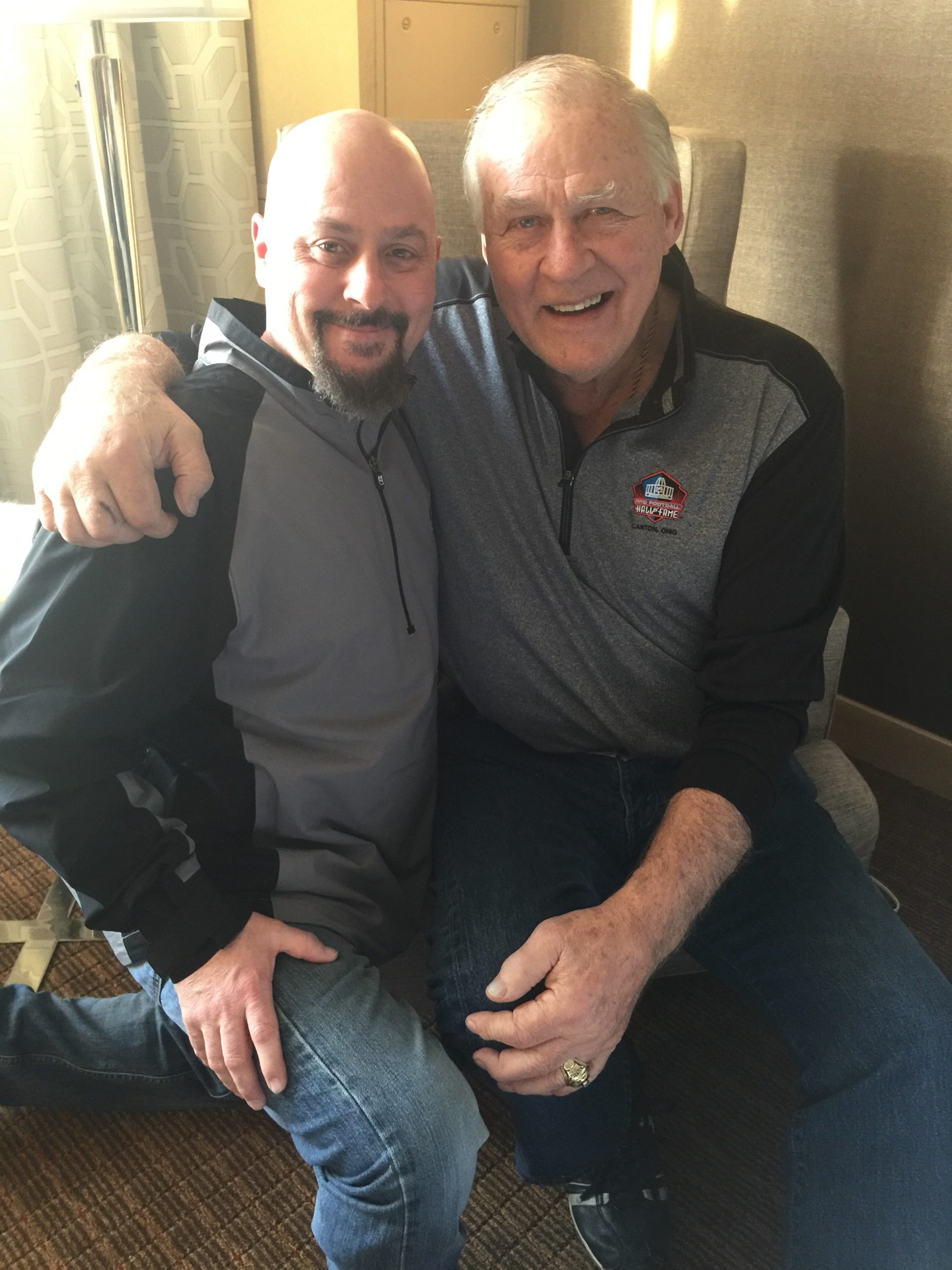
Mark M. Mayfield is the founder and CEO of Mayfield Sports Marketing, a leading sports marketing agency specializing in athlete bookings, brand partnerships, and corporate speaking engagements. With 20+ years of experience and a career that began through a life-changing partnership with Packers legend Gilbert Brown, Mark has built a trusted reputation for connecting brands with iconic sports figures. His agency has worked with NFL, NBA, MLB, and Olympic athletes, delivering high-impact events and endorsements for companies like ESPN, MDA, and CitGo.