The Green Bay Packers made a clear move on March 11, 2026. They signed Javon Hargrave to fix a gap on the defensive line. But the impact does not stop on the field. A signing like this quickly builds buzz, and that buzz often turns into real business around the player.
In Wisconsin, that shift shows up fast. Fans react, brands notice, and demand follows. Hargrave walks into a market that values both performance and personality. That combination matters when teams and businesses look beyond the game.
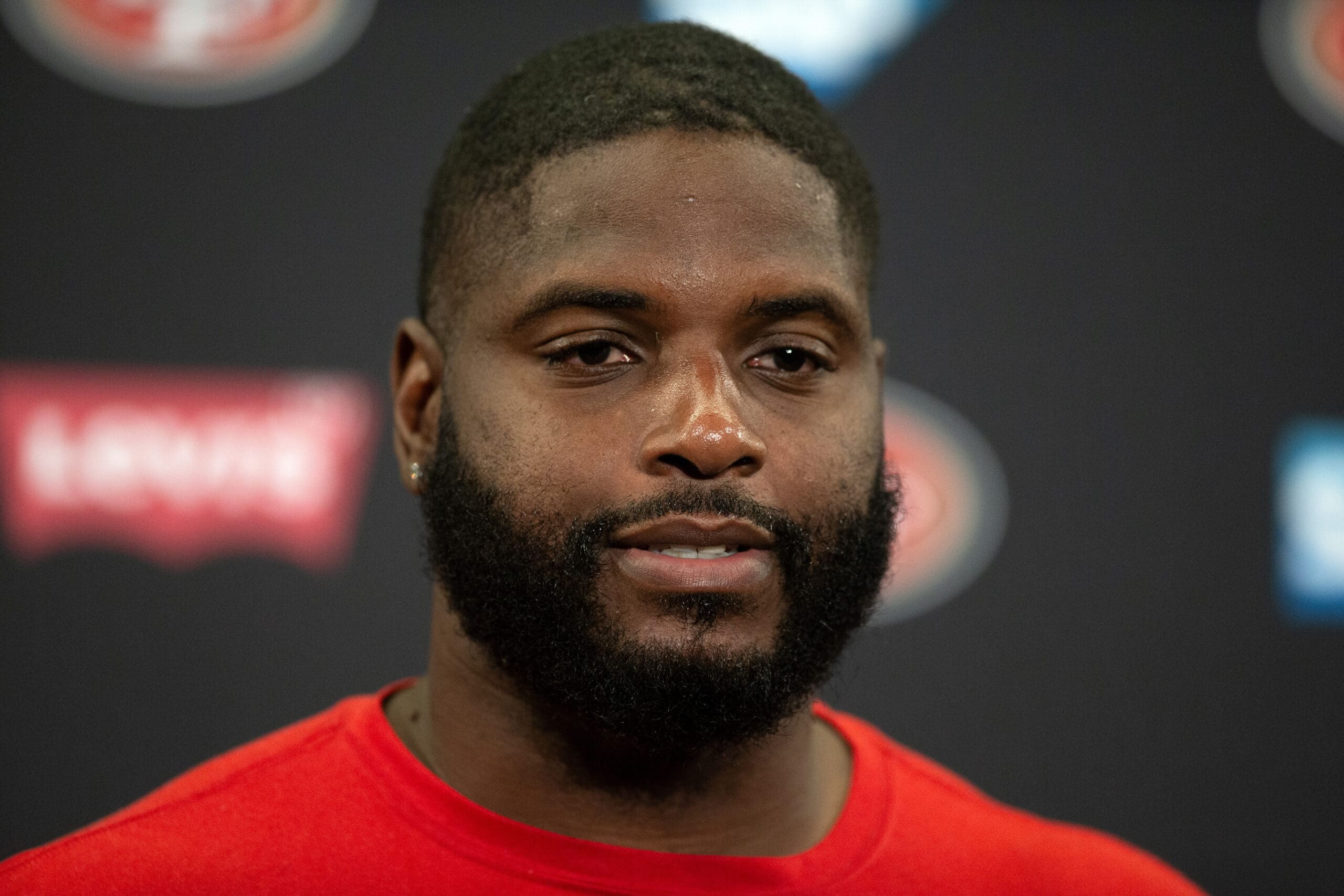
Jul 25, 2024; Santa Clara, CA, USA; San Francisco 49ers defensive lineman Javon Hargrave answers questions at a press conference following Day 3 of training camp at SAP Performance Facility. Mandatory Credit: D. Ross Cameron-USA TODAY Sports
Looking at the football side, Green Bay needed help inside after roster changes and depth concerns. Hargrave brings experience and production. He has played 146 games, recorded 49 sacks, and delivered over 430 tackles in his career. He also stayed consistent, playing at least 15 games in multiple seasons.
The deal itself makes sense. Reports on March 11, 2026, confirmed a two-year contract worth around $23 million. For a veteran with playoff experience and a proven pass rush, that is solid value. His 2025 performance still showed impact, including interior pressure and steady run defense.
Now comes the bigger picture. A move like this raises a player’s profile in a new market. Green Bay fans connect quickly with new additions, especially proven names. That attention creates opportunities beyond football.
He brings more than stats. His “Gravedigger” nickname, playoff background, and time with teams like Philadelphia and San Francisco add to his story. That makes him easier to position for corporate talks, fan events, and endorsements. Companies prefer players with both credibility and identity. Hargrave checks both boxes.
Right after the signing, demand stays high. Businesses want to connect with players when the spotlight is at its peak. That window matters for any sports marketing agency Wisconsin brands work with.
Interest around a Wisconsin athlete's booking agent tends to rise after moves like this. Brands look to book Green Bay Packers players for events, and Hargrave fits that demand right now.
So, the Packers solved a football need. At the same time, they created a moment. Hargrave now sits at the center of that, both as a player and as a growing name in Wisconsin’s sports business space.
All the organizations that want to book players for speaking endorsements in Wisconsin can meet with Mayfield Marketing for corporate meetings and autograph sessions. For long-term partnerships, the team also gives sports sponsorship consulting in Wisconsin to maximize impact and audience engagement. You can also hire Green Bay Packers players for corporate events by visiting their website and booking Packers players.
Romeo Doubs has consistently built his name with the Green Bay Packers over the past few seasons. His quick rise has not just helped the team on the field, but it has also started shaping his value off it. For brands and event planners in Wisconsin, players like Doubs bring both performance and relatability.
That connection matters in regional markets. When folks recognize a player and trust his game, it becomes easier for companies to bring him into campaigns, live events, and local promotions without forcing the fit.
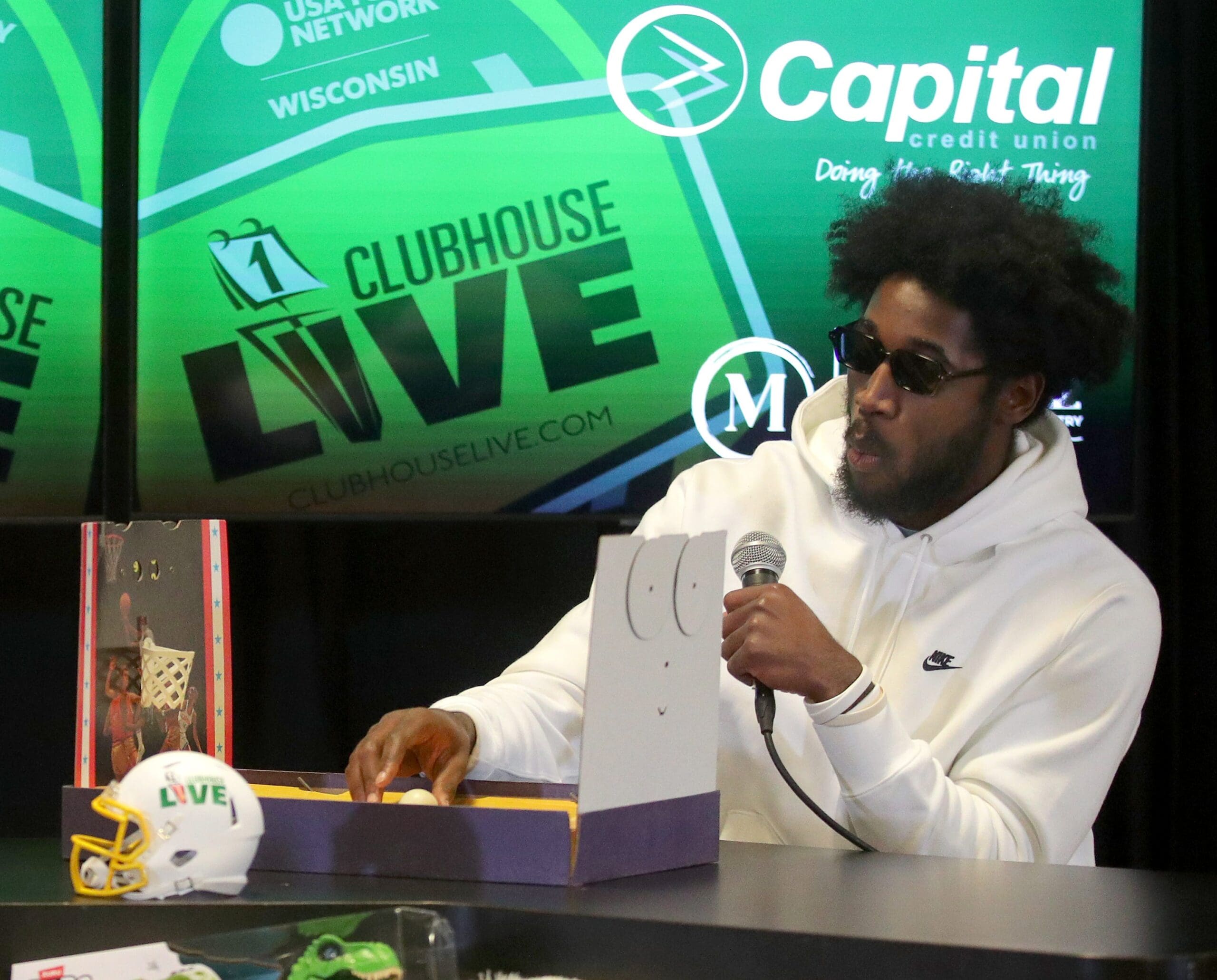
Clubhouse Live with Green Bay Packers wide receiver Romeo Doubs in the Fox Club at Fox Cities Stadium in Grand Chute, Wisconsin on Monday, December 15, 2025.
Wm. Glasheen USA TODAY NETWORK-Wisconsin
This season, Doubs showed steady progress. He finished with 55 receptions for 724 yards and six touchdowns in 16 games. He stayed involved across situations and handled pressure well. That sort of consistency builds a strong public image over time.
On Jan. 11, 2026, he delivered one of his most complete outings against the Chicago Bears at Soldier Field. He led the receiving unit with eight catches for 124 yards and a touchdown. He also made a key fourth-quarter play that moved the offense into scoring range. Performances like that stay with fans.
Wide receivers naturally hold an edge here. They are visible throughout the game and often involved in decisive plays. That visibility helps brands find athletes who can connect quickly with an audience during appearances or campaigns.
In Wisconsin, this often ties into local marketing setups. Teams and businesses that work with a Wisconsin athlete booking agent or a Midwest speakers bureau usually prefer players who are easy to recognize and engage with. Doubs fits that profile because of his role and steady rise.
Agencies like Mayfield Sports help manage these connections. As a sports marketing agency Wisconsin companies rely on, they link athletes with brands for appearances, endorsements, and community events. The goal stays simple: match the right player with the right audience.
Also, strong games attract fresh attention, even if only for a short time. Players who already have a consistent base benefit the most from that phase. Doubs rightfully falls into that category.
So the link is clear. Reliable production builds recognition, and recognition opens doors. That is why wide receivers like Doubs continue to draw interest for sponsorships and corporate events across the region.
All the organizations that want to book players for speaking endorsements in Wisconsin can meet with Mayfield Marketing for corporate meetings and autograph sessions. For long-term partnerships, the team also gives sports sponsorship consulting in Wisconsin to maximize impact and audience engagement. You can also hire Green Bay Packers players for corporate events by visiting their website and booking Packers players
Booking an NFL name in Wisconsin sounds simple at first. In reality, brands now treat it like a serious business move. From Green Bay to Milwaukee, companies want proper contracts, clear terms, and real returns. That shift has made working with a Wisconsin athlete booking agent almost necessary.
At the same time, demand has grown fast in 2026. Businesses are actively trying to book Green Bay Packers players for events that actually connect with local audiences. Interest in NFL players' appearances in Wisconsin continues to rise, but brands also want legal safety. They do not want surprises after signing a deal. That is where experienced agencies step in and take control.
Clubhouse Live with Green Bay Packers wide receiver Romeo Doubs in the Fox Club at Fox Cities Stadium in Grand Chute, Wisconsin on Monday, December 15, 2025.
Wm. Glasheen USA TODAY NETWORK-Wisconsin
The real work starts after the athlete is selected. A trusted sports marketing agency that Wisconsin companies rely on prioritizes contract clarity. Fees, travel, usage rights, and cancellations get defined early. Without that structure, even a small event can go off track.
Compliance is the next big layer. NFL-related appearances come with strict rules. Agents check endorsement conflicts and protect image rights before anything gets signed. This matters even more when brands deal with Packers stars, as existing sponsorships can easily clash. One wrong clause can cancel a deal overnight.
Then comes negotiation. A Midwest speakers' bureau or booking agency studies market rates and builds the deal from there. A short meet-and-greet costs less than a full corporate talk. Smart agents also add value through extras like VIP access or branded content. These details help brands get more than just a one-time appearance.
On June 8, 2013, Mayfield Sports Marketing outlined this approach in a SEND2PRESS release while discussing the rise of NFL appearances in Wisconsin. The agency highlighted how live events drive stronger audience engagement when planned with the right structure. That approach still shapes bookings in 2026 as companies focus on real interaction, not just visibility.
Execution is where everything comes together. Agents handle timing, logistics, and promotions so brands do not have to worry. That support is why more companies now turn to professionals instead of managing deals alone.
In the end, success depends on control and planning. Whether a brand wants to book Green Bay Packers players for events or build long-term campaigns, the right guidance keeps contracts tight and outcomes predictable. That is why navigating contracts and compliance now defines how athlete bookings are handled in Wisconsin.
All organizations that want to book players for speaking endorsements in Wisconsin can meet with Mayfield Marketing to schedule corporate meetings and autograph sessions. For long-term partnerships, the team also gives sports sponsorship consulting in Wisconsin to maximize impact and audience engagement. You can also hire Green Bay Packers players for corporate events by visiting their website and booking Packers players
The Packers didn’t overcomplicate things this offseason. They had a clear hole on the D-line, and they acted fast to fix it. On March 11, 2026, the team finally acquired veteran DT Javon Hargrave, adding proven production to a thin unit.
This great move wasn’t just about filling a spot. It was about getting value, experience, and a player who can change the game in the end moment. The fact that he came from a division rival made it even more intriguing.
Jul 25, 2024; Santa Clara, CA, USA; San Francisco 49ers defensive lineman Javon Hargrave answers questions at a press conference following Day 3 of training camp at SAP Performance Facility. Mandatory Credit: D. Ross Cameron-USA TODAY Sports
Start with the basics. The Packers needed help inside. Injuries and roster changes had left the defensive tackle room exposed. Devonte Wyatt is still working his way back, and depth has become a real issue. So the front office, led by GM Brian Gutekunst, targeted a trustworthy veteran who could step in right away.
Hargrave fits their needs perfectly. He brings 146 career games, 49 sacks, and over 400 tackles. Those are not empty numbers. He has stayed durable, playing 15 or more games in nine different seasons. That kind of consistency matters when a team wants stability in the middle of the defense.
Then comes the value angle. Reports on March 11, 2026, from FanSided revealed that the deal is for around two years and $23 million. For a player with his resume, that is a controlled investment. He may not be in his prime, but he still graded well. Pro Football Focus ranked him 35th among 134 DT last season, and his 70.0 pass rush grade shows he can still collapse the pocket.
There is also the scheme fit. Hargrave wasn’t just tough against the run - he tore through pockets from the inside, too, while playing for Philly and then San Francisco. Between 2021 and 2023, few interior linemen topped him in takedowns or hassling quarterbacks. Such a constant push opens up options, shifting how Green Bay lines up on defense.
Now add the rivalry factor. The Minnesota Vikings moved on from Hargrave to clear cap space. Green Bay stepped in and took advantage. Taking a productive player from a division rival always carries extra weight. It strengthens your roster while weakening theirs.
In the end, this signing checks every box. Need, value, experience, and a little bit of rivalry edge. That is exactly why the Packers went after Javon Hargrave.
Companies that want to book players for speaking endorsements in Wisconsin can meet with them for corporate meetings and autograph sessions. For long-term partnerships, the team also gives sports sponsorship consulting in Wisconsin to maximise impact and audience engagement. You can also hire Green Bay Packers players for corporate events by visiting their website and booking Packers players.
VIP meet-and-greets with athletes have become a major draw for events across Wisconsin. Businesses no longer rely on luck to secure big names from the Green Bay Packers or Milwaukee Brewers. They now work with booking agents who handle access, planning, and execution in one place. This shift has made athlete-driven events more polished, predictable, and far more impactful.
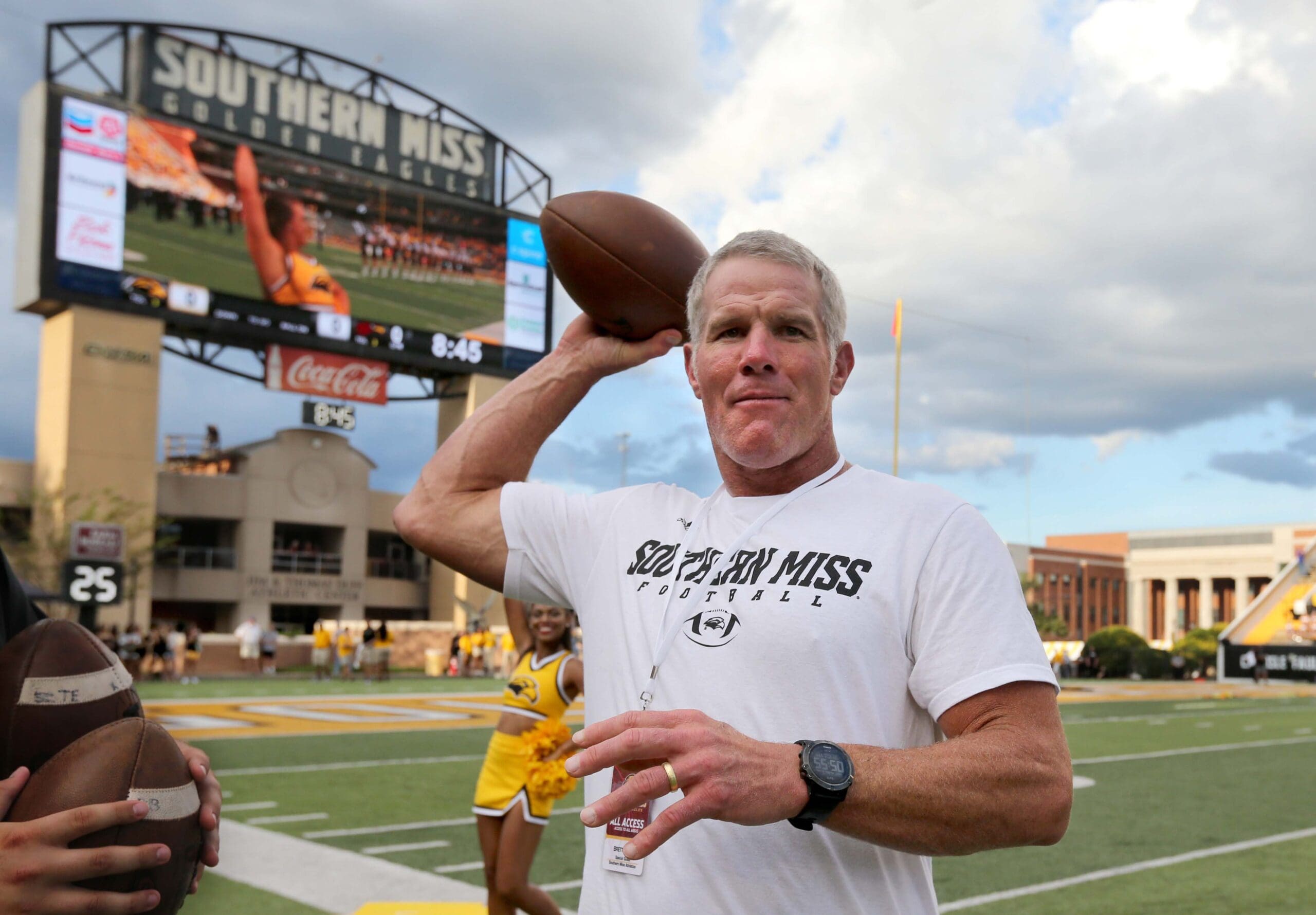
Sep 8, 2018; Hattiesburg, MS, USA; Hall of Fame quarterback Brett Favre warms up before the game between the Southern Miss Golden Eagles and the Louisiana Monroe Warhawks at M. M. Roberts Stadium. Favre played for Southern Miss. Mandatory Credit: Chuck Cook-USA TODAY Sports
Mayfield Sports Marketing continues to play a central role in organizing VIP meet-and-greets. Led by Mark M. Mayfield, the agency focuses on connecting brands with athletes for controlled, high-value interactions rather than random appearances.
Its network includes legends like Brett Favre and fan favorites such as Aaron Jones. At the same time, current faces like Jordan Love and Romeo Doubs bring fresh energy to events. VIP meet-and-greets work because they feel personal. Attendees get direct interaction, photos, autographs, and short conversations. That creates stronger recall than standard appearances. For brands, it becomes a deeper engagement rather than just visibility.
Planning plays a key role here. Organizers first decide the format. Some events limit access to a small group of clients or employees. Others use VIP passes to create exclusivity at larger gatherings. In both cases, the athlete becomes the center of the experience. Timing also matters. Packers players often draw peak interest during the NFL season, while Brewers stars work well around key baseball moments. Matching the athlete with the right timing improves turnout and audience response.
Booking agencies manage the details behind the scenes. They handle contracts, travel coordination, scheduling windows, and on-site flow. This ensures the meet-and-greet stays organized and delivers value without delays or confusion.
For companies, the return goes beyond the event day. VIP interactions create social media content, strengthen client relationships, and build long-term brand loyalty. If you are looking for a Wisconsin corporate keynote speaker in the NFL, Mayfield Marketing is an ideal choice. They connect famous players with brands looking to organise events
Companies that want to book players for speaking endorsements in Wisconsin can meet with them for corporate meetings and autograph sessions. For long-term partnerships, the team also gives sports sponsorship consulting in Wisconsin to maximise impact and audience engagement. You can also hire Green Bay Packers players for corporate events by visiting their website and booking Packers players.
Booking a top Wisconsin athlete is now direct and structured. Organisations that want to bring in stars from the Green Bay Packers or the Milwaukee Brewers are relying on trustworthy booking agents rather than chasing contacts on their own. That shift has changed how events are planned across the state.
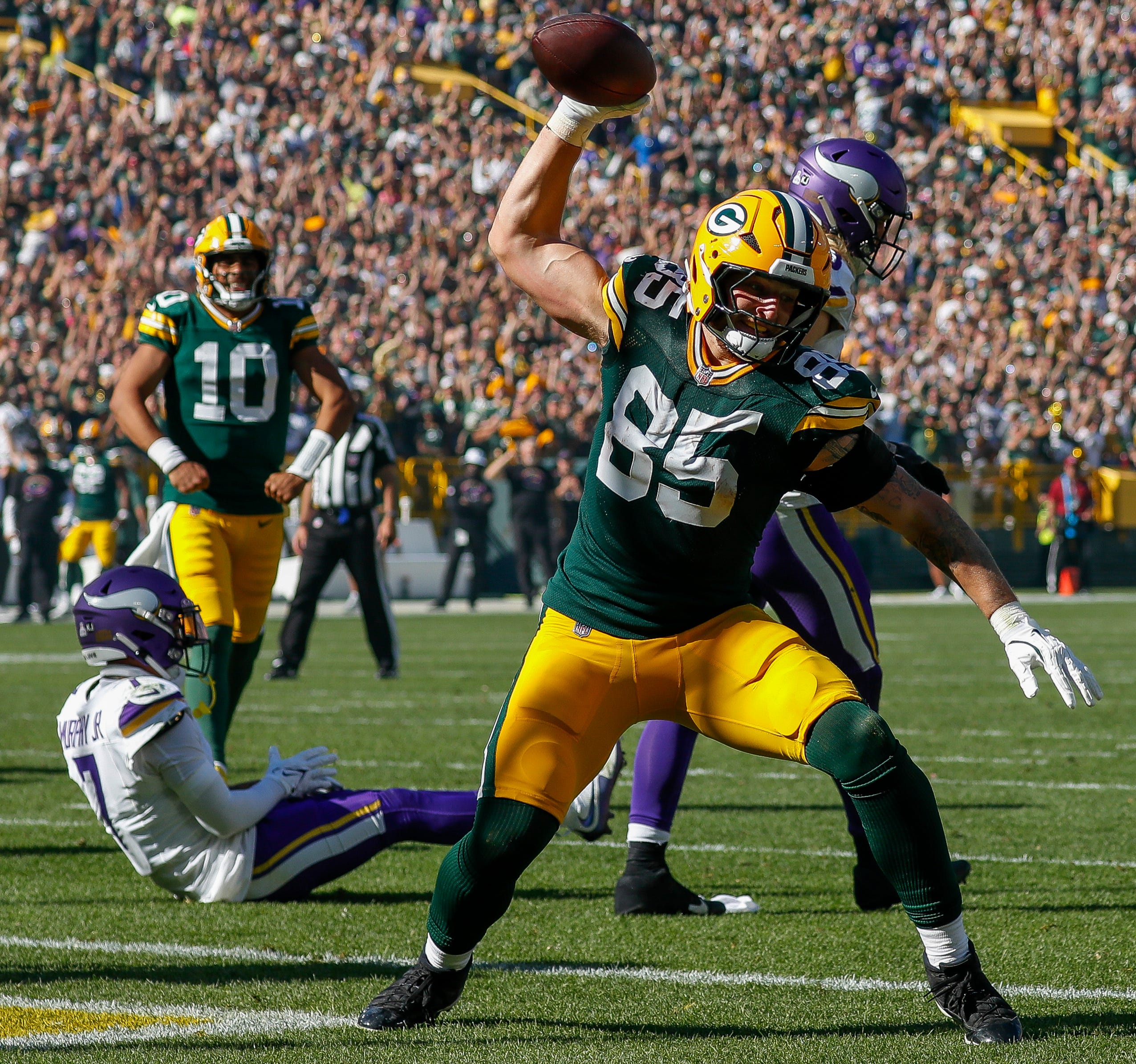
Green Bay Packers tight end Tucker Kraft (85) spikes the ball after catching a pass to score a 2-point conversion against the Minnesota Vikings on Sunday, September 29, 2024, at Lambeau Field in Green Bay, Wis. The Vikings won the game, 31-29.
Tork Mason/USA TODAY NETWORK-Wisconsin
Mayfield Sports Marketing has established itself as a key channel between brands and athletes. Founded by Mark M. Mayfield, the agency has worked with professional athletes since 2005 and focuses on structured, result-driven bookings.
The agency has worked with veteran stars like Brett Favre, Aaron Jones, and Davante Adams. Also present players such as Jordan Love and Romeo Doubs continue to drive demand. That balance between legends and active players gives businesses flexibility. Some want legacy appeal. Others want current relevance. In most cases, combining both delivers the strongest turnout.
The process now follows a clear structure. First, companies define the goal. It could be a keynote session, a meet-and-greet, or a community outreach event. Next comes athlete selection, which depends on audience fit and brand message. A leadership summit may need a Super Bowl winner, while a youth event may connect better with a current player.
Football leads the demand in Wisconsin. Packers-related appearances drive higher attendance, stronger local media pull, and better engagement than most other sports properties. Brewers players also add value, especially during baseball season or for family-focused events.
Agencies handle the backend completely. Contracts, scheduling, logistics, and coordination are managed through a single system. That reduces errors and saves time for organizations that lack prior experience in athlete bookings.
The results are clear. A structured player's appearance turns an unusual event into a high-impact platform. It builds brand trust, increases visibility, and creates moments that audiences remember long after the event ends.
In Wisconsin’s competitive event space, that advantage often decides the difference. If you are looking for a Wisconsin corporate keynote speaker in the NFL, Mayfield Marketing is an ideal choice. They connect famous players with brands looking to organise events
Companies that want to book players for speaking endorsements in Wisconsin can meet with them for corporate meetings and autograph sessions. For long-term partnerships, the team also gives sports sponsorship consulting in Wisconsin to maximise impact and audience engagement. You can also hire Green Bay Packers players for corporate events by visiting their website and booking Packers players
Booking an NFL player sounds easy. In reality, it needs planning, timing, and the right contacts. Companies across Wisconsin now treat athlete appearances as business tools, not just fan moments. That shift has pushed brands to rely on agencies that understand both sports and corporate goals.
One name keeps coming up in that space. Mayfield Sports Marketing built its reputation by connecting Wisconsin companies with current players, legends, and Olympians. The focus stays simple. Create meaningful events that deliver value beyond the photo opportunity.
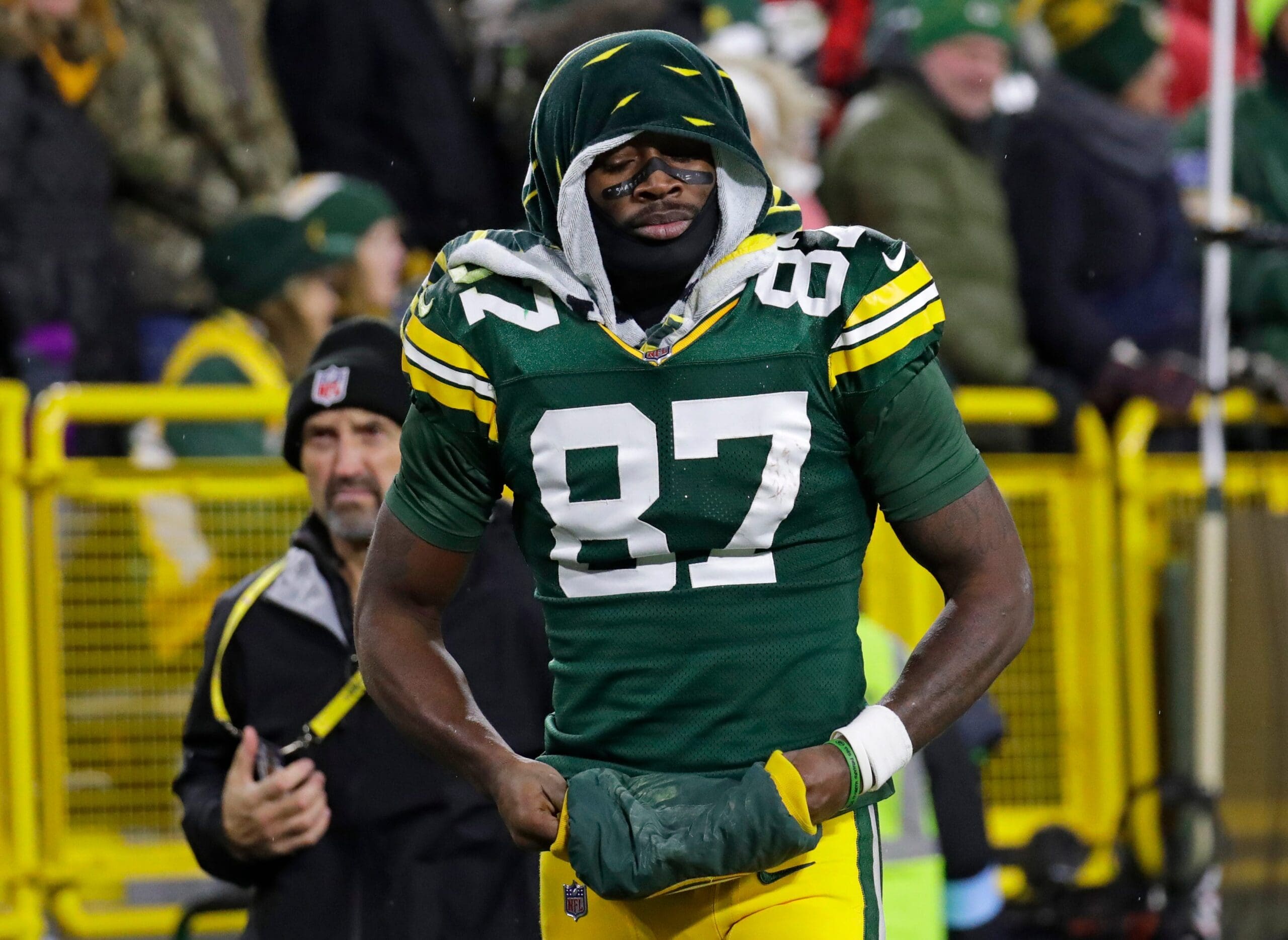
Green Bay Packers wide receiver Romeo Doubs (87) leaves the field after getting injured on a pass interference play commited by San Francisco 49ers cornerback Renardo Green (0) in the third quarter during their football game Sunday, November 24, 2024, at Lambeau Field in Green Bay, Wisconsin.
The story started in 2004. Founder Troy Mayfield met Green Bay Packers legend Gilbert “The Gravedigger” Brown during a resort stay in Wisconsin. After five days of breakfast meetings, Brown asked for business help. Mayfield built a website. Soon, appearance requests followed. That moment led to M3 Marketing LLC and, later, Mayfield Sports Marketing in 2012.
The agency grew through real relationships. Brown introduced Mayfield to teammates like LeRoy Butler, William Henderson, and Santana Dotson. Those early partnerships built credibility in Wisconsin’s sports market. Since 2012, the company has expanded into endorsements, meet-and-greets, golf outings, speaking engagements, and corporate hospitality bookings.
The strategy centers on purpose-driven appearances. Companies define goals first. Some want employee engagement. Others need brand visibility. The agency then matches the right athlete. Wisconsin audiences often connect with Green Bay Packers alumni because of local loyalty. That connection boosts turnout and engagement.
On June 8, 2013, Mayfield Sports Marketing explained this approach in a SEND2PRESS release about rising NFL appearances in Wisconsin. The agency stated athletes bring “experiences mixed with passion” that connect instantly with audiences during live events. The comment came while discussing corporate demand for player appearances across the Midwest.
Execution remains another strength. The agency handles scheduling, travel planning, and marketing coordination. That prevents common mistakes, such as last-minute promotions or mismatched speakers. Companies also receive support for VIP meet-and-greets, autograph sessions, and sponsorship activations.
Recent bookings across Wisconsin included corporate talks, nonprofit fundraisers, and brand launches. Businesses also booked high-profile names such as Brett Favre, Jerry Kramer, and Davante Adams for fan engagement events. These appearances created strong attendance and improved brand recall.
From initial inquiry to post-event follow-up, the agency focuses on consistency. That approach helped Mayfield Sports Marketing earn long-term partnerships with companies across Wisconsin and the Midwest. For brands searching for the best sports marketing agency Wisconsin offers, the formula remains clear. Strong relationships, local knowledge, and events that actually deliver results.
If you are looking for a Wisconsin corporate keynote speaker in the NFL, Mayfield Marketing is an ideal choice. They connect famous players with brands looking to organise events. Companies that want to book players for speaking endorsements in Wisconsin can meet with them for corporate meetings and autograph sessions. For long-term partnerships, the team also gives sports sponsorship consulting in Wisconsin to maximise impact and audience engagement. You can also hire Green Bay Packers players for corporate events by visiting their website and booking Packers players.
The Pats made a stunning move early in the 2026 offseason when they signed WR Romeo Doubs. The former Packers pass catcher agreed to a four-year deal that could reach $80 million, signalling that New England sees him as a key addition moving forward.
The big question now is simple. Where exactly does Doubs fit in the Patriots' offense? The answer lies in how New England runs its system and in how Doubs’ skill set aligns with what the coaching staff wants around quarterback Drake Maye.
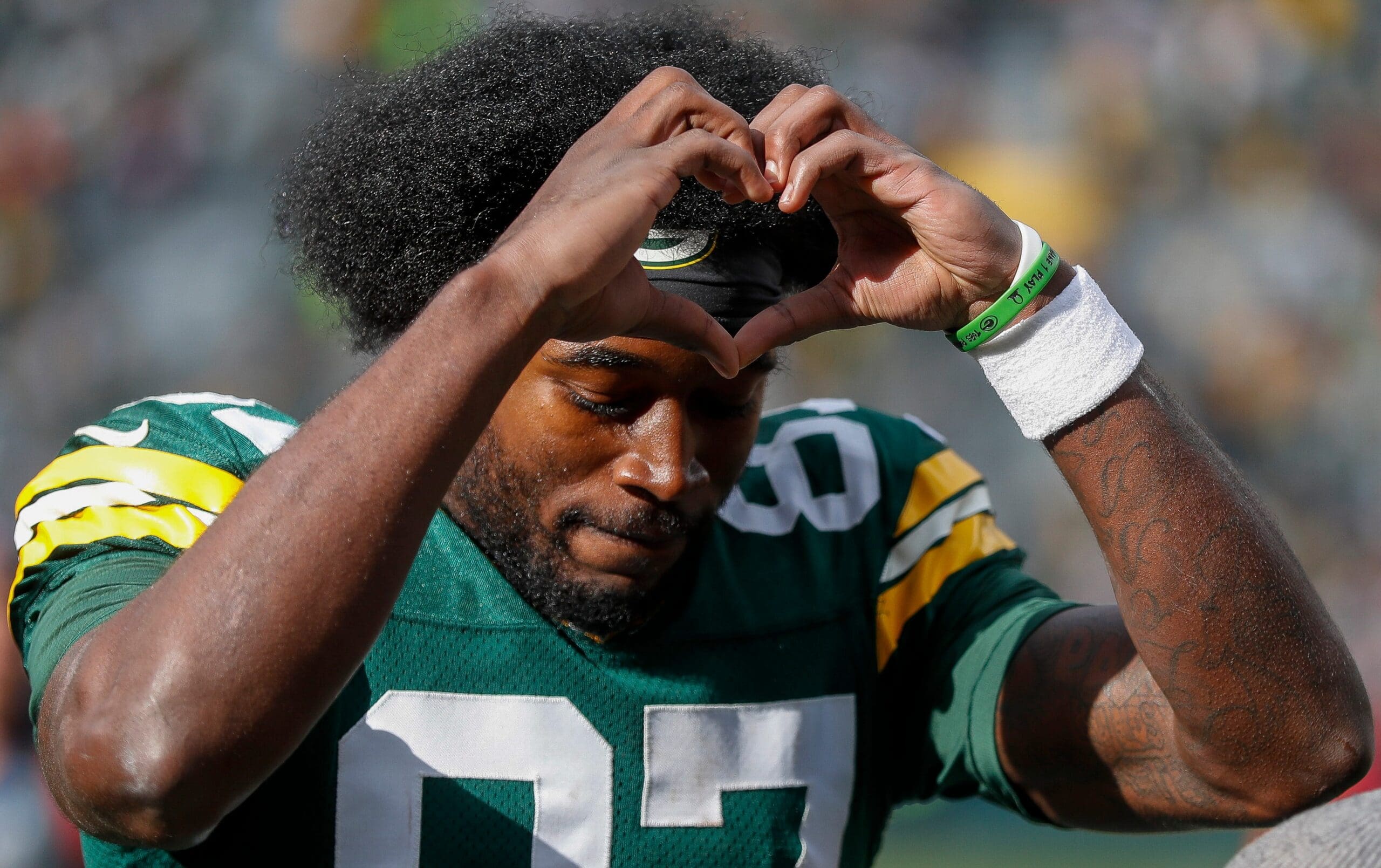
Green Bay Packers wide receiver Romeo Doubs (87) flashes a heart with his hands to the fans as he walks off the field after defeating the Arizona Cardinals on Sunday, October 13, 2024, at Lambeau Field in Green Bay, Wis. The Packers won the game, 34-13
Tork Mason/USA TODAY NETWORK-Wisconsin
Doubs enters 2026 coming off the most promising season of his career. In 2025 with the Packers, the 25-year-old had 55 receptions for 724 yards and six TDs. Across 4 seasons with the Packers, he totaled 2,424 receiving yards while working mostly as an outside receiver.
That experience matters for the Patriots. OC Josh McDaniels relies solely on WRs who can adjust routes and read coverages after the snap. Because of that, versatility becomes more crucial than star power.
Doubs checks several of those boxes. Due to his ability to utilize both leverage and spacing, the star is poised to thrive in a setup that is predicated on reading defenders post-snap and adjusting their routes to adapt to different defensive looks.
Doubs made it clear he understands the transition. During a media session at Gillette Stadium shortly after signing in March 2026, he spoke about joining the Patriots.
Per Yahoo, he said, “I’ll be really honest with you, I would love to stay true to just understanding where I am and coming into a new system under our offensive coordinator,” Doubs said during a Patriots media availability at Gillette Stadium in March 2026. “I wouldn’t really specify targets because I’ve come from a place where that didn’t really mean much.”
Doubs is recruited to fill the void left by Stefon Diggs. And that decision leaves room for new chemistry between Maye and Doubs. New England still has several receivers on the roster, yet Doubs brings a balanced skill set that fits multiple roles.
He may not carry the “WR1” label every week. Still, if he becomes the reliable route runner and chain mover this offense needs, Doubs could quickly turn into one of the most important targets in the Patriots' passing game.
If you are looking for a Wisconsin corporate keynote speaker in the NFL, Mayfield Marketing is an ideal choice. They connect famous players with brands looking to organise events.
Companies that want to book Romeo Doubs' endorsement in Wisconsin can meet the player for corporate meetings and autograph sessions. For long-term partnerships, the team also gives sports sponsorship consulting in Wisconsin to maximise impact and audience engagement. You can also hire Green Bay Packers players for corporate events by visiting their website and booking Packers players.
The Green Bay Packers didn’t think much after free agency opened. On March 12, 2026, they acquired Javon Hargrave just hours after his release from the Vikings. It looked surprising at first. A 33-year-old DT coming off a one-year stint does not scream long-term fix.
But dig a little deeper, and the move starts to make real sense. This is not just about adding depth. This is about fixing a clear weakness that hurt Green Bay at the worst possible times last season.
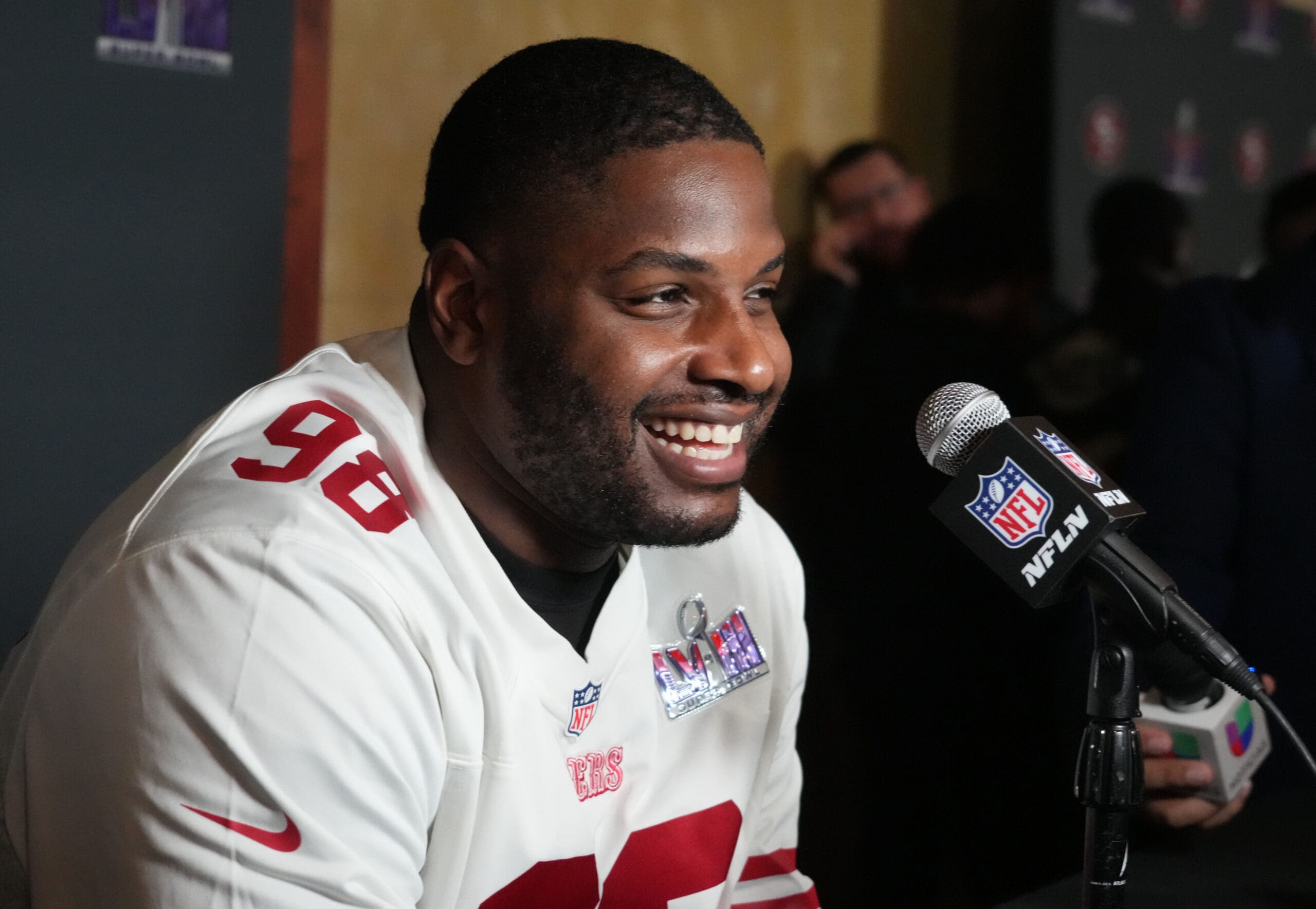
Feb 6, 2024; Las Vegas, NV, USA; San Francisco 49ers defensive tackle Javon Hargrave (98) during a press conference before Super Bowl LVIII at the Hilton Lake Las Vegas Resort. Mandatory Credit: Kirby Lee-USA TODAY Sports
Start with the obvious problem. The Packers’ pass rush disappeared whenever pressure did not come from the edges. Even Rashan Gary cooled off late in the year, and injuries to key players exposed how thin the unit really was inside.
This season with Minnesota, he still posted 52 tackles, 3.5 sacks, and 10 pressures in 16 games. Those stats show he can still win inside. Above all, he ranked with a solid pass-rush grade among interior linemen, which tells the real story. He still creates disruption even when he does not finish the play.
Adam Patrick of The Viking Age explained the situation clearly on March 12, 2026. He said the Vikings moved on mainly to clear cap space, not because of poor performance. That detail matters. Green Bay is not getting a washed player. They are getting a proven veteran who still produces. There is also a scheme angle that can't be denied. Hargrave thrived earlier in his career under Jonathan Gannon in Philly. In 2021 and 2022, he combined for 18.5 sacks and over 30 QB hits in that system. The familiarity should help him settle in quickly.
Now picture him lining up next to Devonte Wyatt. That pairing gives Green Bay something it lacked all season. Interior pressure that forces quarterbacks to move, not step up comfortably.
Still, age could be a constraint. At 33, Hargrave doesn't have the same rhythm he once had. But the Packers are not asking him to carry the defence. They need him to win key downs and bring experience to one of the youngest rosters in the NFL
That is why this move fits. The contract, for 2 years at $23 million, shows intent without long-term risk. It plugs a major hole right now. And if Hargrave delivers even close to his Philadelphia form in key moments, this signing could be the difference between another late-season collapse and a real playoff push.
Companies that want to book Javon Hargrave's endorsement in Wisconsin can meet the player for corporate meetings and autograph sessions. For long-term partnerships, the team also gives sports sponsorship consulting in Wisconsin to maximise impact and audience engagement. You can also hire Green Bay Packers players for corporate events by visiting their website and booking Packers players.
Booking a big NFL name sounds tough, but it gets easier when you know the process. Greg Jennings remains a strong option for corporate events because he blends on-field success with media-ready communication. That matters for brands that want both credibility and connection.
At the same time, you are not just booking a name. You are bringing in a Super Bowl winner with a story. That story, built over years in Green Bay, is what makes his appearances work in real rooms.
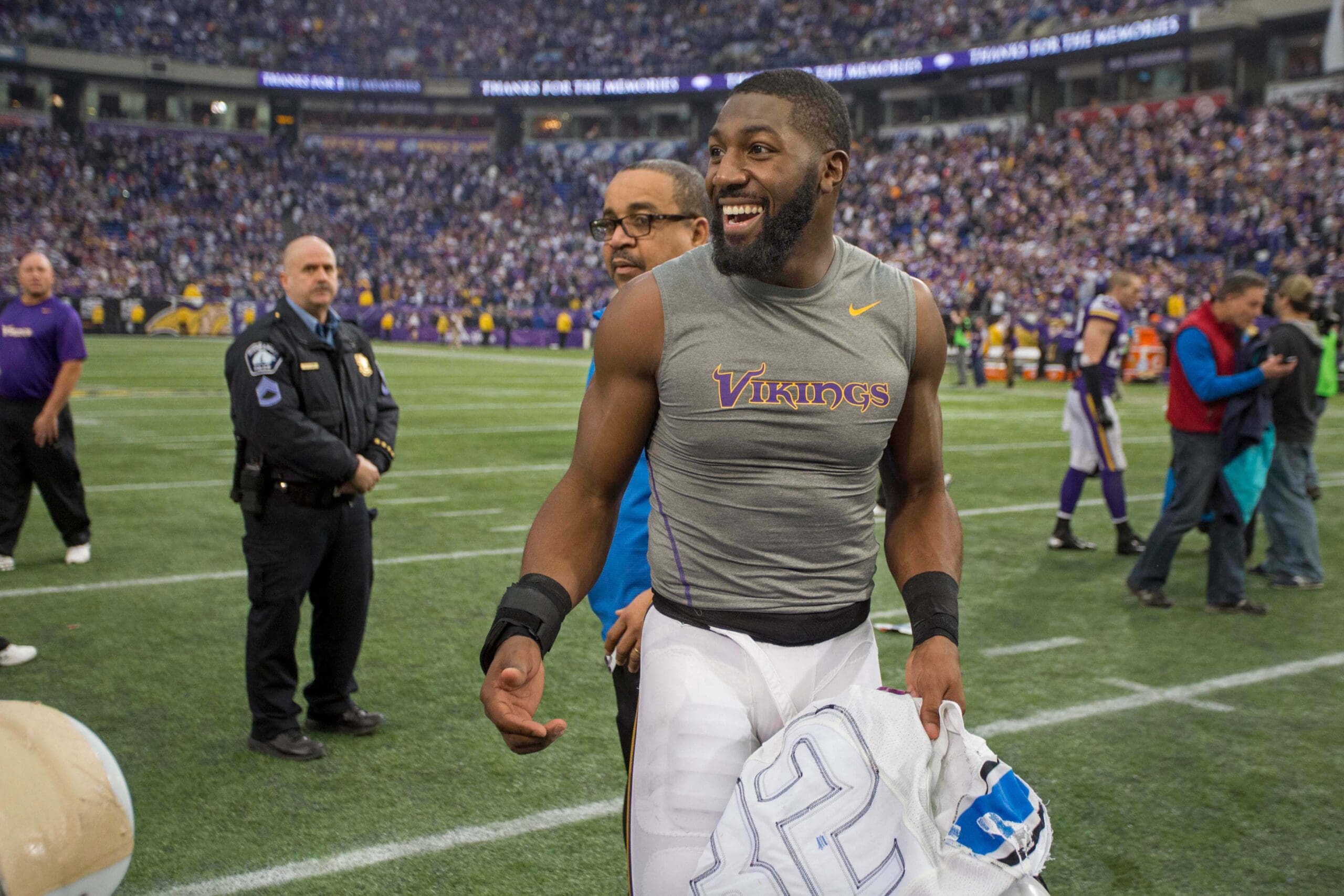
Dec 29, 2013; Minneapolis, MN, USA; Minnesota Vikings wide receiver Greg Jennings (15) smiles as he exchanges jerseys with a player from the Detroit Lions after the game at Mall of America Field at H.H.H. Metrodome. The Vikings win 14-13. Mandatory Credit: Bruce Kluckhohn-USA TODAY Sports
Start with the right channel. Agencies like Mayfield Sports Marketing handle athlete bookings end-to-end. They connect you with Jennings’ team, negotiate fees, and finalize contracts. As shared in their 2026 outreach, they work directly with athletes and agents to secure the best possible deal and avoid delays.
Now, understand why Jennings fits corporate settings. He built his reputation with the Green Bay Packers from 2006 to 2012 after being drafted in the second round. He became the go-to receiver for years. Across 96 games, he posted 425 catches, 6,537 yards, and 53 touchdowns. He earned Pro Bowl selections in 2010 and 2011 and later entered the Packers Hall of Fame in 2022.
His main impact came at Super Bowl XLV. Jennings caught two TDs and later delivered a crucial 31-yard reception late in the fourth quarter. That play helped seal the win.
Jennings also stood out for his route running and versatility. He played both outside and in the slot. Coaches trusted him in big games against top teams like Pittsburgh and New England. That ability to adapt now translates well into leadership talks and team-building sessions.
When booking, decide your format early. A keynote price more than a short appearance. Add-ons like meet-and-greet or brand endorsements raise the fee. Travel and schedule also affect pricing, so lock dates early, especially during the NFL season.
In simple terms, you are not just booking a former player. You are booking a proven performer with real stories, clean delivery, and strong recall value. That is why Greg Jennings remains a smart corporate events pick.
Companies that want to book Greg Jennings' endorsement in Wisconsin can meet the player for corporate meetings and autograph sessions. For long-term partnerships, the team also gives sports sponsorship consulting in Wisconsin to maximise impact and audience engagement. You can also hire Green Bay Packers players for corporate events by visiting their website and booking Packers players.