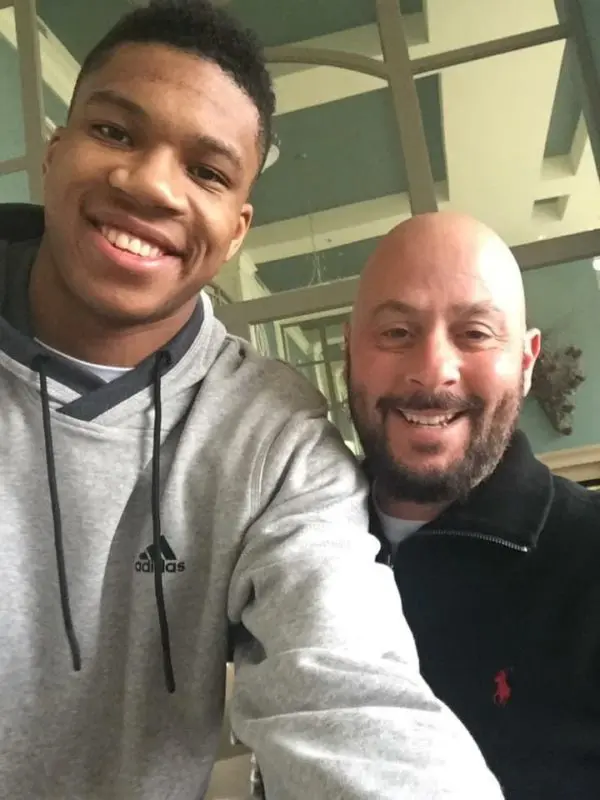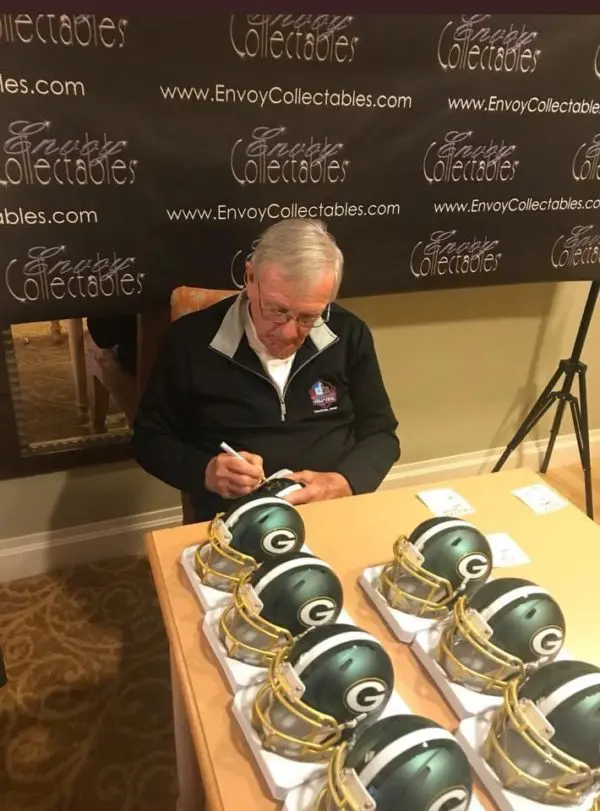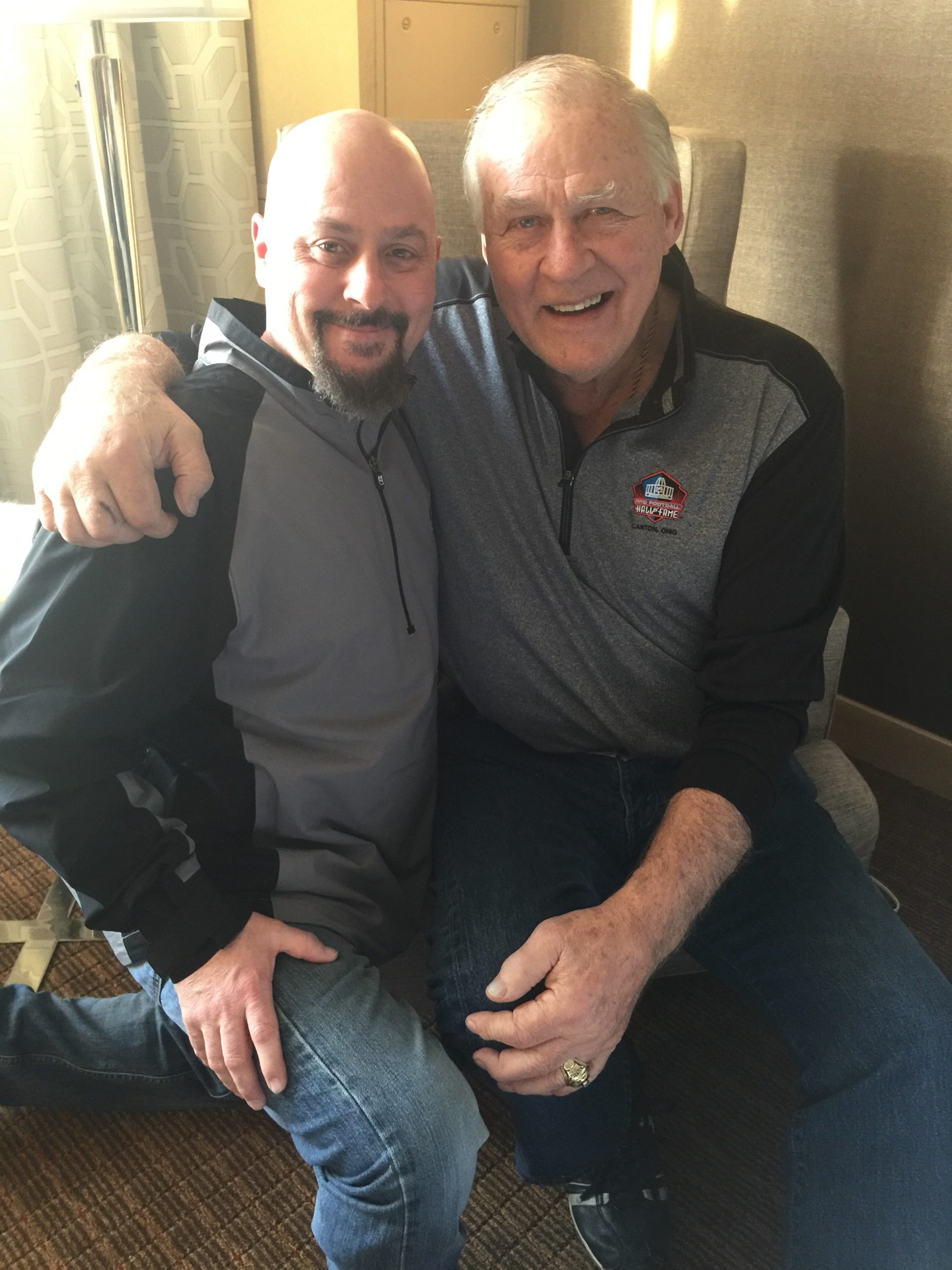
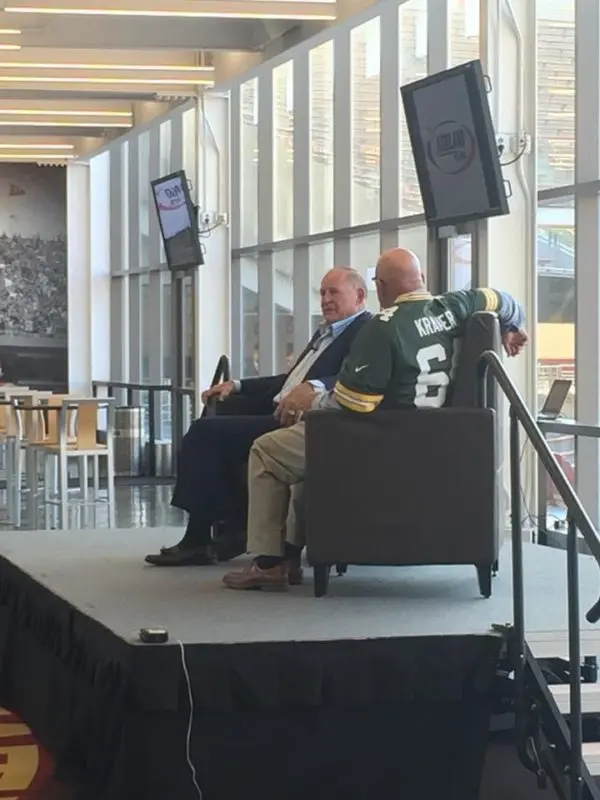
Companies today want to connect with their communities in meaningful ways. Athlete appearances offer a unique path to achieving this goal. When organizations bring athletes into their corporate social responsibility programs, they create events that draw attention and inspire action. These efforts build lasting relationships with local communities.
Athletes bring instant credibility and public interest to community engagement events, making them powerful tools for companies committed to social responsibility. Their presence can transform a standard corporate initiative into something people actually want to attend and talk about.
The right athlete appearance can boost event attendance, media coverage, and overall community impact. The key is knowing how to plan these events effectively and integrate them into broader CSR strategies.
From selecting the right athletes to measuring real outcomes, there are specific steps that help maximize the value of these partnerships. We'll walk through the practical elements of using athlete appearances to strengthen your community engagement efforts.
The Power of Athlete Appearances in Community Engagement
Athletes bring unique influence to community events through their public profiles and personal stories. When sports figures participate in local initiatives, they create meaningful connections that drive engagement and support social causes.
Leveraging Role Models to Inspire Positive Change
Athletes serve as powerful role models because young people look up to them and follow their actions. When we bring sports figures into schools, youth centers, or community programs, their presence motivates participants to set goals and work hard.
Studies show that children who meet professional athletes are more likely to participate in sports and physical activities. These interactions help youth develop important life skills like teamwork, discipline, and perseverance.
Athletes can share their own struggles and setbacks, which makes success feel achievable. The impact goes beyond sports. When athletes talk about education, healthy choices, or staying away from negative influences, young people listen. Their credibility comes from real experience, not just authority.
Athletes as Catalysts for Social Causes
Sports figures can draw attention to important issues that might otherwise go unnoticed. Their large social media followings and media access help spread awareness quickly.
When an athlete supports a cause, it reaches thousands or millions of people instantly. Athletes often choose causes connected to their own backgrounds.
Some focus on youth literacy programs in neighborhoods where they grew up. Others support health initiatives, food security projects, or education funding. This personal connection makes their advocacy genuine and relatable. Fundraising events featuring sports figures raise significantly more money than similar events without them.
Volunteer sign-ups increase when athletes participate in service projects. Their involvement legitimizes organizations and attracts both donors and participants who want to be part of something meaningful.
Building Bridges Between Communities and Sports Figures
Athlete appearances break down barriers between professional sports and local neighborhoods. These events make sports figures accessible to people who might never attend a professional game.
Face-to-face interactions create lasting memories and strengthen community bonds. Community engagement works both ways. Athletes gain perspective on real challenges people face daily. They learn about local needs and can become long-term advocates for specific neighborhoods or groups.
Many athletes maintain relationships with communities long after their initial appearances. We organize various formats for these interactions:
- Meet-and-greet sessions at community centers
- Skills clinics where athletes teach techniques
- Panel discussions about life challenges and success
- Service projects where athletes volunteer alongside residents
These activities transform how communities view both themselves and professional sports. Residents feel valued when prominent figures invest time in their neighborhoods.
Integrating Athlete Appearances into Corporate Social Responsibility
Companies can strengthen their CSR programs by strategically incorporating athlete appearances that align with business values, build stakeholder trust, and deliver meaningful community support.
Aligning Athlete Events with CSR Goals
We need to match athlete appearances with our company's specific CSR objectives. If we focus on youth education, we should partner with athletes who advocate for literacy or STEM programs.
If health and wellness drives our CSR strategy, we choose athletes known for fitness initiatives. The alignment process starts with identifying our core CSR priorities.
We then research athletes whose personal causes and public image match those priorities. This creates authentic connections rather than superficial sponsorships.
Key alignment factors include:
- Mission compatibility: The athlete's values reflect our corporate values
- Target audience overlap: The athlete reaches our key stakeholder groups
- Geographic relevance: The athlete has ties to communities we serve
- Measurable outcomes: We can track the impact of their involvement
We must document how each athlete partnership advances specific CSR metrics. This might include volunteer hours generated, funds raised for charity, or people reached through community programs.
Enhancing Brand Reputation Through Authentic Partnerships
Authentic athlete partnerships improve how stakeholders view our brand. When we work with athletes who genuinely care about our causes, people notice the difference. This builds trust with customers, employees, and community members. We avoid partnerships that feel forced or purely transactional.
Instead, we create long-term relationships where athletes actively participate in our CSR initiatives. They might visit our community centers, speak at our events, or help design our programs.
Athletes who share personal stories about why a cause matters to them create emotional connections. We give them freedom to engage naturally rather than following rigid scripts.
This genuine involvement strengthens our brand reputation more than any advertising campaign. We track reputation metrics before and after athlete partnerships. This includes social media sentiment, media coverage tone, and stakeholder surveys.
Stakeholder Collaboration and Community Support
We bring together multiple stakeholders when planning athlete appearances. This includes local nonprofits, schools, community leaders, and our own employees.
Each group contributes ideas about how the athlete can make the biggest impact. Community support grows when we involve residents in the planning process.
We ask community members what they need rather than assuming we know. The athlete appearance then addresses real problems like youth mentorship gaps or health education needs.
Our employees become more engaged when they participate alongside athletes in CSR activities. We create volunteer opportunities where staff and athletes work side by side.
This builds internal pride and external goodwill simultaneously. We maintain ongoing communication with all stakeholders throughout the partnership.
Regular updates about the athlete's involvement keep everyone informed and invested in our CSR outcomes.
Planning and Executing Community Engagement Events
Successful community engagement events require careful planning across four key areas. These are selecting causes that resonate with both athletes and communities, organizing logistics that maximize participation, tracking meaningful outcomes, and minimizing environmental impact.
Identifying Meaningful Social Causes
We need to select social causes that align with our organization's values and the athlete's personal interests. Athletes perform better at events when they feel genuine connections to the causes they support.
Research shows communities respond more positively when causes address their specific needs. We should conduct surveys and meet with local leaders to understand pressing issues like youth education, health care access, or food insecurity.
The athlete's background often guides cause selection. A former athlete who grew up in poverty might connect strongly with programs fighting hunger.
Another who benefited from youth sports might champion after-school athletics programs. We must verify that partner organizations have good reputations and track records.
This protects both the athlete's image and ensures our efforts create real change. We can check charity ratings, review financial statements, and visit programs in action before committing.
Strategic Event Organization and Logistics
We start by setting clear goals for attendance numbers, funds raised, or volunteer hours generated. These targets shape every decision about venue size, timing, and activities. The venue must be accessible to our target audience. Schools work well for youth-focused events.
Community centers serve diverse populations. We need adequate parking, public transit access, and facilities that accommodate people with disabilities. Timing matters significantly. Weekend mornings often work best for family events.
Weekday evenings suit working adults. We avoid conflicts with major holidays or local events that might reduce attendance. We create detailed timelines that account for setup, the main program, athlete interactions, and breakdown. Athletes typically spend 2-3 hours at events.
We schedule specific blocks for photos, autographs, and speaking opportunities. Staff and volunteer coordination requires clear role assignments. We designate people for registration, crowd management, media relations, and athlete escorts. Everyone receives written instructions and contact numbers for event leadership.
Measuring Impact and Ensuring Lasting Legacy
We track both immediate and long-term outcomes to prove event value. Immediate metrics include attendance figures, media impressions, social media engagement, and funds raised.
Survey tools help us gather participant feedback within 48 hours of events. We ask attendees what they learned, whether they plan to volunteer, and if the event changed their views on the cause.
A lasting legacy requires follow-up programs beyond single events. We might establish scholarship funds, create ongoing mentorship programs, or fund facility improvements that serve communities for years.
We document events through photos, videos, and written stories that highlight specific individuals helped. These materials support future fundraising and demonstrate our commitment to social causes.
Regular progress reports show how initial events led to sustained change. We measure outcomes like graduation rates for education programs or health improvements for wellness initiatives at 6-month and 12-month intervals.
Ensuring Environmental Sustainability
We reduce waste by eliminating single-use plastics and providing reusable water bottles or water stations. Digital tickets and programs replace printed materials.
Food service at events should feature local vendors and plant-based options that have lower carbon footprints. We donate leftover food to local shelters rather than discarding it.
Transportation planning encourages carpooling, public transit use, and bike parking. We can offer shuttle services from central locations to reduce individual car trips.
We partner with venues that have green certifications or strong environmental sustainability practices. These facilities often have recycling programs, energy-efficient systems, and water conservation measures already in place.
Carbon offset programs allow us to compensate for unavoidable emissions from travel and event operations. We calculate our event's carbon footprint and invest in verified offset projects that support environmental sustainability.
Maximizing Impact: Athlete-Led Initiatives and Activism
Athletes can drive meaningful change when they lead initiatives that address critical social issues. Their platforms allow them to tackle social justice concerns, promote mental health awareness, and create educational opportunities for underserved communities.
Addressing Social Justice Through Athlete Advocacy
Athletes have unique power to bring attention to social justice issues that affect their communities. When they speak out about inequality, discrimination, or systemic problems, millions of people listen.
We see athletes using their voices to support criminal justice reform, voting rights, and racial equality. LeBron James founded More Than a Vote to combat voter suppression.
Colin Kaepernick's kneeling protest sparked national conversations about police brutality. These efforts create positive change beyond sports.
Athletes can partner with organizations to fund legal aid programs, support community policing reforms, or advocate for policy changes. Their involvement brings media attention and resources to causes that might otherwise go unnoticed.
Companies benefit when they support athlete-led social justice initiatives. Customers respond positively to brands that align with authentic advocacy efforts.
Promoting Mental Well-Being and Health Initiatives
Mental well-being has become a priority for athletes who understand the pressures of competition and public life. Their openness about mental health challenges helps reduce stigma and encourages others to seek help.
Simone Biles withdrew from Olympic events to prioritize her mental health, which sparked global conversations. Kevin Love and DeMar DeRozan have shared their struggles with anxiety and depression.
These moments create space for honest dialogue about mental well-being. We can support athlete-led mental health programs through partnerships with counseling services, crisis hotlines, or wellness apps.
Athletes can host workshops at schools or community centers where they discuss stress management and emotional resilience. Their personal stories make these topics more accessible to young people who might resist traditional mental health education.
Supporting Scholarships and Educational Opportunities
Athletes often come from communities where educational resources are limited. Many create scholarships and mentorship programs to help students access college or vocational training.
Michael Jordan's scholarship fund has helped hundreds of students attend college. Serena Williams supports schools in Africa and the United States.
These programs provide both financial support and mentorship that guides students through academic challenges. We can partner with athletes to expand scholarship programs by matching donations, providing administrative support, or connecting recipients with internship opportunities.
Athletes bring credibility and inspiration to educational initiatives because students see them as role models who overcame similar obstacles. Educational programs work best when they include tutoring, college preparation workshops, and career guidance alongside financial aid.
Challenges and Opportunities in Athlete-Focused CSR Events
Athlete appearances in CSR events require careful planning around media narratives, resource management, and building relationships that extend beyond single events.
Navigating Media and Public Perception
Media coverage can make or break our CSR efforts. When athletes participate in community events, their actions get watched closely by fans, critics, and stakeholders.
A single misstep or perceived insincerity can damage both the athlete's reputation and our organization's credibility. We need to prepare athletes for their roles as community ambassadors.
This means clear briefings about the event's purpose and the people they'll meet. Authentic interactions matter more than staged photo opportunities.
Key media considerations include:
- Training athletes on messaging and appropriate behavior
- Managing social media before, during, and after events
- Addressing negative coverage quickly and honestly
- Documenting genuine community impact rather than promotional content
The opportunity here lies in showcasing real connections. When we allow athletes to engage naturally with community members, the authentic moments often generate the most positive coverage and lasting community support.
Overcoming Resource and Logistical Hurdles
Coordinating athlete appearances requires significant time and money. We must work around training schedules, game days, and travel commitments.
Security needs, transportation, and venue requirements add complexity and cost. Budget constraints often limit what we can accomplish. Smaller organizations struggle to afford athlete appearance fees or cover associated expenses. We also face competition for athletes' limited free time.
Common resource challenges:
| Challenge | Solution Approach |
|---|---|
| Scheduling conflicts | Plan 6-12 months ahead |
| High appearance fees | Negotiate reduced rates for charity work |
| Security requirements | Partner with local authorities |
| Transportation costs | Seek sponsor support |
We can share costs with other organizations or find sponsors willing to fund specific aspects. Some athletes waive fees entirely for causes they care about.
Fostering Long-Term Community Relationships
Single events rarely create a lasting legacy. We need sustained engagement to build trust with community members and stakeholders.
One-time appearances can feel transactional rather than transformative. Building ongoing programs takes commitment. Athletes must return regularly. We must track progress on community goals.
This requires coordination with local leaders, schools, and nonprofit organizations. We create the biggest impact through repeated interactions.
When athletes become familiar faces in neighborhoods, they build genuine relationships. Community members see consistent support.
Strategies for sustained engagement:
- Schedule quarterly visits instead of annual appearances
- Create mentorship programs that span months or years
- Involve athletes in program design and feedback
- Connect athlete efforts to measurable community outcomes