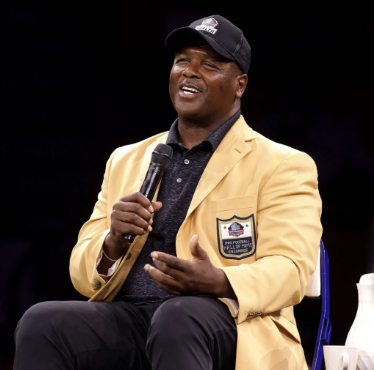

Most athletes don't write their own books from start to finish. The majority of sports biographies and memoirs are created through partnerships with professional ghostwriters, collaborating writers, or experienced journalists who help transform an athlete's story into compelling prose. This collaborative process has become the standard in sports publishing, allowing athletes to focus on sharing their experiences while skilled writers craft the narrative.

We often wonder what goes on behind those powerful memoirs that reveal personal struggles, championship victories, and life-changing moments. The truth is more complex than simply sitting down with a pen and paper. Sports biographies involve extensive interviews, research, and careful storytelling to capture not just the athletic achievements, but the human experiences that shaped these remarkable careers.
Understanding how these books come to life reveals the fascinating world where sports meet literature. From the initial idea to the final published work, athlete memoirs go through a detailed creative process that brings together the athlete's authentic voice with professional writing expertise to create stories that inspire readers far beyond the sports world.
Do Athletes Write Their Own Books? Key Realities And Misconceptions
Most athletes do not write their books entirely on their own, with professional writers handling the majority of the actual writing process. The publishing industry relies heavily on ghostwriters and collaborative teams to transform an athlete's experiences into polished, marketable books.
The Athlete Author Phenomenon
Athletes are stepping into publishing more than ever before. They want to share their stories beyond what fans see on the field.
Why Athletes Write Books:
- Control their own narrative
- Share life lessons and experiences
- Create income after sports careers
- Connect with fans on a deeper level
Most athlete memoirs and sports biographies come from retired players. Active athletes rarely have time to focus on book projects during their playing careers.
The stories often go beyond sports. Athletes write about family struggles, mental health, and personal growth. These topics appeal to readers who may not follow sports closely. Publishers actively seek out famous athletes. A well-known name sells books, even if the athlete has limited writing experience.
Ghostwriting In Sports Biographies
Ghostwriting is extremely common in sports books. A ghostwriter does most or all of the actual writing while the athlete gets credit as the author.
How Ghostwriting Works:
- Athlete shares stories through interviews
- Ghostwriter organizes and writes the content
- Athlete reviews and approves the final text
- Only the athlete's name appears on the cover
Professional ghostwriters often have sports journalism backgrounds. They understand how to capture an athlete's voice and personality on paper. The athlete usually pays the ghostwriter a flat fee. Sometimes ghostwriters receive a percentage of book sales instead. Most readers do not know when ghostwriters are involved. Publishers rarely advertise this information because it might hurt book sales.
Collaborative Writing Processes In Athlete Memoirs
Many athlete memoirs use a middle approach between solo writing and ghostwriting. The athlete works closely with a professional writer throughout the process.
Common Collaboration Methods:
- Athlete provides detailed interviews and notes
- Professional writer creates chapter drafts
- Both review and edit content together
- Final approval comes from the athlete
Sports journalists often serve as collaborators. They already know the sport and can ask good questions during interviews. The collaboration usually takes several months. Athletes must commit significant time to make the process work well.
Some athletes do write their own books completely. However, they typically work with editors who help improve the writing quality and structure. Publishers prefer collaborative approaches. They get the athlete's authentic voice while ensuring the book meets professional writing standards.
Behind The Scenes: How Iconic Sports Biographies Are Created
Sports biographies require teams of skilled writers, researchers, and publishers working together to transform athletic achievements into compelling stories. The process involves careful selection of subjects, extensive investigation, and rigorous fact-checking to create authentic narratives that resonate with readers.
Role Of Journalists And Sportswriters
Professional journalists and sportswriters form the backbone of most sports biographies. We see established sports reporters like Christopher Clarey bringing decades of experience covering athletics to book projects. These writers possess crucial skills that athletes often lack. They know how to structure narratives, conduct interviews, and translate complex experiences into readable prose.
Key advantages journalists bring:
- Experience writing about sports for diverse audiences
- Established relationships with athletes and coaches
- Understanding of publishing industry standards
- Ability to maintain objectivity while telling personal stories
Many successful sports biographies emerge from partnerships between athletes and experienced writers. The athlete provides the story and insider access. The journalist handles the actual writing and organization. Publishers often prefer working with proven writers who can deliver manuscripts on deadline. This approach reduces risk and ensures professional quality output.
Selecting Stories Worth Telling
Not every athlete's story becomes a book. Publishers and writers look for specific elements that make stories compelling to readers. We focus on athletes who have overcome significant challenges or achieved historic milestones. Stories of adversity, breakthrough moments, and cultural impact resonate most with audiences.
Publishers prioritize stories featuring:
- Major championships or record-breaking achievements
- Social justice advocacy or cultural change
- Overcoming personal struggles or setbacks
- Behind-the-scenes drama from famous teams or events
Market timing plays a crucial role. Books often coincide with retirements, anniversaries of major victories, or current social movements. The athlete's willingness to share honest, personal details determines story depth. Surface-level accounts rarely succeed in today's competitive market.
Research, Interviews, And Fact-Checking
Creating accurate sports biographies requires extensive research beyond the athlete's own memories. We gather information from multiple sources to build complete narratives. Writers conduct dozens of interviews with teammates, coaches, family members, and opponents. These perspectives provide context and verify key events from the athlete's career.
Research methods include:
- Game footage and statistical records
- Newspaper archives and magazine articles
- Team records and official documents
- Social media posts and personal photographs
Fact-checking becomes critical given the stakes involved. Incorrect information can damage reputations and result in legal challenges.
Publishers employ professional fact-checkers who verify dates, statistics, and quotes. This process often takes months and requires collaboration with sports leagues and organizations. Memory gaps and conflicting accounts create challenges. Writers must navigate sensitive topics while maintaining accuracy and respect for all parties involved.
Personal Struggles And Triumphs In Athlete Memoirs
Athlete memoirs reveal the human side behind championship wins and record-breaking performances. These books show how perseverance and personal struggles shape the stories we don't see on television.
Sharing Vulnerability And Overcoming Challenges
Athletes face battles beyond their sport that fans rarely witness. Mental health challenges, family problems, and personal trauma appear throughout these memoirs. Maya Moore's book shows her shift from WNBA star to justice advocate. She left basketball at her peak to fight wrongful convictions. This decision required courage many people cannot imagine.
Common vulnerable topics include:
- Depression and anxiety
- Family financial hardship
- Addiction struggles
- Career-ending injuries
- Identity crises after retirement
Simone Biles openly discusses her experiences with mental health in her memoir. She explains how therapy and support systems helped her through dark periods. These stories connect with readers because they show athletes as real people. We learn that success doesn't shield anyone from life's hardships.
Themes Of Perseverance And Hard Work
Hard work appears as the foundation of every athlete's story. Memoirs detail years of training before any public recognition arrives. Michael Phelps describes waking up at 5 AM for pool sessions throughout his childhood. His memoir shows how small daily choices built into Olympic success. Most athletes write about setbacks that tested their commitment. Injuries, losses, and rejection happen to everyone who reaches elite levels.
Key perseverance patterns:
- Daily training routines that last for years
- Comeback stories from major injuries
- Financial sacrifices made by families
- Mental toughness developed through failure
These books teach us that talent alone never creates champions. The unsexy work happens when no cameras are rolling. Athletes often credit their perseverance to specific mentors or life events. These details make their journeys feel achievable rather than magical.
Navigating Fame And Public Scrutiny
Public attention creates unique challenges that athlete memoirs explore honestly. Social media criticism and constant judgment affect performance and personal life. Athletes describe the pressure of being role models. Every mistake becomes headline news. Privacy disappears once fame arrives. Many memoirs discuss the gap between public image and private reality. Fans see highlight reels but miss the doubt and fear behind confident appearances.
Fame-related struggles include:
- Loss of normal friendships
- Difficulty trusting new relationships
- Pressure to maintain perfect image
- Media misrepresentation
- Isolation despite being constantly surrounded
Some athletes write about using fame for positive change. They transform public platforms into tools for social justice or mental health awareness. The transition away from competitive sports creates another challenge. Many memoirs address the identity crisis that happens when the spotlight fades.
Notable Sports Biographies And Their Impact
Sports biographies reveal the personal struggles and mindsets behind legendary careers, offering readers intimate access to how champions think and overcome obstacles. Three standout works demonstrate the power of authentic storytelling in sports literature.
The Mamba Mentality by Kobe Bryant
Kobe Bryant's final book broke new ground by focusing entirely on his approach to excellence rather than traditional autobiography. Published in 2018, it became a manual for understanding how elite athletes think.
The book explores Bryant's famous "Mamba Mentality" philosophy. He breaks down specific game situations and explains his thought process during key moments. This gave readers direct access to his competitive mindset.
Key Impact Areas:
- Basketball training methods - Coaches worldwide adopted his detailed practice techniques
- Mental toughness concepts - Applied beyond sports to business and personal development
- Youth inspiration - Became required reading for many high school basketball programs
Bryant wrote most of the content himself with minimal ghostwriting help. His authentic voice comes through clearly. The book sold over 300,000 copies in its first year.
After his tragic death in 2020, the book gained even more significance. It serves as his final lesson to athletes and fans about dedication and continuous improvement.
Open by Andre Agassi
Andre Agassi shocked the sports world with his brutally honest 2009 autobiography. He revealed he hated tennis for much of his career, despite winning eight Grand Slam titles. The book exposed the dark side of professional tennis. Agassi admitted to using crystal meth and lying to tennis officials about failed drug tests. He also detailed his troubled relationships with his father and early coaches.
Major Revelations:
- Drug use during his career low points
- Forced participation in tennis as a child
- Financial struggles despite earning millions
- Marriage difficulties with other celebrities
Agassi worked with Pulitzer Prize winner J.R. Moehringer as his ghostwriter. However, the raw emotions and personal details clearly came from Agassi himself. The book spent weeks on bestseller lists and won critical acclaim. It changed how people view the pressures facing professional athletes. Many current players cite it as influencing their approach to mental health.
All In by Billie Jean King
Billie Jean King's 2021 autobiography arrived during renewed focus on gender equality in sports. Her book connected past struggles to current fights for equal treatment of female athletes. King details her famous 1973 "Battle of the Sexes" match against Bobby Riggs. She also reveals her secret relationship with her secretary while married to Larry King. This honesty about her sexuality was groundbreaking for sports literature.
Cultural Impact:
- Equal pay advocacy - Influenced current WNBA and soccer pay disputes
- LGBTQ+ representation - Provided visibility for gay athletes
- Title IX education - Explained the law's importance to younger readers
The book combines King's personal story with broader social justice themes. She worked with journalist Johnette Howard to craft the narrative while maintaining her distinctive voice.
Sales exceeded expectations, particularly among younger female readers. The book became a teaching tool in college courses about sports history and women's rights.
Diverse Voices And Representation In Sports Literature
Sports literature has expanded beyond traditional male-dominated narratives to include powerful stories from women athletes, LGBTQ+ voices, and minority perspectives. These authentic accounts challenge stereotypes and create meaningful social change through personal storytelling.
Women Athletes Telling Their Stories
Female athletes increasingly write their own stories to control their narratives. These books often address unique challenges women face in sports.
- Abby Wambach's memoir explores leadership and fighting for equality in soccer. Her honest writing style connects with readers who want real stories about women's sports.
- Megan Rapinoe uses her platform to discuss both athletic achievements and social justice issues. Her book shows how female athletes can influence conversations beyond sports.
- Lauren Fleshman wrote "Good for a Girl" to challenge how we view women athletes. She discusses eating disorders, body image, and the pressure female athletes face.
Key themes in women's sports memoirs:
- Pay equality fights
- Balancing motherhood and athletics
- Media representation challenges
- Breaking gender barriers
These books help young girls see themselves in sports. They also educate readers about the different experiences women have compared to male athletes.
Exploring LGBTQ+ And Minority Perspectives
LGBTQ+ athletes and minority voices bring new stories to sports literature. These perspectives show different challenges and experiences in athletics. Many LGBTQ+ athletes write about coming out in sports environments. Their stories help other athletes feel less alone and more accepted. Minority athletes often discuss facing racism or cultural barriers. These accounts educate readers about systemic issues in sports.
Common topics include:
- Coming out experiences
- Family expectations and cultural pressures
- Discrimination in sports
- Finding supportive communities
Billie Jean King paved the way for LGBTQ+ representation in sports writing. Her advocacy work and personal story inspired many other athletes to share their experiences. These diverse voices challenge readers to think differently about sports culture. They show that athletic excellence comes from people of all backgrounds.
The Influence Of Athlete Memoirs On Society
Athlete memoirs create real social change by reaching wide audiences. These books influence how we think about important issues. When famous athletes write about social justice, people listen. Their platforms amplify messages that might otherwise go unheard.
Social impacts include:
- Changing conversations about mental health
- Increasing support for equality movements
- Inspiring policy changes in sports
- Educating fans about different experiences
Athletes like Megan Rapinoe use their books to discuss politics and activism. This shows readers that sports and social issues connect. These memoirs also influence other athletes to speak up. When one athlete shares their story, it often encourages others to do the same.
The personal nature of these books makes complex issues easier to understand. Readers connect with individual stories more than abstract concepts.
The Legacy And Future Of Athlete Memoirs
Sports storytelling continues to change as athletes share more personal stories about their lives. These books now serve as powerful tools that inspire people and shape how we understand sports culture.
Evolving Trends In Sports Storytelling
Sports biographies have moved far beyond simple career summaries. Modern athlete memoirs focus on the human side of competition. We see athletes like Tiger Woods sharing stories about personal struggles alongside professional victories. His memoir reveals battles with injury, scandal, and comeback attempts that go deeper than golf scores.
Key changes in sports storytelling include:
- More focus on mental health challenges
- Stories about social justice advocacy
- Behind-the-scenes looks at training and preparation
- Personal family stories and childhood experiences
Athletes now write about topics their predecessors avoided. They discuss depression, anxiety, and family problems openly.
Roger Federer's recent interviews show this trend. He talks about the emotional cost of competition and retirement fears. These honest discussions create stronger connections with readers. Publishers want these authentic stories. They sell better than books that only focus on wins and losses. Digital platforms also change how athletes share stories. Social media lets them test ideas before writing full books.
Biographies As Cultural And Motivational Tools
Athletic memoirs shape how society views sports and success. These books teach lessons that apply beyond athletics. We see memoirs inspiring young athletes to pursue their dreams. Stories about overcoming obstacles give readers practical advice for their own challenges.
Cultural impact areas include:
- Education: Schools use sports biographies in reading programs
- Business: Companies study athlete mindsets for leadership training
- Social change: Athletes use books to promote important causes
- Youth development: Stories show the value of hard work and persistence
These books also preserve sports history. They capture moments that statistics cannot show. Future athlete memoirs will likely include more multimedia elements. Audio recordings, video clips, and interactive content will enhance traditional writing.
We expect to see more collaborative storytelling. Athletes may work directly with readers through online platforms to shape their narratives. The success of current sports biographies proves that people want real, honest stories from athletes. This demand will continue driving the genre forward.