
WWhen planning an event, media campaign, or promotional project that involves athletes, one of the most common questions is: How much do athletes get paid for TV appearances? The answer depends on several factors, including the athlete’s profile, the type of appearance, the length and scope of the engagement, and whether the appearance is tied to a brand partnership.
At Mayfield Sports Marketing, we have more than 15 years of experience helping clients book professional athletes and motivational speakers. Based in Wisconsin, our full-service agency connects businesses, nonprofits, event planners, and media producers with athletes who deliver high levels of engagement and professionalism on television, commercials, live broadcasts, and digital media.
Below is a clear explanation of how pricing works and what to expect when booking athletes for TV appearances.
What Determines TV Appearance Fees
The amount an athlete earns for a TV appearance can vary widely. Some of the key factors include:
1. Athlete Recognition and Career Legacy
Athletes who have had storied careers or made a lasting impact in their sport typically command higher fees. Legends like Brett Favre or George Brett are recognized nationwide, which increases their demand and appearance rates.
2. Type of TV Appearance
Fees differ depending on whether an athlete appears on:
- National news programs
- Sports commentary panels
- Late night or talk shows
- Commercials or branded content
- Reality TV or special segments
- Live remote appearances
Commercial campaigns or brand-linked appearances often pay more than standard interview spots.
3. Length and Role of the Appearance
A quick interview segment during halftime might have a different fee than hosting a recurring TV feature or participating in an extended commercial shoot.
4. Preparation and Additional Deliverables
Sometimes appearances include pre-interviews, rehearsals, or social media assets. Those additional requirements can impact total compensation.
Typical Ranges for Athlete TV Appearance Fees
While exact numbers depend on the athlete and the project, here are general ranges:
Talk Shows and Standard TV Segments
Many interviews on news or talk shows involve smaller stipends or sometimes no direct fee, especially if part of a broader promotional package. Public figures who are promoting a project often appear as part of earned media.
Sports Analysis or Guest Commentator Roles
Athletes with deep experience may be paid per segment. Fees can range from several thousand to tens of thousands of dollars, depending on network, audience reach, and the athlete’s profile.
Commercial and Branded Content Appearances
Commercial spots and brand partnerships typically pay the highest appearance fees, especially when the content runs across multiple markets or platforms. Top athletes often command significant fees because brands value the credibility and recognition they bring.
Recurring Roles or Host Appearances
If an athlete participates in a recurring TV role or serves as host for a series or special event, compensation reflects the extended commitment and visibility.
| Appearance Type | Pay Ranges |
| Major Talk Shows | $25,000 - $200,000 |
| Sports Broadcasts | $10,000 - $100,000 |
| Reality TV Episodes | $5,000 - $50,000 |
| Local News Segments | $1,000 - $10,000 |
Athletes From Our Roster Who Perform Exceptionally Well on Television
Mayfield Sports Marketing works with athletes who are comfortable on camera and understand how to connect with viewers across different TV formats. From live interviews to branded segments, our roster includes athletes who bring credibility, personality, and strong audience appeal.
Brett Favre
With one of the most recognizable careers in football history, Brett brings instant authority and familiarity to television. He is especially effective in feature interviews, legacy-driven segments, and major broadcast appearances.
LeRoy Butler and Gilbert Brown
These fan-favorite figures are known for their charisma and approachability. Their ability to mix insight with personality makes them well suited for regional sports programming, panel discussions, and lifestyle-focused TV features.
Ahman Green, John Kuhn, Eddie Lacy, and Melvin Gordon
These athletes offer thoughtful commentary shaped by years of professional experience. They are strong choices for analytical segments, wellness or performance discussions, and motivation-driven appearances.
George Brett
As a Hall of Fame baseball icon, George carries wide recognition that extends beyond sports audiences. His presence adds credibility to national interviews, documentary-style features, and broader public interest programming.
Next-Generation Media Personalities
Athletes such as Jayden Reed, Romeo Doubs, Rashan Gary, Tucker Kraft, and Jaylon Johnson resonate strongly with modern viewers. Their energy and authenticity translate well to digital-first broadcasts, game-related coverage, and youth-oriented media.
Evan Williams and Antonio Freeman
Known for their professionalism and clear communication, both athletes connect naturally with hosts and viewers. They adapt easily to various television formats, from interviews to branded storytelling segments.
Each athlete on our roster brings a distinct on-camera presence, whether through leadership stories, expert insight, or relatable personality. Our team helps match the right athlete to the right broadcast to ensure maximum impact.
Why the Range In TV Fees Can Be Wide
The variation in TV appearance earnings reflects:
- Network type (local, regional, national, streaming)
- Audience size and demographic
- Sponsorship or commercials included
- Production complexity
- Usage rights (how long clips are aired, where they are distributed, international versus domestic, etc.)
For example, a regional network interview may be part of promotional support, while a national commercial run can involve contracts that include compensation for multiple uses over time.
How Mayfield Sports Marketing Helps You Navigate TV Bookings
Booking athletes for TV appearances is more than sending a request. It requires negotiation, scheduling, contract management, and rights clearance. Our team at Mayfield Sports Marketing handles every detail, including:
• Coordination between your team and the athlete
• Contract preparation and review
• Clarification of usage and media rights
• Travel and logistics management
• Pre-appearance preparation and briefing
We make the process seamless and stress-free, allowing you to focus on your event or campaign while we handle the details.
How to Get Started
If your organization is ready to bring a professional athlete to television, digital media, or branded content, here are the first steps:
- Define your goals and audience.
- Decide what type of appearance you need.
- Submit a booking request at MayfieldSportsMarketing.com.
- We will provide availability, pricing, and contract details.
- Finalize terms and prepare for your scheduled appearance.
Working with a professional agency ensures that every aspect of the appearance is handled professionally and delivers high return on engagement.
Final Take
Athlete TV appearances can be valuable, memorable, and in many cases highly effective for storytelling, brand alignment, and audience engagement. Whether you are booking a Hall of Fame legend like Brett Favre, a charismatic favorite like Gilbert Brown, or a current standout like Jayden Reed, Mayfield Sports Marketing is here to help you plan and execute every detail.
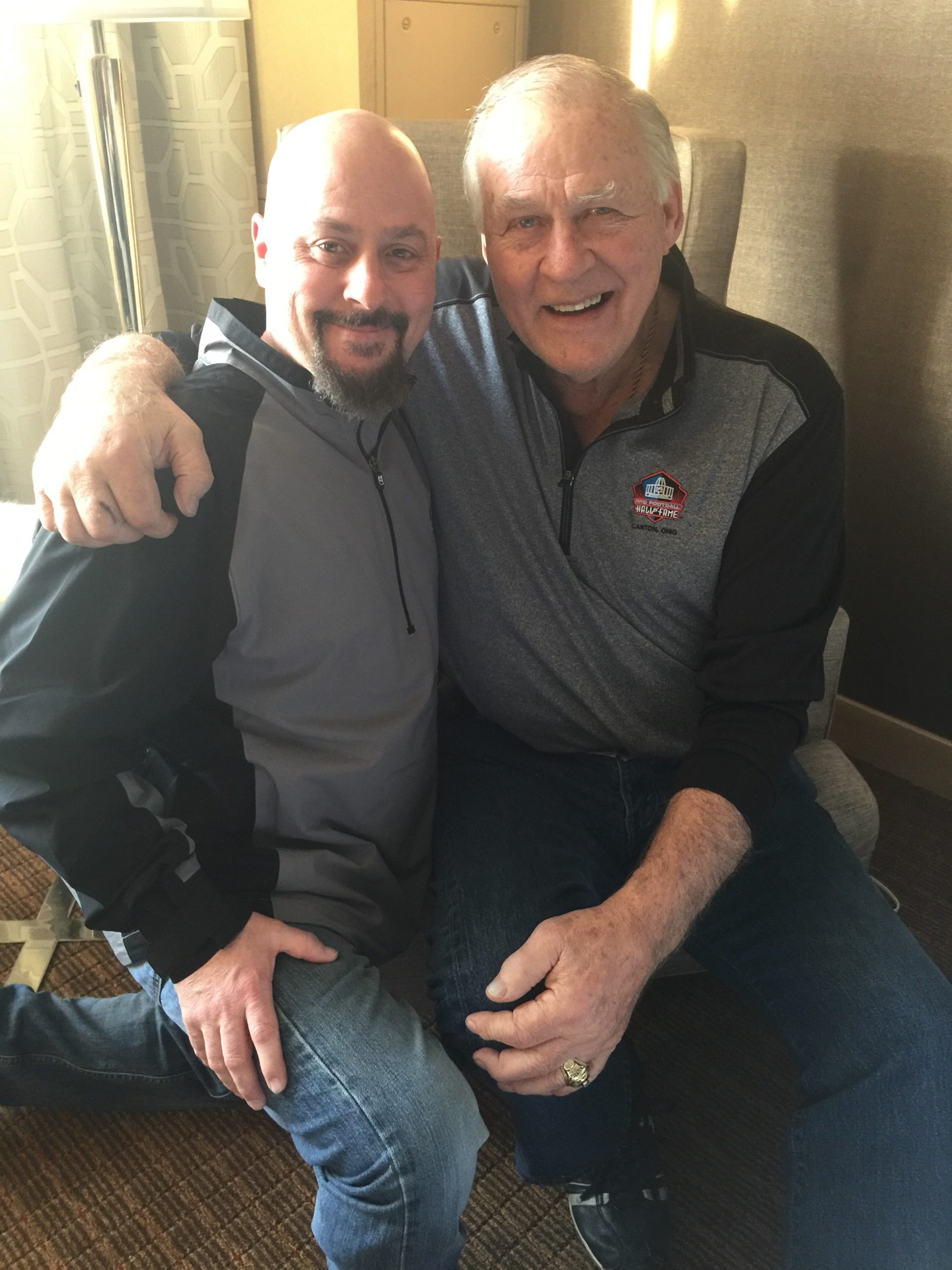
Mark M. Mayfield is the founder and CEO of Mayfield Sports Marketing, a leading sports marketing agency specializing in athlete bookings, brand partnerships, and corporate speaking engagements. With 20+ years of experience and a career that began through a life-changing partnership with Packers legend Gilbert Brown, Mark has built a trusted reputation for connecting brands with iconic sports figures. His agency has worked with NFL, NBA, MLB, and Olympic athletes, delivering high-impact events and endorsements for companies like ESPN, MDA, and CitGo.